
Trinidad and Tobago is a nation of contrasts, where vibrant cultural traditions meet diverse natural landscapes. Together, the two islands balance energy and relaxation, heritage and nature.
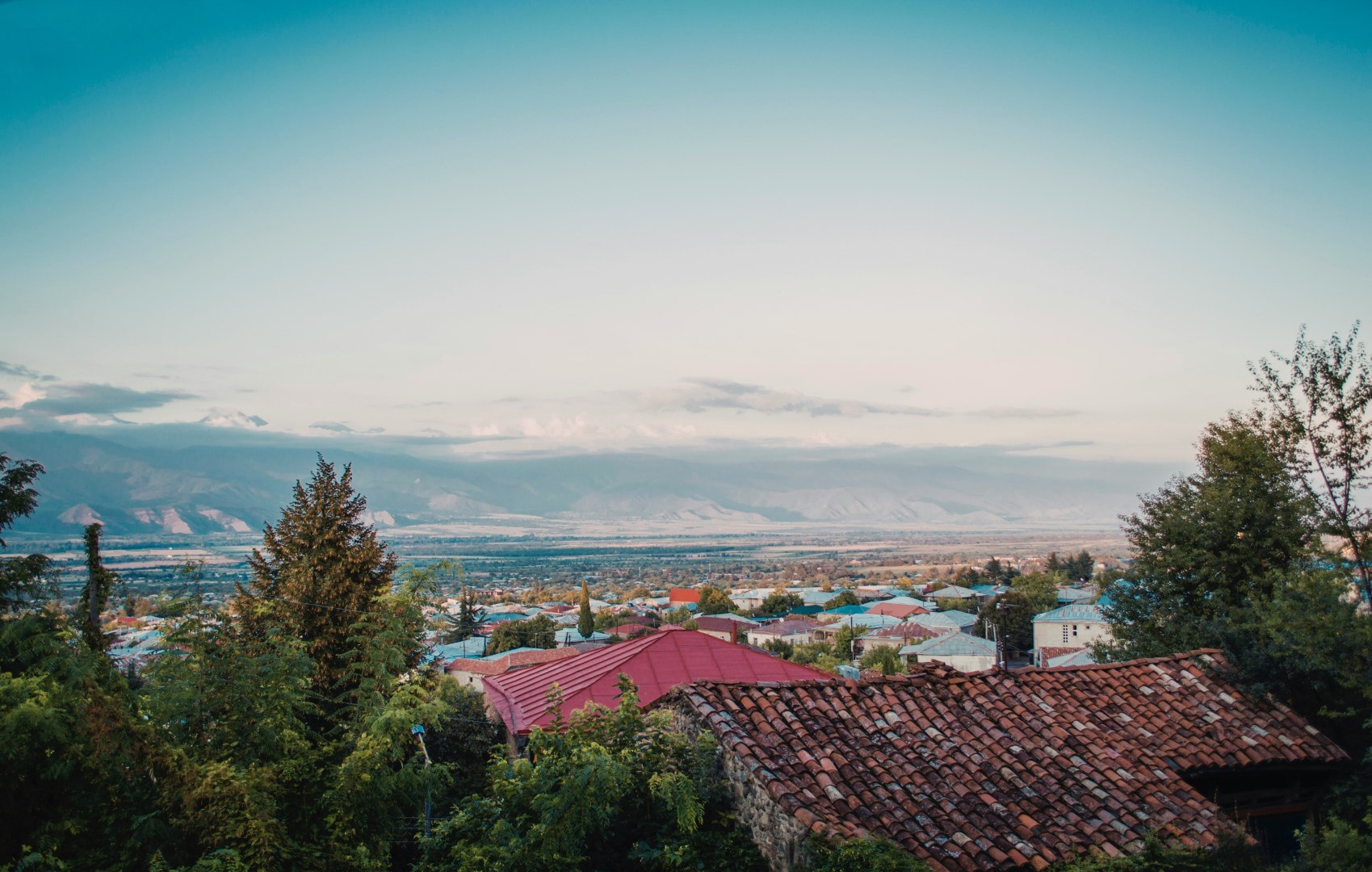
Telavi is the administrative center of Georgia’s Kakheti region, located between the Gombori mountain range and the Alazani Valley. The town is known for its connection to winemaking, traditional balconies, and views toward the snow-covered Caucasus Mountains.
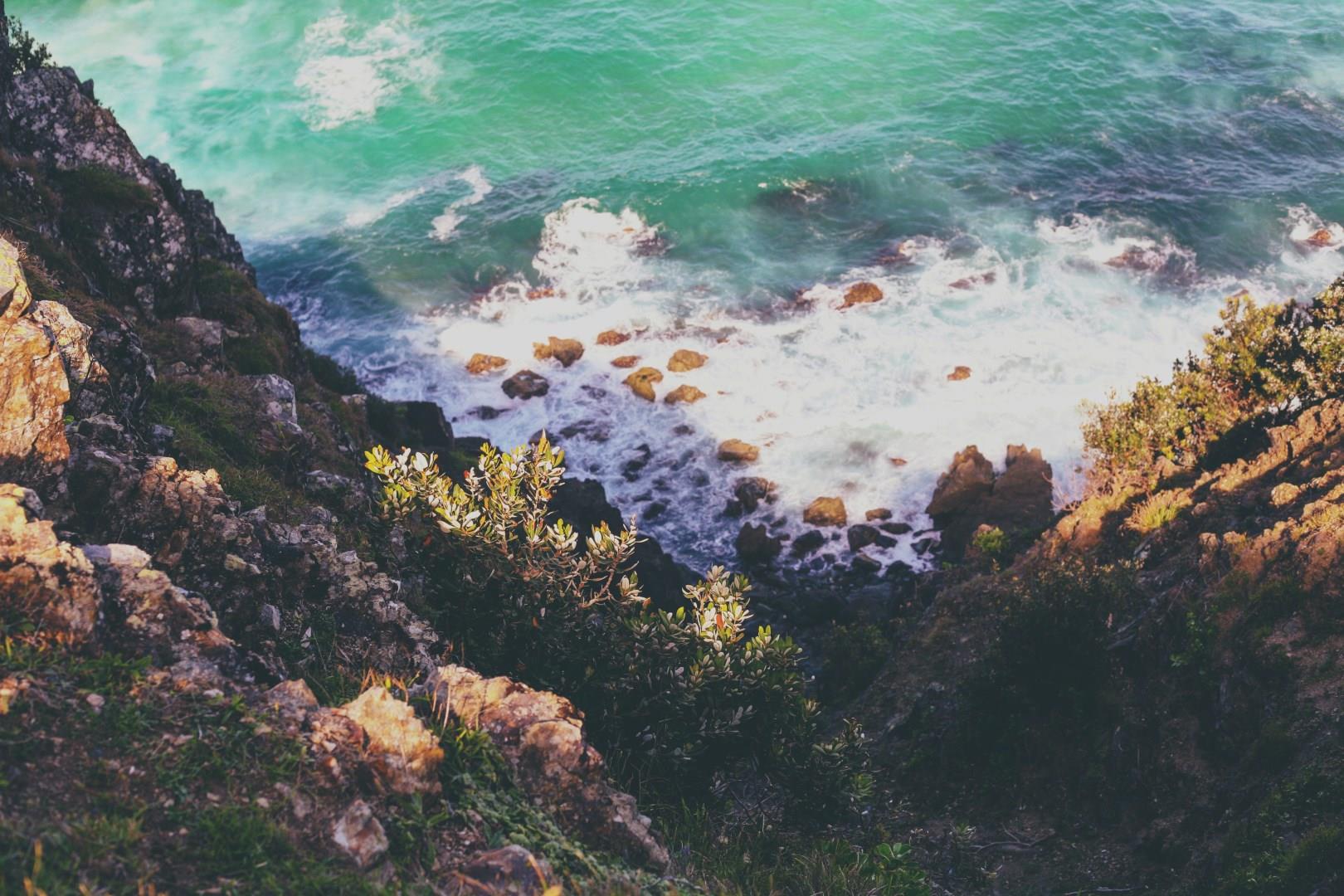
Byron Bay lies on the far north coast of New South Wales, Australia, where wide beaches meet the deep blue Pacific and the point of land known as Cape Byron marks the easternmost tip of the mainland. Standing tall above the coastline, the Cape Byron Lighthouse has guided ships since 1901 and now greets walkers and sightseers who take the scenic cliff-top path for views stretching toward whales during their migration season.
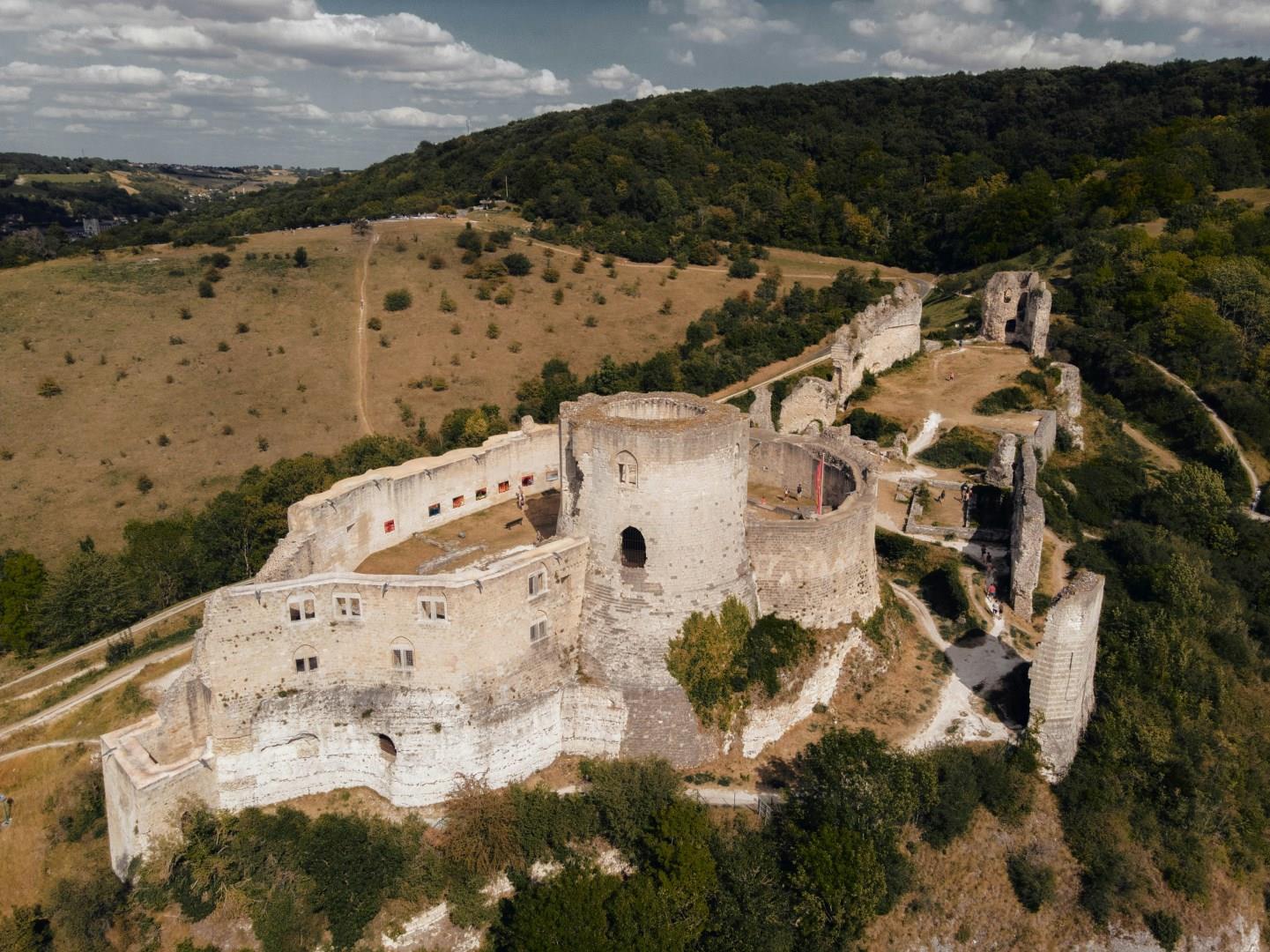
Les Andelys, a picturesque town on the banks of the Seine in Normandy, France, is best known for its dramatic setting beneath the ruins of Château Gaillard. This medieval fortress, built in the 12th century by Richard the Lionheart, stands high on a chalk cliff overlooking the river, a reminder of the region’s turbulent past during the wars between England and France.
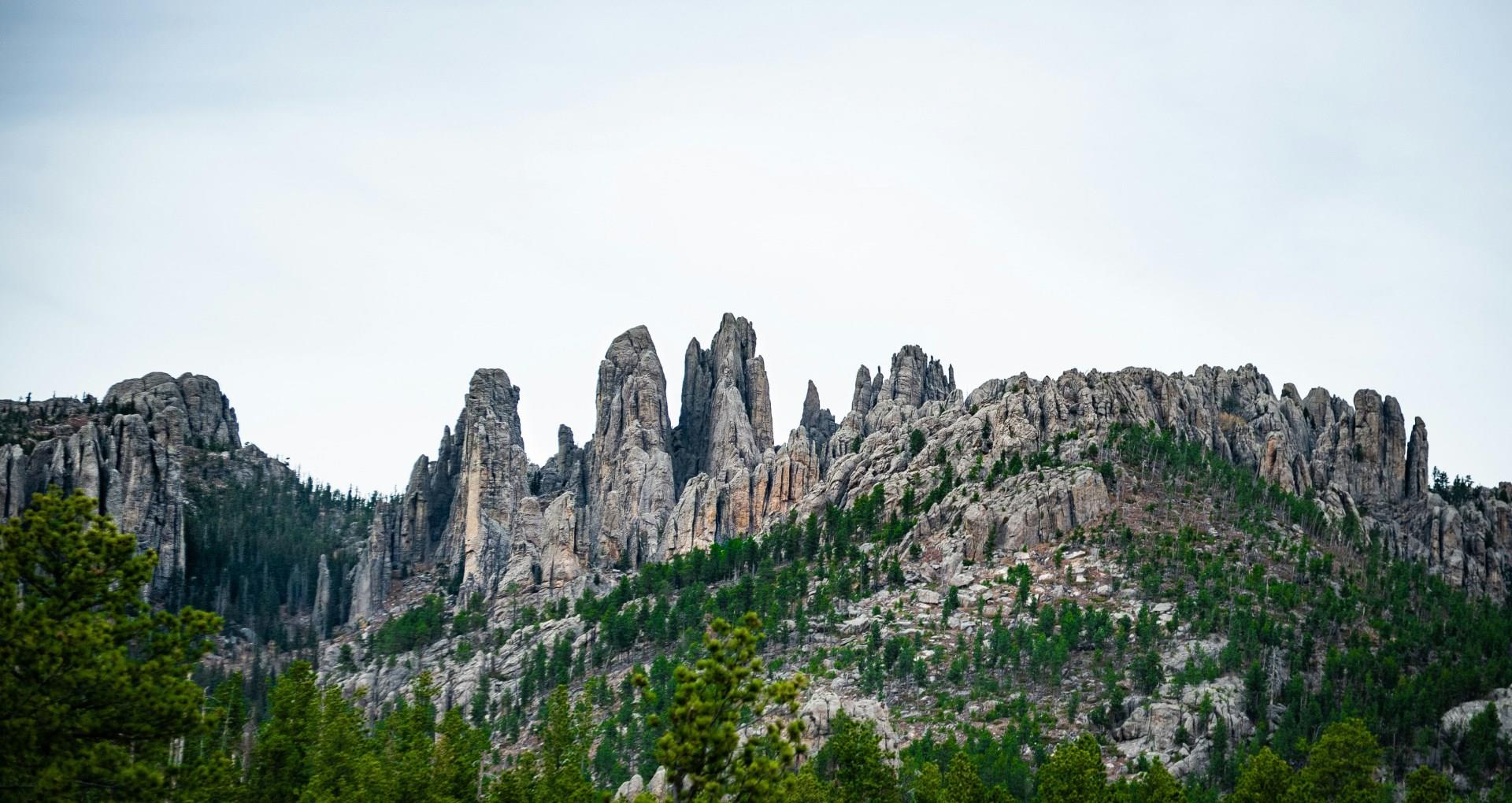
Custer State Park, nestled in the Black Hills of South Dakota, offers a tapestry of natural beauty and wildlife. Known for its scenic drives and outdoor activities, the park is a haven for nature enthusiasts and adventure seekers alike. One of its most famous routes, the Needles Highway, weaves through towering granite spires and narrow tunnels, providing breathtaking vistas of the rugged terrain.
Dutch Harbor, Alaska, located on Unalaska Island in the Aleutian chain, is a remote yet captivating destination that offers a unique blend of natural beauty, rich history, and vibrant culture. As the epicenter of the U.S. commercial fishing industry, Dutch Harbor is famous for its bustling harbor, where you can witness the impressive fleet of crab boats featured in the popular television show "Deadliest Catch". The sight of these rugged vessels returning with their hauls against the backdrop of snow-capped mountains and icy waters is nothing short of breathtaking.
History buffs will find Dutch Harbor's role in World War II particularly intriguing. The area was one of the few sites in North America that saw direct combat during the war, with the Japanese bombing of Dutch Harbor in 1942 leaving a lasting impact. Visitors can explore the remnants of this past at the Aleutian World War II National Historic Area, which includes bunkers, gun emplacements, and a museum that offers a poignant look at the region's wartime history. The Museum of the Aleutians also provides insight into the indigenous Unangan (Aleut) people, whose culture has shaped the island for thousands of years.
Nature enthusiasts will be drawn to Dutch Harbor for its incredible wildlife and rugged landscapes. The surrounding waters are teeming with marine life, making it a prime spot for whale watching, sea kayaking, and fishing. Bird watchers will be thrilled by the chance to see a variety of seabirds, including the iconic bald eagle, which is abundant in the area. For those who enjoy hiking, the island's trails offer stunning views of volcanic peaks, rolling tundra, and wildflower-filled meadows.
Fun fact: Dutch Harbor is the largest fishing port in the United States by volume, consistently ranking first in the nation for seafood landings, primarily due to its lucrative king crab and pollock fisheries. This makes it not only a vital part of Alaska's economy but also a fascinating place to witness the scale and intensity of commercial fishing operations up close .
