Dijon is the capital of the Burgundy region in eastern France and a city renowned for its rich history, architectural beauty, and, of course, its world-famous mustard. With the city's origins dating back to Roman times, Dijon boasts an impressive array of historical sites, including the Église Notre-Dame and Palais des Ducs, one of France's most outstanding museums of fine arts.
Greece’s southern coastline is home to Gythion, a historic port town nestled in the Peloponnese region. Once the naval base of ancient Sparta, Gythion has played a key role in maritime history for centuries. Today, its harbor is lined with colorful neoclassical buildings and fishing boats, creating a picture of daily life that remains connected to its seafaring roots. Just offshore lies Cranae Island, linked to the mainland by a stone causeway.
Situated at the confluence of the rivers Merwede and Noord, Dordrecht is one of the Netherlands' oldest cities, rich in history and character from its charming medieval center and picturesque canals to its beautiful historic buildings. With its intricate network of canals and waterways, the city once played a key role in the Dutch Golden Age and is home to the Biesbosch National Park, one of the largest national parks in the Netherlands.
New York is more than a state, it’s a collection of vivid contrasts where small-town traditions meet global icons. Beyond the skyscrapers of Manhattan, visitors discover everything from glacier-carved lakes in the Finger Lakes region to quiet mountain villages in the Adirondacks. In upstate towns like Saratoga Springs and Hudson, restored main streets are lined with galleries, cafés, and antique shops, offering a slower pace steeped in local pride.
Saipan, the largest of the Northern Mariana Islands, offers a rare combination of deep historical roots, island traditions, and dramatic landscapes. Located in the western Pacific, this U.S. territory was once the site of one of the most pivotal battles in the Pacific during World War II. Visitors today can explore the remains of bunkers, tanks, and hidden caves at sites like Suicide Cliff, Last Command Post, and the American Memorial Park.
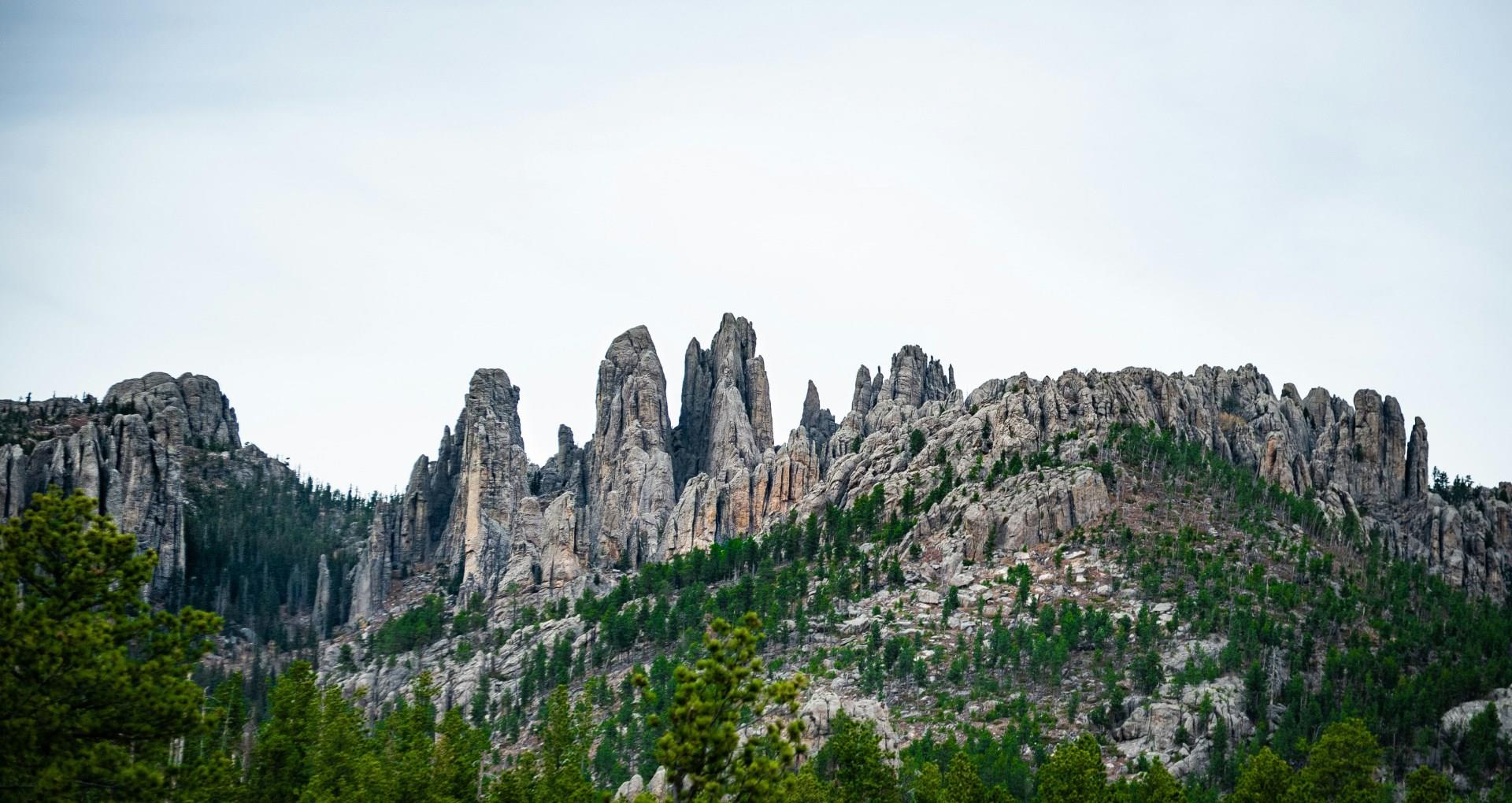
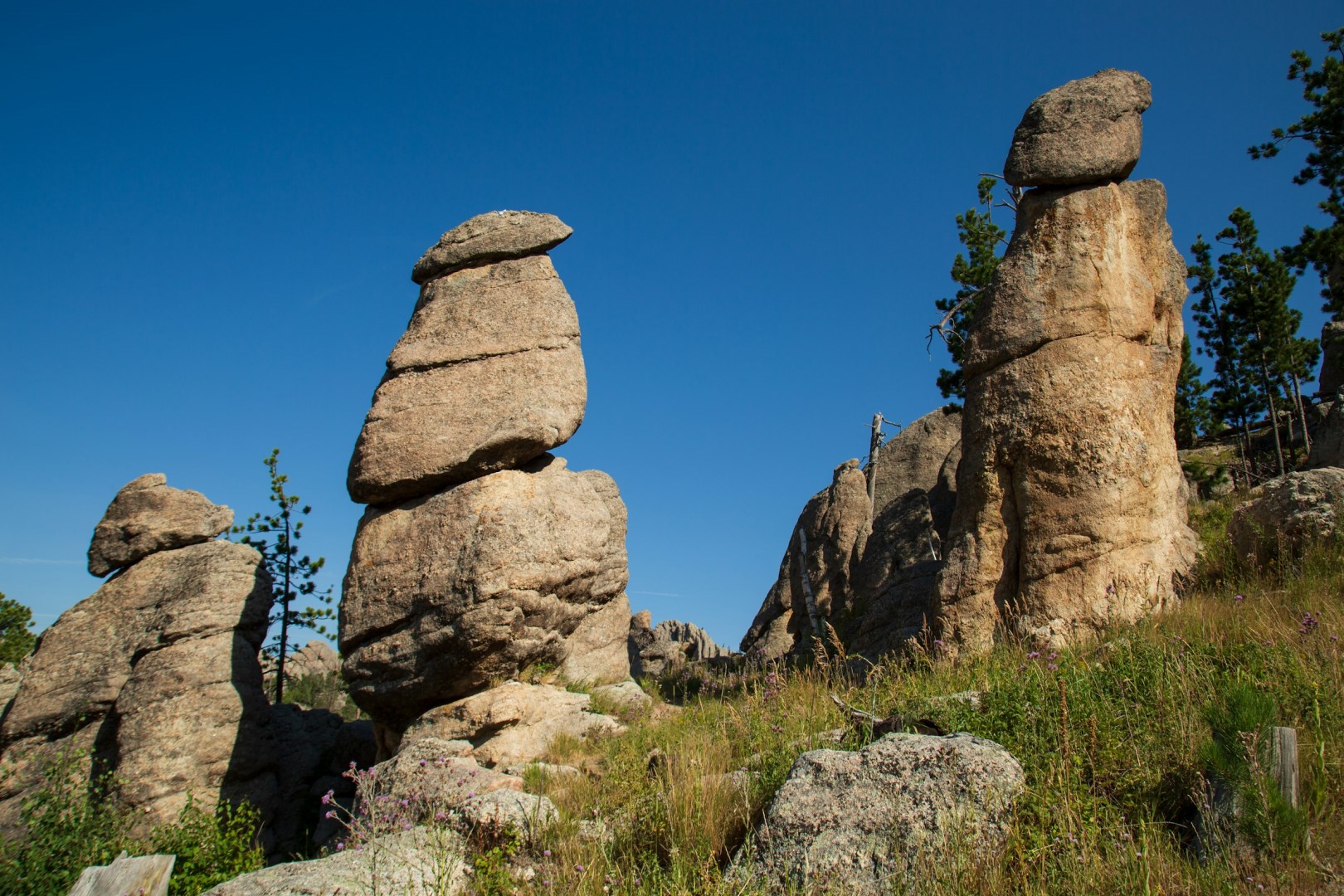
Custer State Park, nestled in the Black Hills of South Dakota, offers a tapestry of natural beauty and wildlife. Known for its scenic drives and outdoor activities, the park is a haven for nature enthusiasts and adventure seekers alike. One of its most famous routes, the Needles Highway, weaves through towering granite spires and narrow tunnels, providing breathtaking vistas of the rugged terrain.
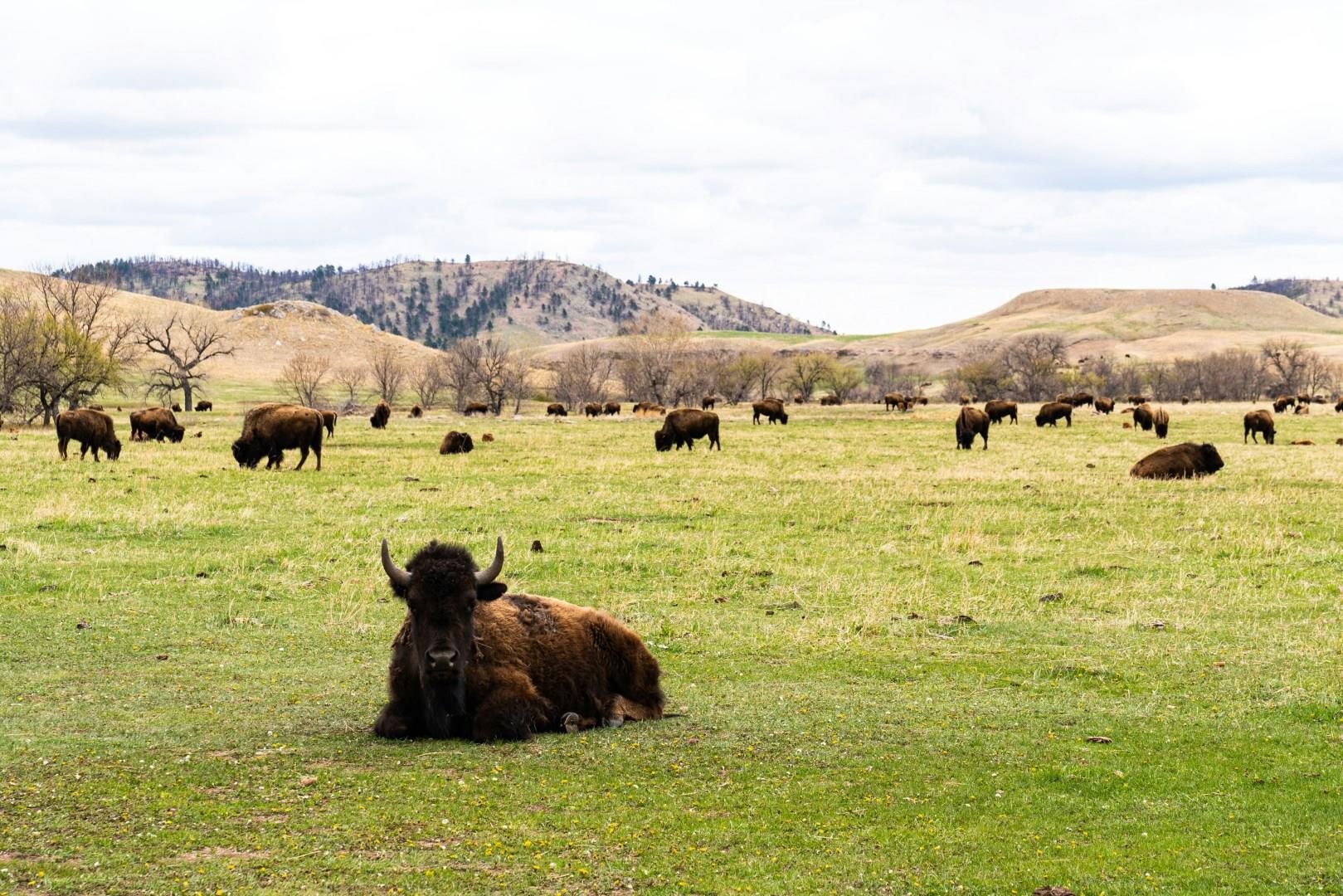
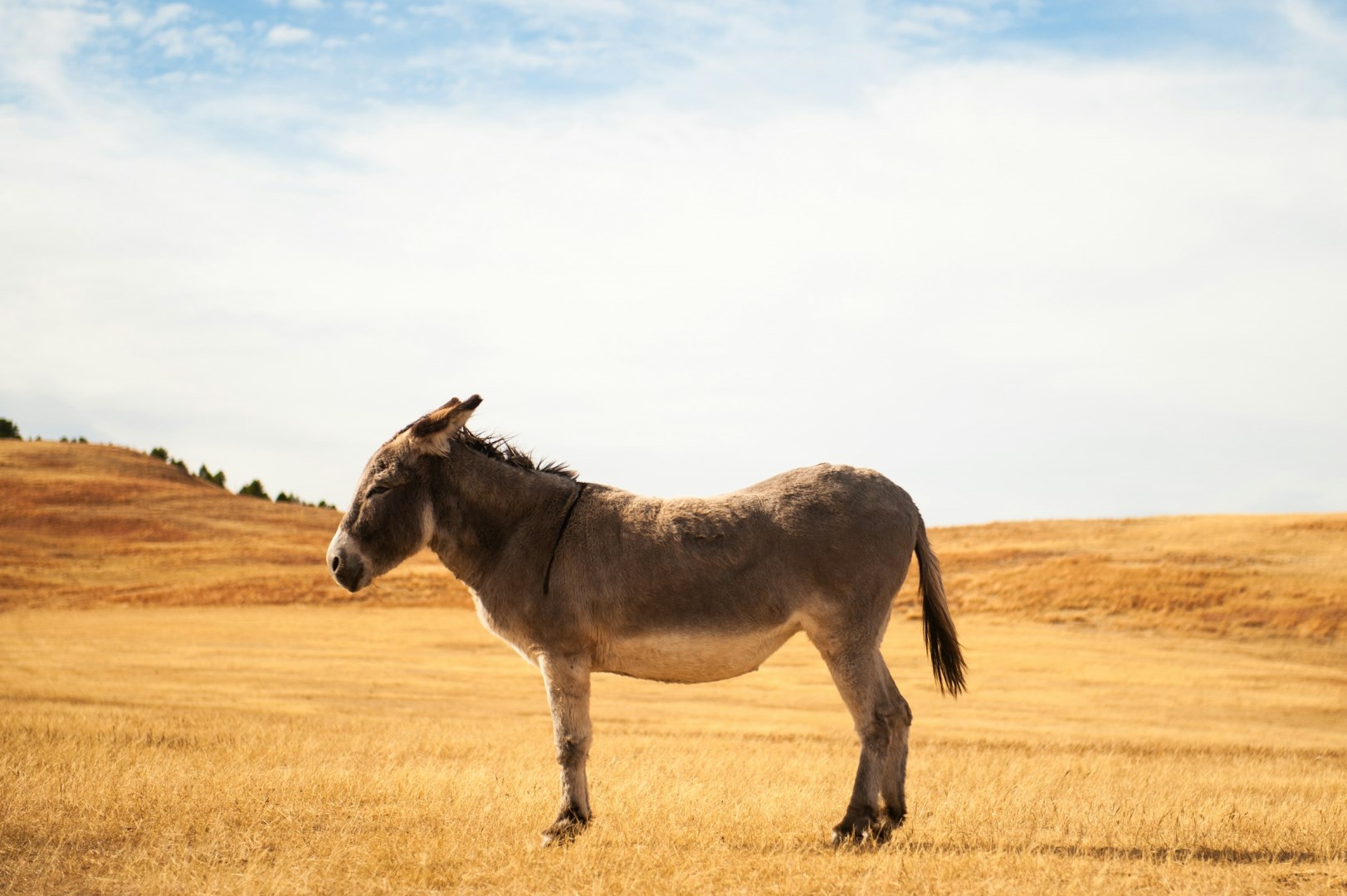
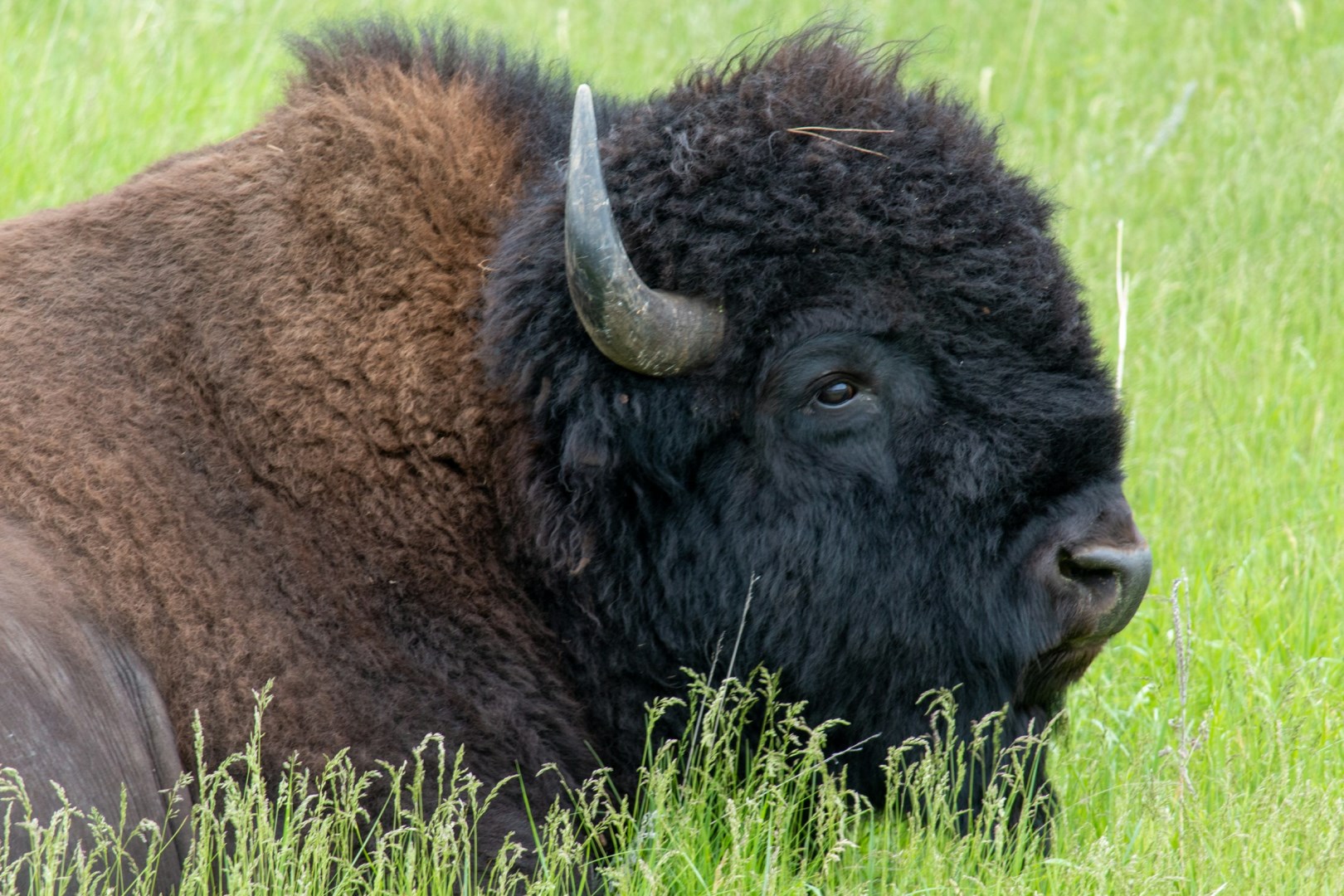
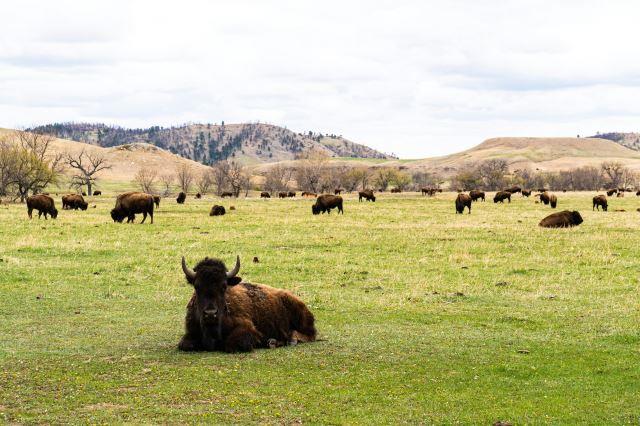
The park is also home to a remarkable array of wildlife. The Custer State Park Buffalo Roundup held each fall, is a spectacle where visitors can witness hundreds of bison being gathered by cowboys and cowgirls. The park’s diverse ecosystems support not just bison, but also elk, pronghorn antelope, and a variety of bird species, making it a prime location for wildlife viewing and photography.
For those seeking adventure, Custer State Park offers numerous trails, including the Harney Peak Trail, which leads to the highest point in South Dakota and rewards hikers with panoramic views of the surrounding landscape. Additionally, the park features Sylvan Lake, a picturesque spot perfect for swimming, kayaking, or simply relaxing by the shore.
Fun Fact: Custer State Park’s Wildlife Loop Road is one of the best places in the U.S. to see free-roaming bison, offering visitors a chance to experience these majestic creatures up close.
Visit Custer State Park from late spring to early fall for the best weather and access to all activities, or plan your visit in early autumn to witness the dramatic colors of the changing leaves.