Giant's Causeway
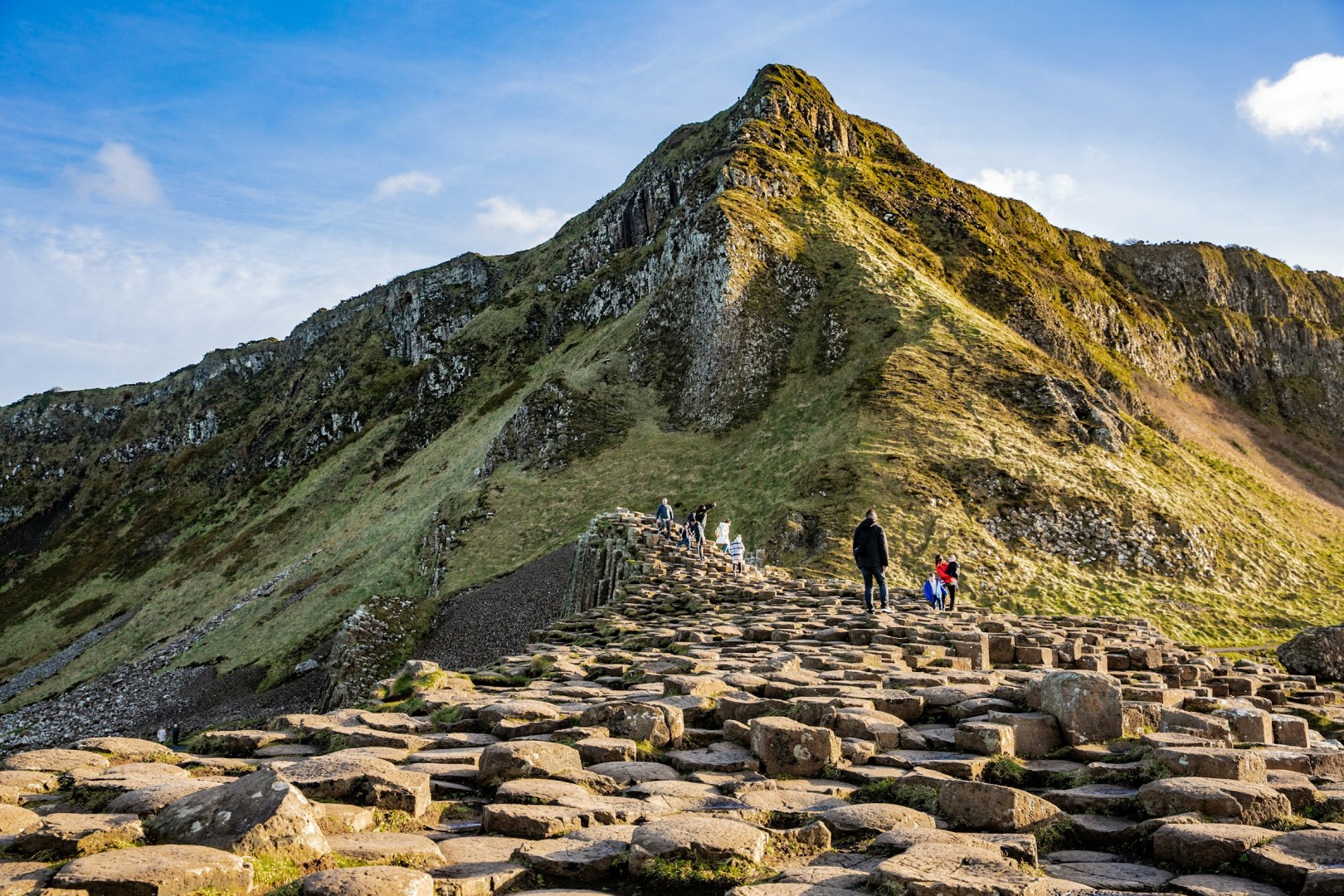
Giant’s Causeway is a remarkable coastal formation on the north coast of County Antrim, Northern Ireland, where roughly 40,000 interlocking basalt columns extend from the foot of the cliffs into the sea. Most columns have a distinctive polygonal shape, created as layers of molten basalt cooled and contracted. The site forms part of the Giant’s Causeway and Causeway Coast UNESCO World Heritage Site and is protected as an important geological landscape.
Tonto National Forest
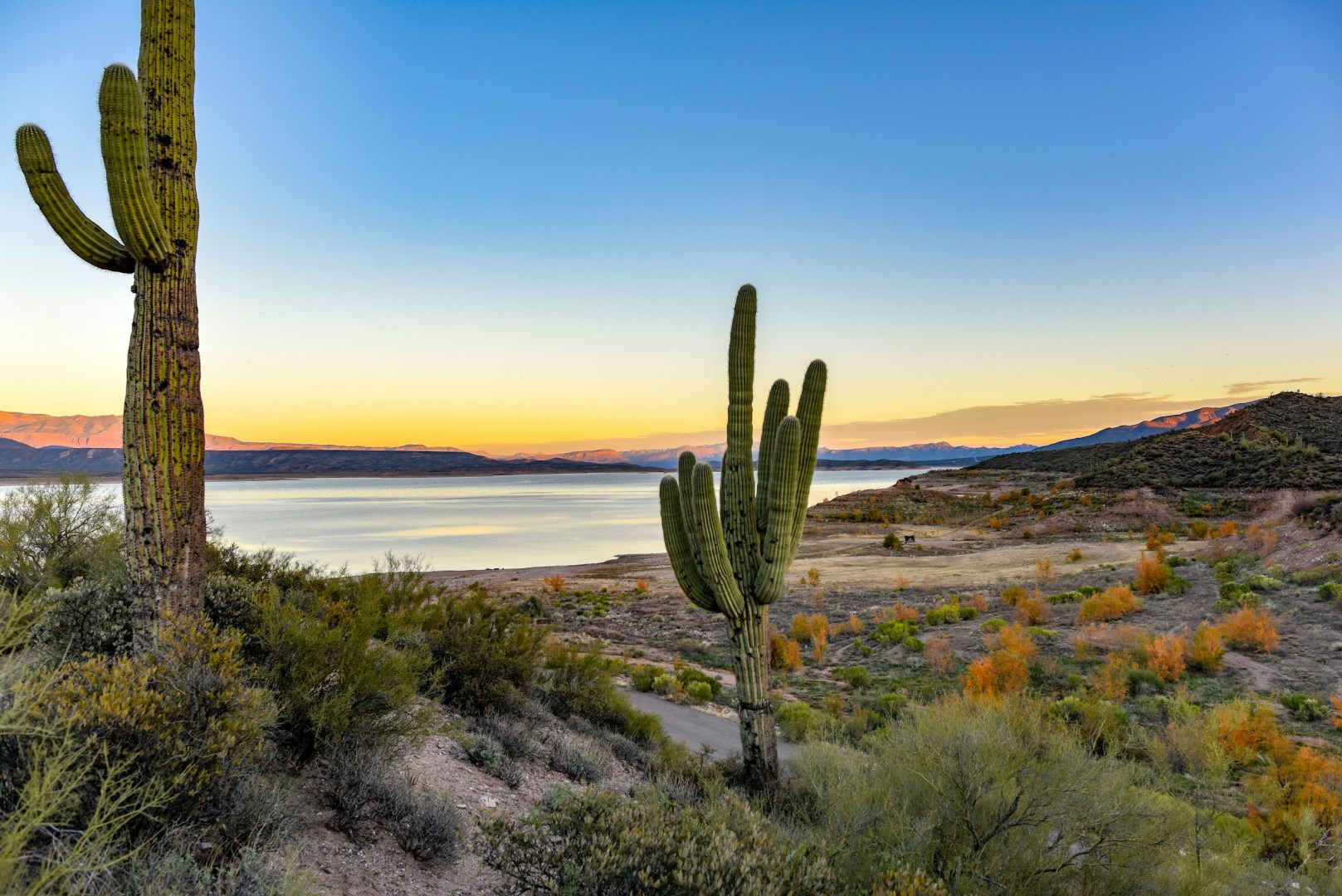
Tonto National Forest covers a large area of central Arizona, stretching across desert lowlands, rugged mountains, pine forests, and river corridors north and east of the Phoenix metropolitan area. Its varied elevation creates several distinct landscapes within one forest, from saguaro-filled Sonoran Desert to ponderosa pine country around the Mogollon Rim.

Puerto Plata
Puerto Plata, located on the Dominican Republic's northern coast, is the perfect tropical getaway for your next trip to the Caribbean! From Acapulco Beach to Playa Dorada, sandy beaches and warm turquoise waves are the highlight of this sunny destination.
Malindi
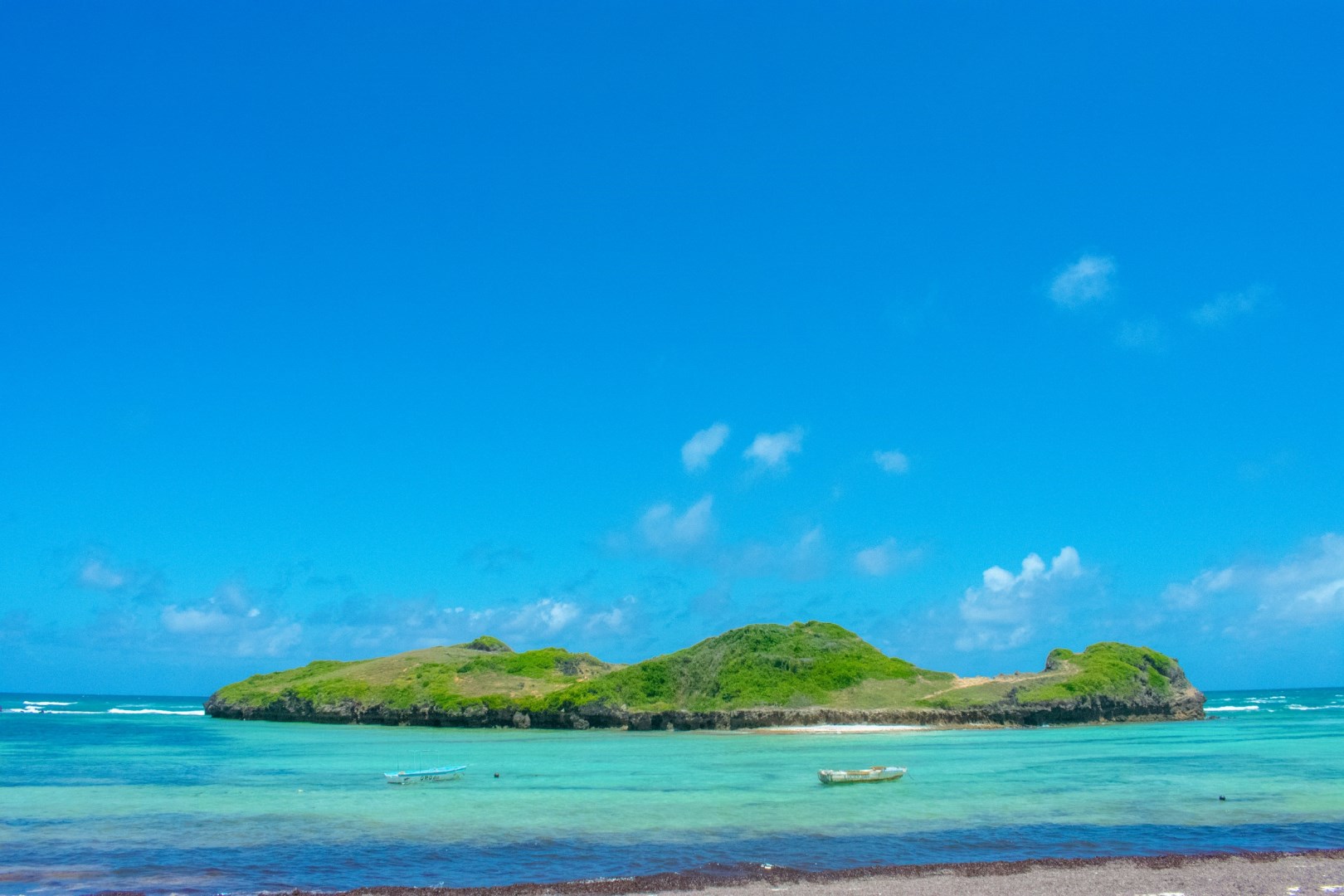
Malindi is a coastal town in southeastern Kenya, located along the Indian Ocean north of Mombasa. Its setting combines a historic Swahili settlement with sandy beaches, coral reefs, palm trees, and marine habitats. The town has long been connected to Indian Ocean trade, and its streets and waterfront reflect African, Arab, Portuguese, and later European influences.
iSimangaliso Wetland Park
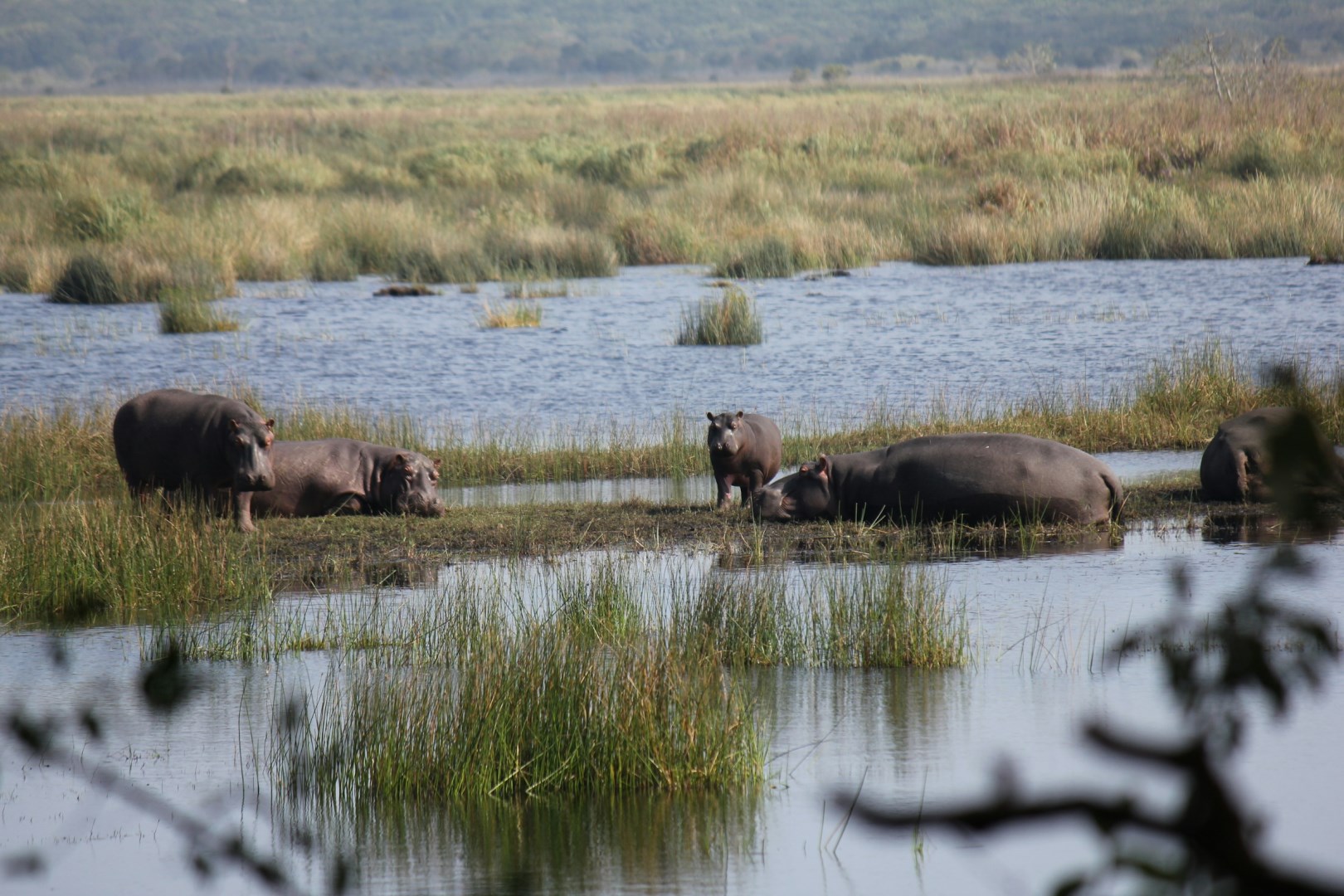
iSimangaliso Wetland Park stretches along the northern KwaZulu-Natal coast from Maphelane to the Mozambique border. It brings together beaches, coral reefs, coastal forests, dunes, lakes, wetlands, estuaries, grasslands, and savanna within one protected landscape. The park is South Africa’s first UNESCO World Heritage Site and includes several separate conservation areas linked by their ecological systems. Its name, iSimangaliso, is an isiZulu word associated with miracles and wonders.