Trier
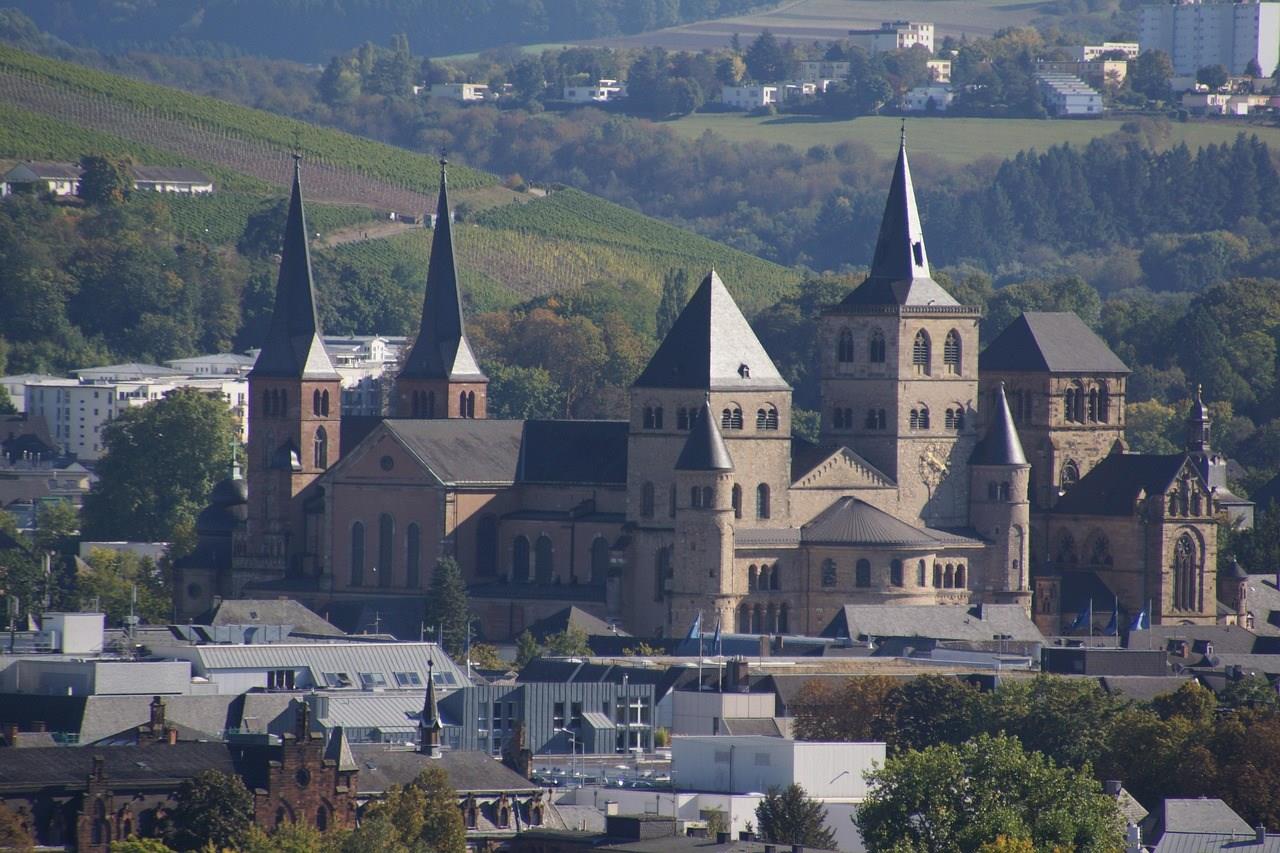
Trier, Germany’s oldest city, is a living museum nestled in the Moselle Valley, where Roman ruins rise beside medieval churches and bustling market squares. Founded by the Romans in 16 BCE, Trier was once known as “Roma Secunda,” the second Rome, and still boasts the largest collection of Roman architecture north of the Alps. The Trier Cathedral (Dom St. Peter), which is a UNESCO World Heritage Site, is the oldest church in Germany and houses a relic said to be the Holy Robe of Christ.

Moldova
Moldova, a hidden gem nestled in the heart of Eastern Europe, invites travelers to discover a unique blend of history, culture, and nature. Often overlooked by mainstream tourism, this charming country boasts a rich tapestry of traditions that date back over a thousand years. Visitors can explore ancient monasteries and stunning landscapes along the Răut River.

Tahiti
Tahiti is a veritable paradise in the South Pacific. The largest and most populous island of French Polynesia's Society Islands, Tahiti is known for its iconic overwater bungalows, crystal-clear cerulean water, and lush, tropical rainforests.
Chigumula
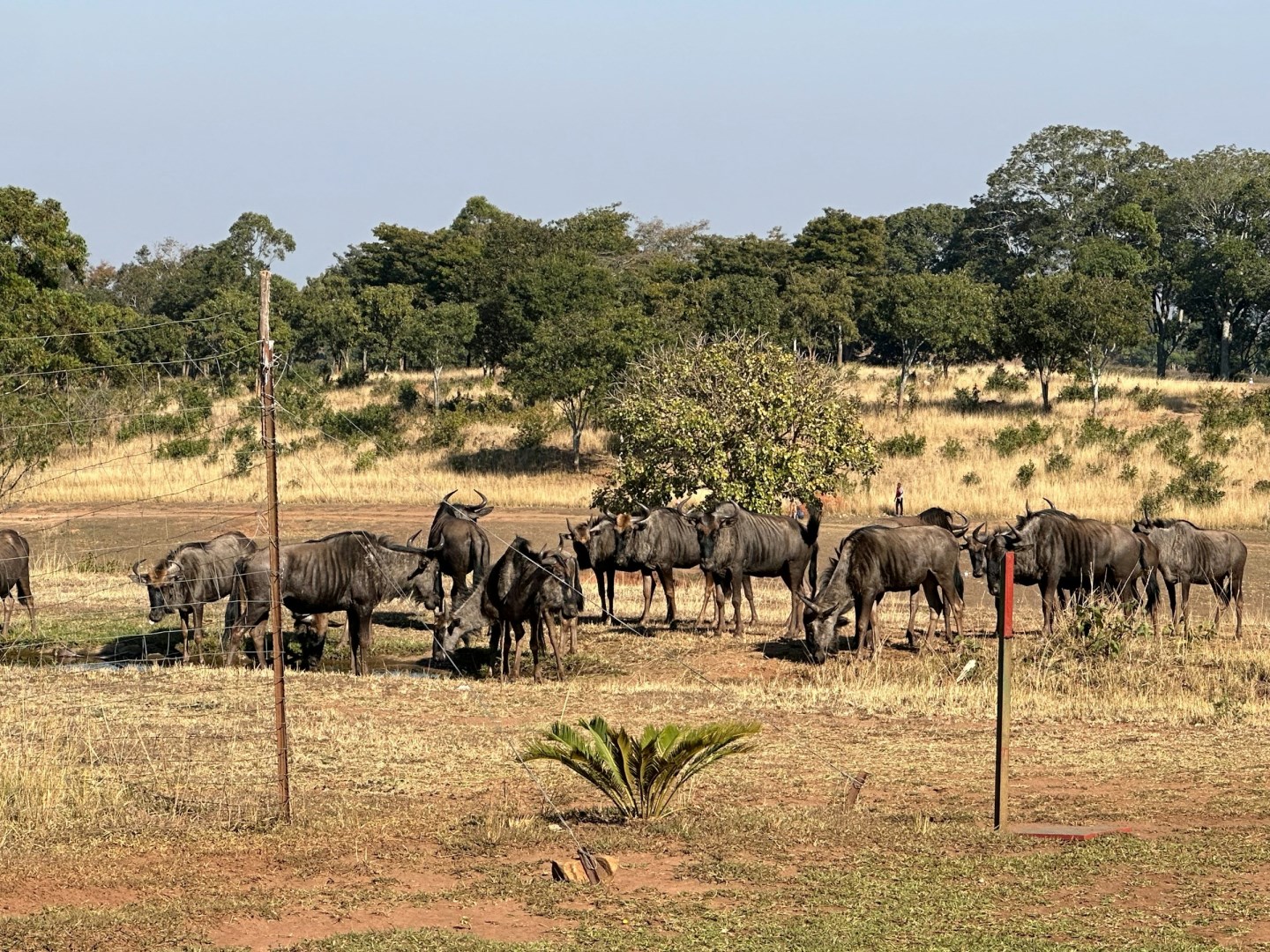
Chigumula is a residential area within the wider Blantyre urban area in southern Malawi. It lies in the Shire Highlands, a region known for rolling terrain and a strong connection to the commercial life of southern Malawi. Chigumula is also associated with Chigumula Market, which serves as a local point for buying and selling everyday goods.
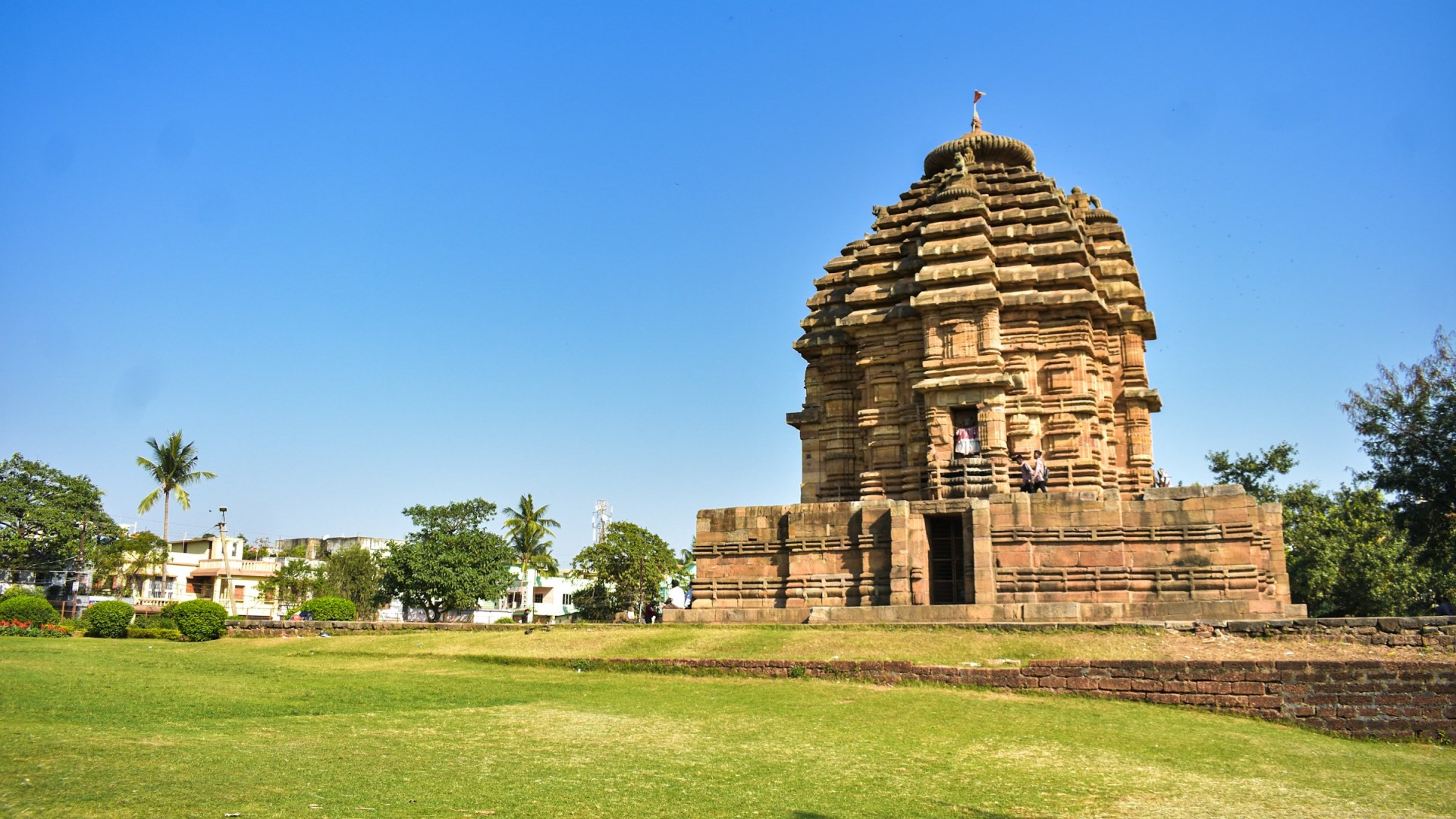
Bhubaneswar
Bhubaneswar is the capital of Odisha in eastern India and a major center of temple architecture, religion, education, and modern administration. Often associated with the title “Temple City,” it combines a growing contemporary city with an old quarter filled with stone shrines and sacred tanks. The city developed around the Ekamra Khetra area, where numerous temples reflect the Kalinga style of architecture. Beyond its historic core, Bhubaneswar has broad roads, parks, museums, markets, and resi