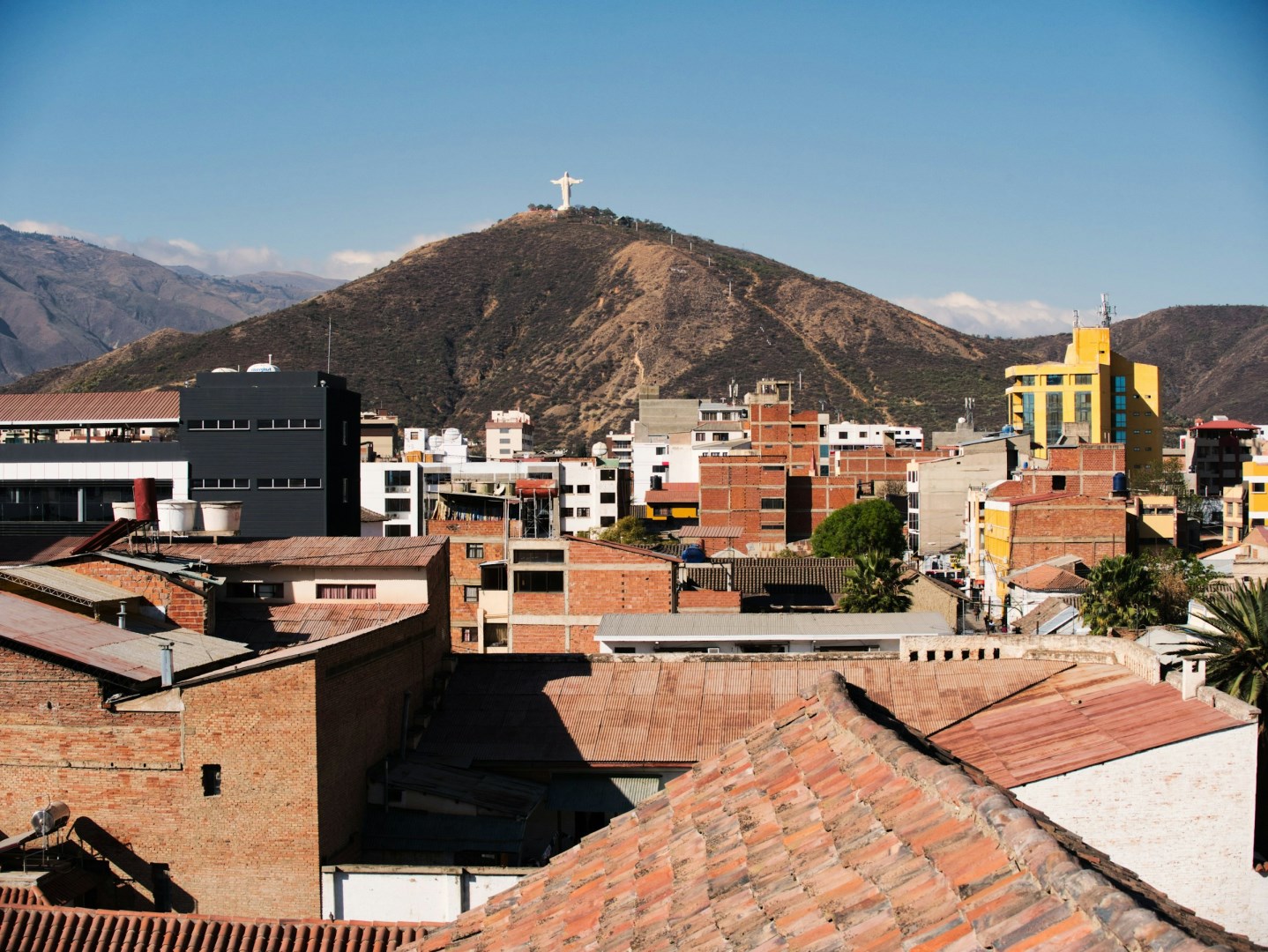
Harpers Ferry
Harpers Ferry is a small historic town in West Virginia's eastern panhandle, positioned where the Potomac and Shenandoah rivers meet within a gap in the Blue Ridge Mountains. Much of the community is preserved within Harpers Ferry National Historical Park, where narrow streets, historic buildings, river views, and wooded slopes create a setting closely tied to the landscape. The town is known for its role in American history, but its location also makes it a destination for hiking, climbing, fis

Portorož
Portoroz lies on Slovenia’s short Adriatic coast, where its identity has been shaped by the sea and by centuries of salt production in the nearby Sečovlje pans.

Latvia
Latvia invites visitors to explore a land where medieval streets meet vast forests and a lively coastline. Riga, the country’s capital, is home to one of the largest and best-preserved collections of Art Nouveau architecture in Europe. Walking through the Old Town, visitors can admire intricate facades and cobblestone streets that lead to landmarks like the House of Blackheads and St. Peter’s Church, whose tower offers panoramic views of the city.
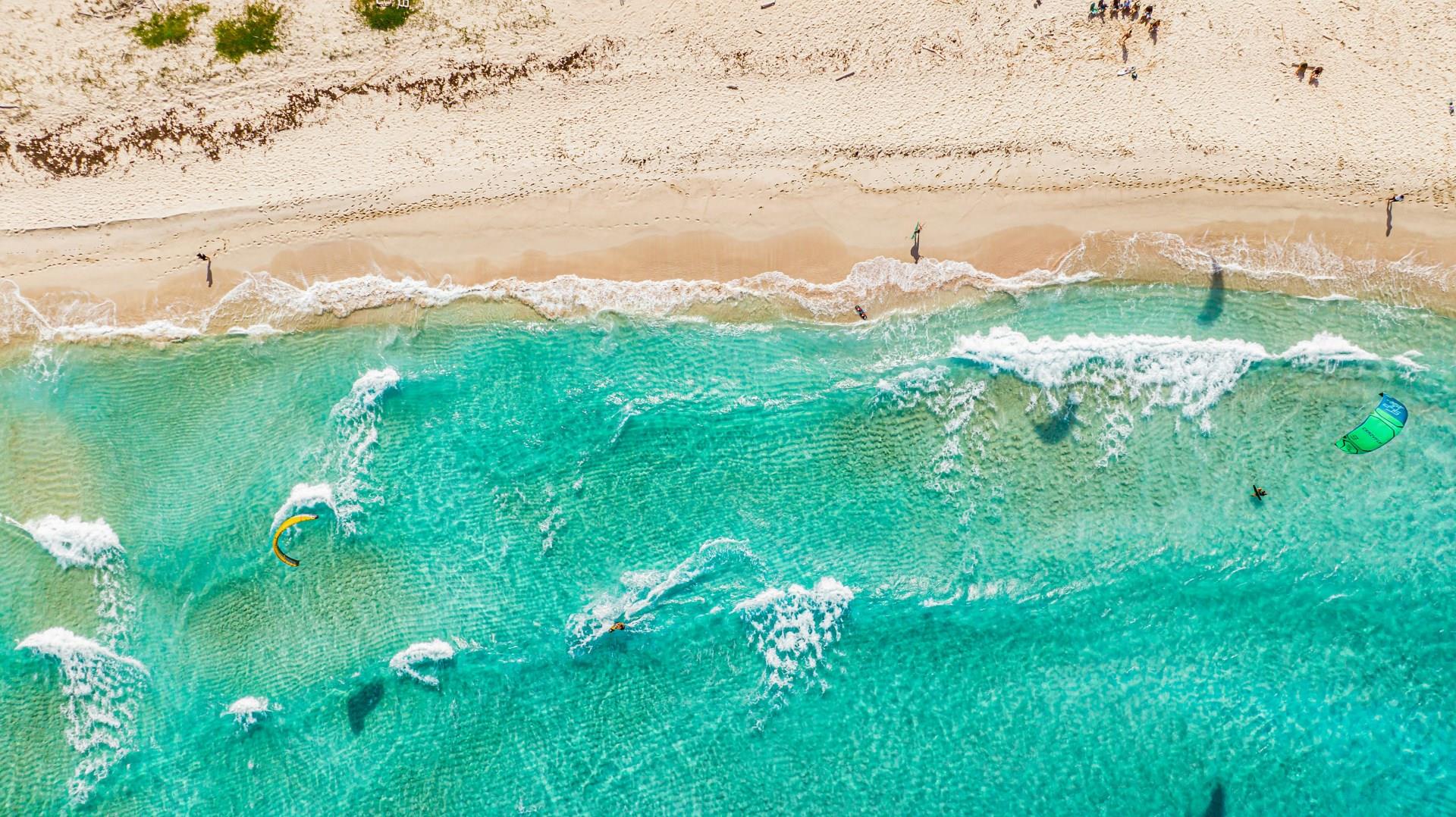
San Nicolas
San Nicolas, known as Aruba’s “Sunrise City,” offers a completely different vibe from the island’s resort-heavy northwest coast. Located at the southeastern tip, this former oil refinery town has reinvented itself as the cultural heart of Aruba, filled with vibrant street art, local galleries, and a strong sense of community.
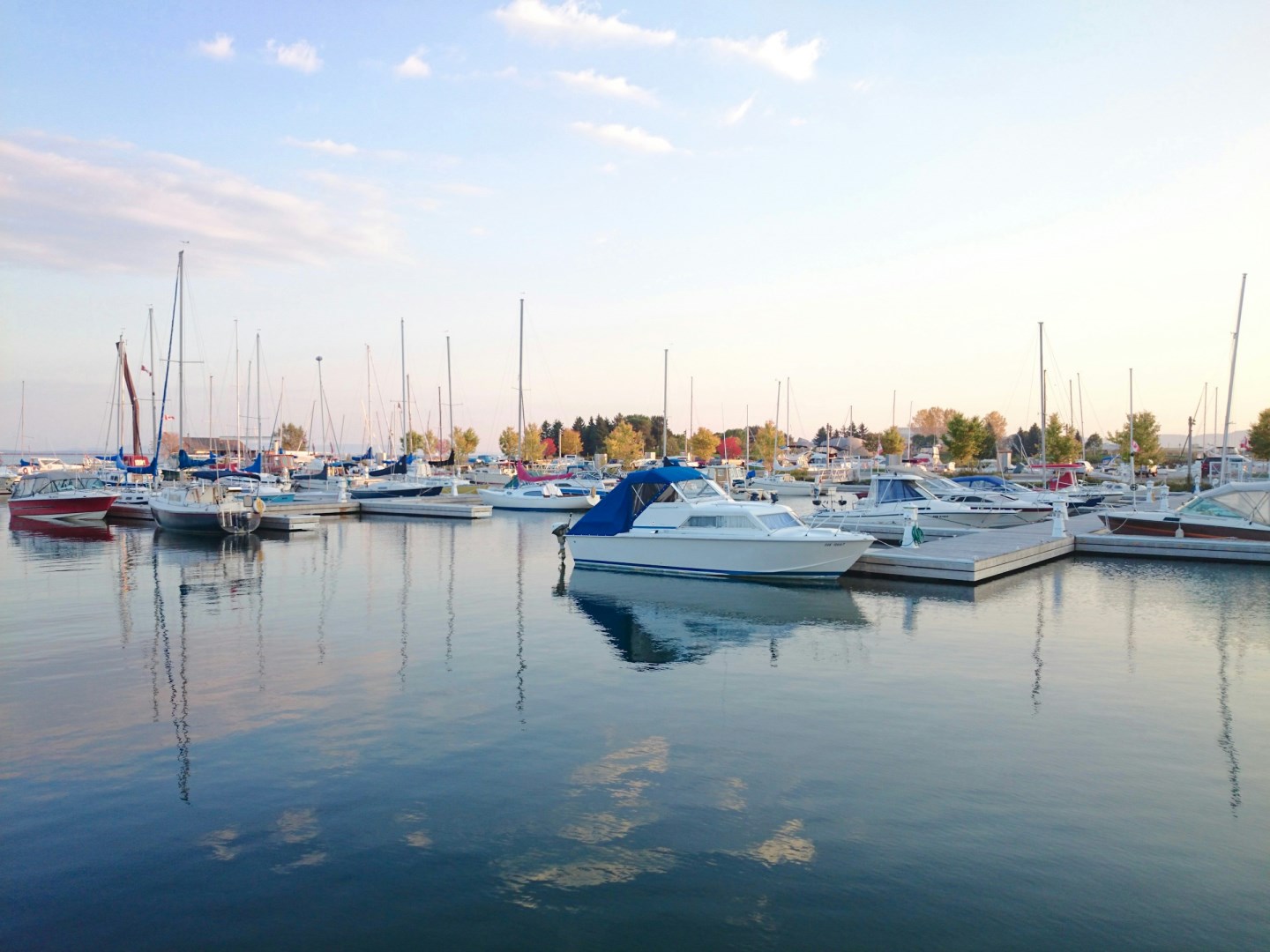
Thunder Bay
Thunder Bay is a city on the northwestern shore of Lake Superior, where the Kaministiquia River reaches one of the world's largest freshwater lakes. Surrounded by forests, rocky hills, and broad water views, it serves as a regional centre for transportation, education, industry, and services across Northwestern Ontario.