Modesto
Modesto is a city in California’s Central Valley, located along the Tuolumne River between the Sierra Nevada and the Coast Range. The city is surrounded by some of the state’s most productive agricultural land, with orchards, vineyards, dairies, and fields extending across the surrounding countryside. Modesto’s urban center includes historic neighborhoods, downtown businesses, parks, and cultural venues, while the Tuolumne River provides a natural corridor through the region.
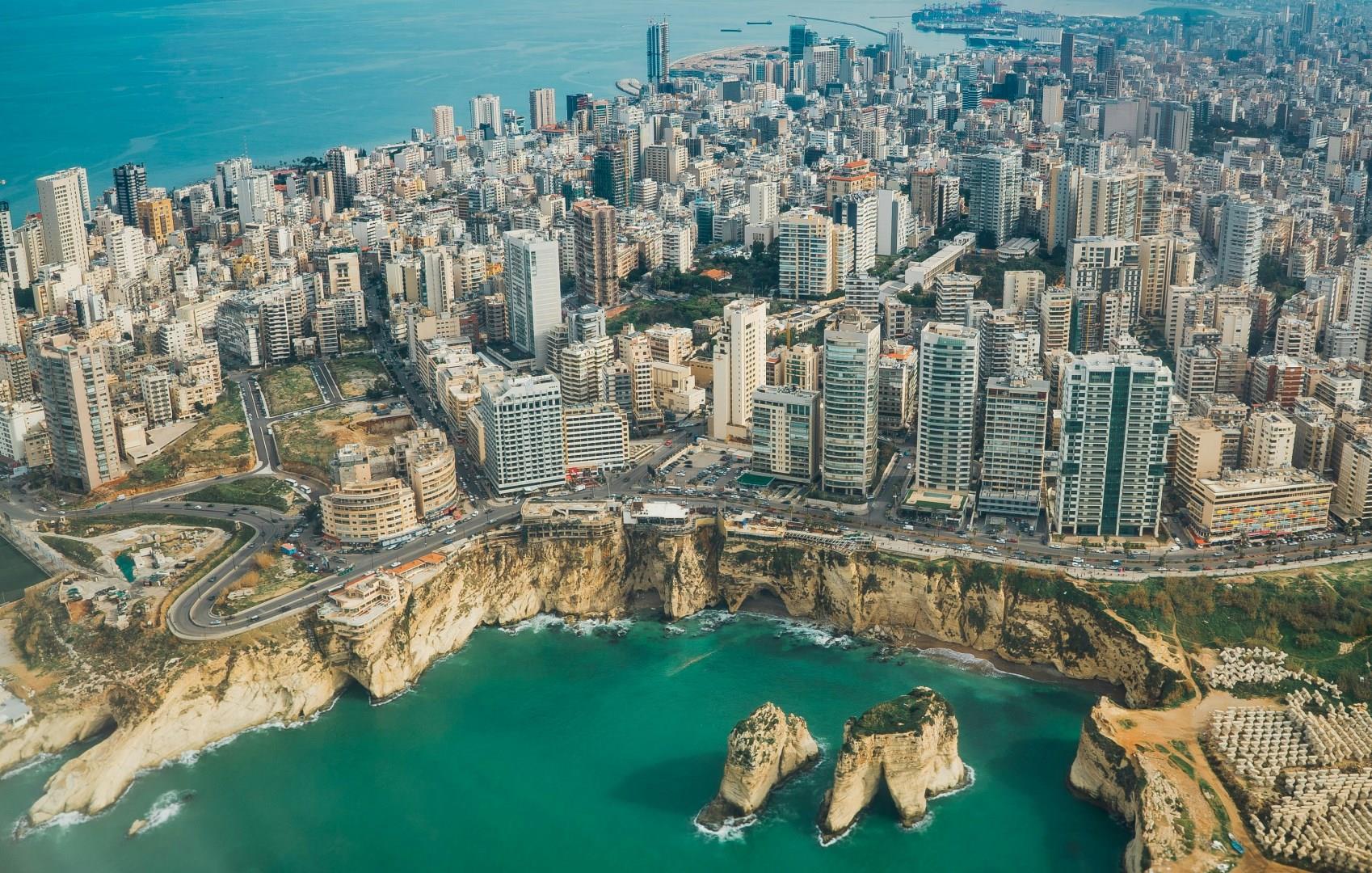
Beirut
Beirut traces its roots back over 5,000 years. Once called Berytus during the Roman era, it grew into a key port of the Mediterranean. Today’s visitors can follow the Beirut Heritage Trail, a 2.5 km walking route marked with bronze medallions, that links archaeological sites, historic courtyards, and restored Ottoman buildings. The path unveils layers of the city's past one block at a time.

Boracay
Boracay, a small island in the central Philippines, is famous for its white-sand beaches and clear turquoise waters. Despite its size, the island offers a wide range of activities, from swimming and snorkeling to paddleboarding and sailing.
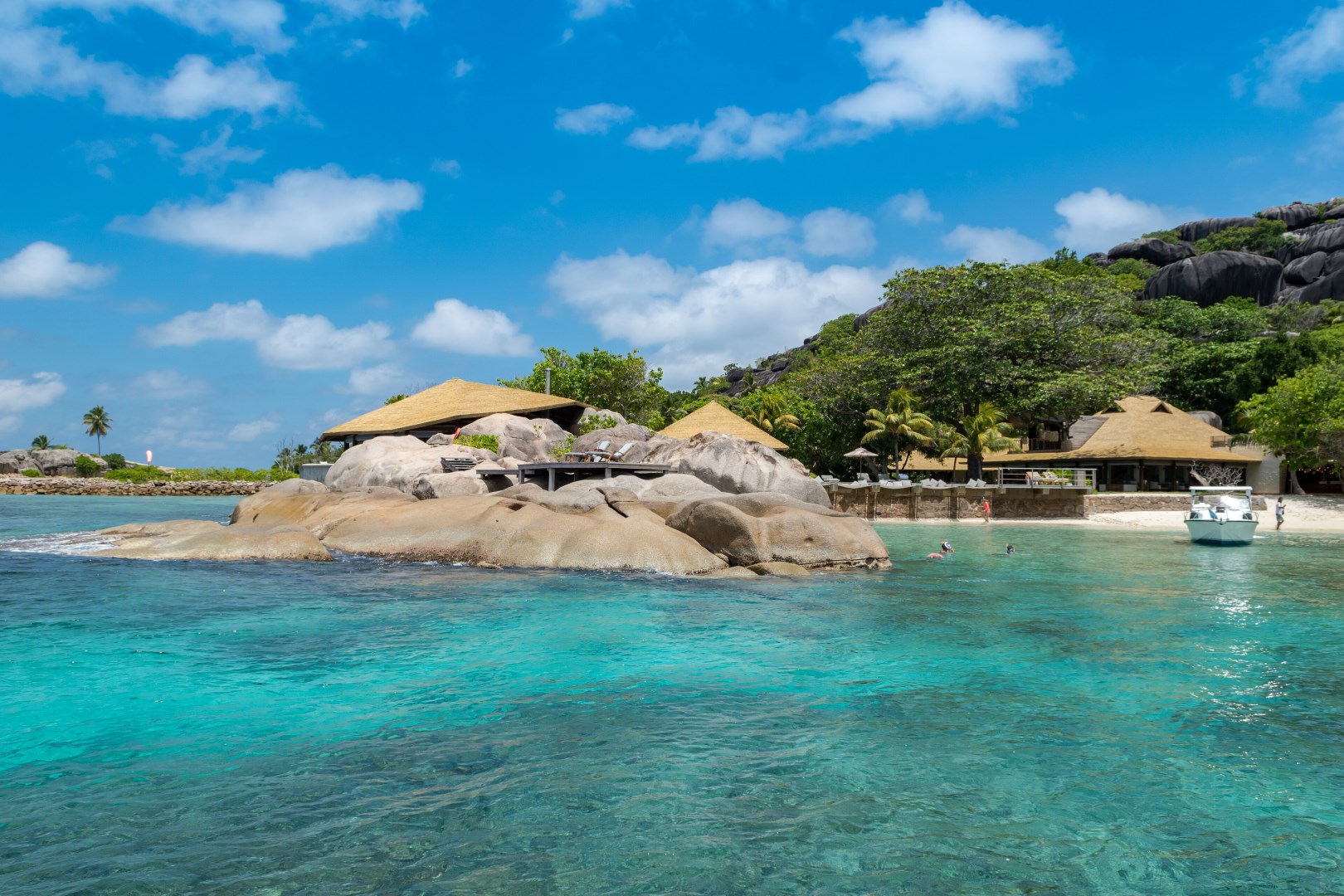
Felicite Island
Félicité Island, a pristine jewel of the Seychelles, promises an idyllic escape for travelers seeking natural beauty and tranquility. Located about 4 kilometers northeast of La Digue, Félicité is part of the Seychelles’ inner islands and is renowned for its stunning granite boulders, powdery white sands, and turquoise waters.
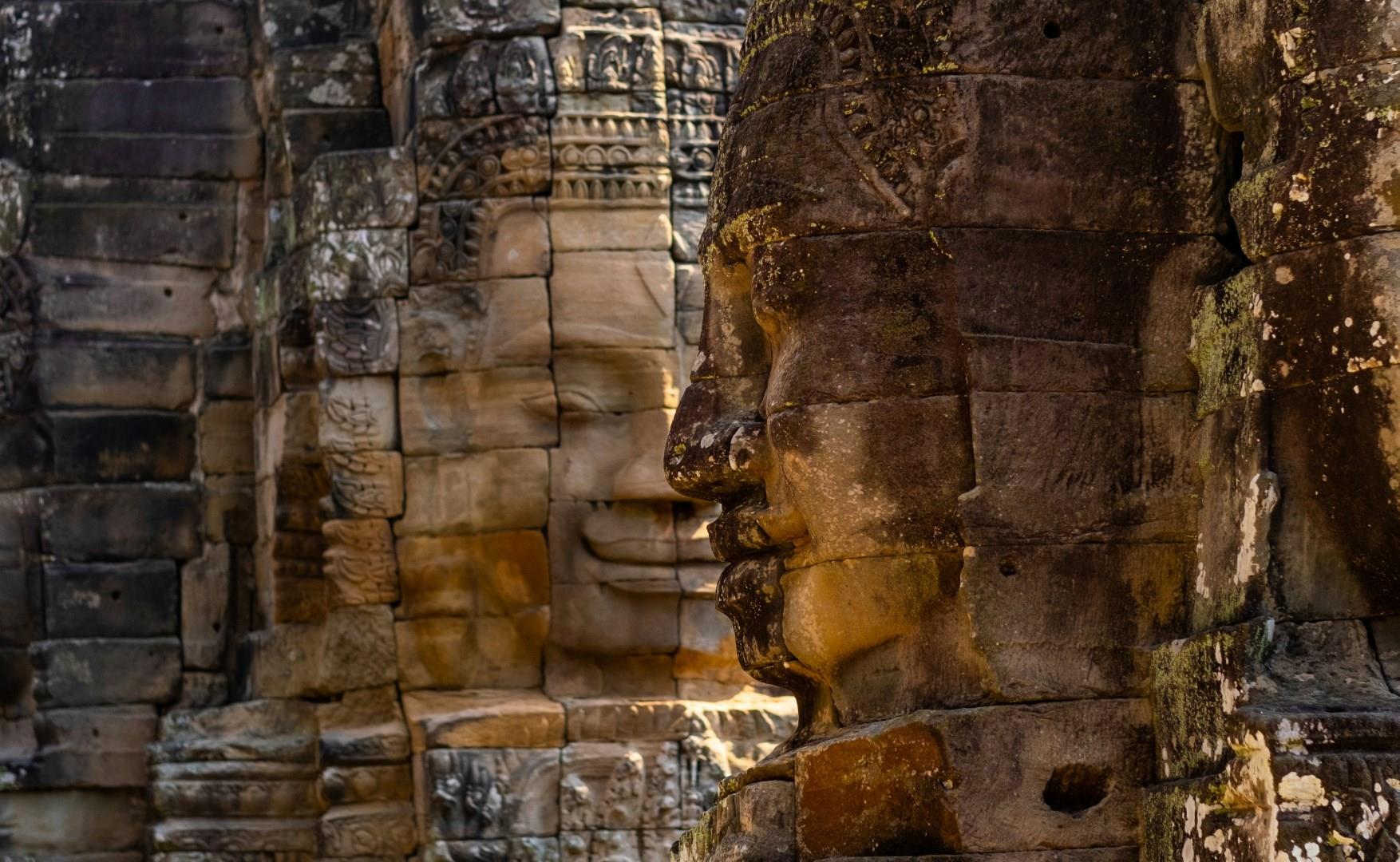
Siem Reap
Siem Reap is best known as the gateway to Angkor, the ancient capital of the Khmer Empire, but the town itself offers far more than a launching point for temple exploration. Located in northwestern Cambodia, Siem Reap balances centuries-old traditions with a rapidly evolving cultural scene. Its streets are lined with colonial-era buildings, Buddhist pagodas, bustling markets, and open-air cafés.