Kuwait City began as a modest fishing village and has evolved into a modern metropolis. The city's history is deeply rooted in its maritime heritage. The Dhow Harbour in Kuwait City offers a captivating glimpse into the nation's rich maritime past. Historically, dhows were essential for trade, fishing, and pearl diving, shaping Kuwait's economic and cultural identity. Today, the harbor remains a vibrant testament to this legacy, housing a variety of traditional wooden ships.
Eger sits in northern Hungary and is known for its well preserved Baroque center, historic castle and long tradition of wine and craft that draw visitors from across Europe. Just beyond the historic center, generations of winemakers have perfected local styles and offer tastings of local varieties. A casual afternoon here can feel like a gentle cellar crawl, with seasonal music or simple snacks adding to relaxed tastings under vine covered walkways.
Bermuda, a British Overseas Territory in the North Atlantic, is celebrated for its pastel-colored houses, pink-sand beaches, and a unique blend of British and island traditions.
Tennessee welcomes visitors with a rhythm that shifts from Appalachian mountain towns to Memphis blues clubs, all while telling stories that have shaped the American experience. In East Tennessee, the Great Smoky Mountains National Park is the most visited national park in the country, known for its mist-covered peaks, preserved log cabins, and seasonal displays of wildflowers and fireflies.
In the heart of South America, Ecuador offers a compact yet astonishingly diverse experience for travelers. From the cobbled streets of Quito’s historic center to the vibrant Afro-Ecuadorian rhythms of Esmeraldas, the country pulses with stories waiting to be discovered. Just a short drive away, visitors can stand on the equator line at the “Mitad del Mundo” and participate in engaging experiments that demonstrate the planet’s gravitational quirks.
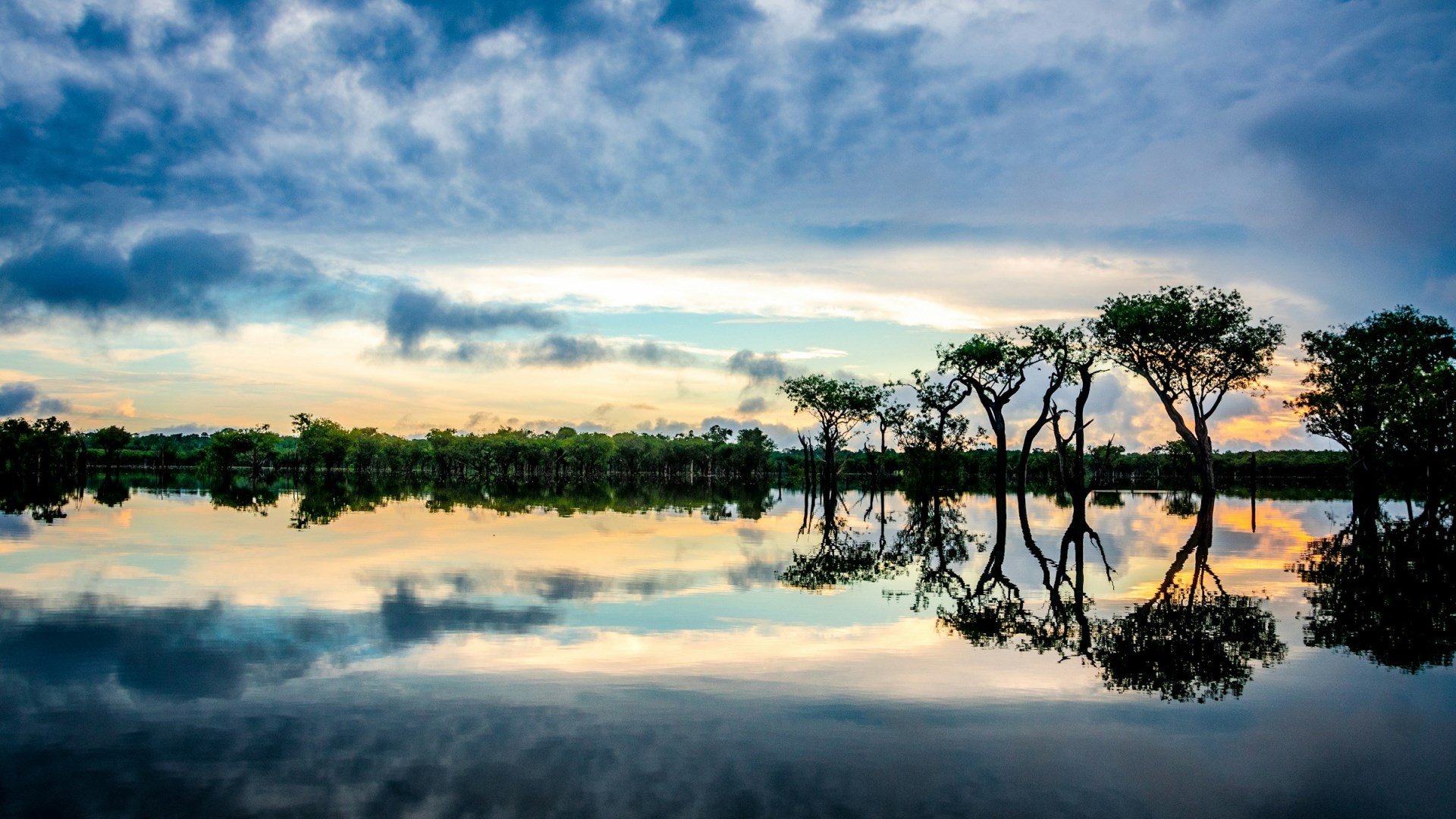
Exploring the Amazon Jungle in Brazil is like venturing into the heart of a living, breathing world. The Amazon Rainforest, often referred to as the "lungs of the Earth," is a lush, sprawling expanse that teems with extraordinary biodiversity. Located primarily in northern Brazil, this vast jungle covers over 5.5 million square kilometers and is home to an estimated 10% of the known species on the planet.
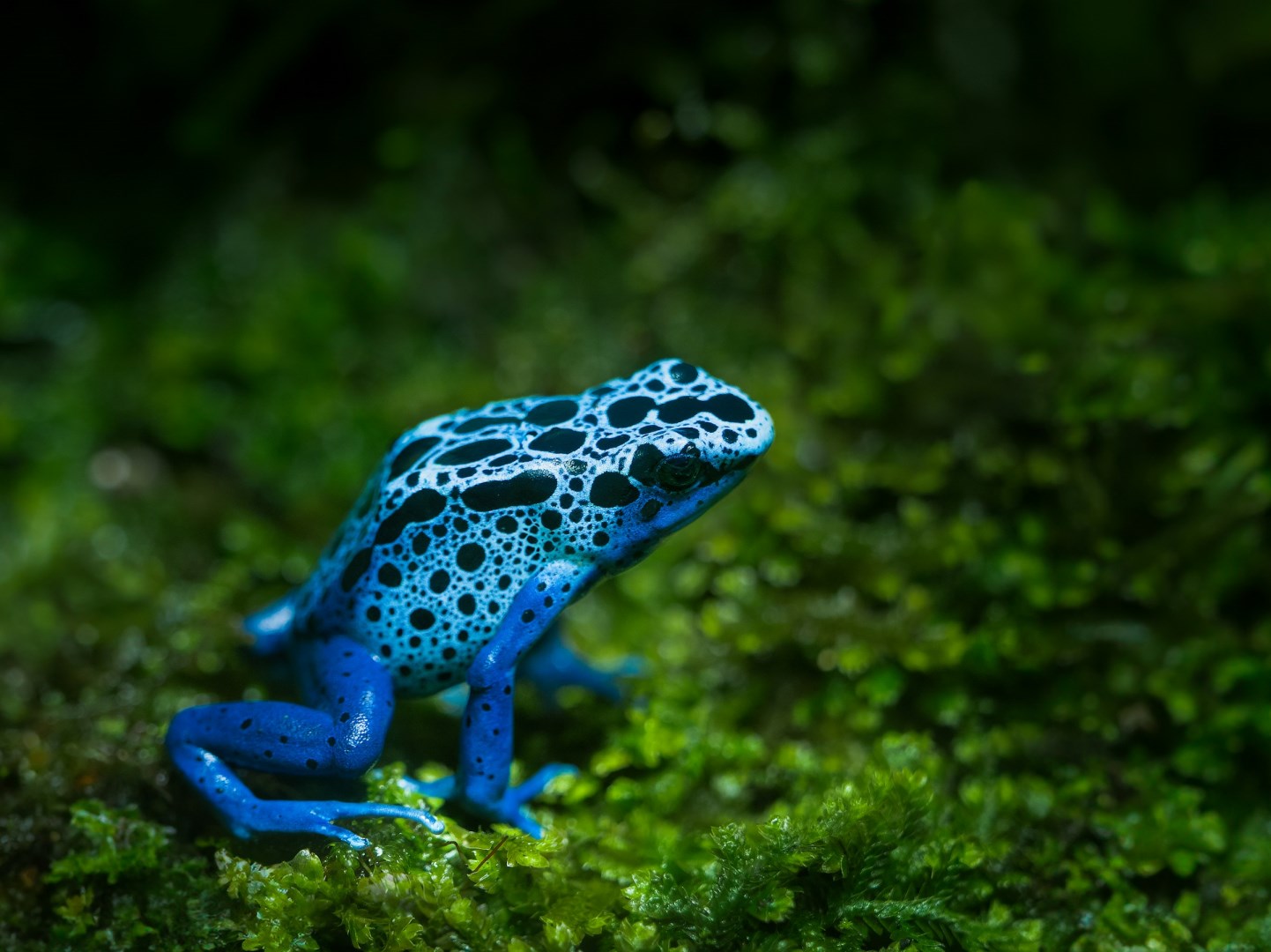
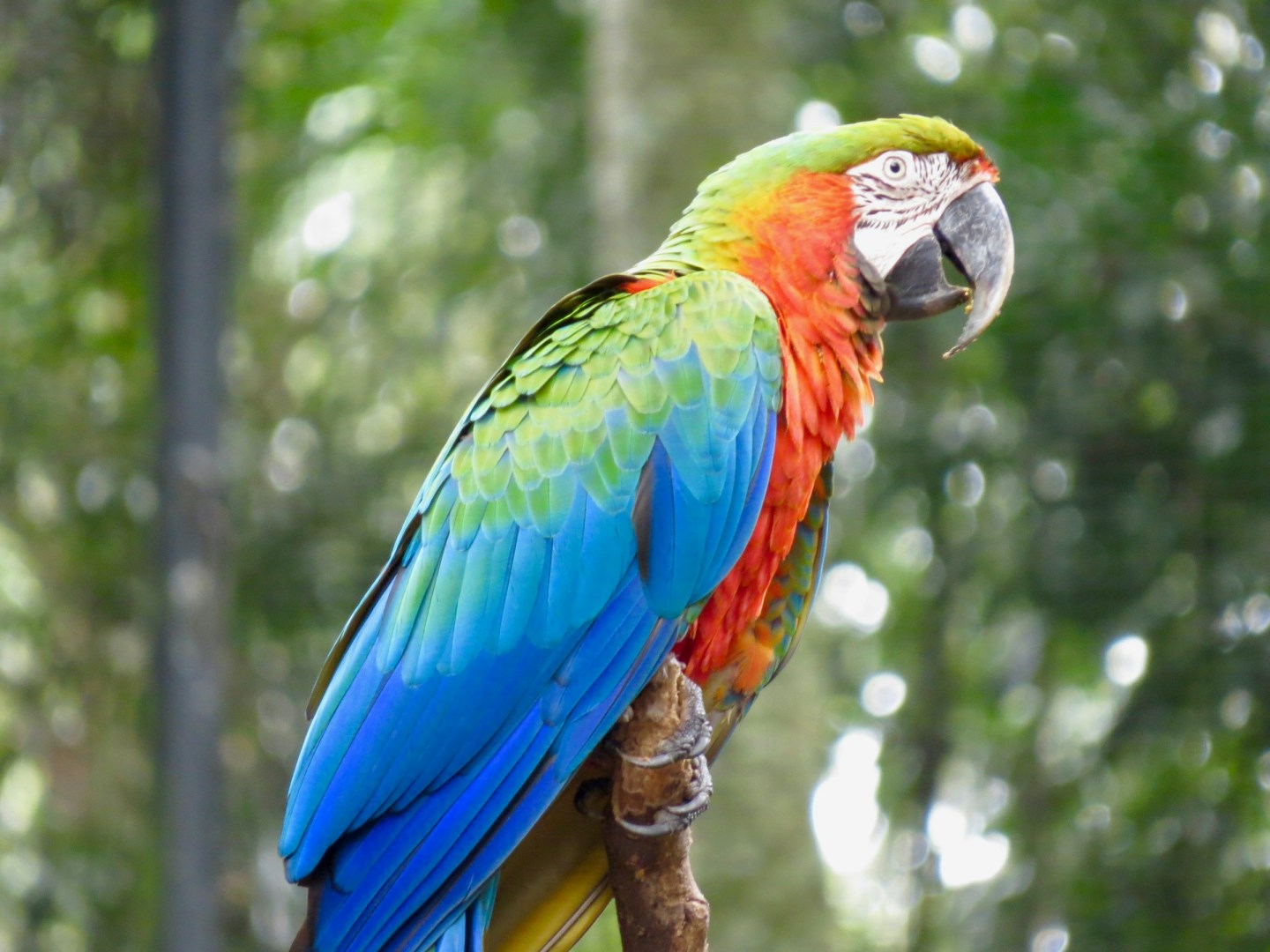
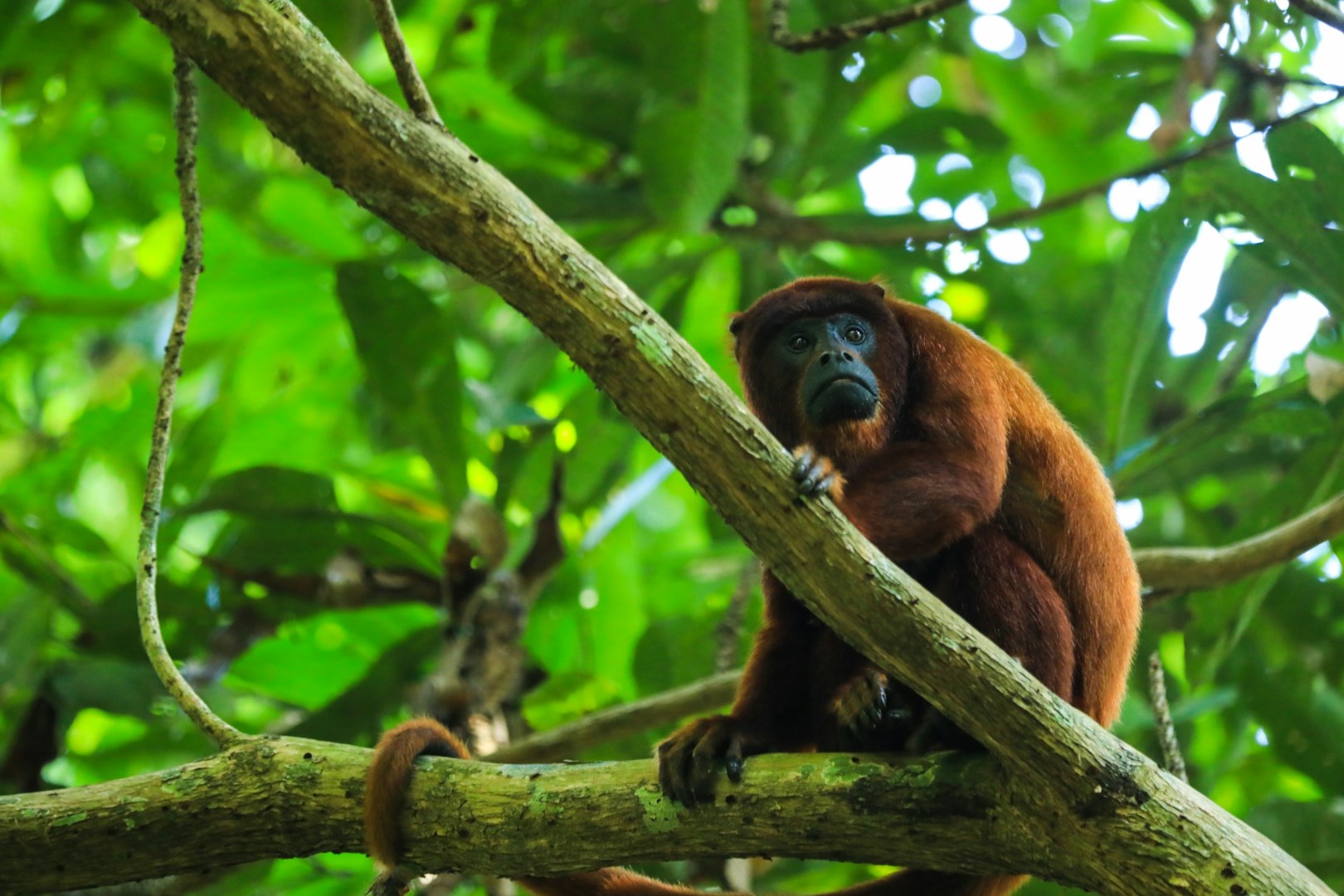
One of the highlights of visiting the Amazon Jungle is immersing yourself in its rich ecosystem. From guided boat tours along the meandering Amazon River to treks through dense jungle trails, the region offers unparalleled opportunities for wildlife spotting. Expect to encounter vibrant toucans, elusive jaguars, and playful pink river dolphins. For an in-depth exploration, you might consider a stay at an eco-lodge, where you can experience the forest's serenity while supporting sustainable tourism.
In addition to its natural splendor, the Amazon is a cultural treasure trove. Indigenous communities, such as the Yanomami and Kayapo, live in harmony with their environment and offer visitors unique insights into traditional practices and crafts. Engaging with these communities through responsible tourism initiatives helps preserve their heritage and fosters a deeper understanding of their way of life.
Fun Fact: The Amazon Rainforest is so vast that it influences global weather patterns. Its dense vegetation releases moisture into the atmosphere, which helps regulate the Earth's climate. So, by visiting the Amazon, you're not only experiencing its natural beauty but also contributing to the health of the planet.
Whether you're an adventure seeker or a nature enthusiast, the Amazon Jungle offers an unparalleled journey into one of the world's most vital and vibrant ecosystems.