Ardagger
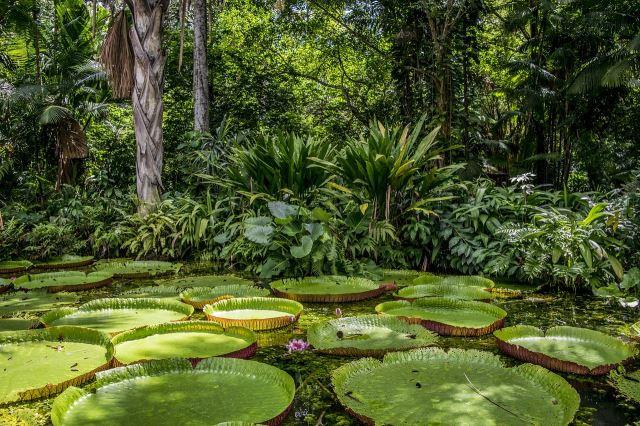
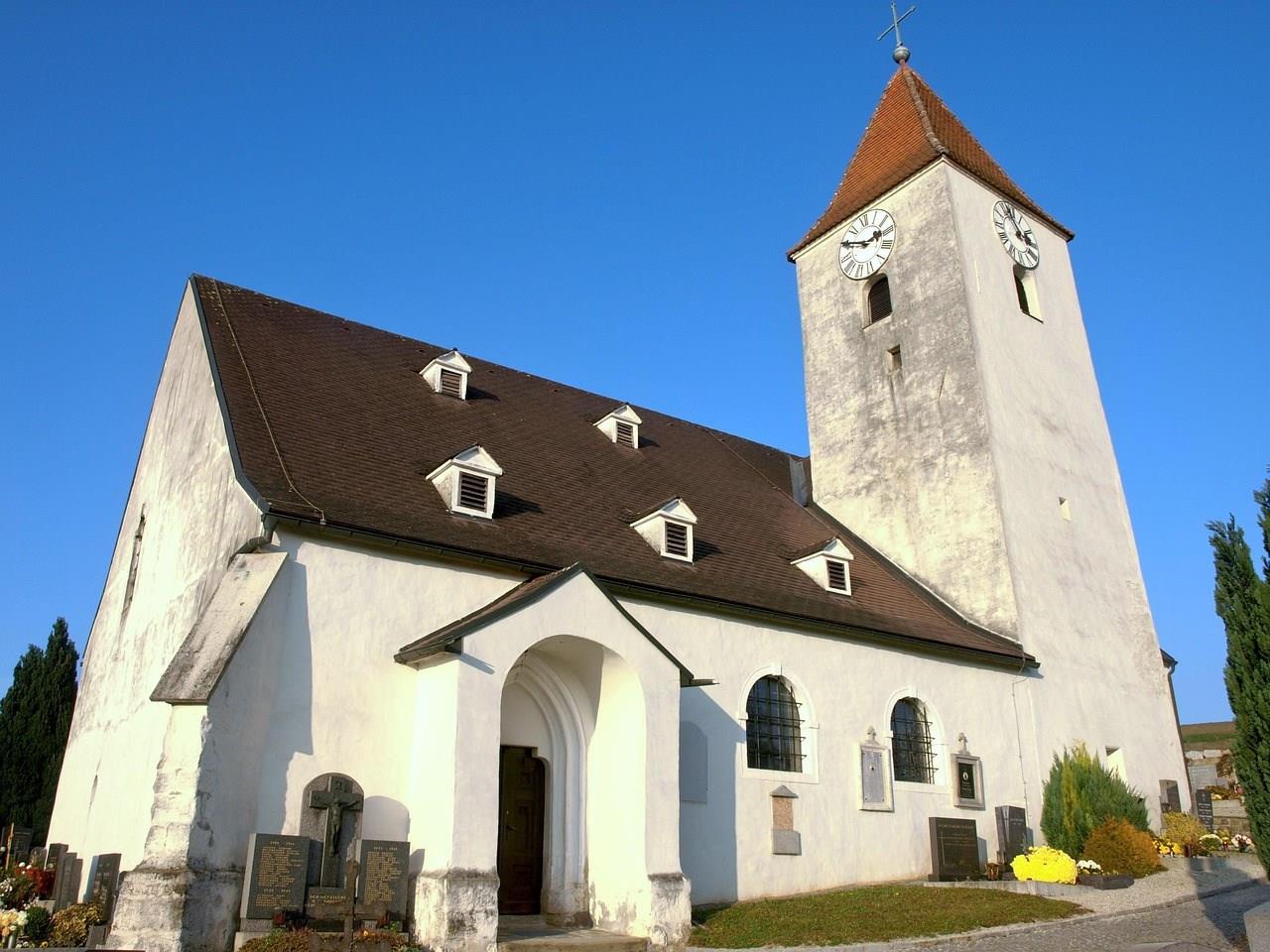
Ardagger provides a charming escape from Austria’s larger cities. Whether exploring the abbey, enjoying the riverfront, or sampling local dishes, visitors will find plenty of reasons to appreciate this peaceful corner of Lower Austria.
KwaZulu-Natal
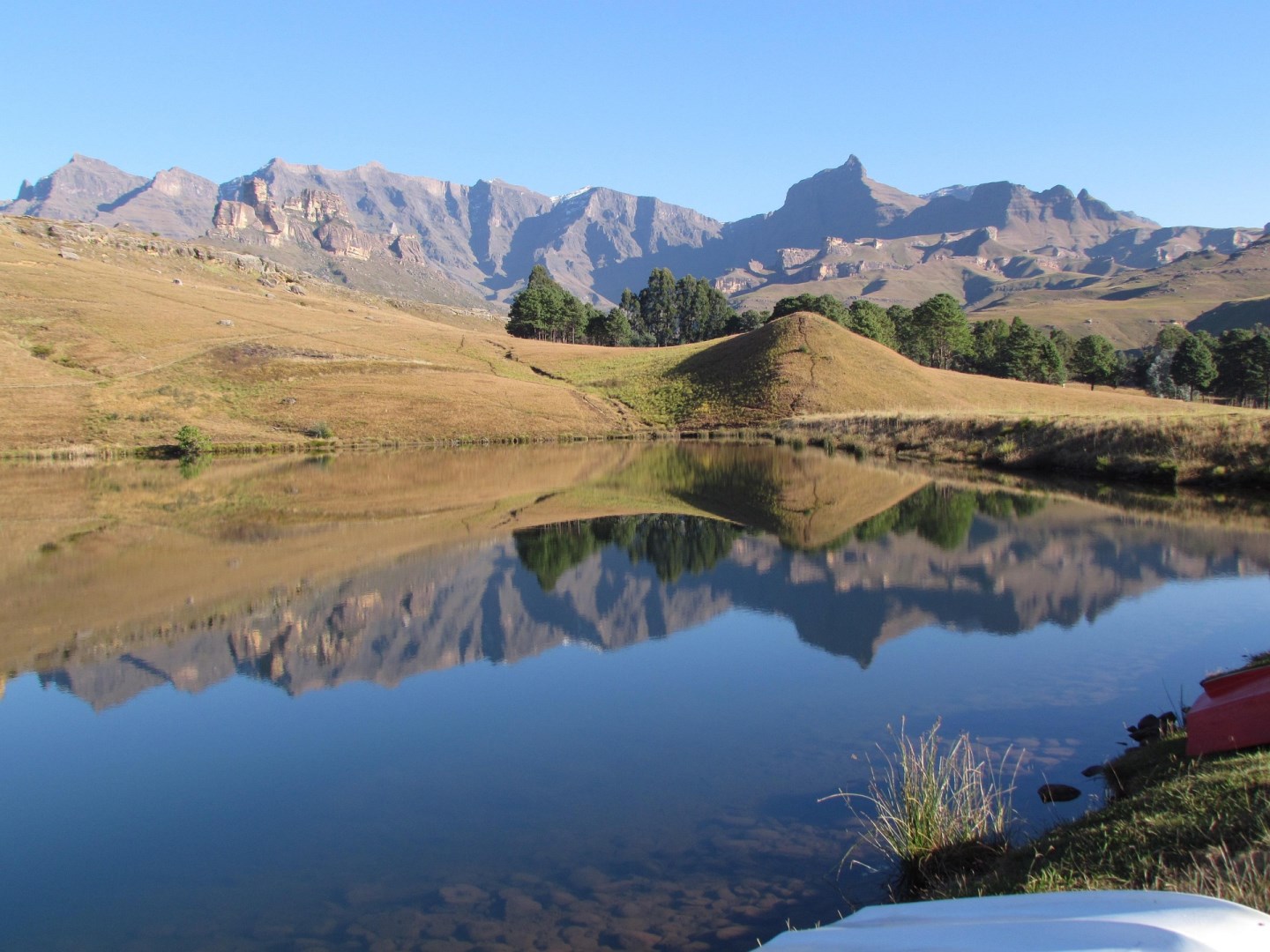
KwaZulu-Natal is a province on South Africa’s east coast, stretching from the Indian Ocean beaches around Durban to the mountains of the Drakensberg and the savanna of the interior. Its landscapes include subtropical forests, grasslands, wetlands, estuaries, sugarcane fields, and protected wildlife areas.
San Luis Obispo
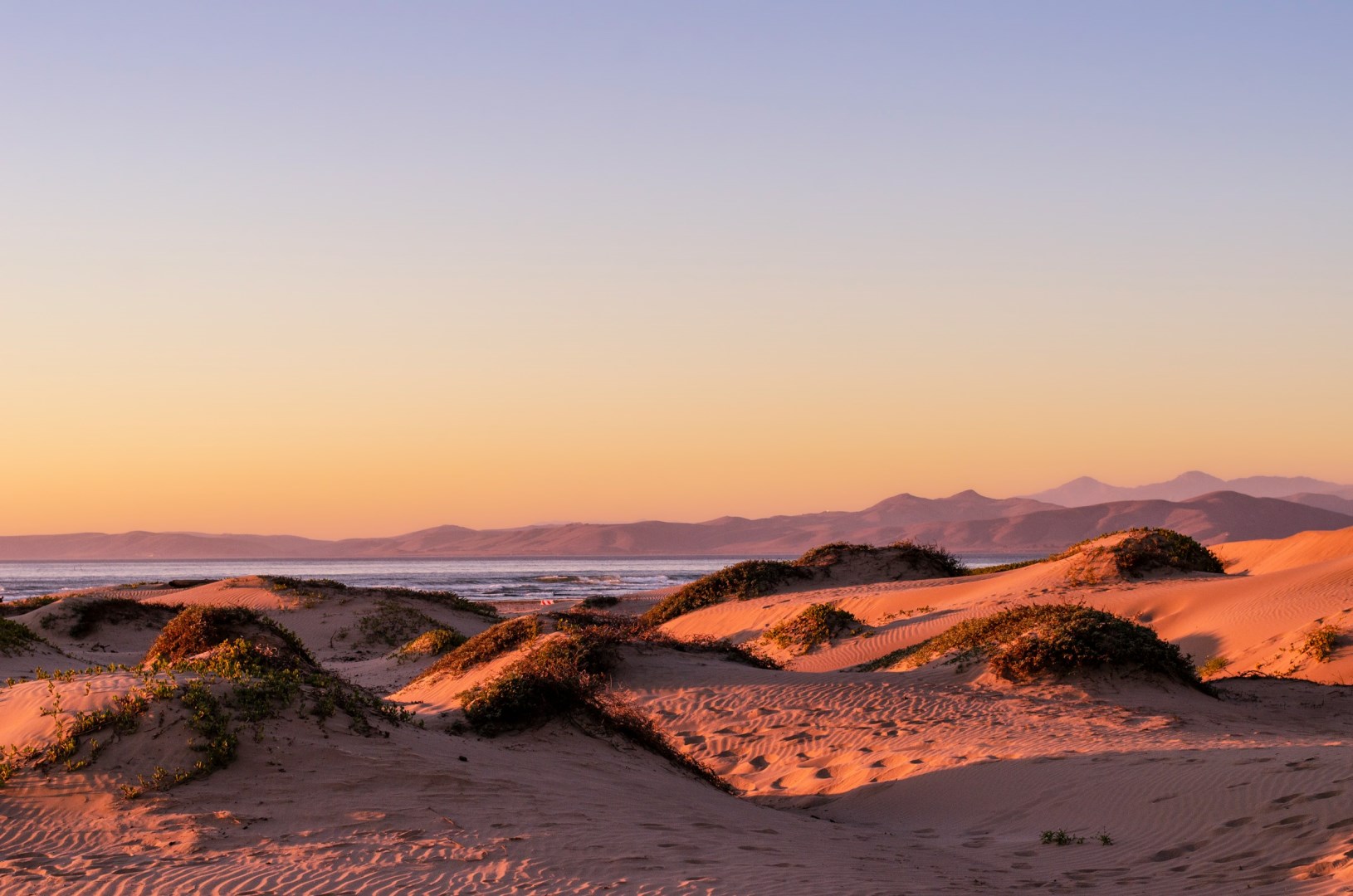
San Luis Obispo is a city on California’s Central Coast, set between the Santa Lucia Mountains and the Pacific Ocean. Its location in a sheltered valley gives the community a landscape of oak-covered hills, vineyards, creeks, and agricultural land, while the coast is within easy reach to the west. Downtown San Luis Obispo centers on a historic Spanish mission and a compact collection of shops, restaurants, and public spaces.

Spitzkoppe
Spitzkoppe, often referred to as the "Matterhorn of Namibia," is a stunning granite peak rising majestically from the desert floor, offering some of the most dramatic landscapes in the country. Located between Usakos and Swakopmund, this isolated mountain range, with its highest point standing at 1,728 meters, is a paradise for hikers, climbers, and nature lovers. The area is also rich in ancient San rock art, providing visitors with a glimpse into Namibia's prehistoric past.
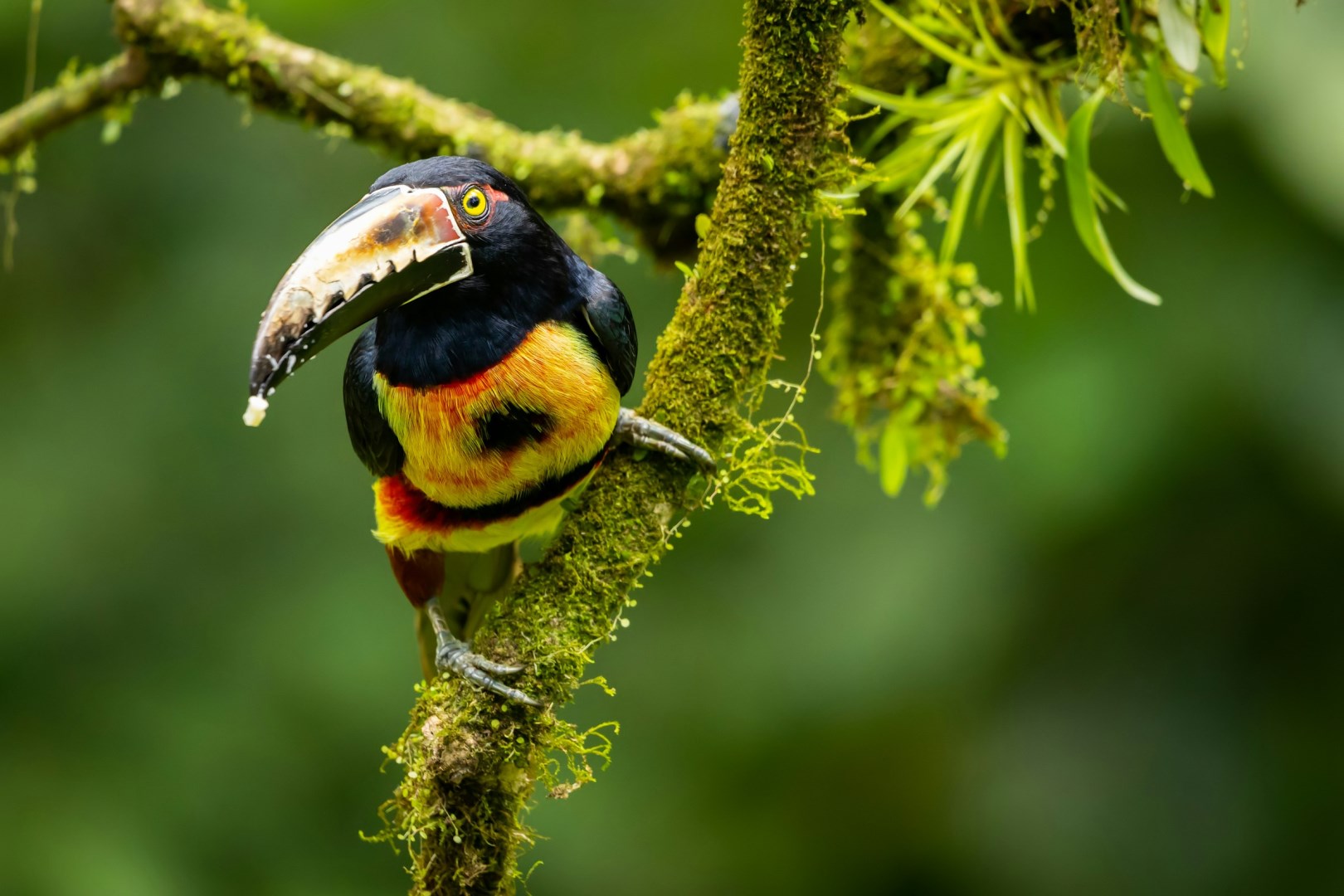
Guápiles
Guápiles is a regional city in Limón Province on Costa Rica's Caribbean slope, positioned between the Central Valley and the lowlands of the Caribbean coast. Its warm, humid climate supports lush vegetation, banana plantations, pastures, and tropical gardens, while the surrounding landscape includes rivers and forested foothills.