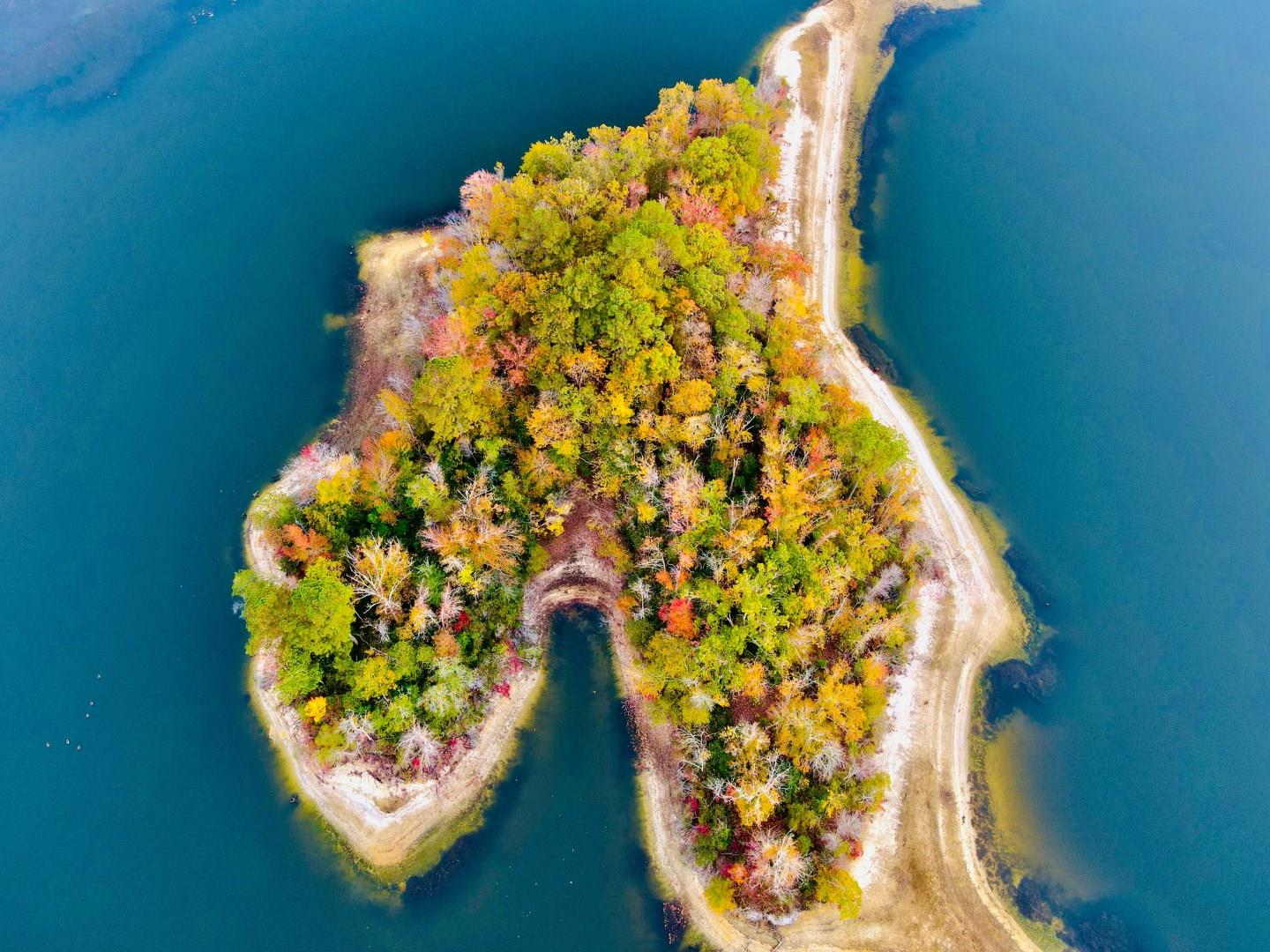
Williamsburg
Williamsburg, Virginia offers visitors the unusual opportunity to walk through a fully reconstructed 18th-century city. As the capital of the Virginia Colony from 1699 to 1780, Williamsburg played a key role in early American politics and daily life. Today, Colonial Williamsburg spans over 300 acres and includes historic buildings, working tradespeople, and costumed interpreters who bring the Revolutionary era to life.
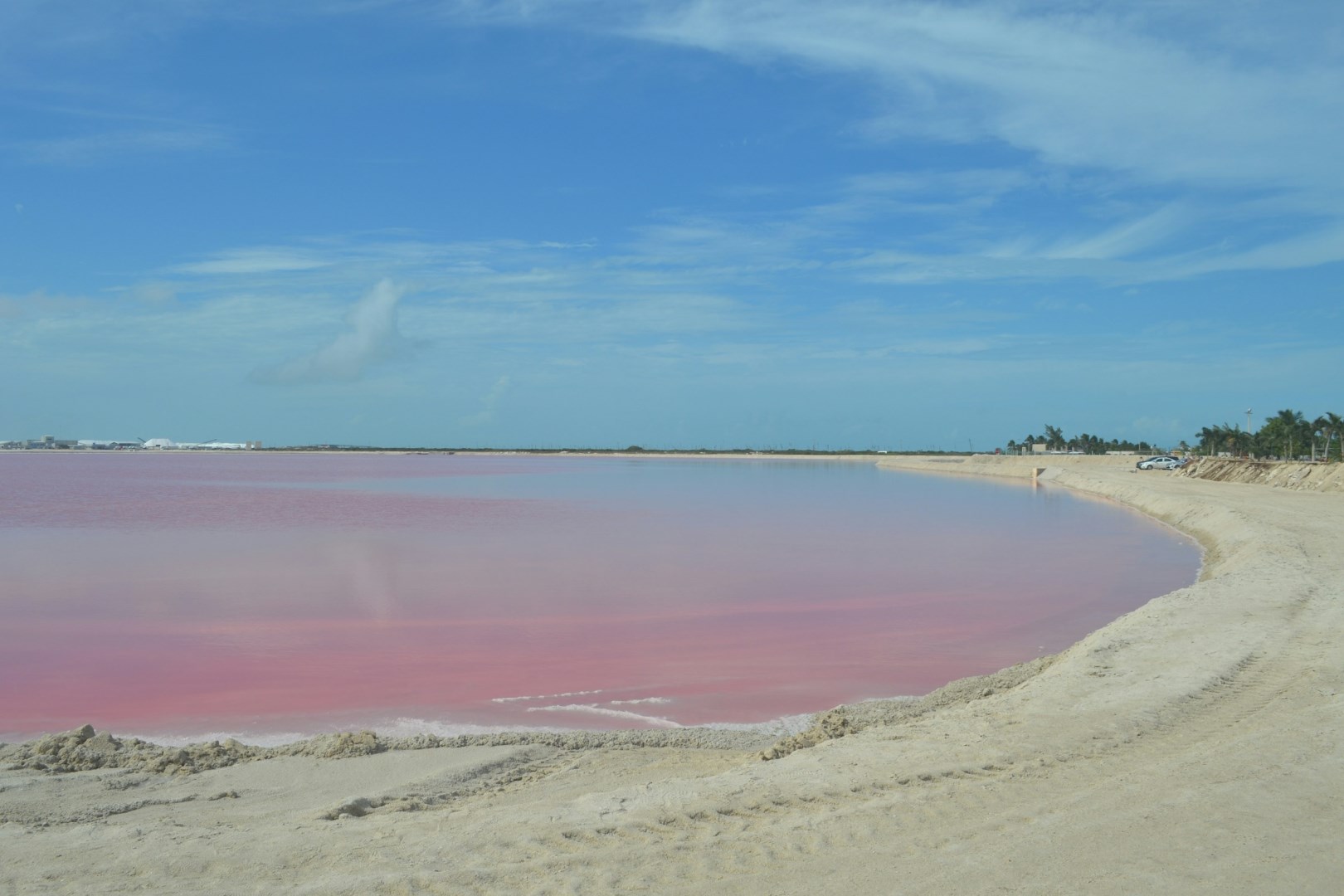
Las Coloradas
This small fishing town was put on the map by social media influencers. The area's main attraction is its pink lakes, where boat tours cruise the water among the birds, crocodiles, and flamingos.
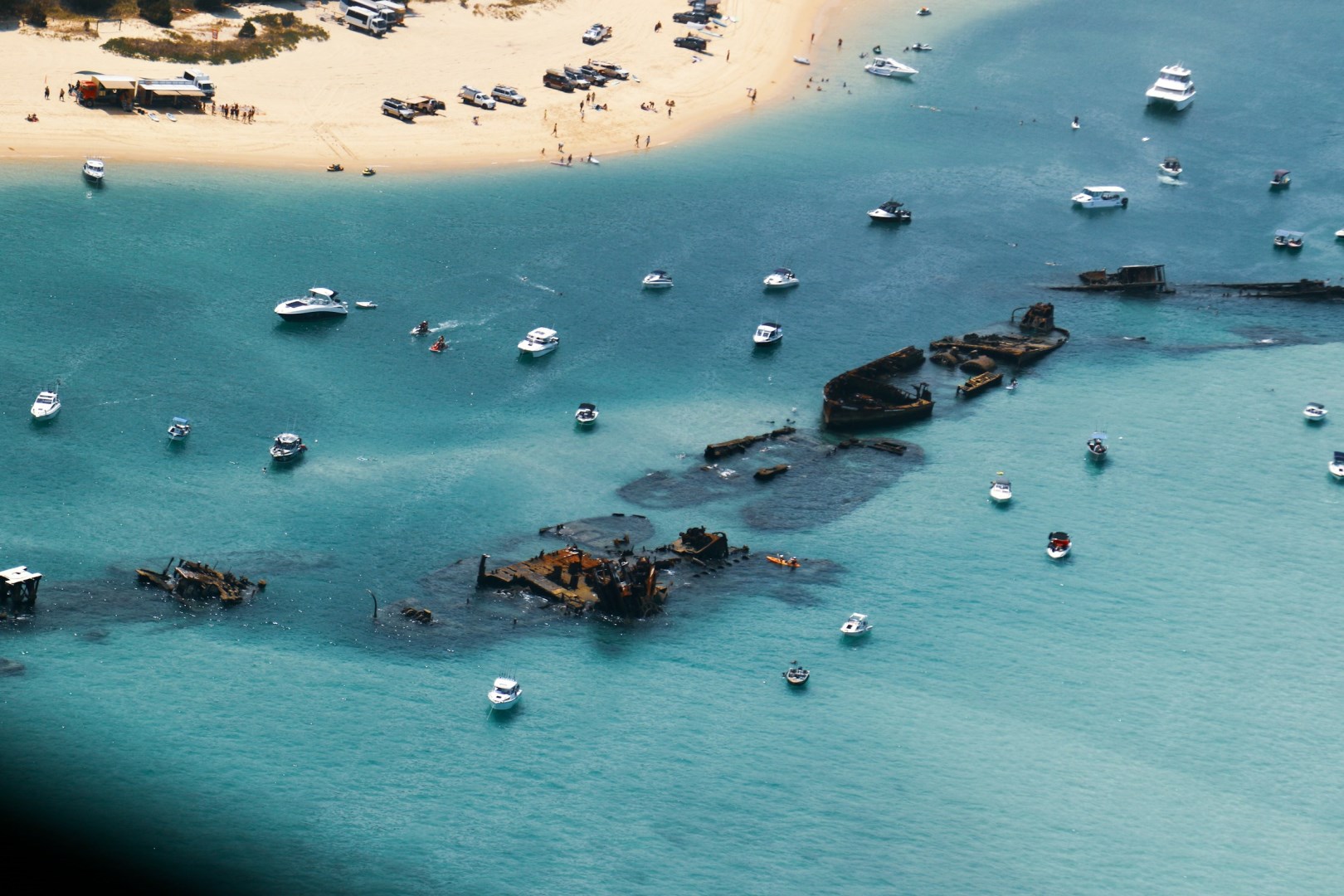
Moreton Island
There is a whole host of wildlife on Moreton Island which you can see on the numerous beaches, and along the walking and 4WD trails. Many wading birds can be found on the island, in particular between September and April when many birds migrate from other countries. You may also be lucky enough to see Green and Loggerhead Turtles which often nest between November - February.

Colombo
Colombo, the commercial capital of Sri Lanka, is a vibrant city where colonial architecture meets modern skyscrapers. Visitors can explore historic sites such as the Gangaramaya Temple, the Dutch Hospital, and the Colombo National Museum, which reflect the city’s rich cultural heritage and diverse history.
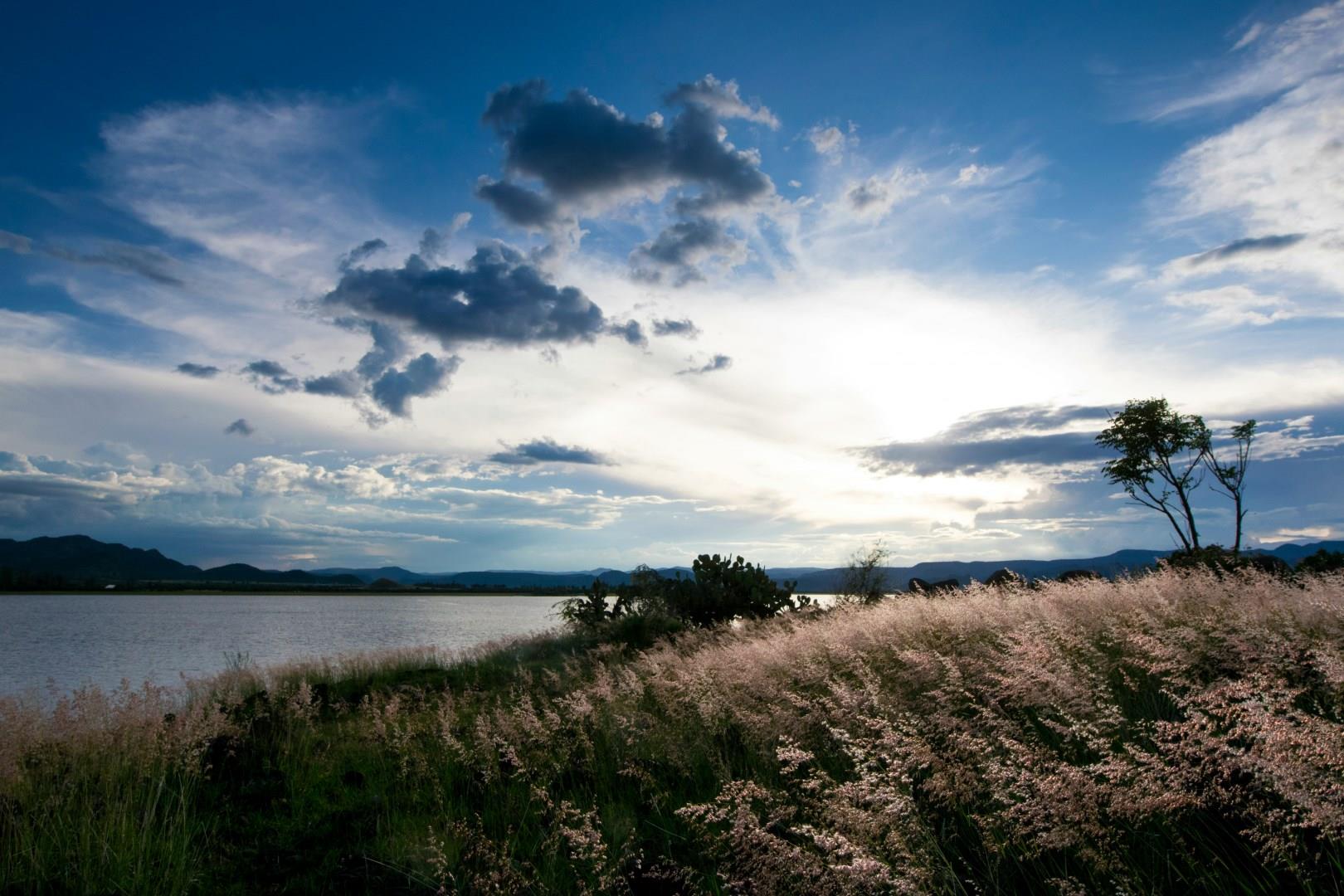
Durango
Durango, located in north-central Mexico, is a destination rich in history, dramatic landscapes, and cultural traditions that date back centuries. Once a key outpost during Spanish colonization, Durango played an important role in the development of northern Mexico. The city of Victoria de Durango, the state capital, features cobblestone streets and more than 1,000 officially registered historical structures.