Manila
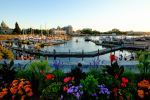
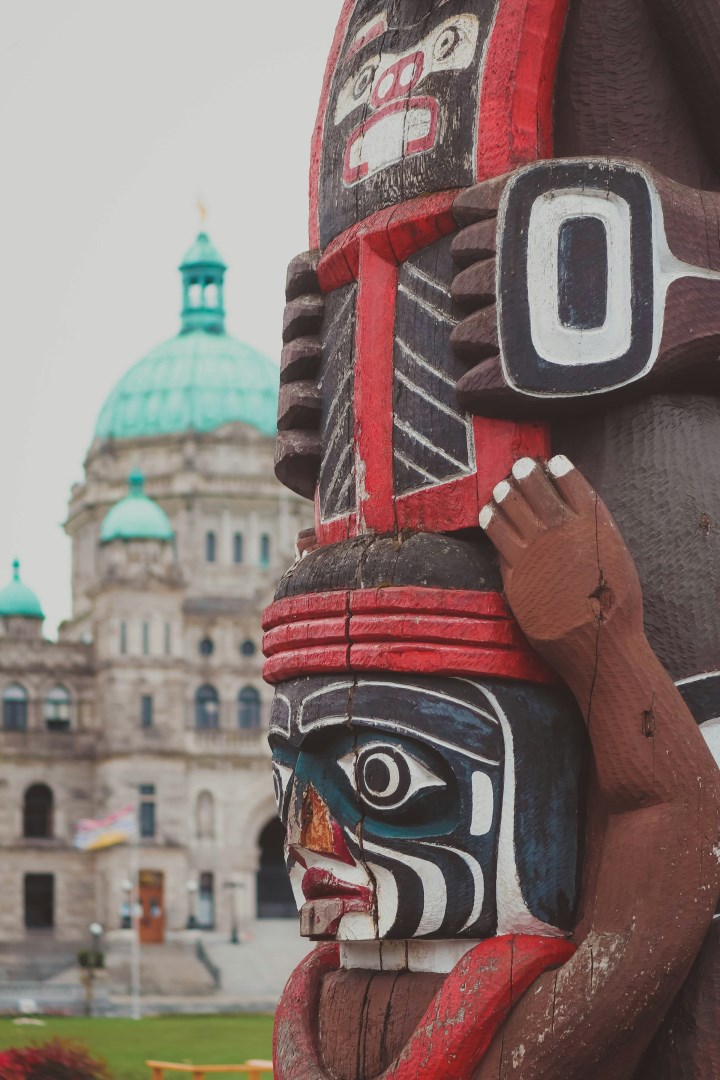
Manila is the capital of the Philippines and a densely built city on the eastern shore of Manila Bay. It serves as a major center for government, commerce, education, and the arts, while its neighborhoods reveal different layers of Filipino life. The Pasig River connects the city to the wider metropolitan area, and the waterfront remains an important part of its setting. Manila is especially known for Intramuros, the walled historic district at the heart of the city.
Göreme
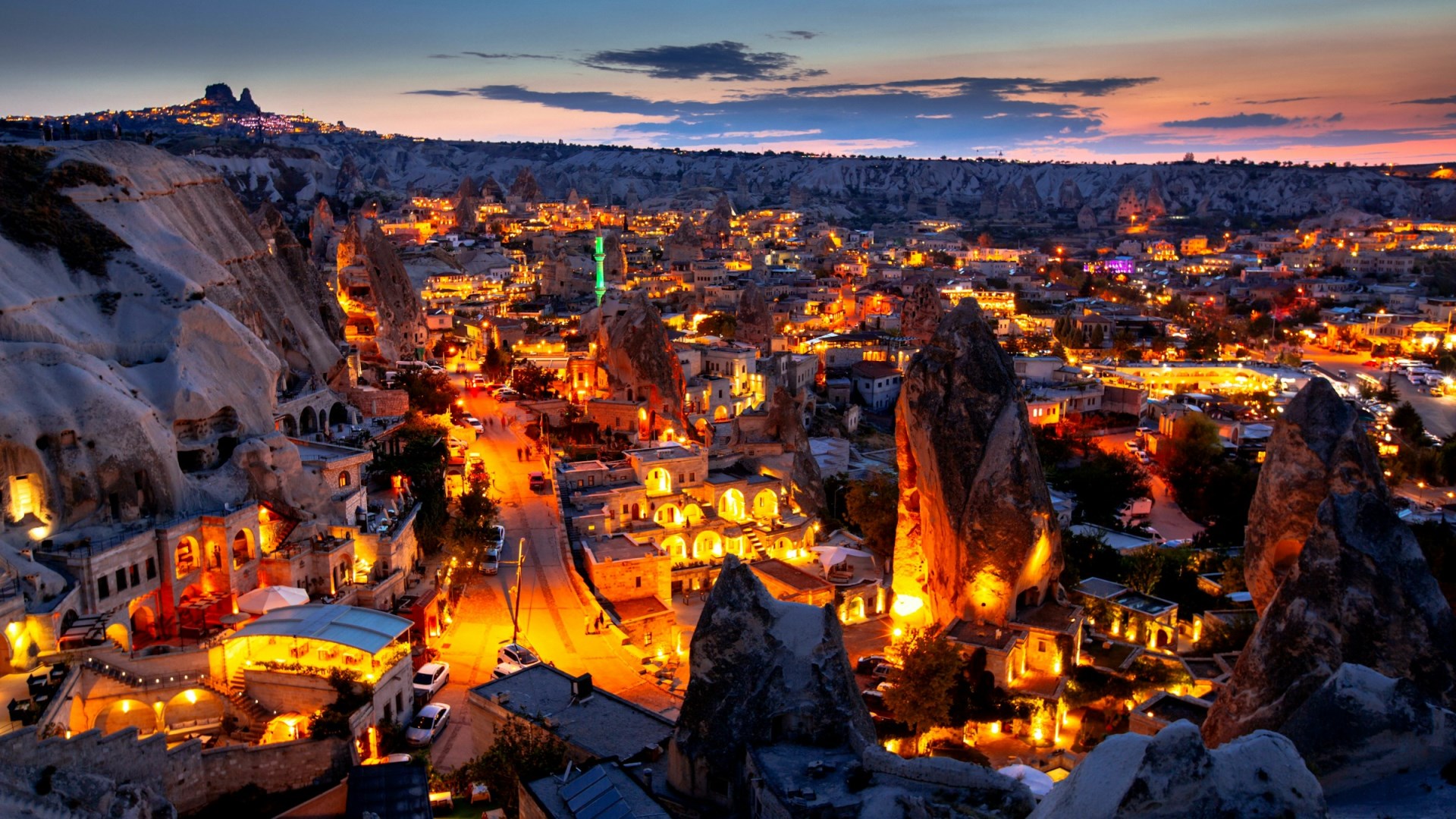
Göreme is a small town in Türkiye's Cappadocia region, surrounded by a landscape of volcanic rock formations, valleys, and distinctive fairy chimneys. The soft tuff rock was shaped by erosion into pillars, cliffs, and sheltered valleys, while people carved homes, churches, storage rooms, and other spaces directly into the rock.
Chamarel
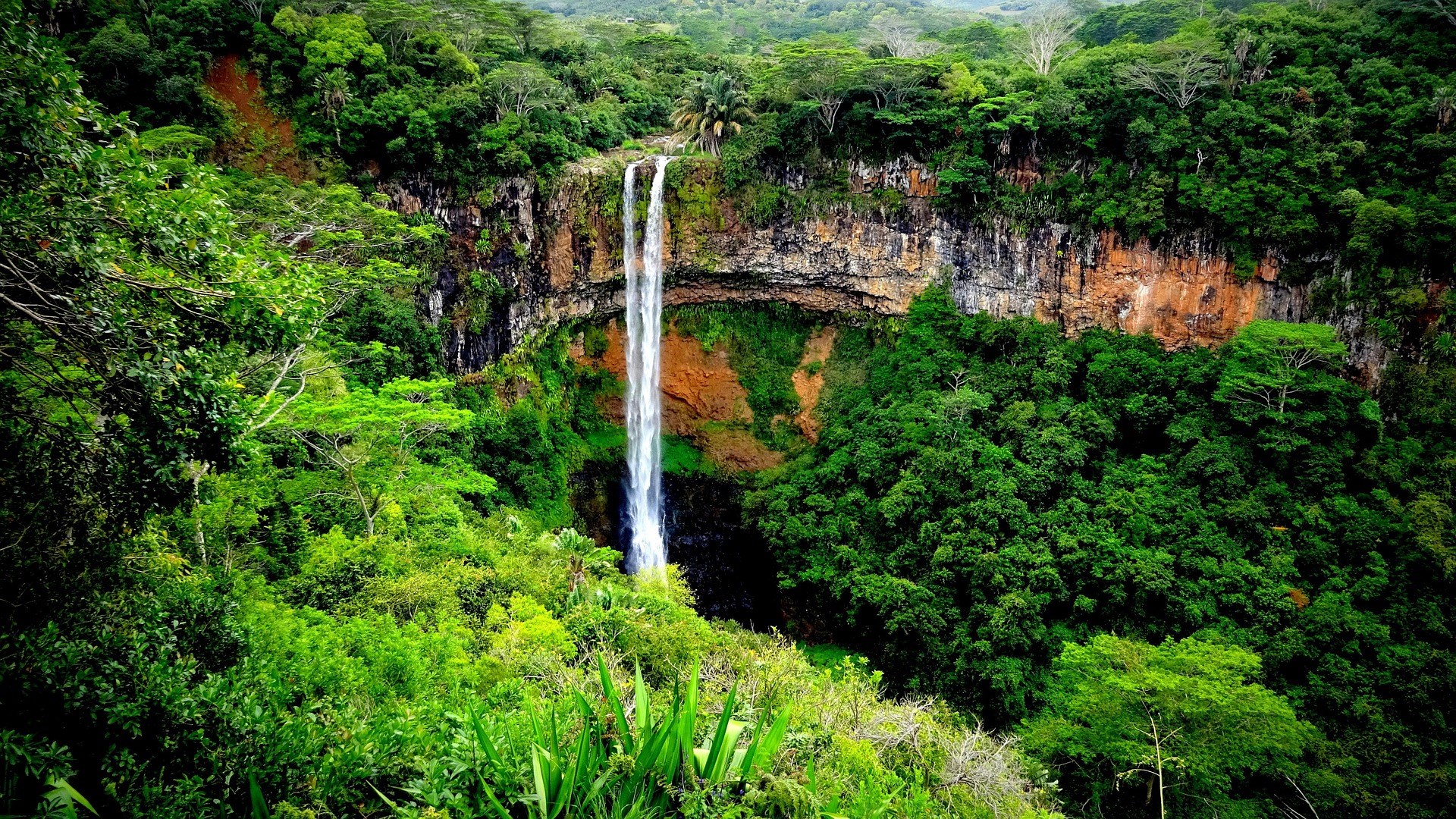
Chamarel is a mountain village in southwestern Mauritius, surrounded by forested slopes, volcanic terrain, and agricultural land. Its elevated position gives the area a cooler, wetter setting than much of the coast, while its location near Black River Gorges National Park places it within one of the island’s main protected landscapes.
Humahuaca
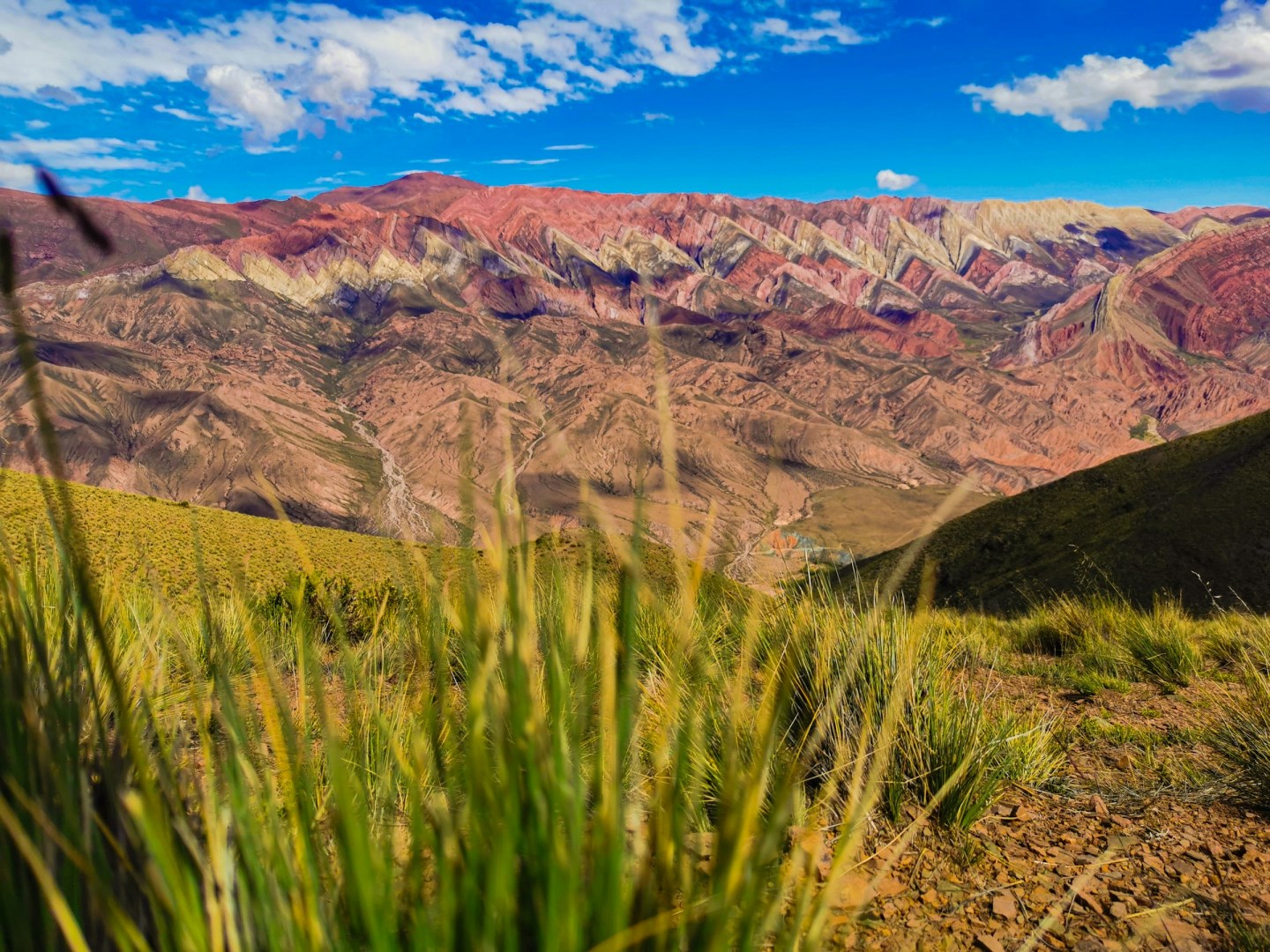
Humahuaca is a small town in northern Argentina’s Jujuy Province, located in the Quebrada de Humahuaca, a long mountain valley shaped by the Río Grande. Its setting among dry, multicolored mountains gives the town a distinct Andean character. Narrow streets, adobe buildings, and traditional plazas reflect the region’s strong connection to Indigenous and colonial heritage. Humahuaca also serves as a cultural and transport center for communities across the surrounding highlands, where agriculture,
Boumalne Dades
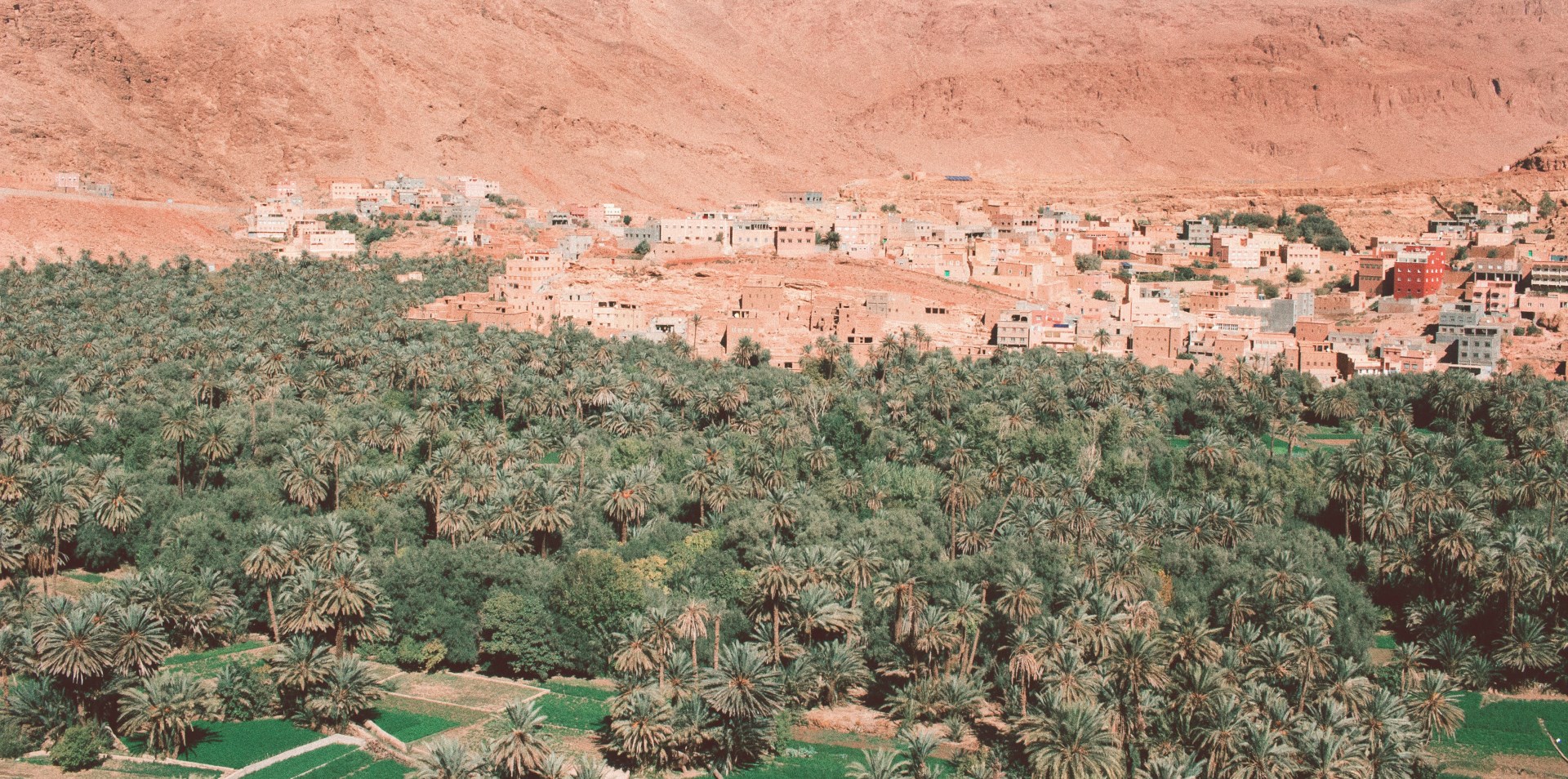
At the edge of the High Atlas Mountains, Boumalne Dades stands as a gateway to one of Morocco’s most striking landscapes. The town stretches along a broad valley where the Dades River cuts through layers of red and ochre rock. This setting creates a dramatic backdrop that shifts in color throughout the day. Travelers often arrive here as a stopping point, but many stay longer after discovering the slower rhythm of village life and the easy access to nearby valleys and gorges.