Doha presents a journey where heritage and modern design intersect gracefully. The Museum of Islamic Art, designed by I. M. Pei, rises from the Corniche and houses ceramics, textiles, manuscripts, and metalwork spanning fourteen centuries. Nearby, the National Museum of Qatar, shaped like a desert rose, narrates the country's story through immersive exhibits and architecture by Jean Nouvel. These institutions offer perspectives on both art and national identity.
The Isle of Man, nestled in the Irish Sea between Great Britain and Ireland, offers visitors a blend of rich history and distinctive culture. Known for its ancient Celtic and Viking roots, the island’s heritage can be explored through sites like Peel Castle, built on a rocky island in the harbor of Peel, and the ancient Manx museums scattered throughout.
Sighisoara rises above the Târnava Mare River as one of the few medieval citadels in Europe that is still lived in and admired today. Its historic center has been on the UNESCO World Heritage List since 1999, recognized for its long history as a fortified Saxon settlement and its role in trade and defense on the edges of central Europe. Wander through cobbled alleys framed by pastel-colored houses, and the layers of time feel close at hand, from the city walls and guild towers to busy cafés.
Jekyll Island, one of Georgia’s Golden Isles, is a barrier island with a story that stretches from ancient Indigenous cultures to Gilded Age millionaires. Today, it’s a state park carefully preserved for public enjoyment, offering a quiet blend of coastal landscapes, historic landmarks, and outdoor activities. With only a limited number of commercial developments allowed, the island maintains a peaceful, uncrowded atmosphere that’s hard to find on most Southeastern beaches.
Most commonly reached via travel from Cusco, Ollantaytambo is an Incan archaeological site in the Sacred Valley of southern Peru. The town dates from the late 15th century and is home to some of the oldest continuously-occupied dwellings in South America.
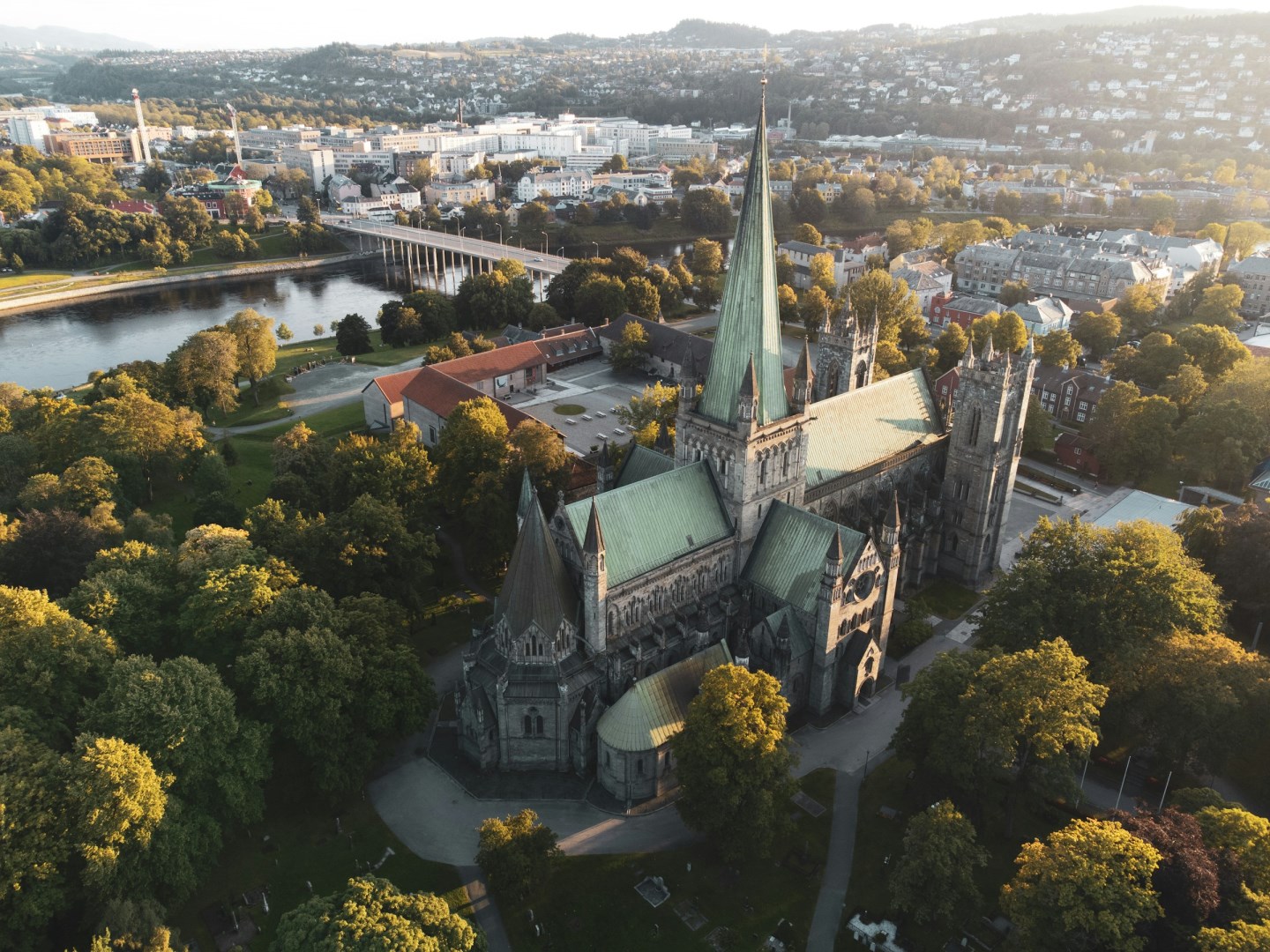
Nestled along the Trondheim Fjord in central Norway, Trondheim offers a captivating blend of rich history and vibrant modern life. As Norway’s first capital, Trondheim boasts a legacy that includes the striking Nidaros Cathedral, an iconic landmark whose construction began in the 11th century. This majestic cathedral, the northernmost medieval cathedral in the world, serves as a pilgrimage site and offers breathtaking Gothic architecture and intricate stained glass windows.
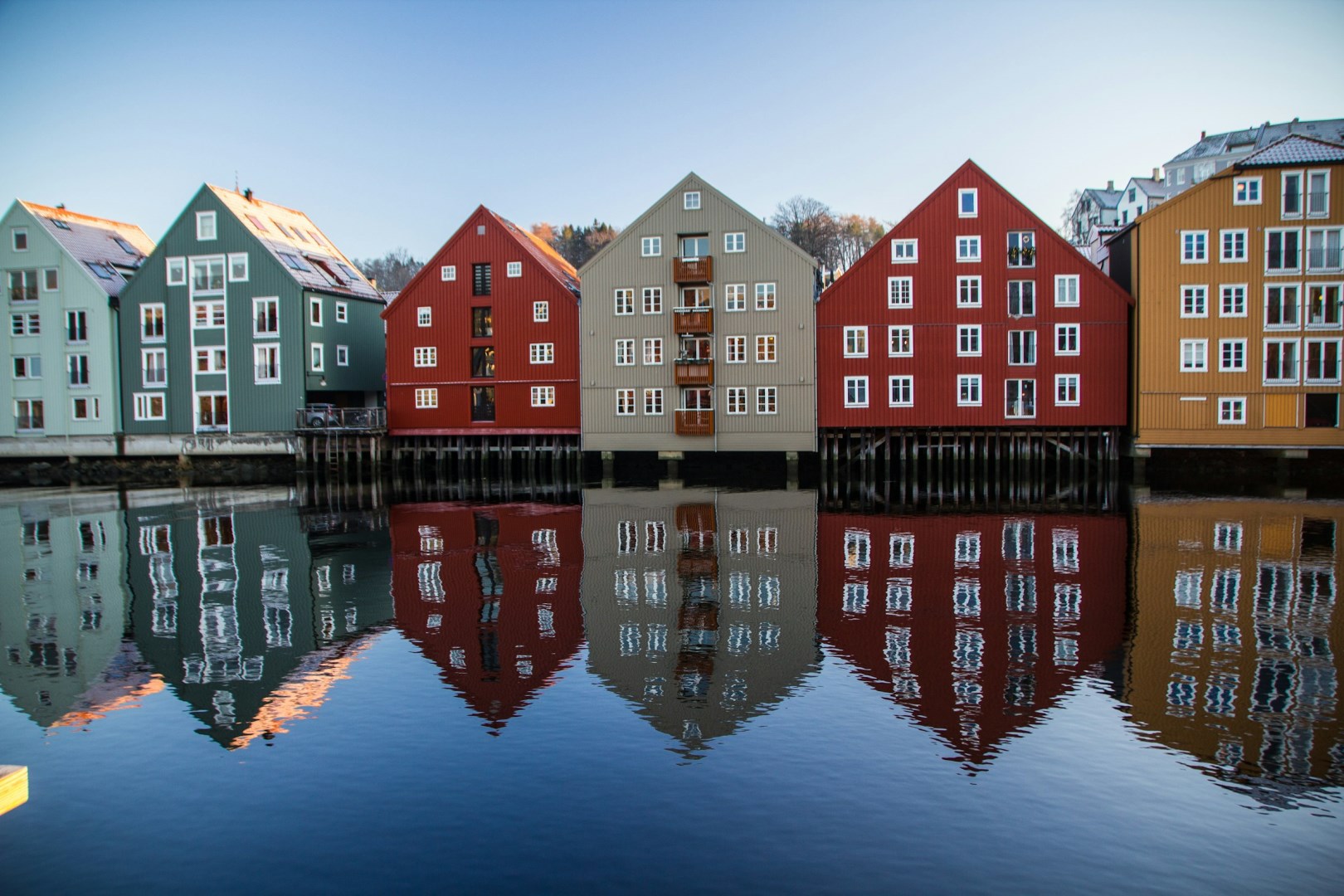
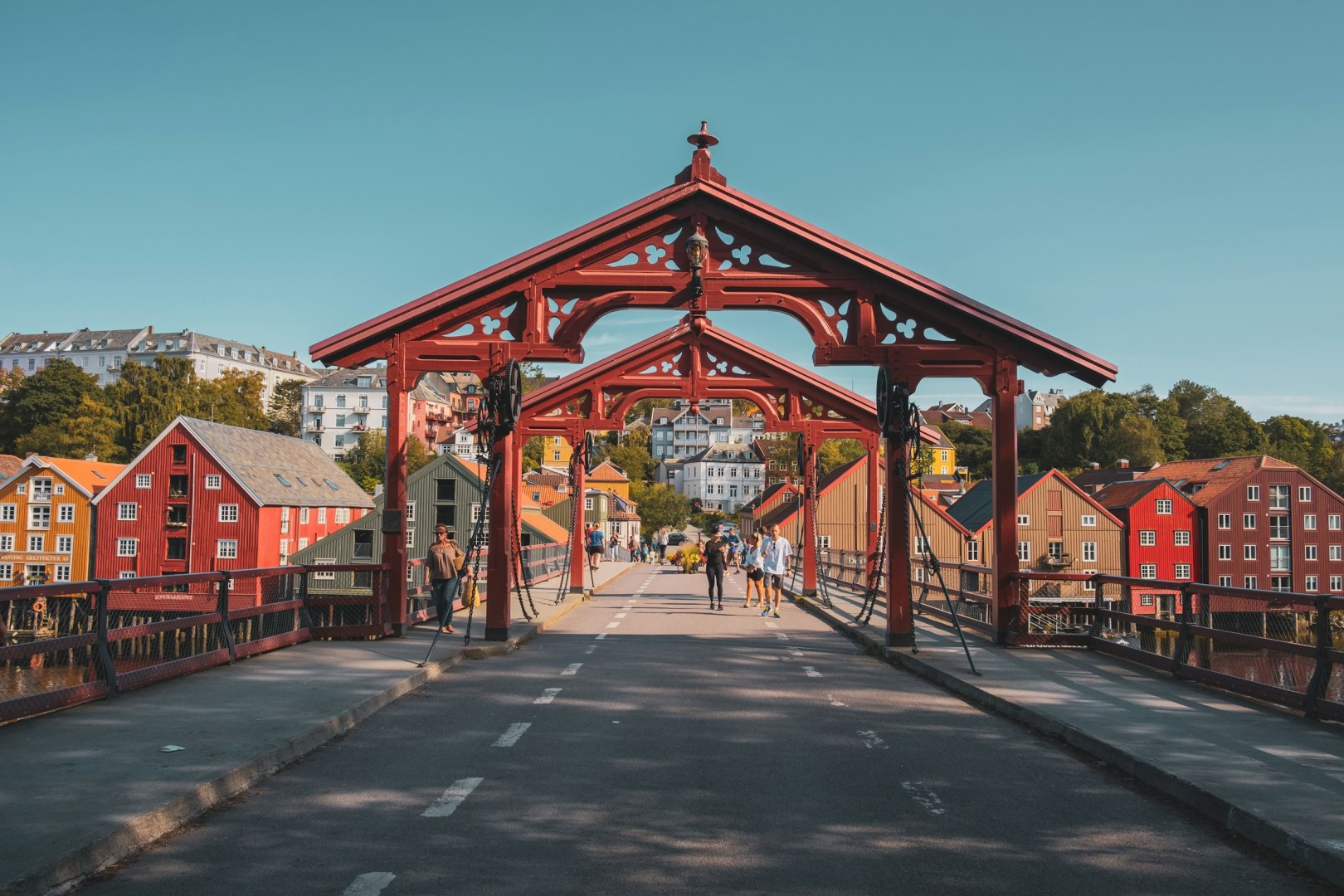
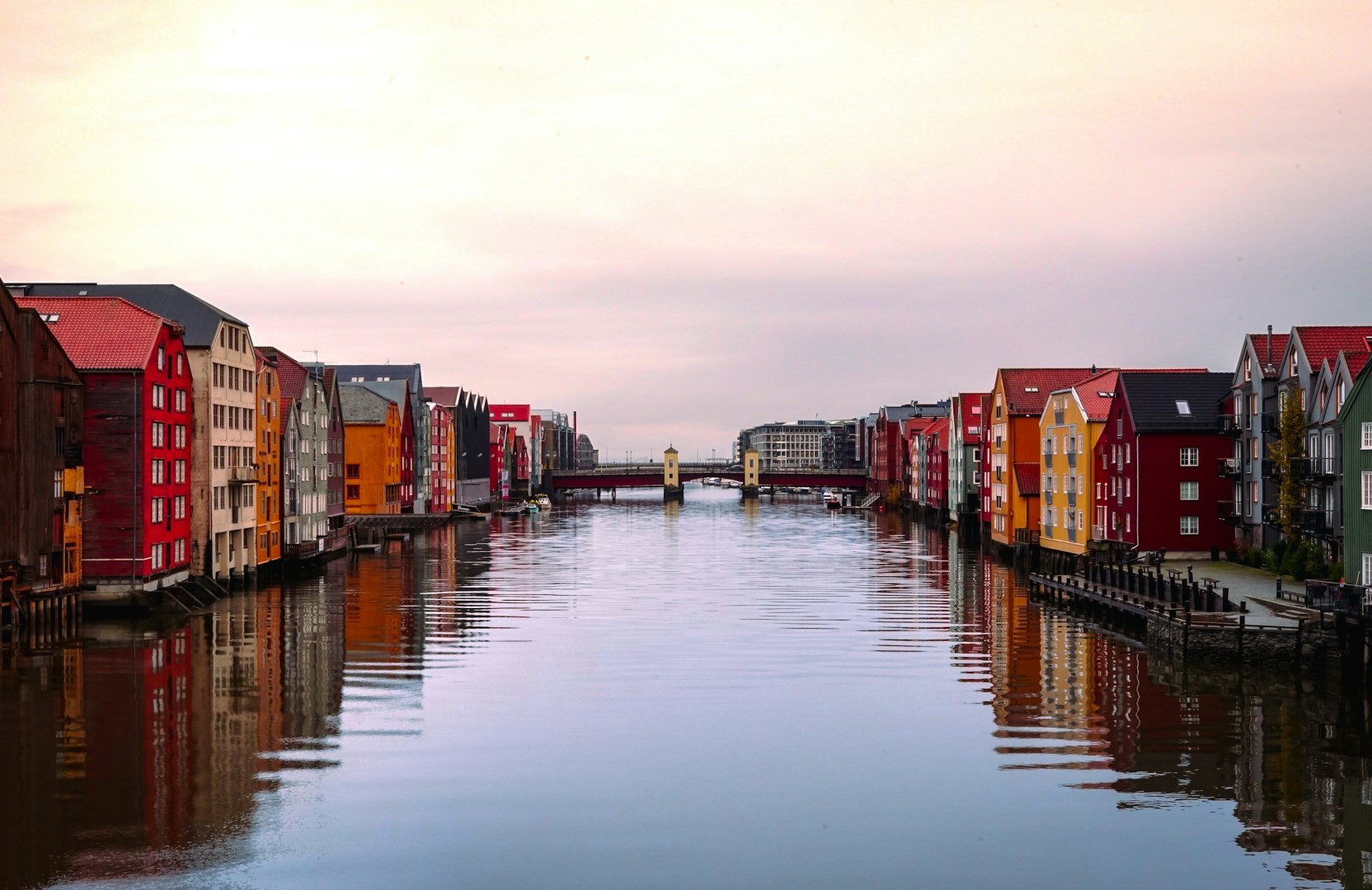
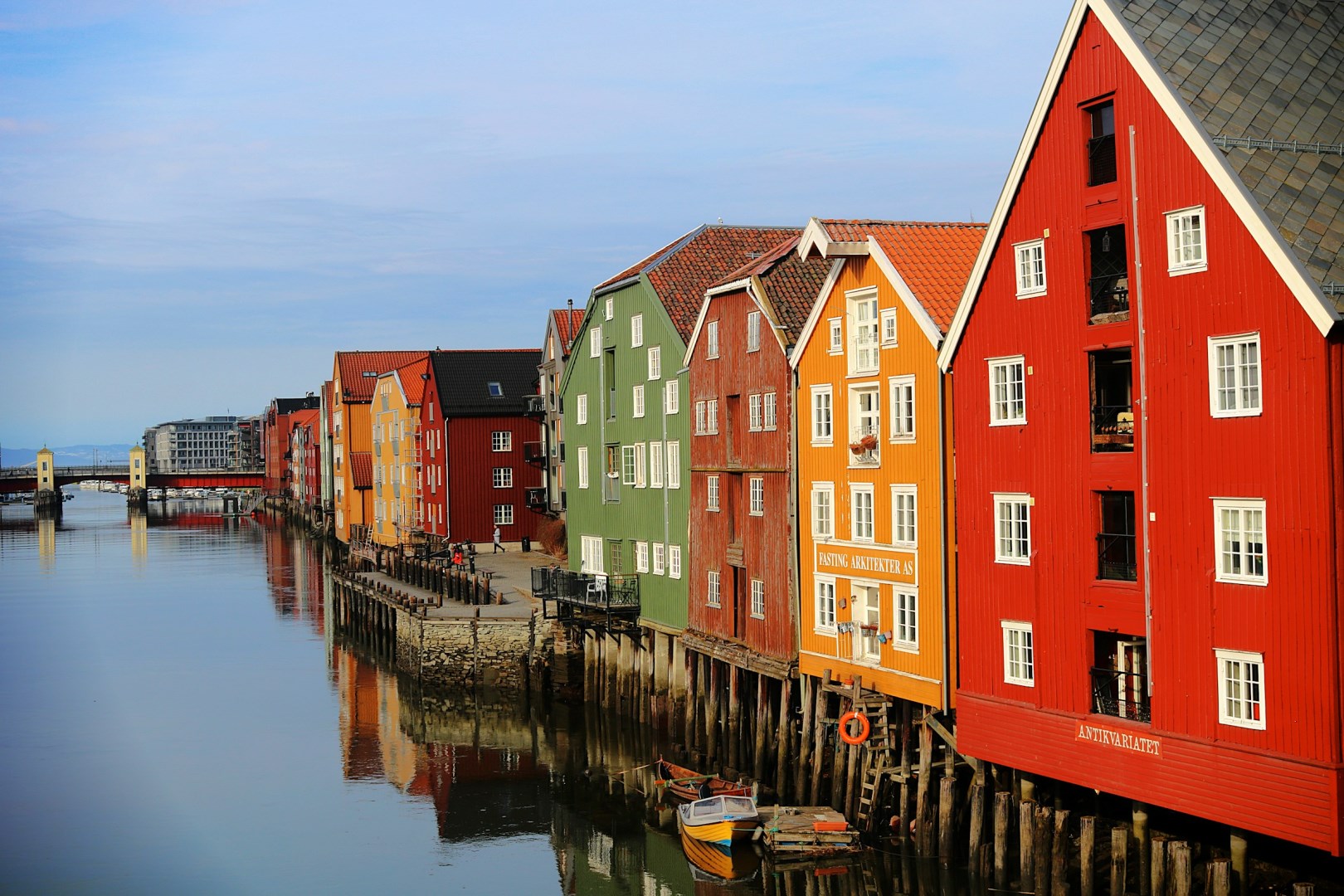
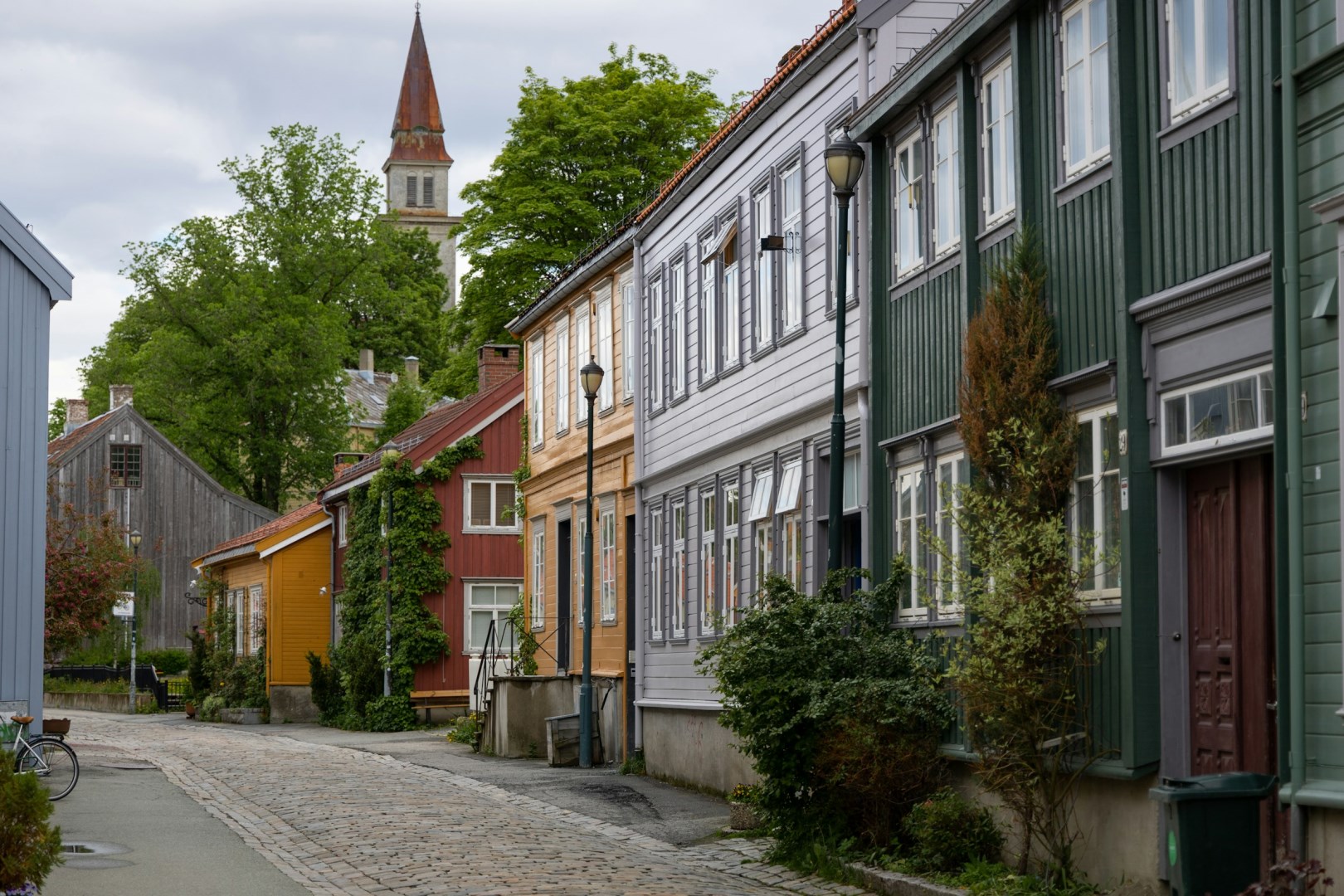
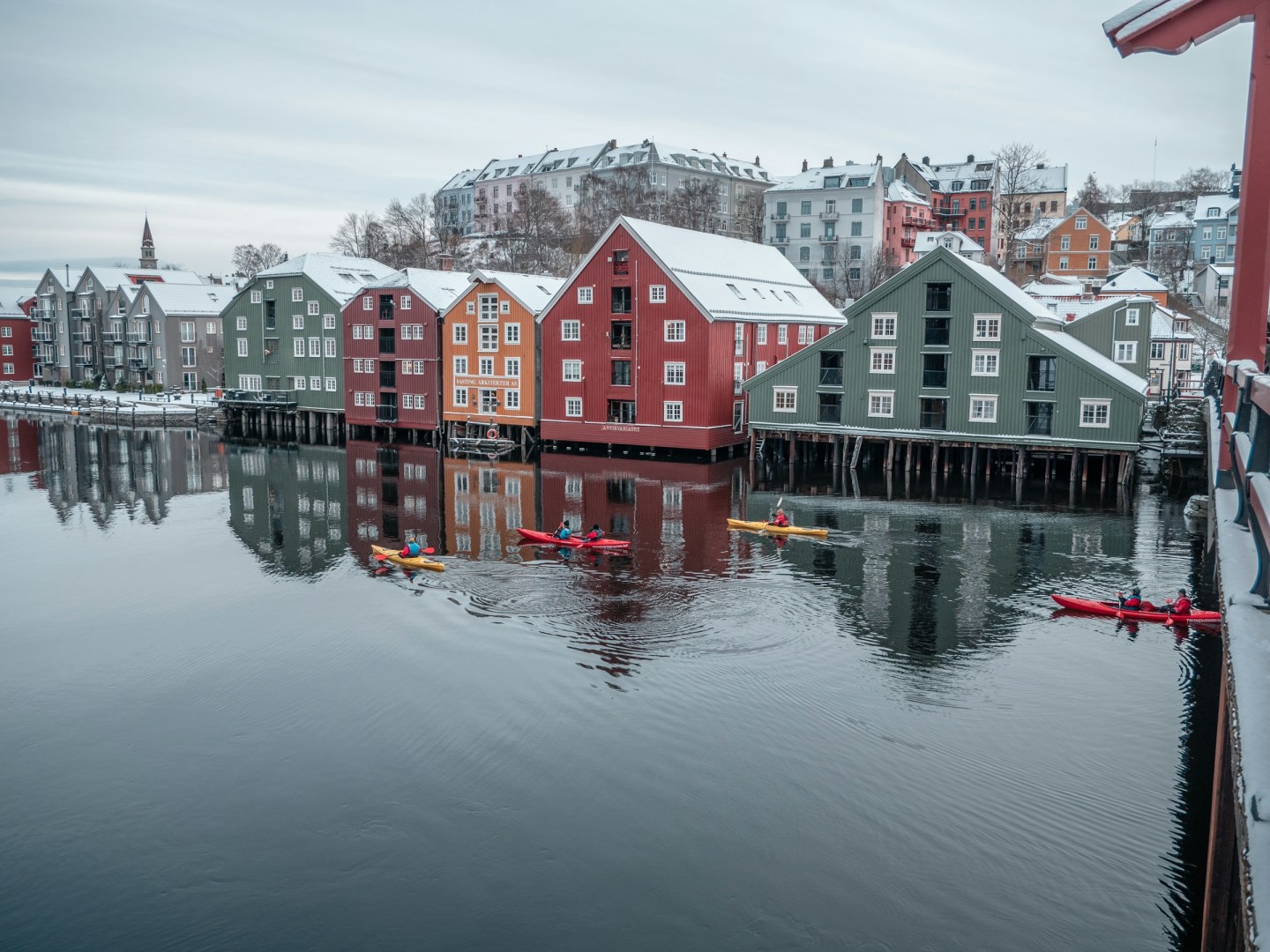
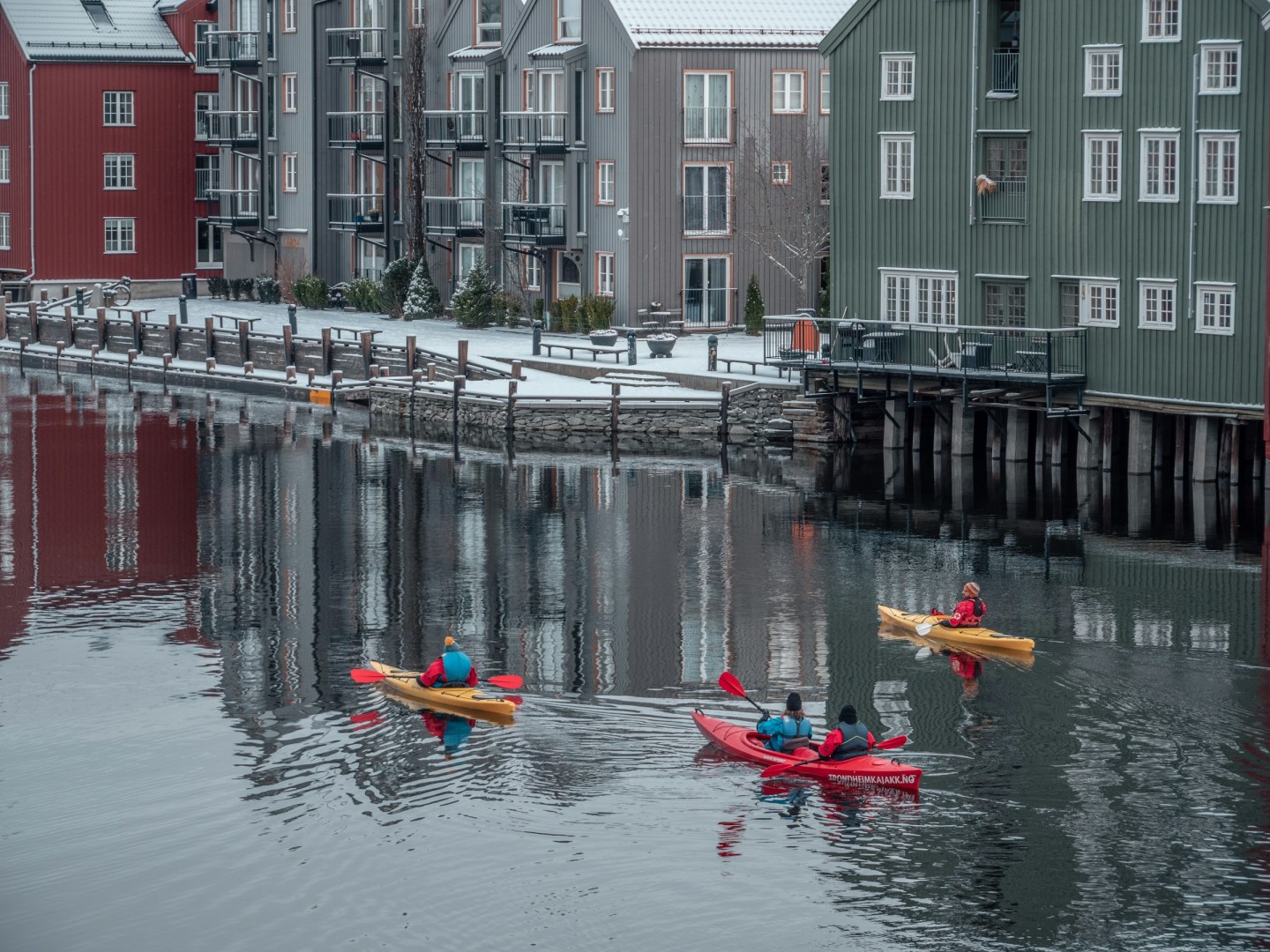
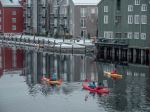
The city's Old Town, known as Bakklandet, enchants with its charming wooden houses and picturesque canals. Stroll across the historic wooden bridges and explore the cobblestone streets that are home to quirky boutiques, cozy cafes, and local art galleries. The area is perfect for leisurely exploration and offers a glimpse into Trondheim’s past while embracing its contemporary culture.
For nature enthusiasts, Trondheim is a gateway to stunning landscapes. Just a short drive from the city, you can hike up to the top of Rønninge Mountain for panoramic views of the fjord and surrounding countryside. In winter, the area transforms into a haven for cross-country skiing and snowshoeing, providing year-round outdoor activities.
Fun fact: Trondheim is home to the world’s northernmost university, the Norwegian University of Science and Technology (NTNU), which adds a youthful and innovative vibe to the city’s atmosphere. The university’s presence contributes to Trondheim’s reputation as a hub for technological advancements and research