Macedonia
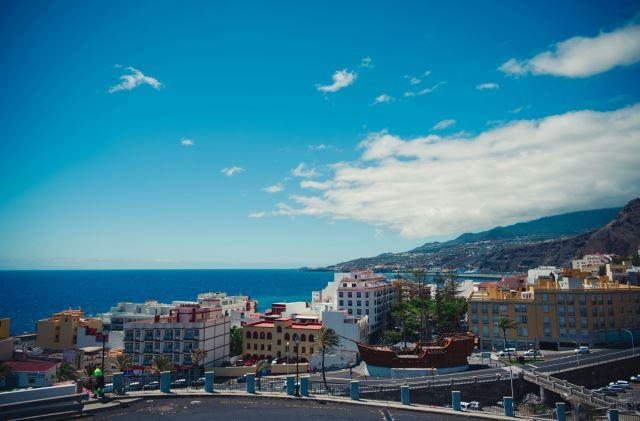
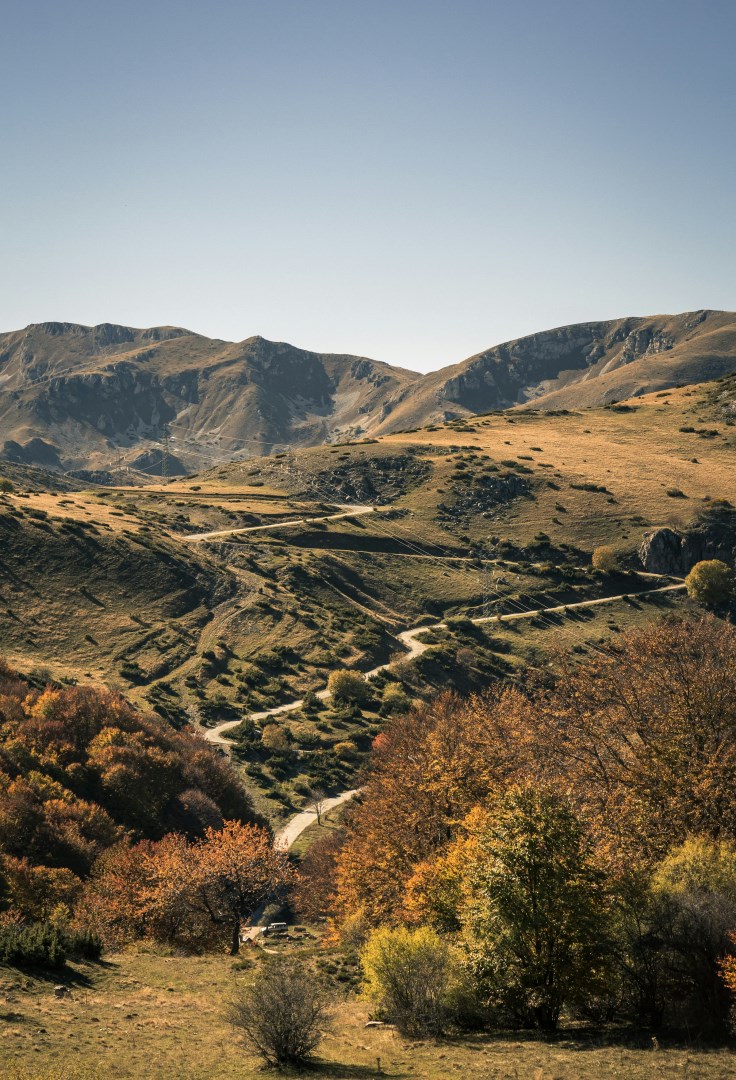
Macedonia, officially known as North Macedonia, is a country where ancient history and vibrant culture meet in a striking landscape. The capital city, Skopje, showcases a blend of old and new with its Ottoman-era bazaars sitting alongside modern sculptures and bridges. Visitors can explore the stone bridge, a symbol of the city, and wander through the Old Bazaar, where traditional crafts and local flavors invite discovery.
Beypazari
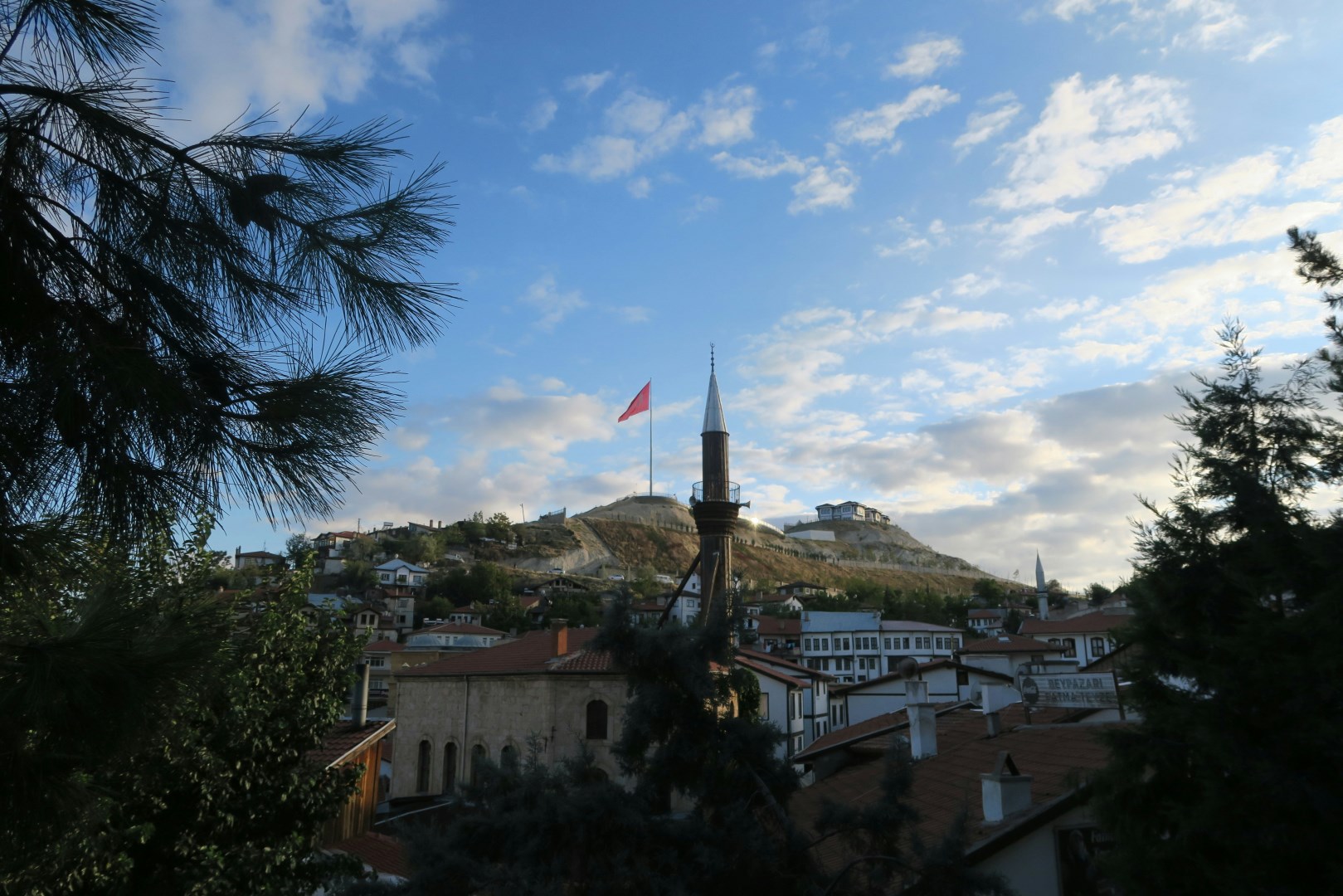
Beypazarı is a historic town in Ankara Province, Turkey, situated on the edge of the Central Anatolian plateau. It is recognized for its well-preserved Ottoman-era houses, narrow streets, and strong connection to traditional crafts. The town serves as both a residential center and a cultural destination, where restored buildings now function as museums, guesthouses, and workshops.
Sun Moon Lake
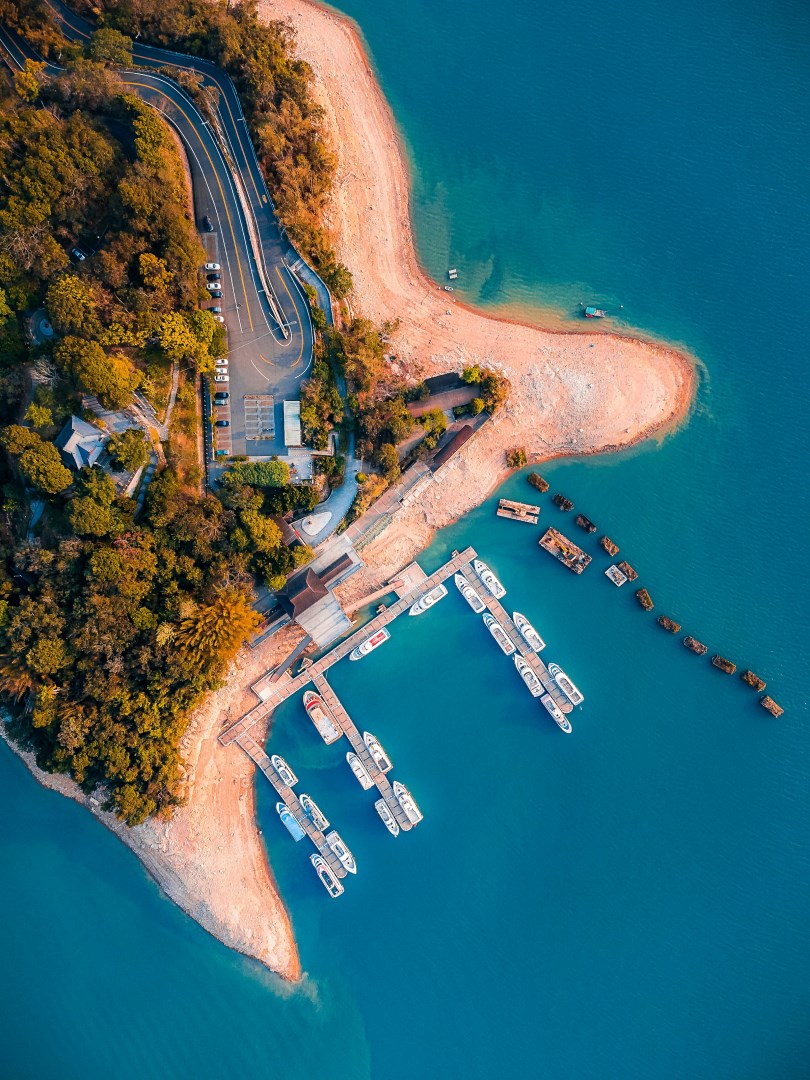
Sun Moon Lake is a mountain lake in Nantou County, central Taiwan, surrounded by forested hills and settlements. It is Taiwan's largest alpine lake and is known for the distinctive shape of its shoreline, which includes a smaller section resembling a crescent moon and a larger section associated with the sun. The lake sits within a scenic basin at an elevation of about 748 meters, creating a cooler setting than many lowland parts of Taiwan.
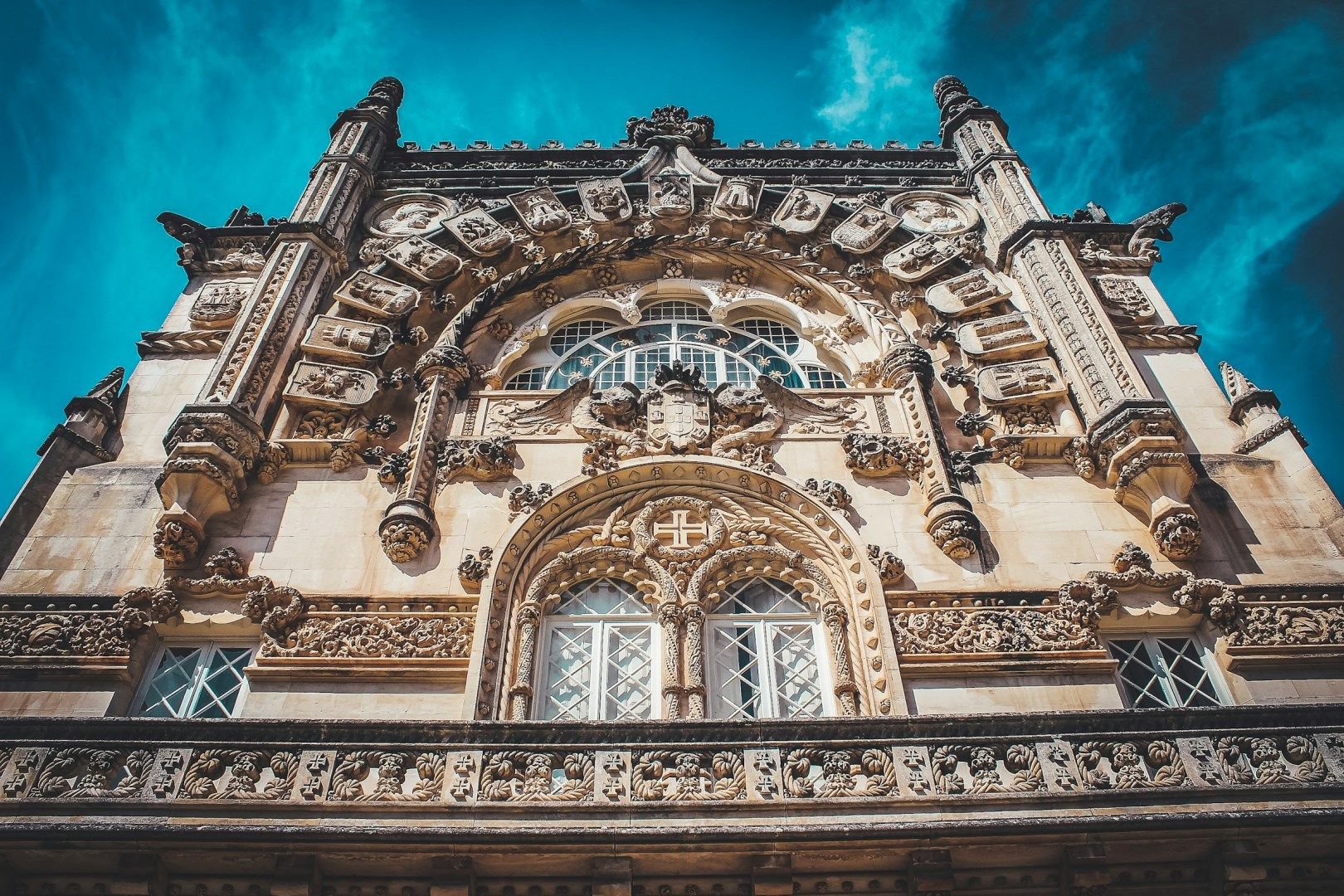
Portugal
Portugal offers a layered experience shaped by maritime history, deep-rooted traditions, and a coastline that stretches for nearly 1,800 kilometers. In Lisbon, the streets of Alfama wind uphill toward São Jorge Castle, where views of red-tiled rooftops and the Tagus River reveal how the city was rebuilt after the 1755 earthquake. Trams still clatter through narrow streets, and fado music, often performed in candlelit taverns, tells stories of longing and the sea.

Sarapiquí
Sarapiquí is a rural region in northeastern Costa Rica, known for its network of rivers, rainforest reserves, and agricultural landscapes. Centered around Puerto Viejo de Sarapiquí, the area serves as a gateway to the Caribbean lowlands while remaining distinct from coastal destinations.