Pebble Island
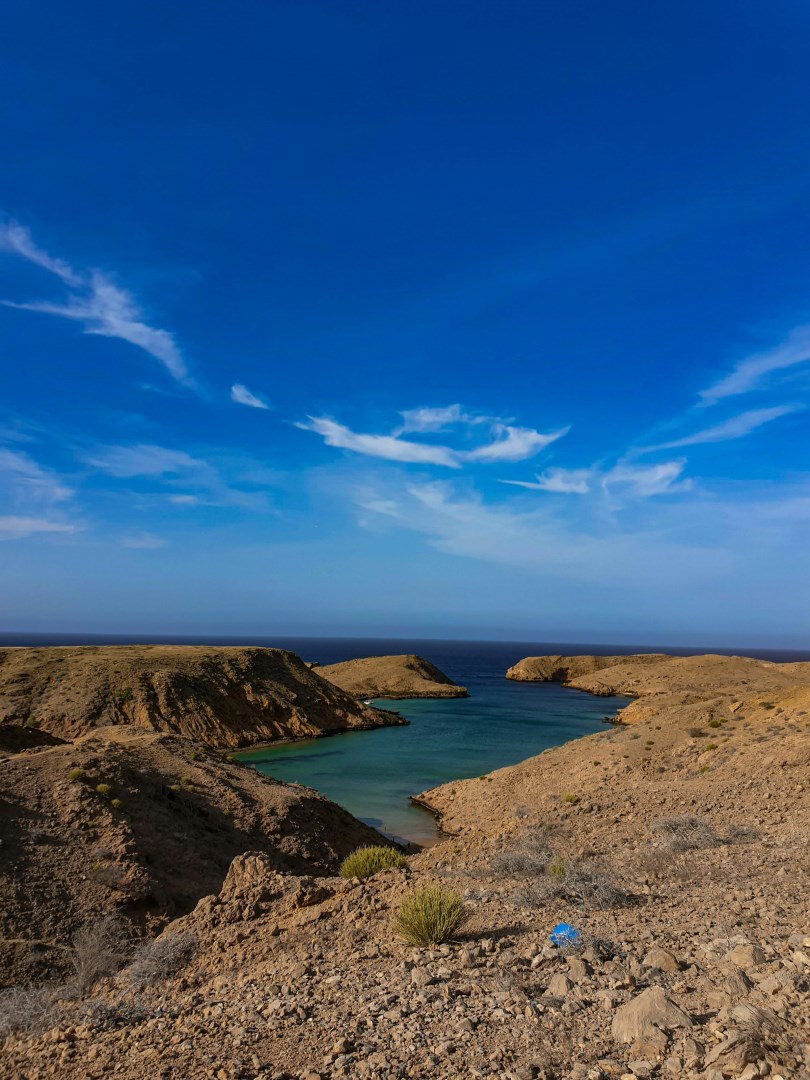
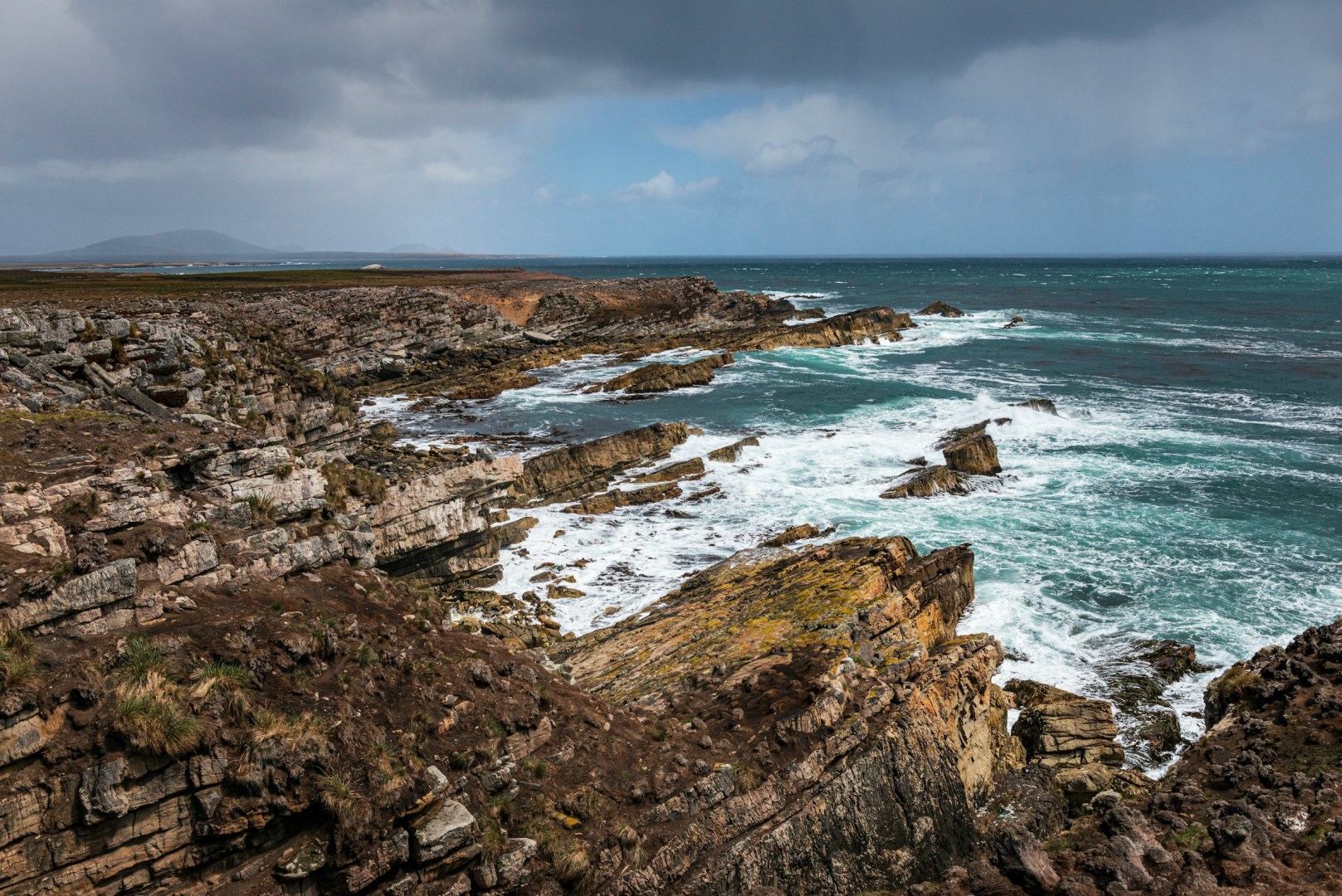
Pebble Island is one of the larger islands in the northern part of the Falkland Islands, known for its open landscapes, long beaches, rocky shores, and low hills. The island stretches across a varied terrain of grassland, peat, freshwater ponds, and coastal cliffs, with several bays providing sheltered areas for wildlife. A small settlement serves as the island’s main community, while much of the surrounding land remains open and lightly developed.
Akita
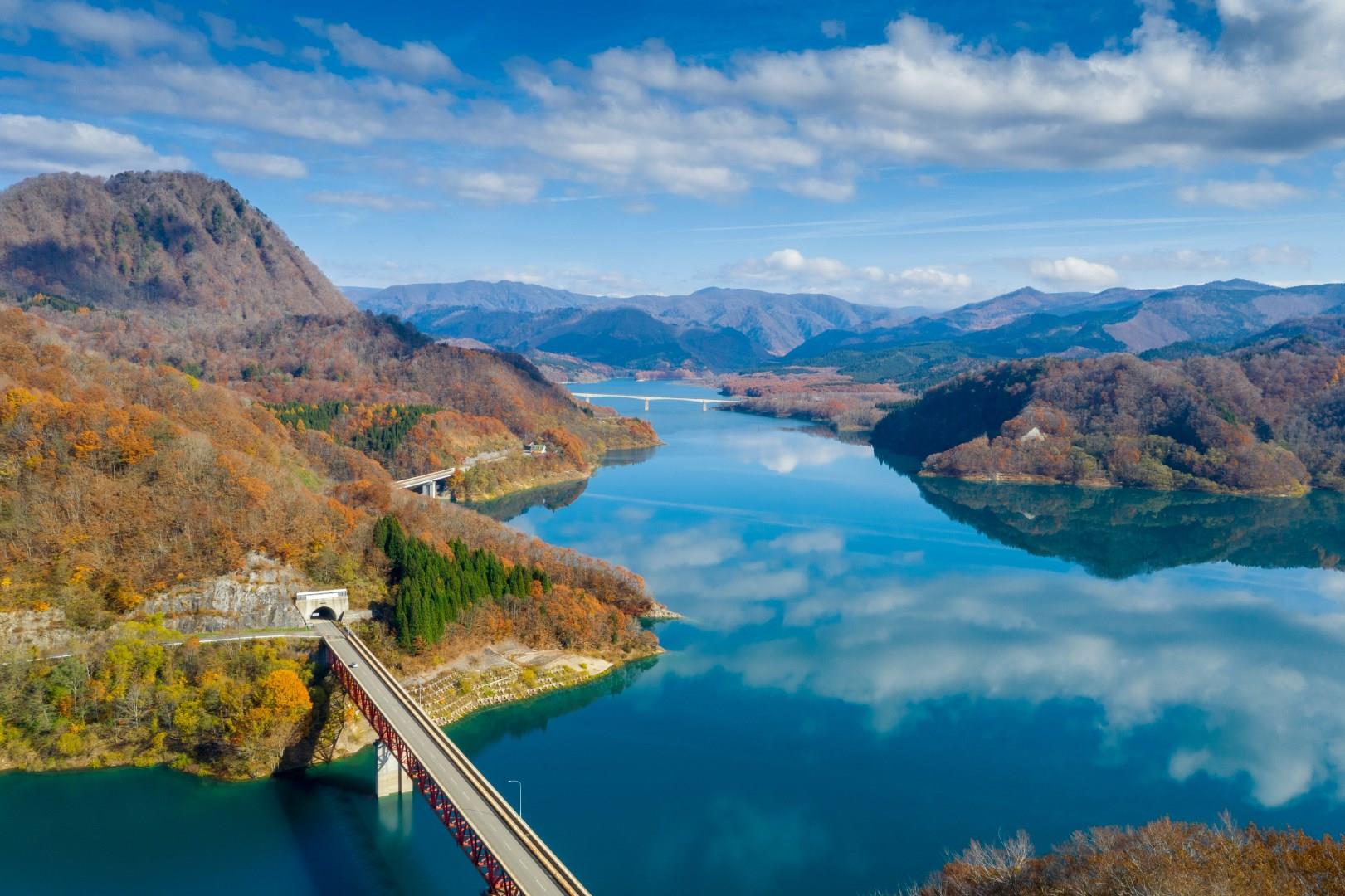
Akita sits in the northern part of Japan’s Tōhoku region and offers travelers experiences rooted in long-held traditions, lively festivals, and scenic valleys. Its capital city blends seasonal appeal with cultural offerings, from Senshu Park, once the site of Kubota Castle, where cherry blossoms and lotuses draw locals and visitors alike, to the Akita Museum of Art, a striking building designed by famed architect Tadao Ando that displays works including pieces by Tsuguharu Foujita.
Saint-Émilion
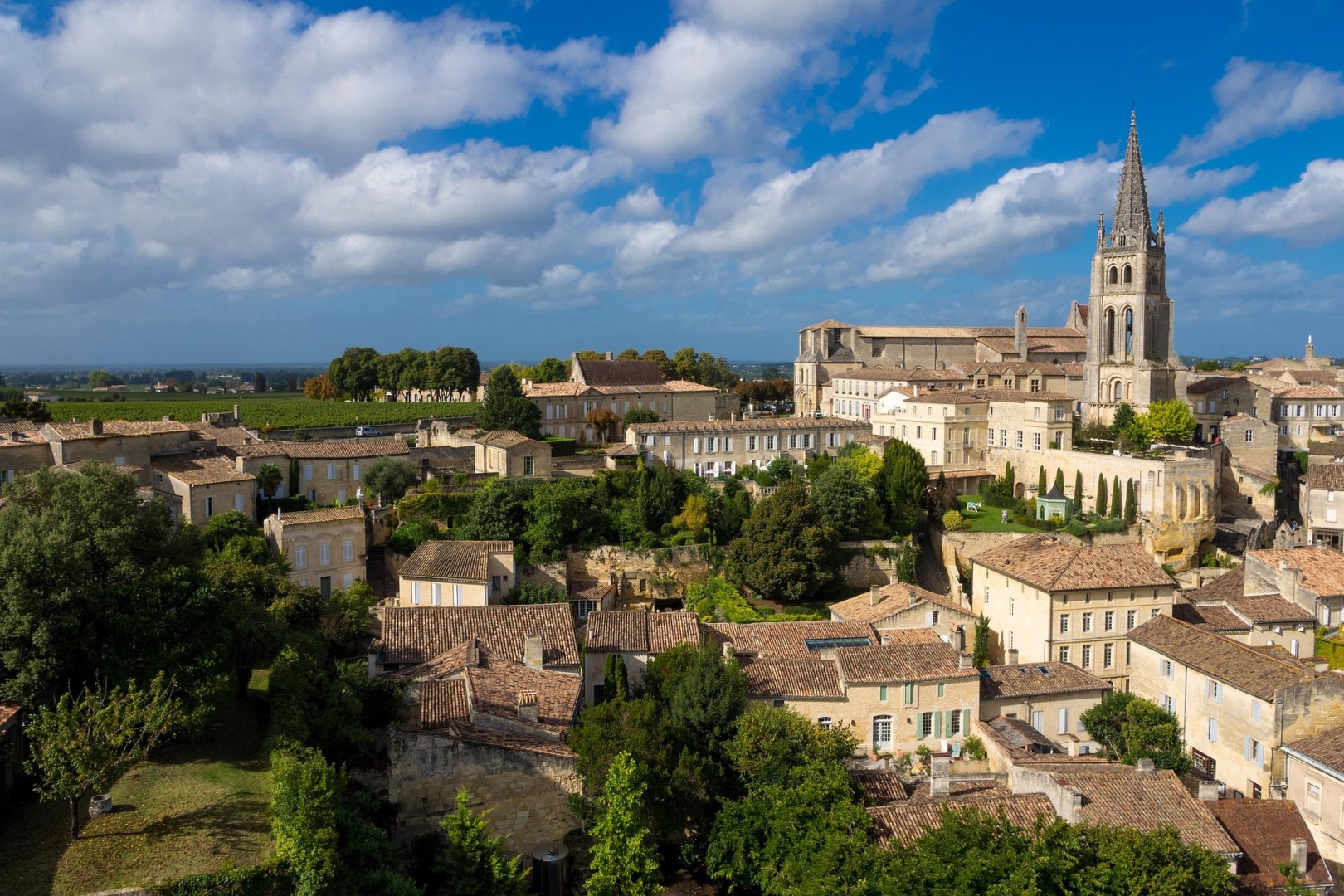
Saint-Émilion, nestled in the heart of southwest France, is a living monument to centuries of craftsmanship, faith, and wine-making. Recognized as a UNESCO World Heritage Site since 1999, this medieval town sits on a limestone plateau surrounded by vineyards that date back to Roman times. Visitors can explore cobbled streets that wind past centuries-old stone houses, descend into underground catacombs carved by monks, and visit the astonishing Monolithic Church.
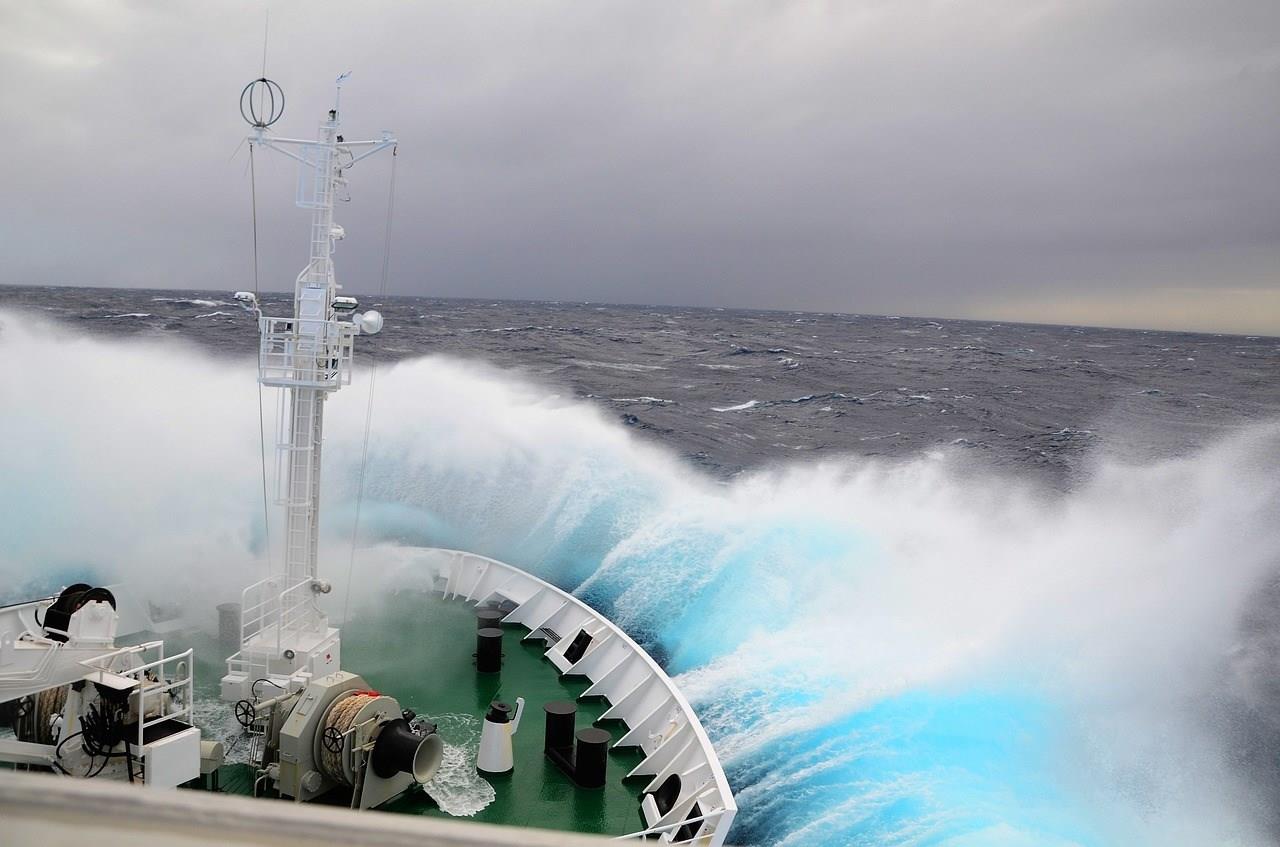
Drake Passage
Drake Passage is a stretch of ocean between Cape Horn at the southern tip of South America and the South Shetland Islands near Antarctica. It connects the Atlantic and Pacific Oceans and is widely known for rough seas, powerful currents, and rapidly changing weather.
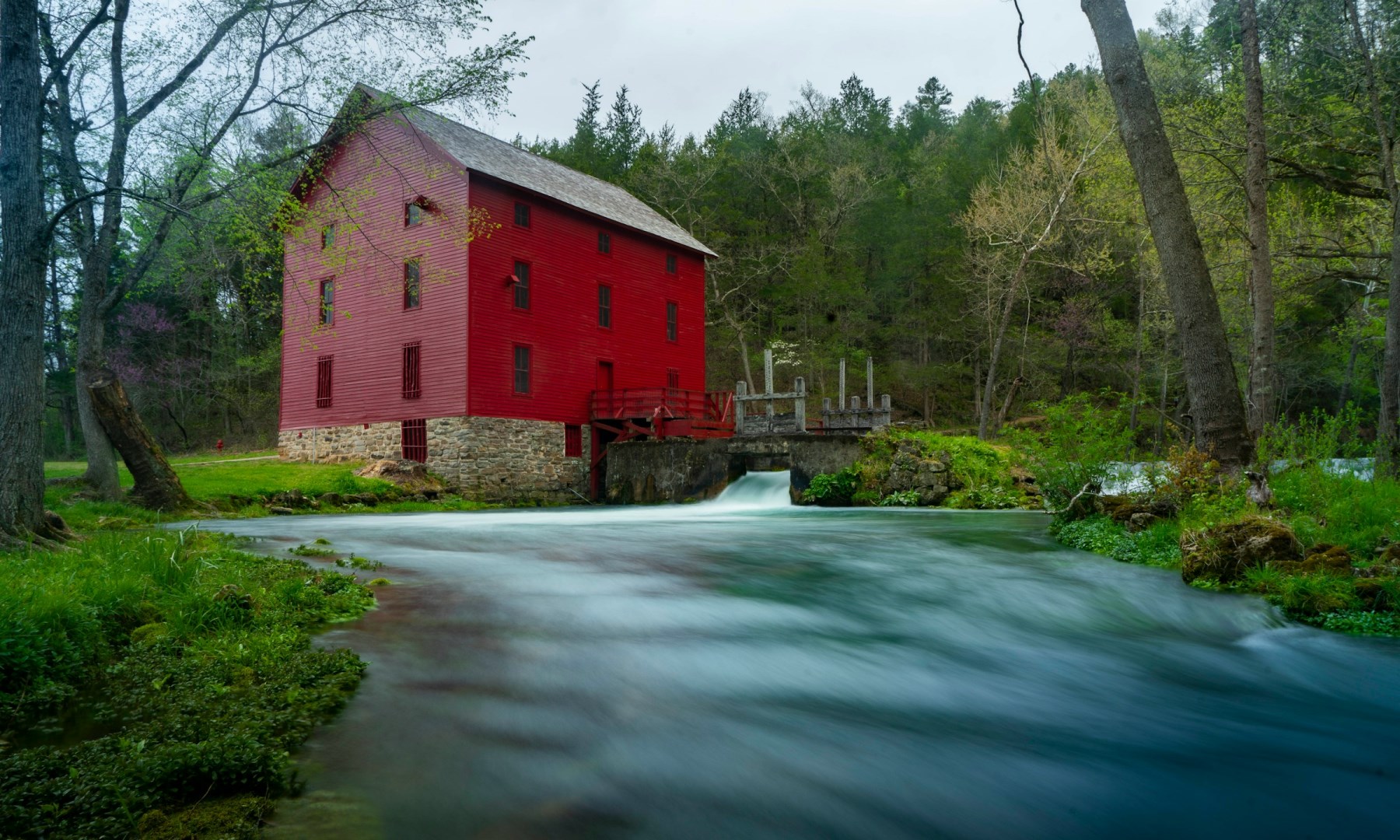
Missouri
Missouri, nestled in the heart of the United States, offers a rich tapestry of history, culture, and natural beauty. Begin your exploration in St. Louis, where the iconic Gateway Arch stands as a testament to westward expansion and American ambition. This architectural marvel not only offers breathtaking views of the Mississippi River but also houses the Museum of Westward Expansion, delving into the stories of pioneers and explorers who shaped the nation.