New Caledonia
New Caledonia is an archipelago located in the south western part of the Pacific Ocean, and belongs to what is known as Melanesia. The mainland known as the "Grande Terre" is the principal island of New Caledonia and covers an area of 400 kms north to south and 50 kms west to east, with a total surface of 19 000 square meters. It is the third largest island in the South Pacific after New Guinea and New Zealand.
Ypres
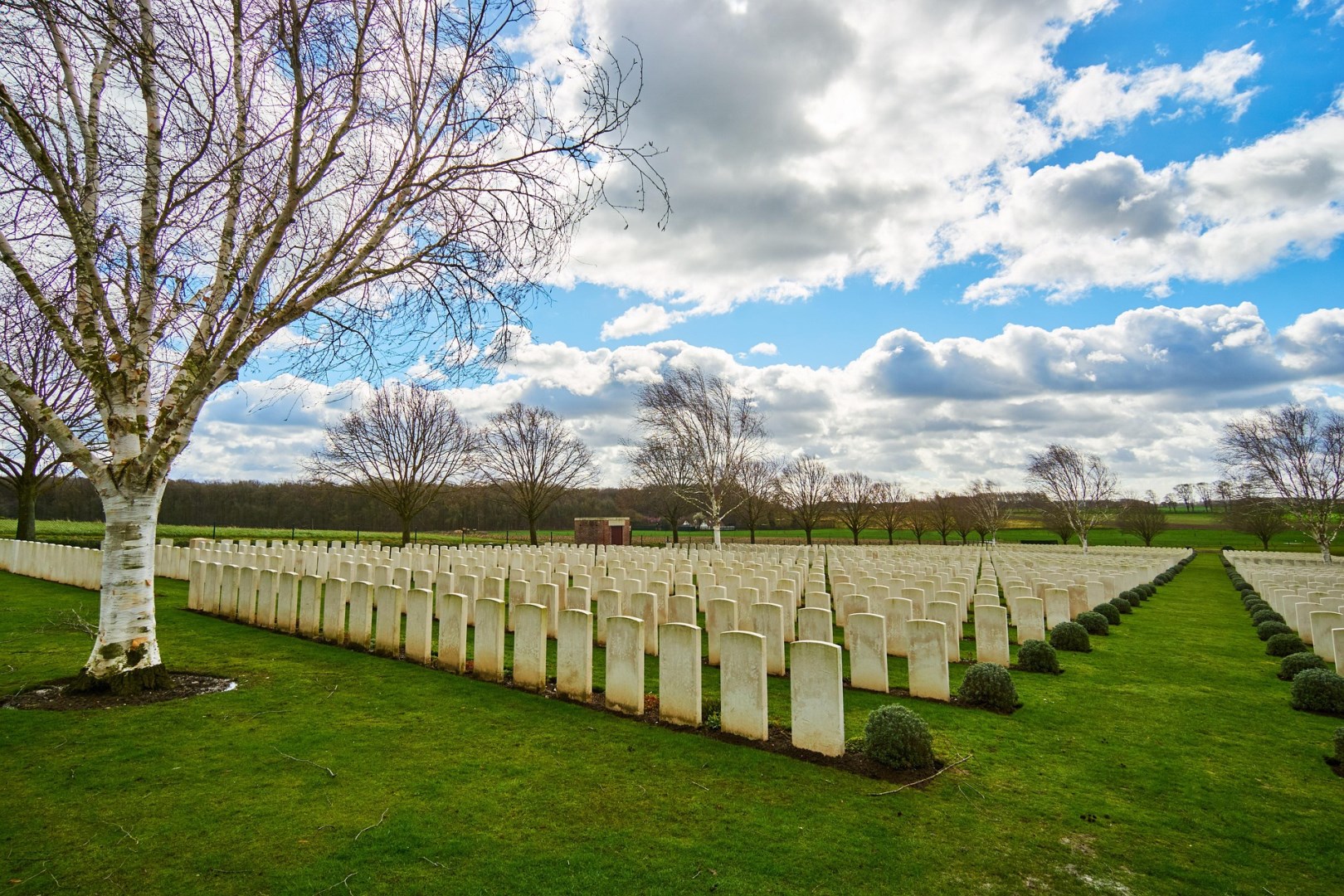
Ypres is a city where soaring medieval-style landmarks meet one of Europe’s most powerful landscapes of remembrance. From the nightly Last Post beneath the Menin Gate to the wonderfully eccentric Cat Parade, it has a character that is solemn, surprising, and unmistakably Flemish.
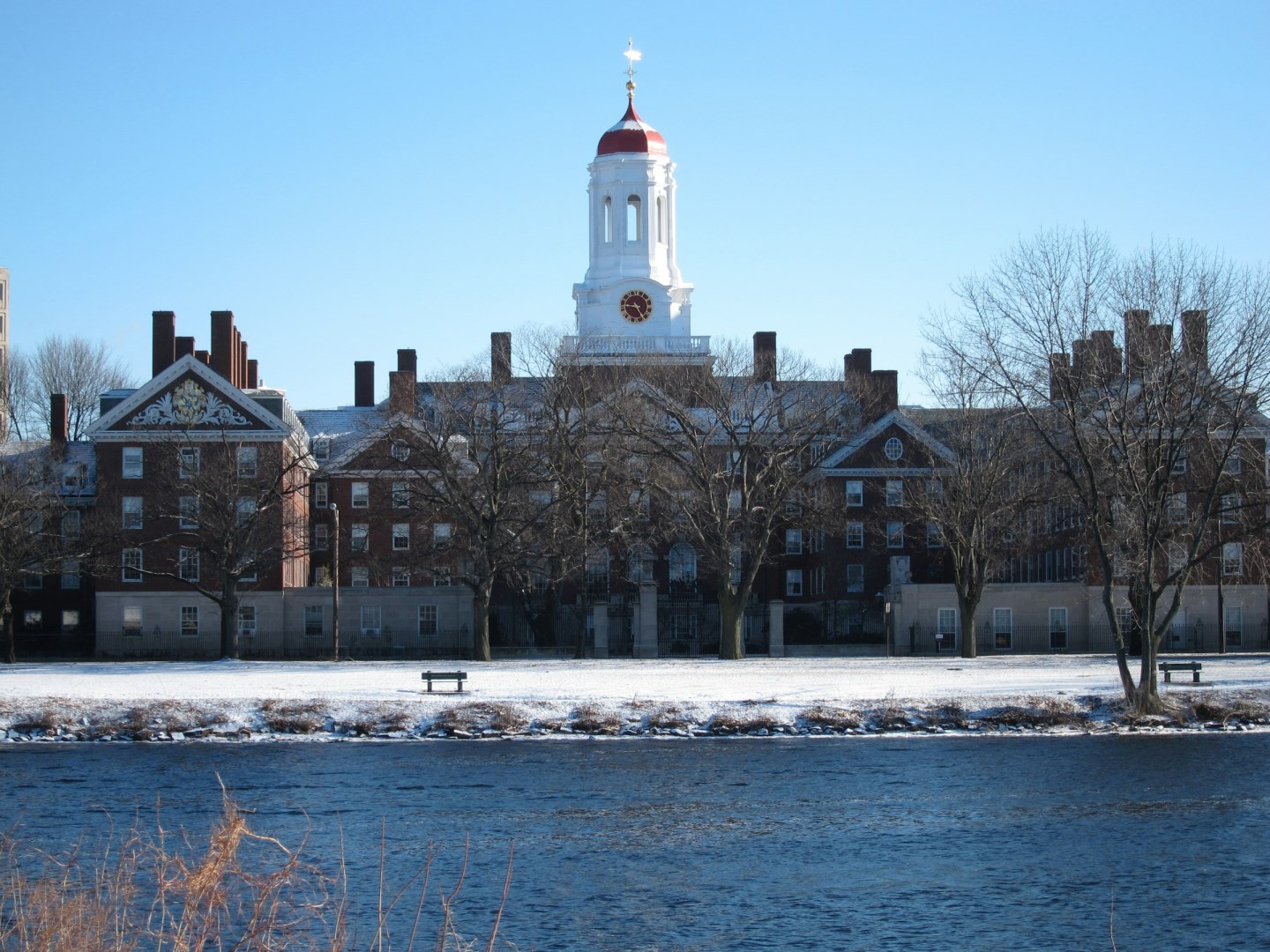
Cambridge
Cambridge, Massachusetts, sits across the Charles River from Boston and is known for its universities, historic neighborhoods, research institutions, and distinctive network of public squares. Harvard University and the Massachusetts Institute of Technology give the city an international academic profile, while areas such as Harvard Square, Central Square, Kendall Square, and Inman Square each have their own mix of shops, restaurants, cultural venues, and businesses.
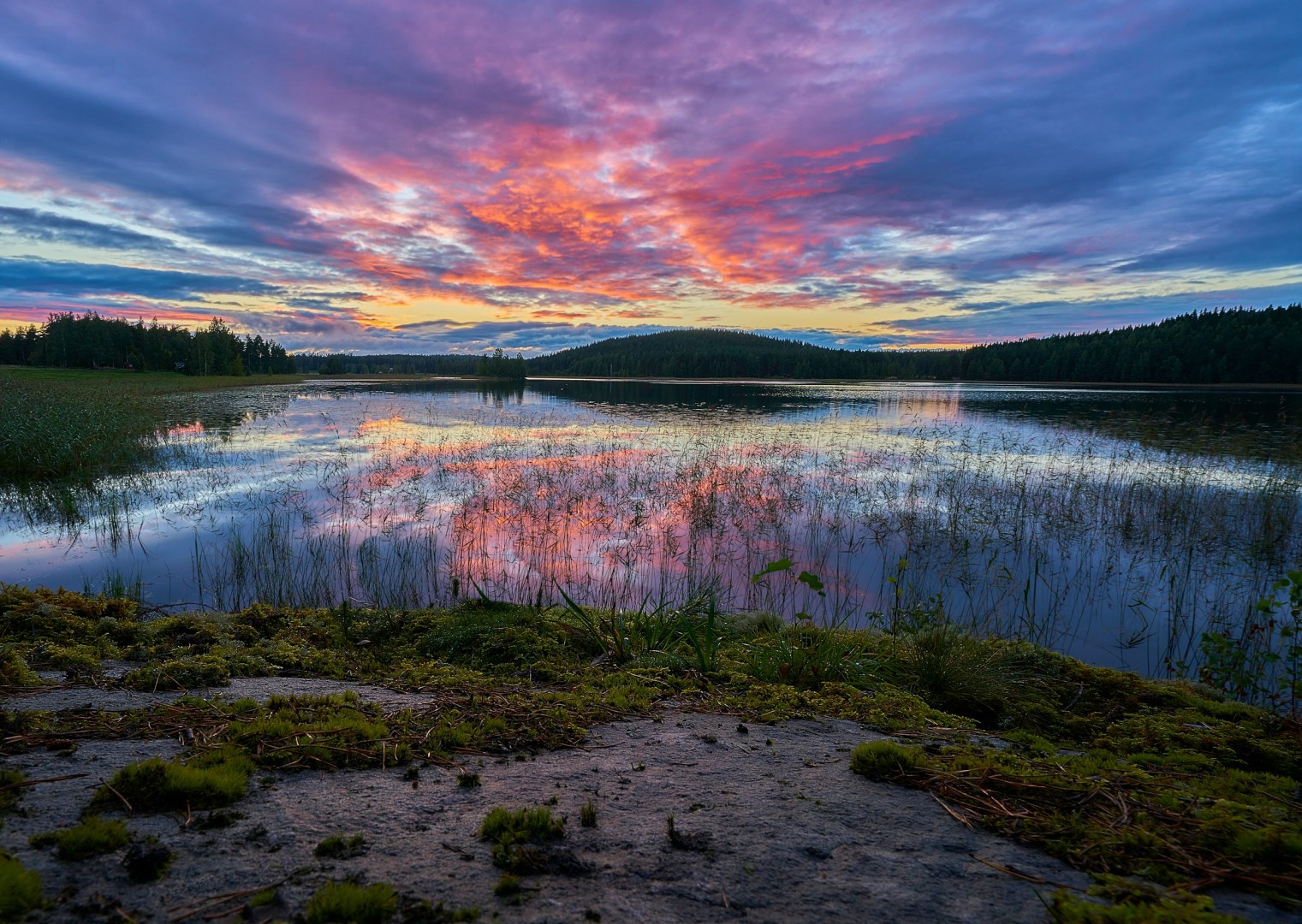
Jyväskylä
Jyväskylä is a city in central Finland surrounded by forests, lakes, and rolling hills, with Lake Jyväsjärvi forming a prominent part of its southern edge. It is the regional center of Central Finland and has a strong connection with education, design, and modern Finnish architecture. The city is known internationally for buildings designed by Alvar Aalto, whose work includes the University of Jyväskylä campus and several civic buildings.
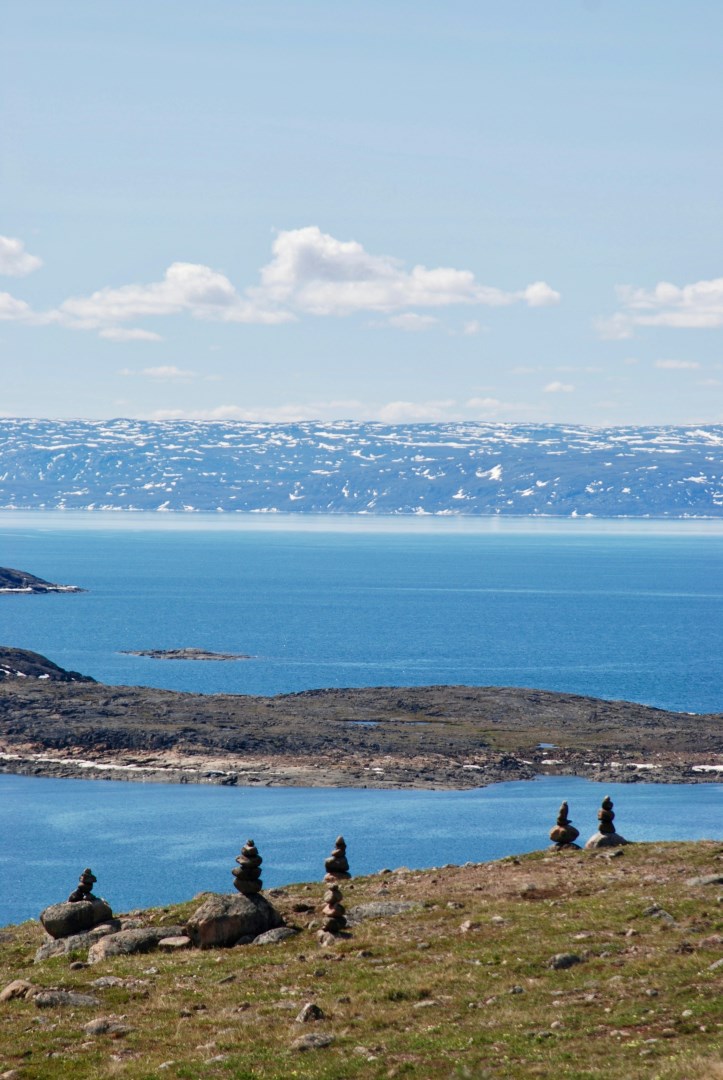
Iqaluit
Iqaluit is the capital of Nunavut and the largest community in the territory, located at the head of Frobisher Bay on southern Baffin Island. The city is surrounded by rocky hills, tundra, freshwater ponds, and broad coastal waters, with a landscape shaped by Arctic weather and seasonal sea ice. Iqaluit serves as Nunavut's administrative, transportation, educational, and commercial centre, while remaining closely connected to traditional Inuit activities.