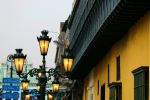
Portoroz lies on Slovenia’s short Adriatic coast, where its identity has been shaped by the sea and by centuries of salt production in the nearby Sečovlje pans.
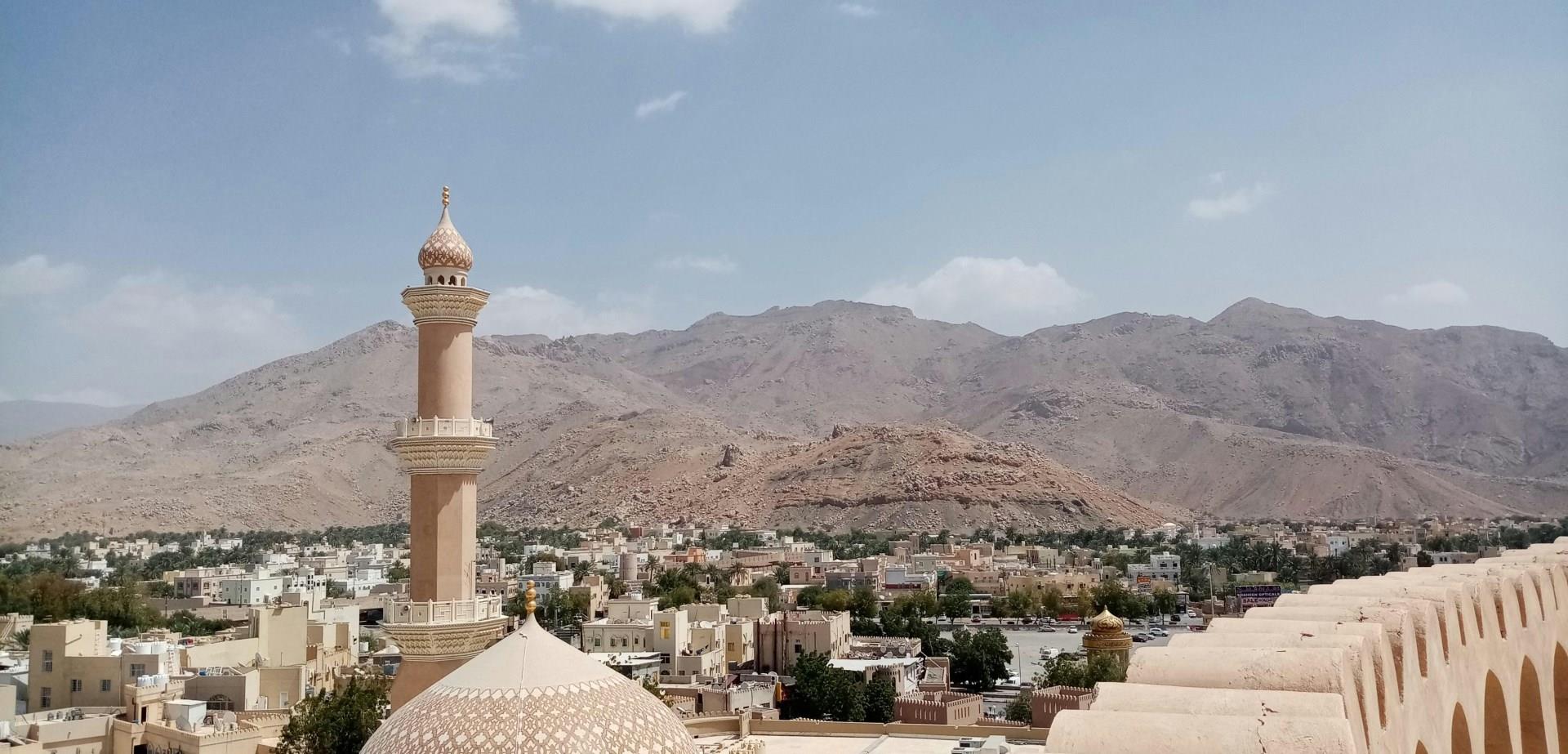
In the heart of Oman lies Nizwa, a city once considered the country’s capital and a hub of learning and trade. Its iconic round fort, built in the 17th century, remains one of Oman’s most visited landmarks.
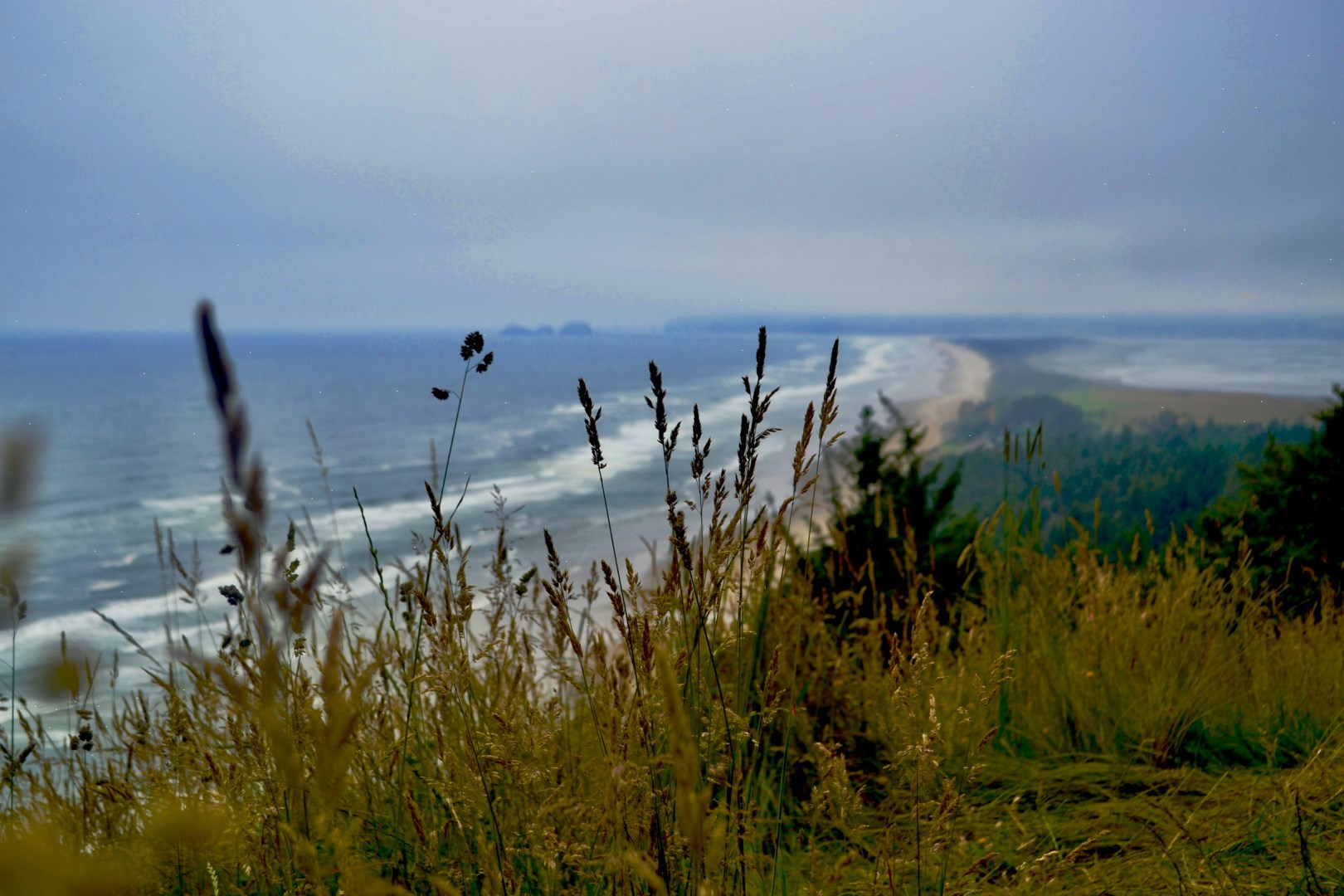
Tillamook is a small city on Oregon’s northern coast, located near the head of Tillamook Bay where several rivers meet the Pacific Ocean. The surrounding landscape includes dairy farmland, forested hills, tidal wetlands, and coastal waterways, giving the community a strong connection to both agriculture and the sea.
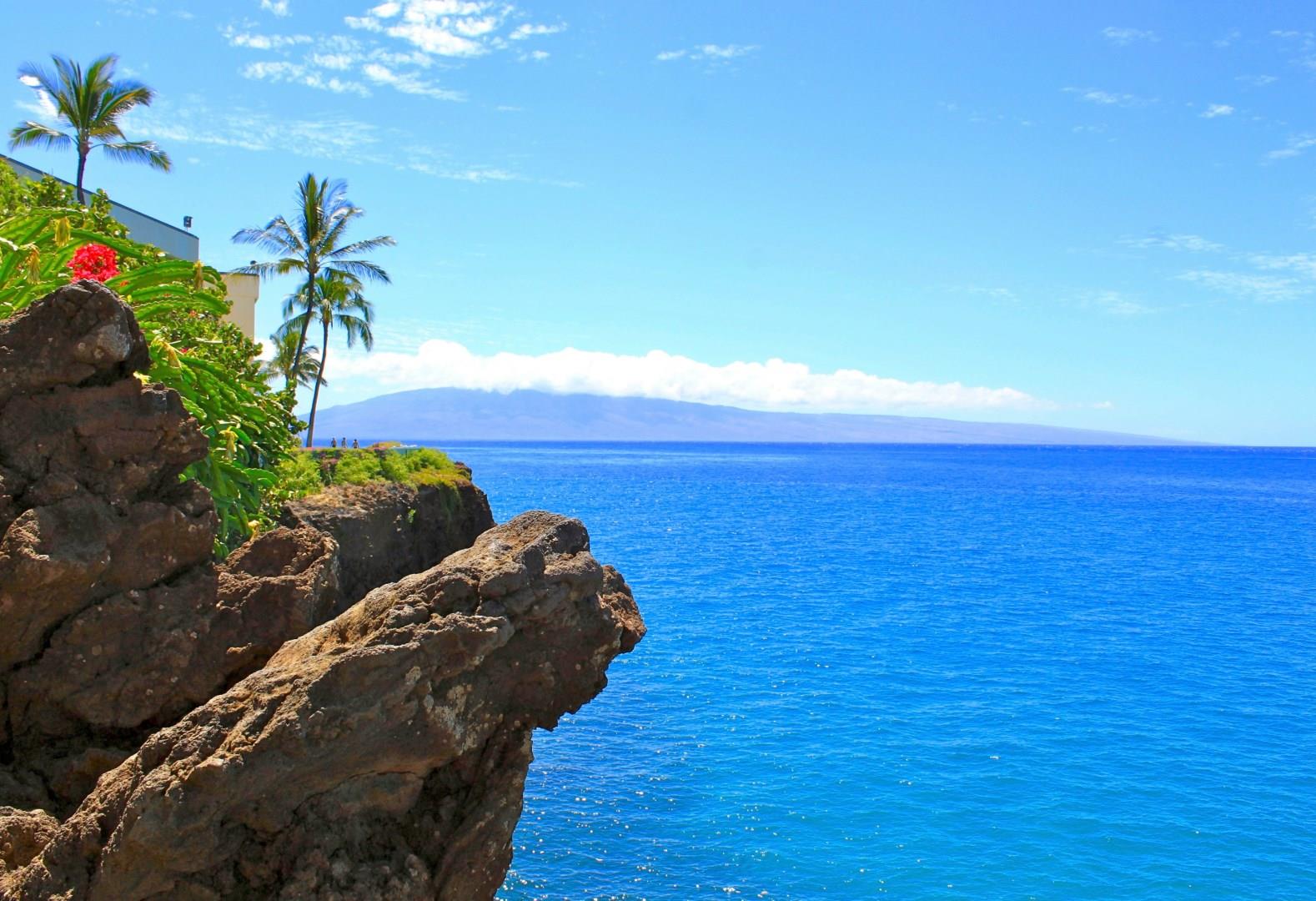
In ancient times, Kaanapali was a royal retreat for the rulers of Maui, who delighted in the perfect three-mile stretch of white sand beach, the gentle waves, warm sunny days and the majestic West Maui Mountains. Maui royalty surfed, raced their outrigger canoes, feasted at luaus that lasted for weeks, and where the Kaanapali Golf Course now blankets the land, they played ulu maika, a form of lawn bowling with heavy lava balls.
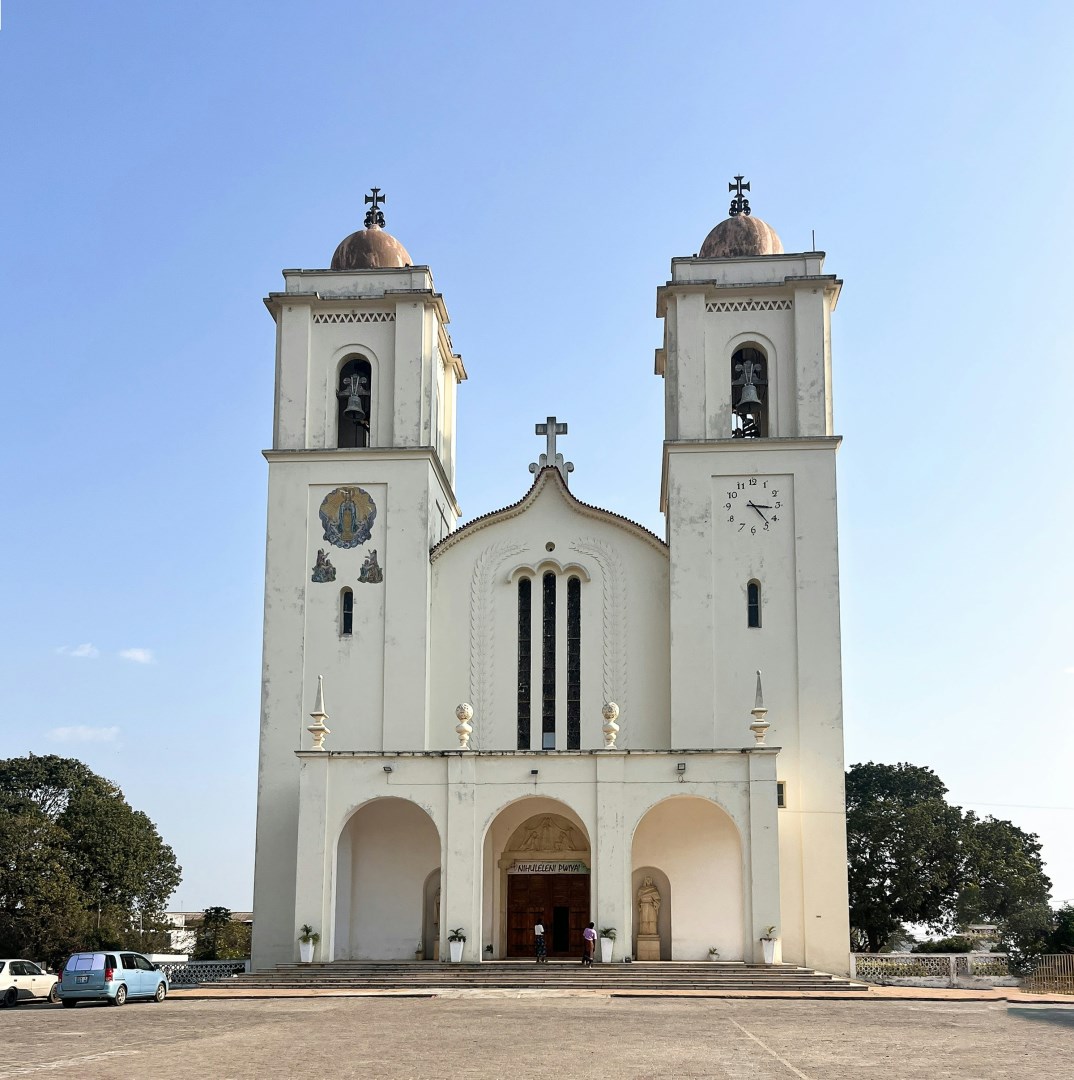
Nampula is the largest city in northern Mozambique and the capital of Nampula Province. Set inland on a plateau, it is surrounded by rounded granite hills and distinctive rocky outcrops that rise above the surrounding farmland.
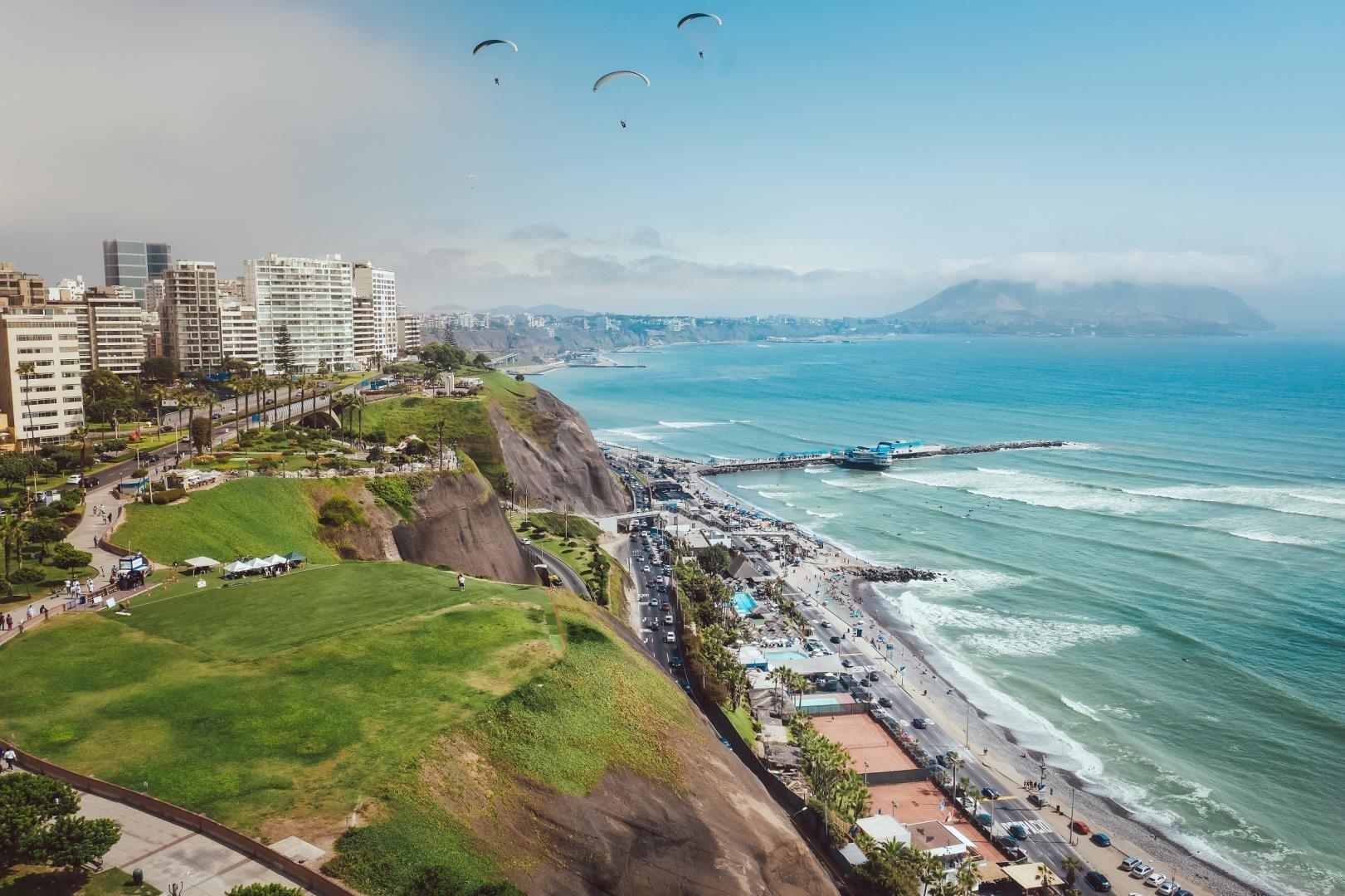
Photo Credit: Photo by Meg von Haartman on Unsplash
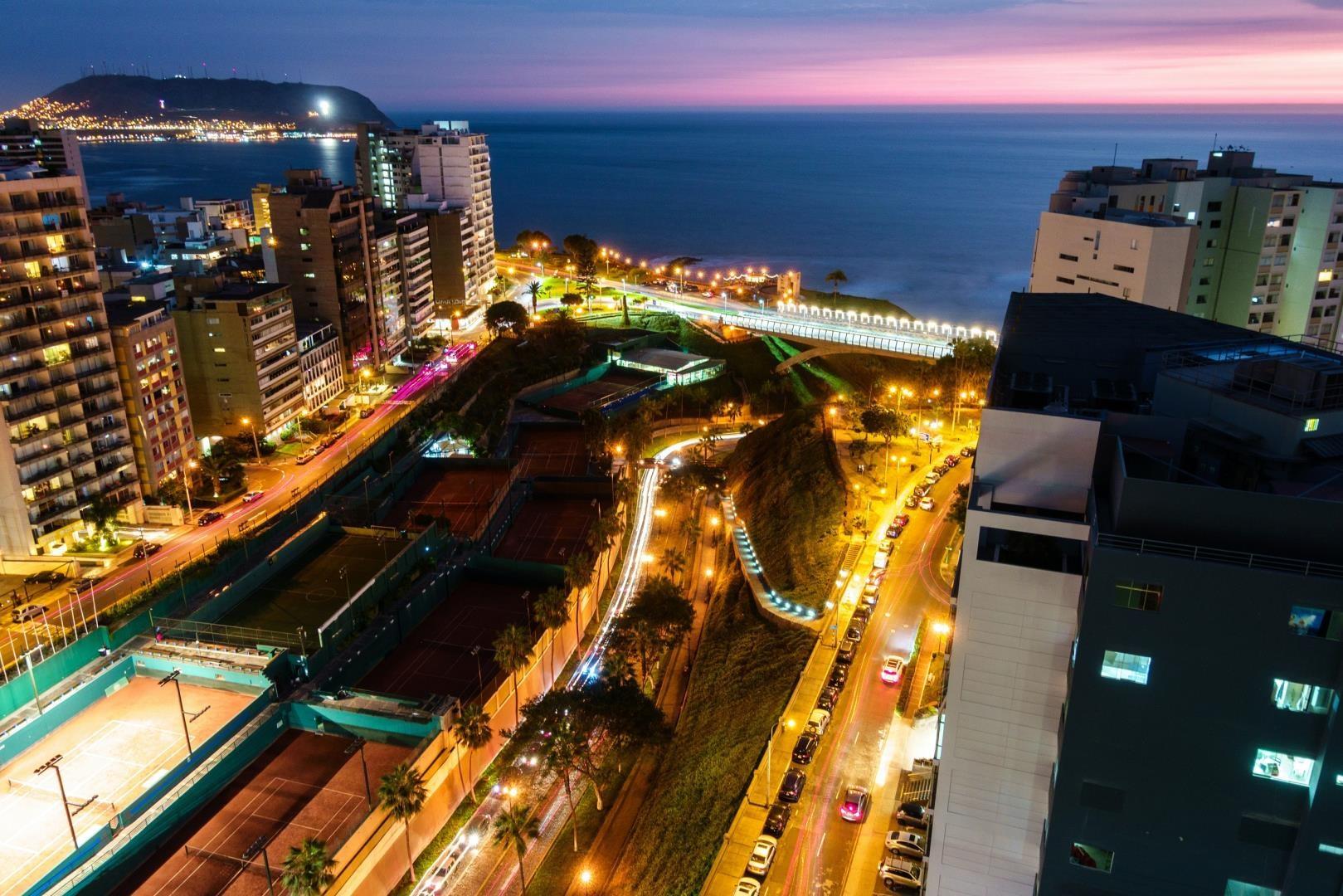
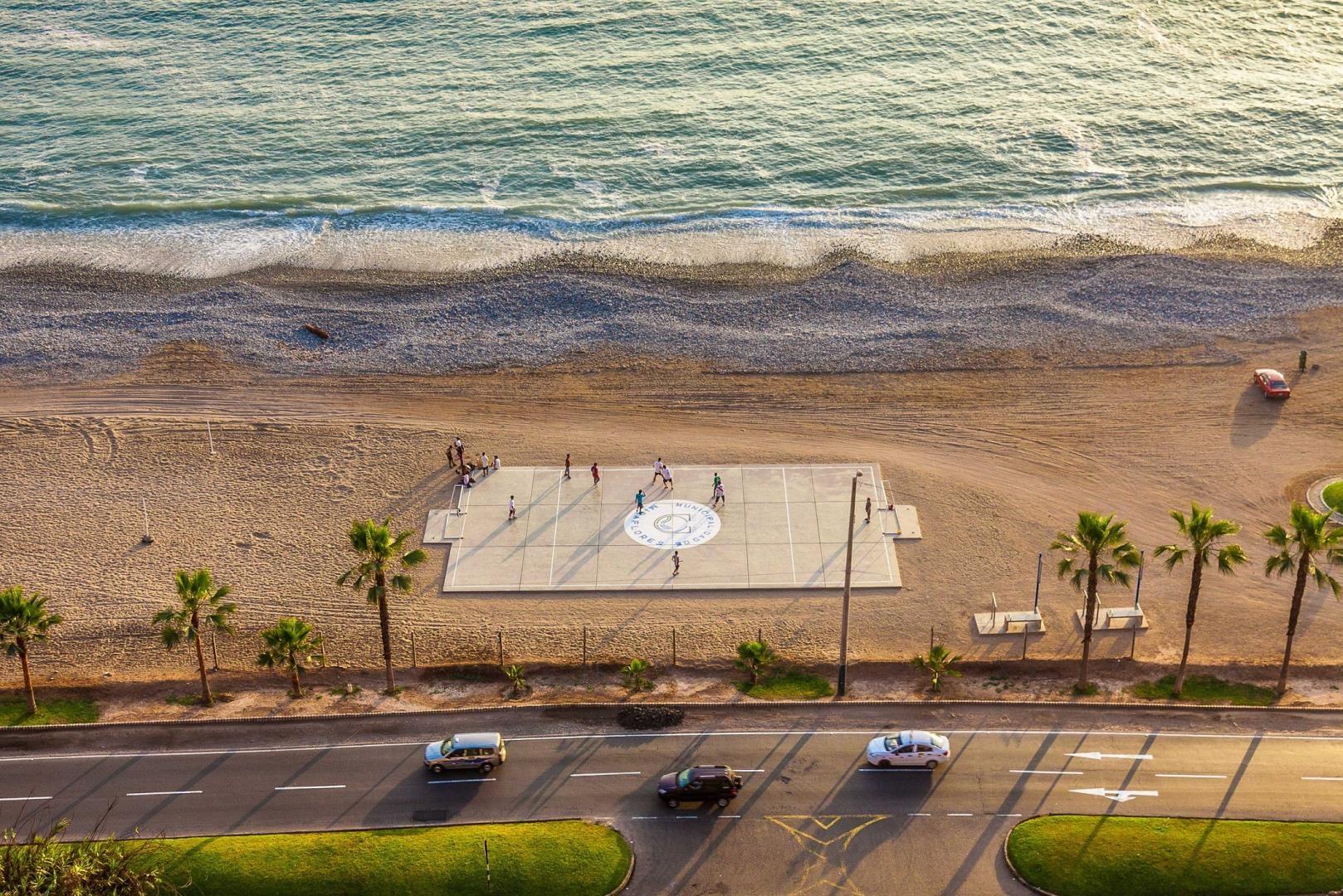
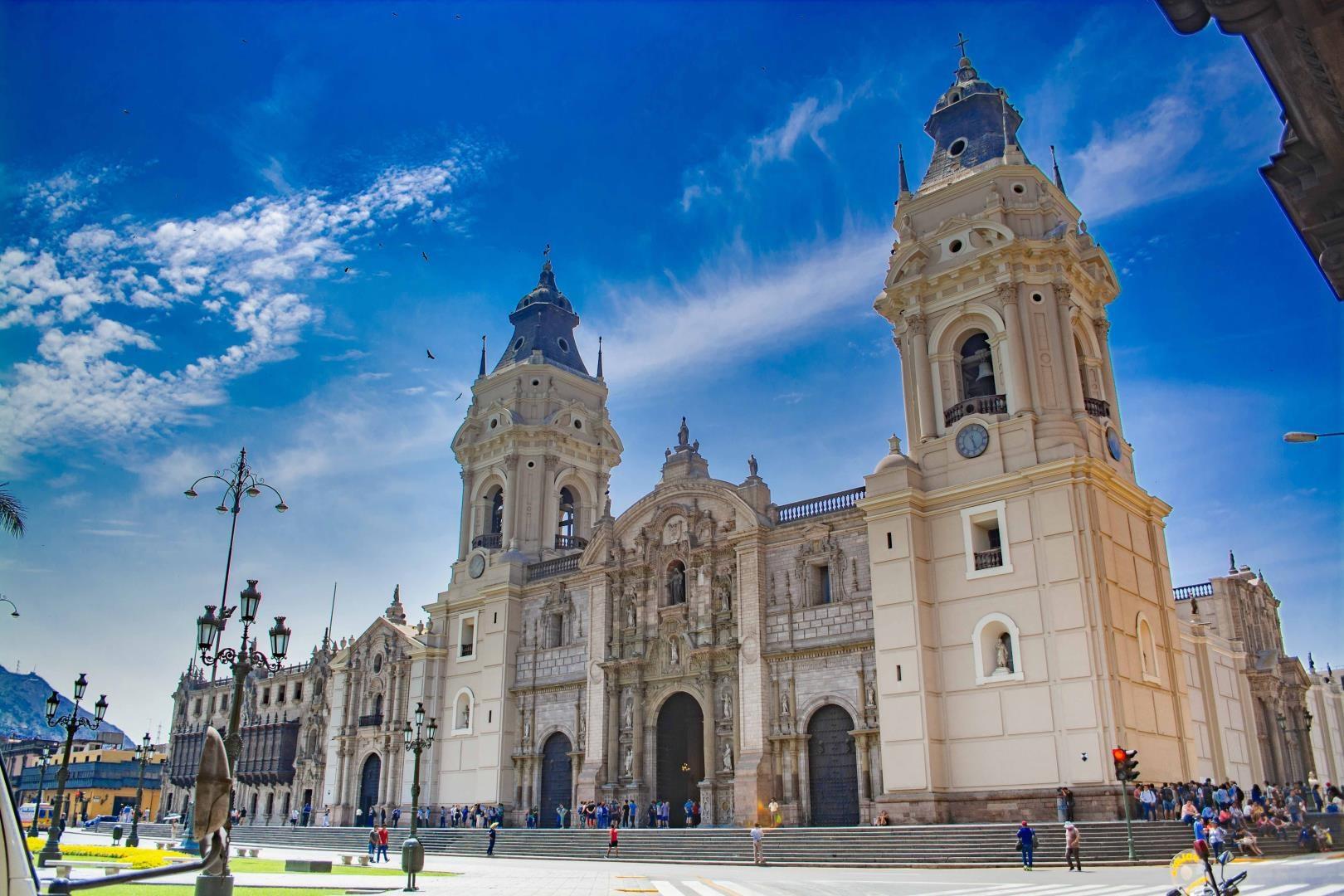
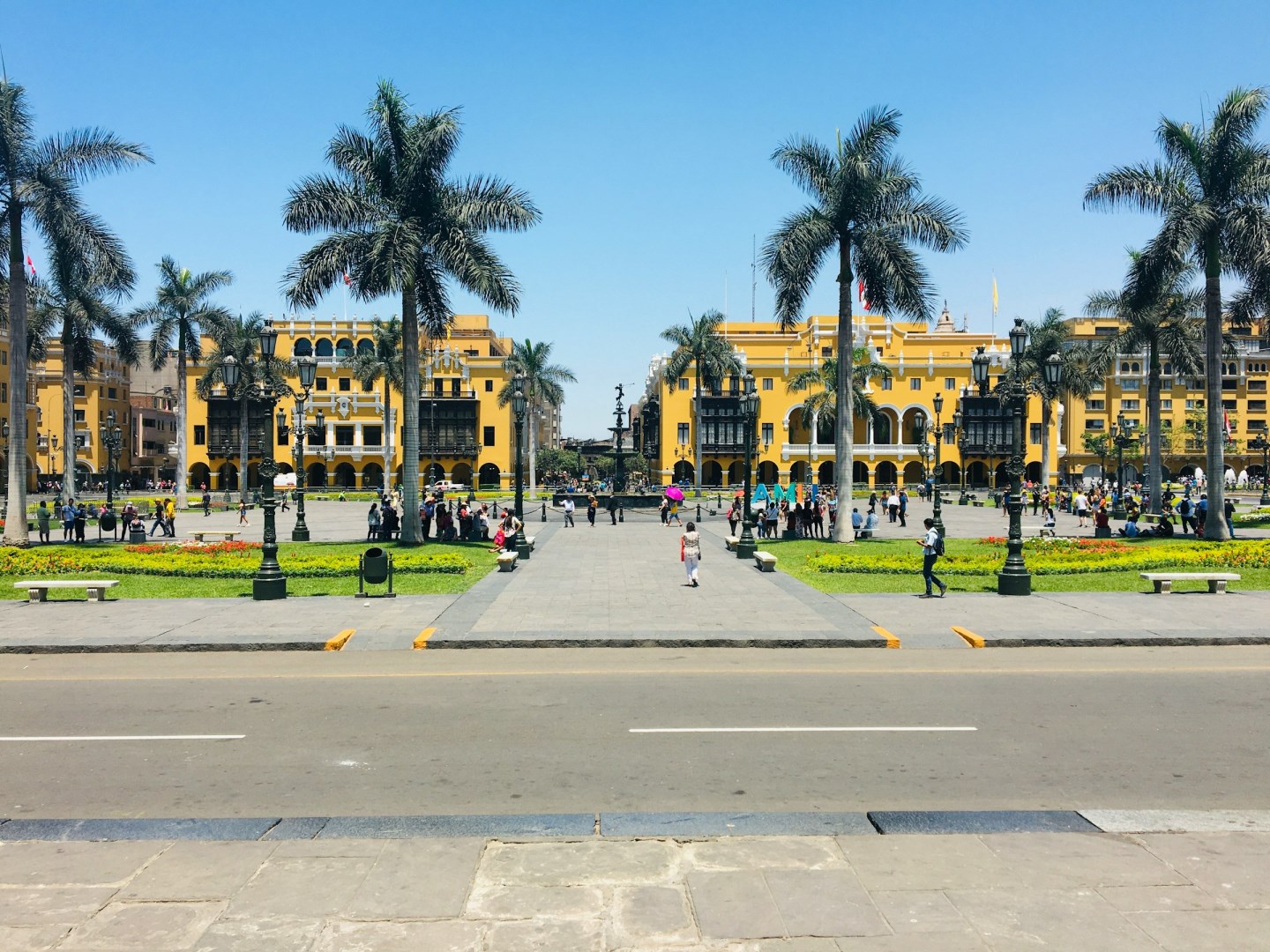
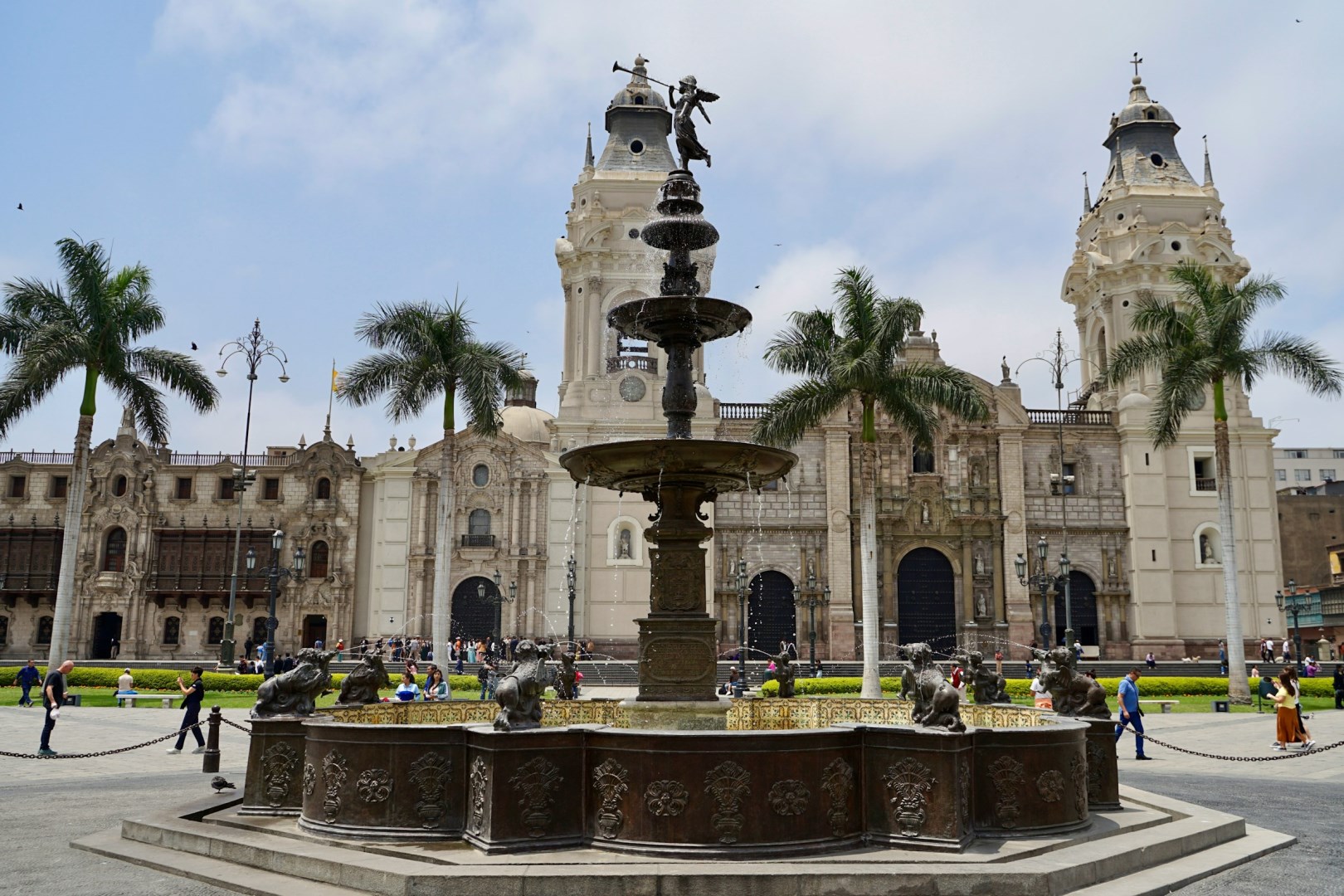
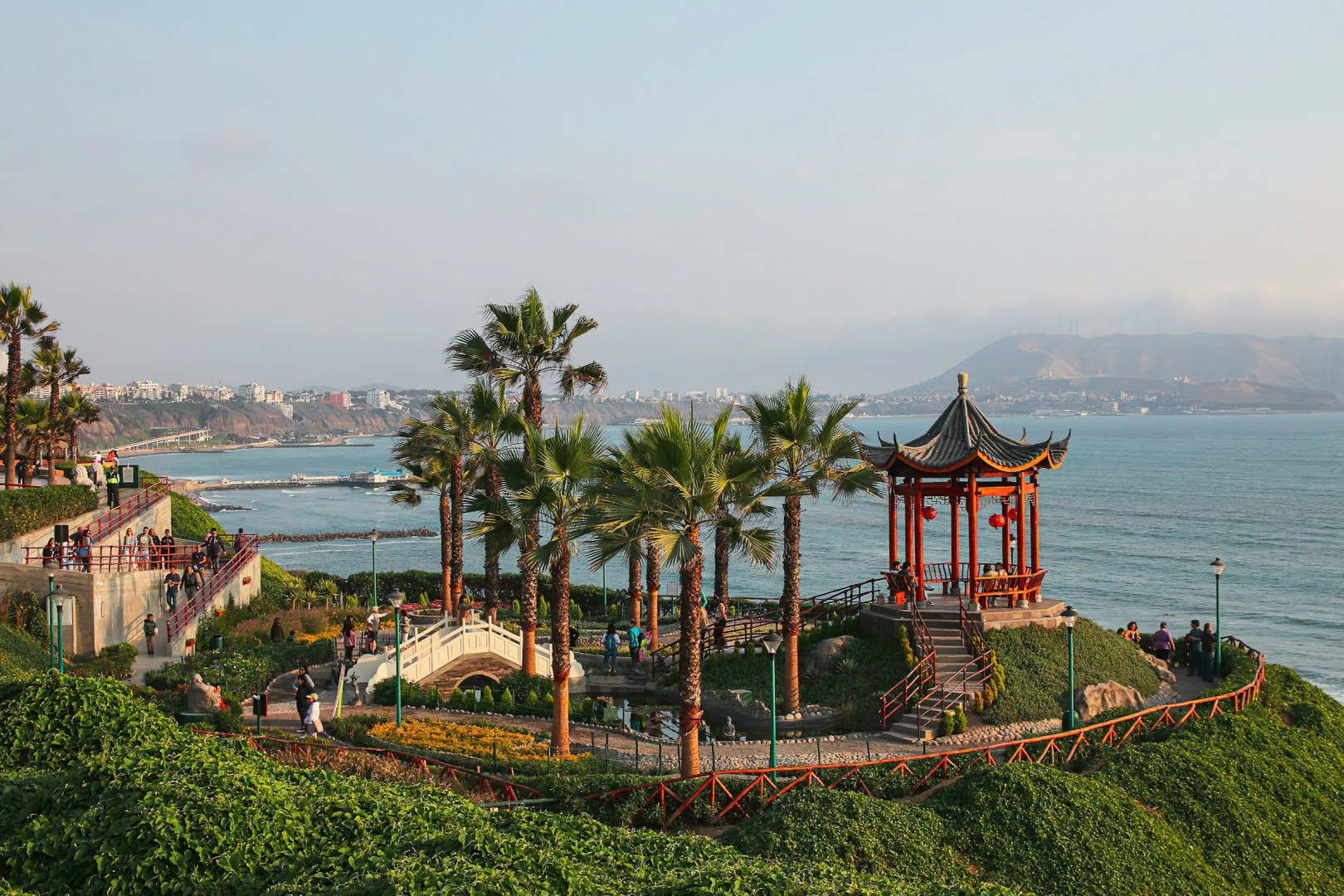
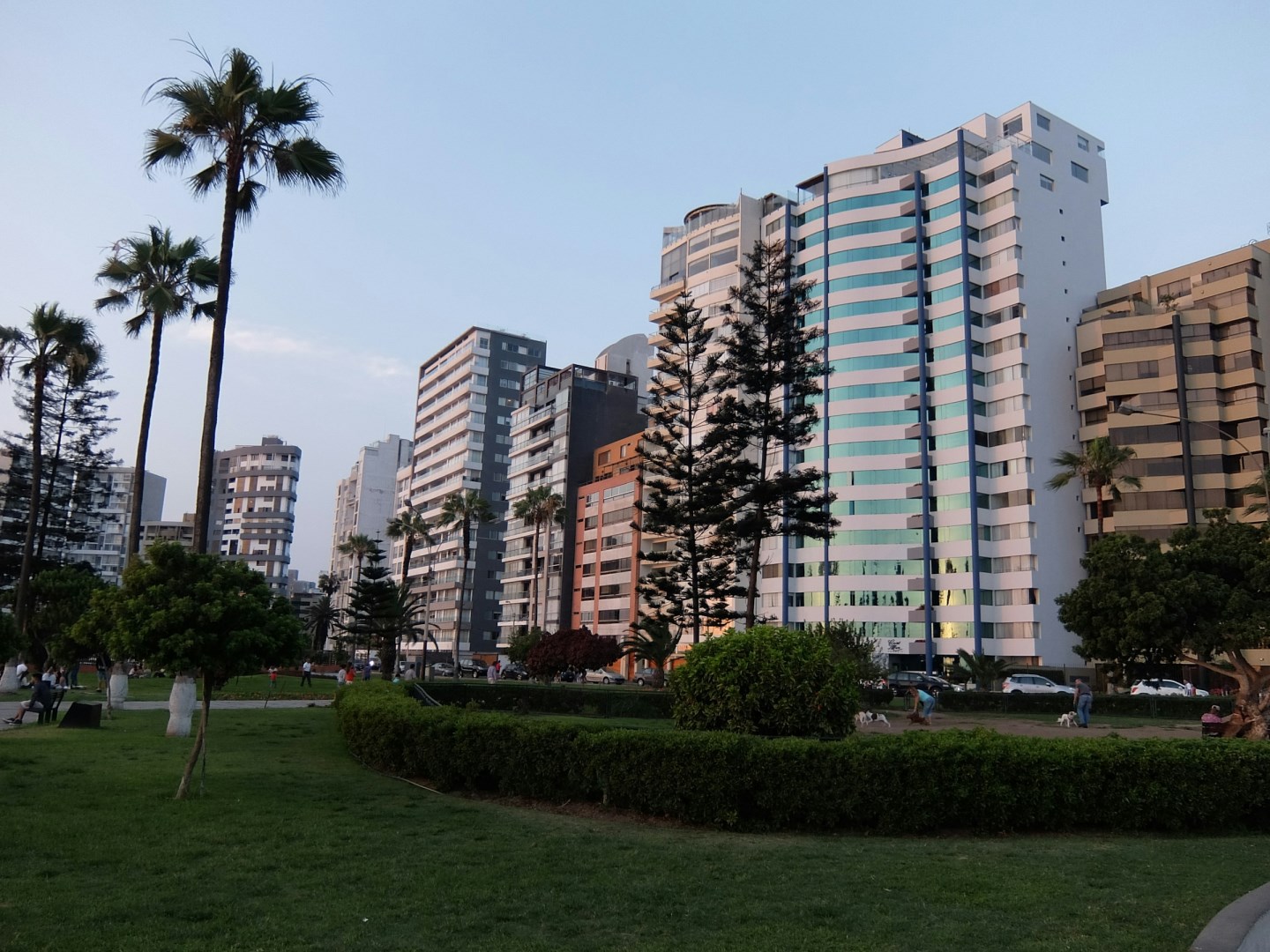
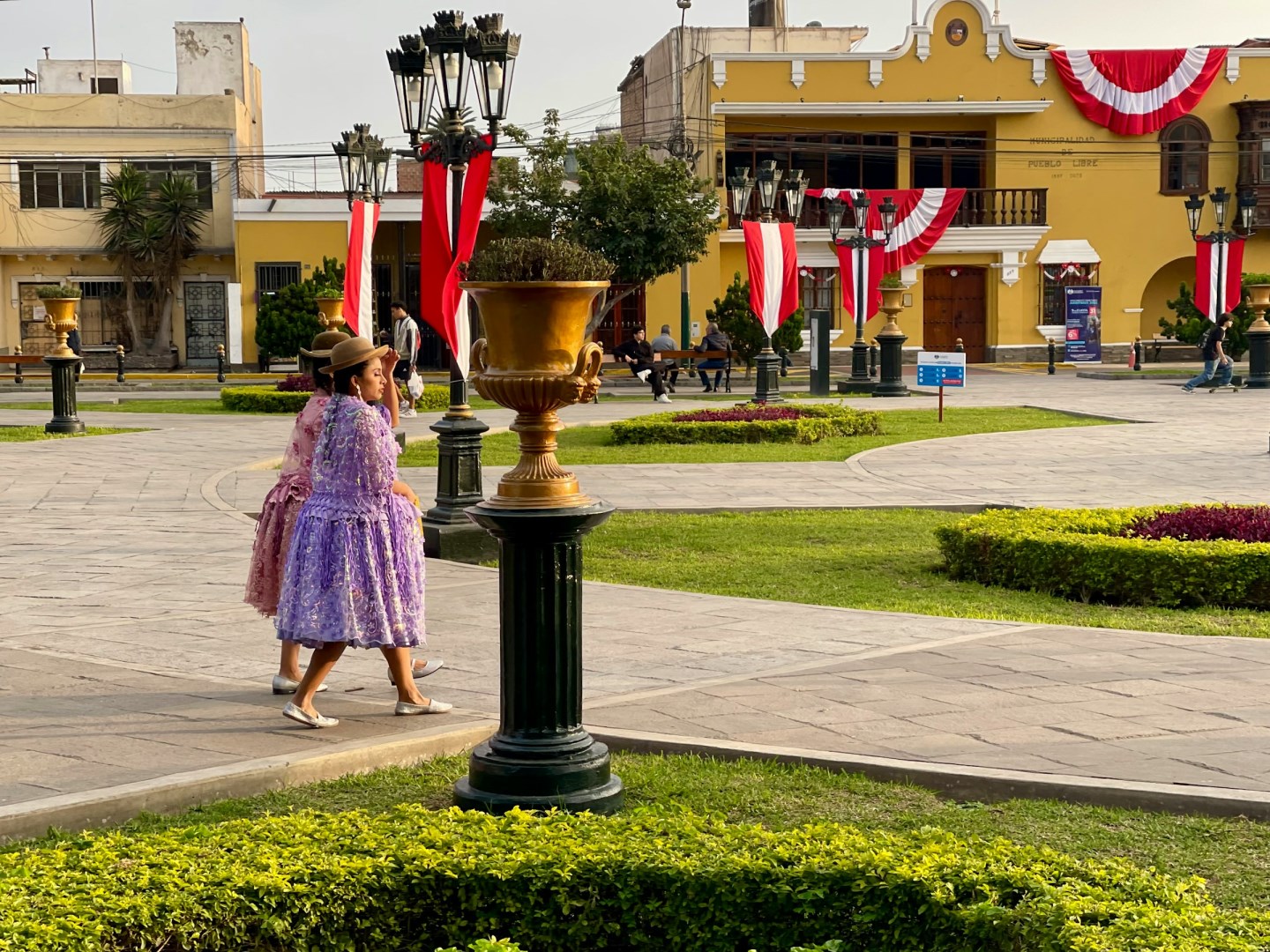
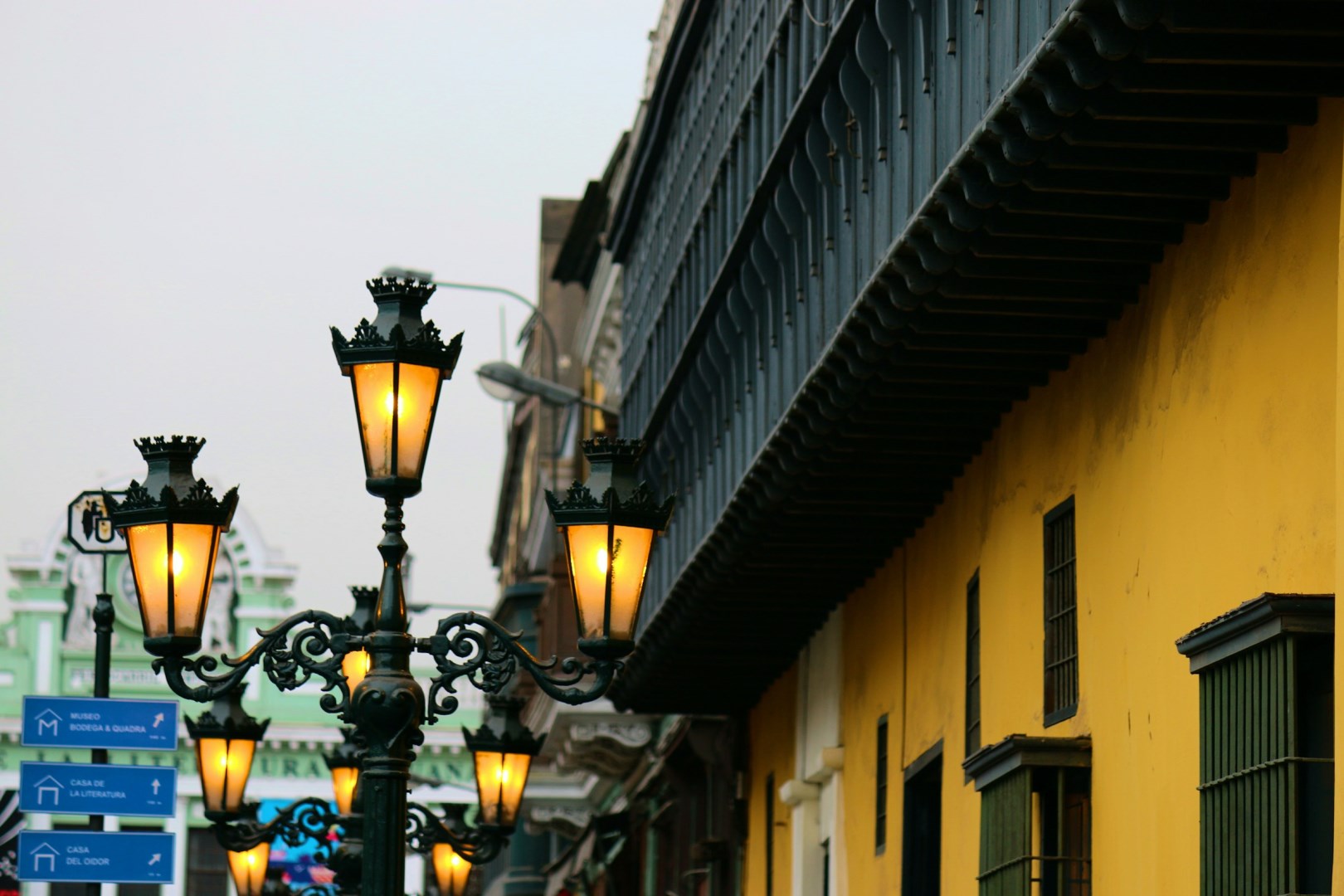
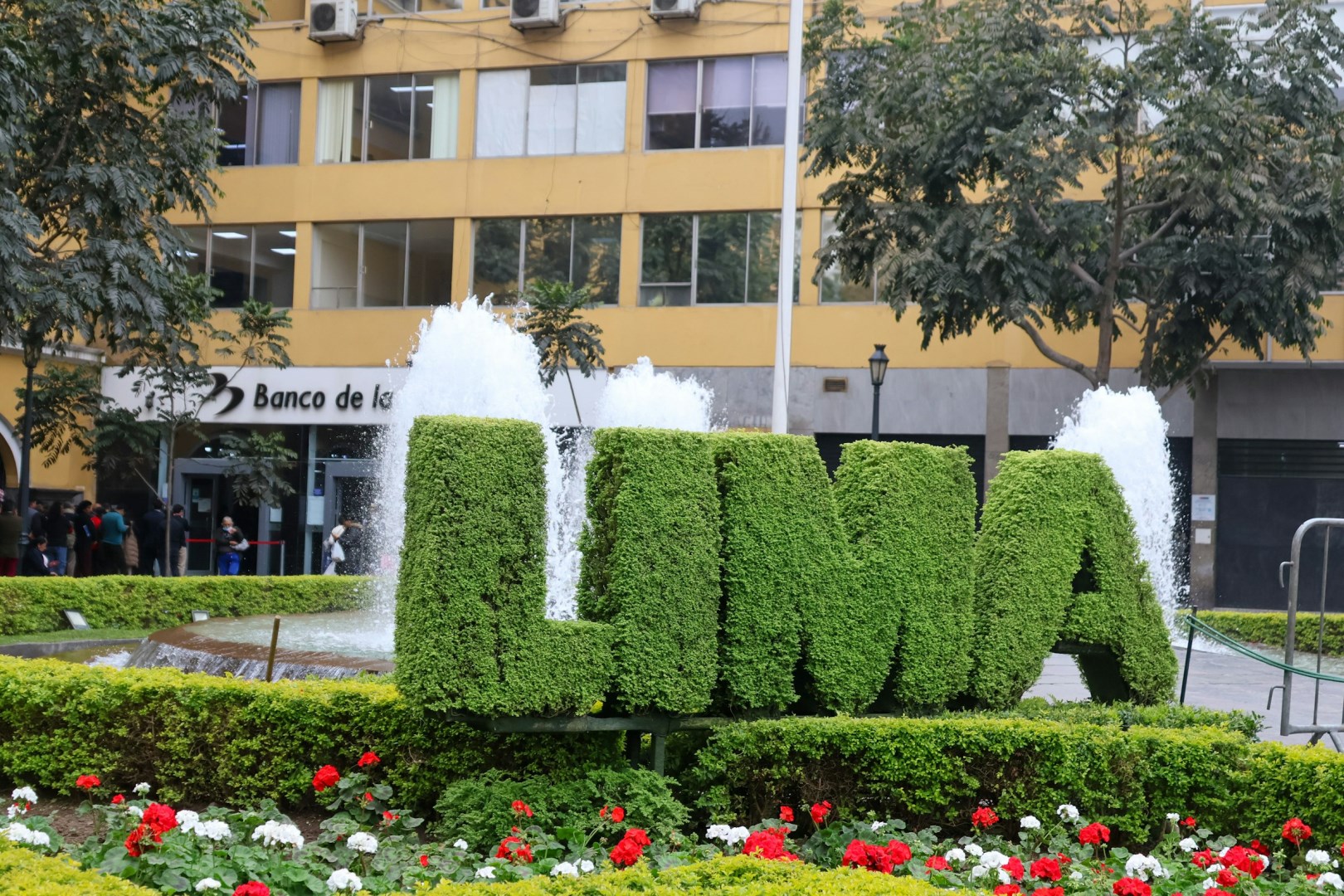
Lima's sprawling size and unique embrace of both past and present make it an unforgettably unique destination. Colonial architecture, gastronomical delights, and art are all part of the fabric of this city. Visitors flock to Plaza De Armas De Lima, the spectacular birthplace of Lima, and Huaca Pucllana, a vast adobe and clay pyramid in central Lima. Additionally, UNESCO World Heritage Site Basilica y Convento de San Francisco (St. Francis Monastery) is a can't-miss part of the historic city center. This busy metropolis faces the Pacific Ocean and its popular seaport is Callao, about eight miles from the city center.
Other Popular Destinations in Peru
Cusco
Cusco once served as the heart of the Inca Empire, and that legacy still shapes every corner of the city even as it serves as a gateway to Machu Picchu. Outside the historic center, the ruins of Sacsayhuamán overlook the city from a nearby hilltop. This ceremonial complex is best known for its massive zigzag stone walls, some weighing over 100 tons. During the Inti Raymi festival in June, thousands gather here to reenact ancient Andean rituals.
Machu Picchu
Machu Picchu is a story carved into stone, perched nearly 2,500 meters above sea level in the cloud forests of southern Peru. Built in the 15th century and later abandoned, this Inca citadel was unknown to the outside world until 1911, when explorer Hiram Bingham brought it to international attention. Today, it remains remarkably well-preserved, with more than 150 stone structures, terraced fields, ceremonial fountains, and temples aligned with astronomical events.