Chandler
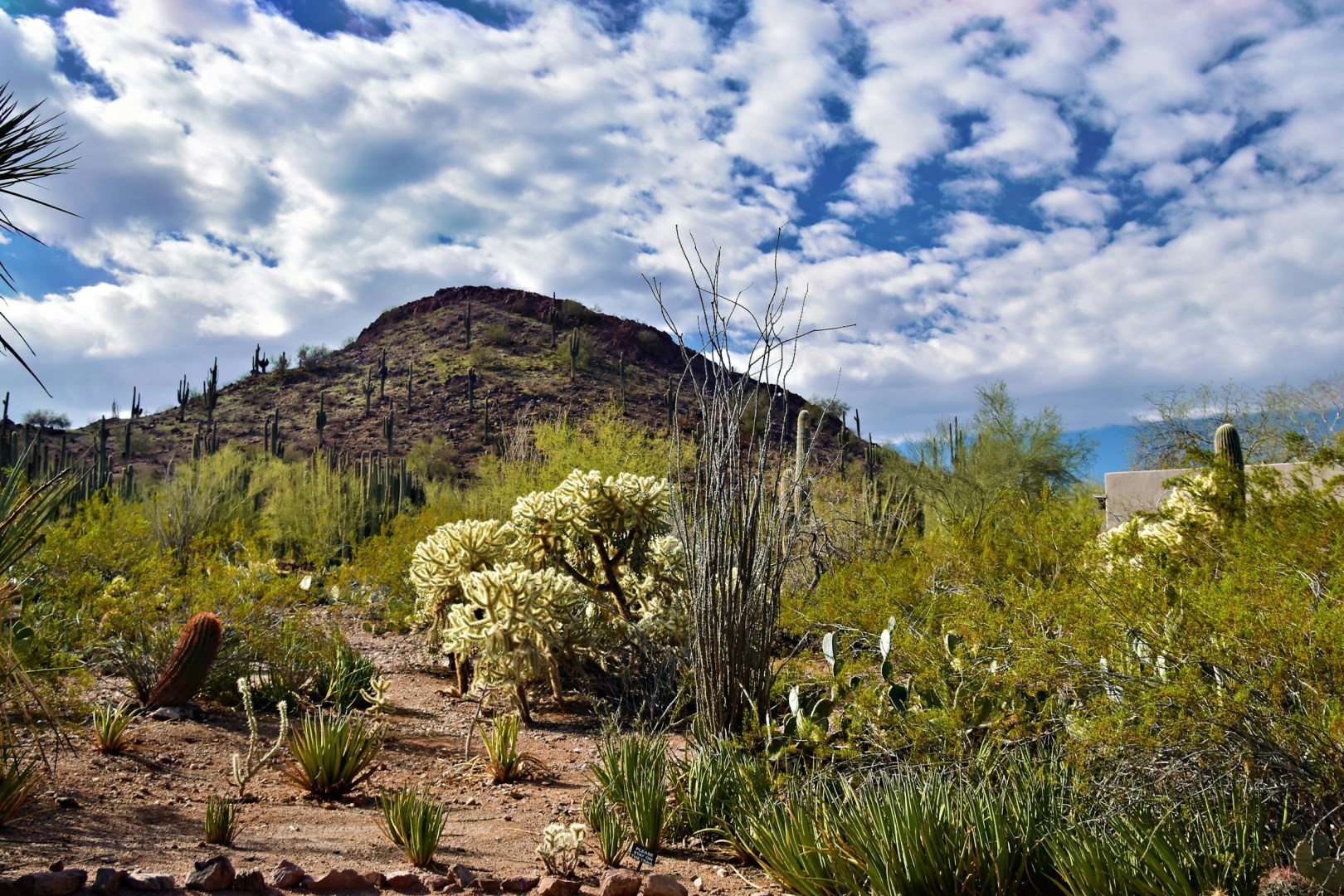
Chandler, located in the southeastern part of the Phoenix metropolitan area in Arizona, is a vibrant city that balances modern urban amenities with a strong sense of community and history. Originally founded as an agricultural town in the early 20th century, Chandler has grown into a hub for technology, education, and culture, while still celebrating its roots through local heritage sites and events.
Rio Dulce
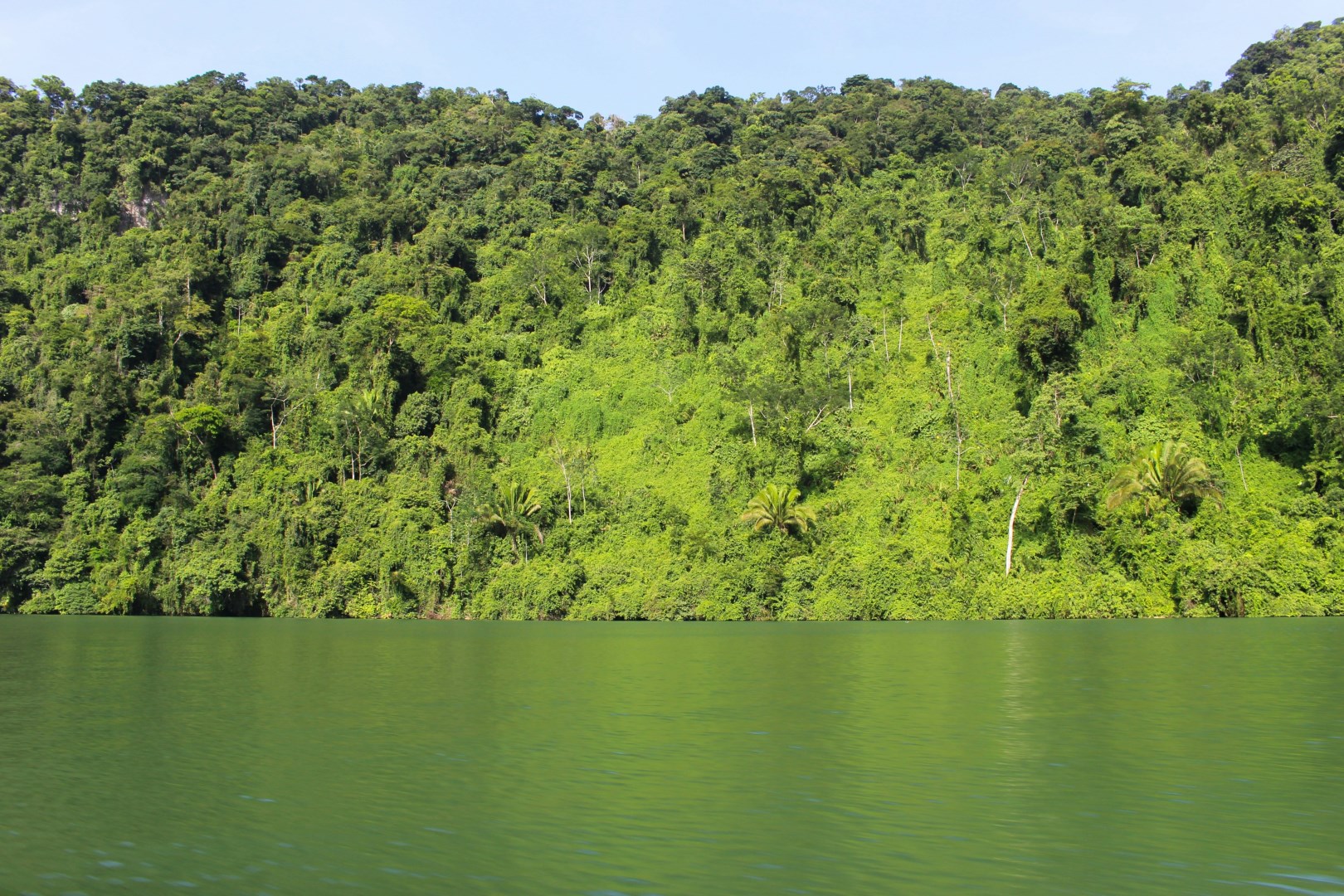
Rio Dulce is a river region in eastern Guatemala that connects Lake Izabal to the Caribbean Sea. The area is centered around the town of Fronteras and the long waterway that cuts through tropical forest, limestone cliffs, and wetland habitats.
Uzbekistan
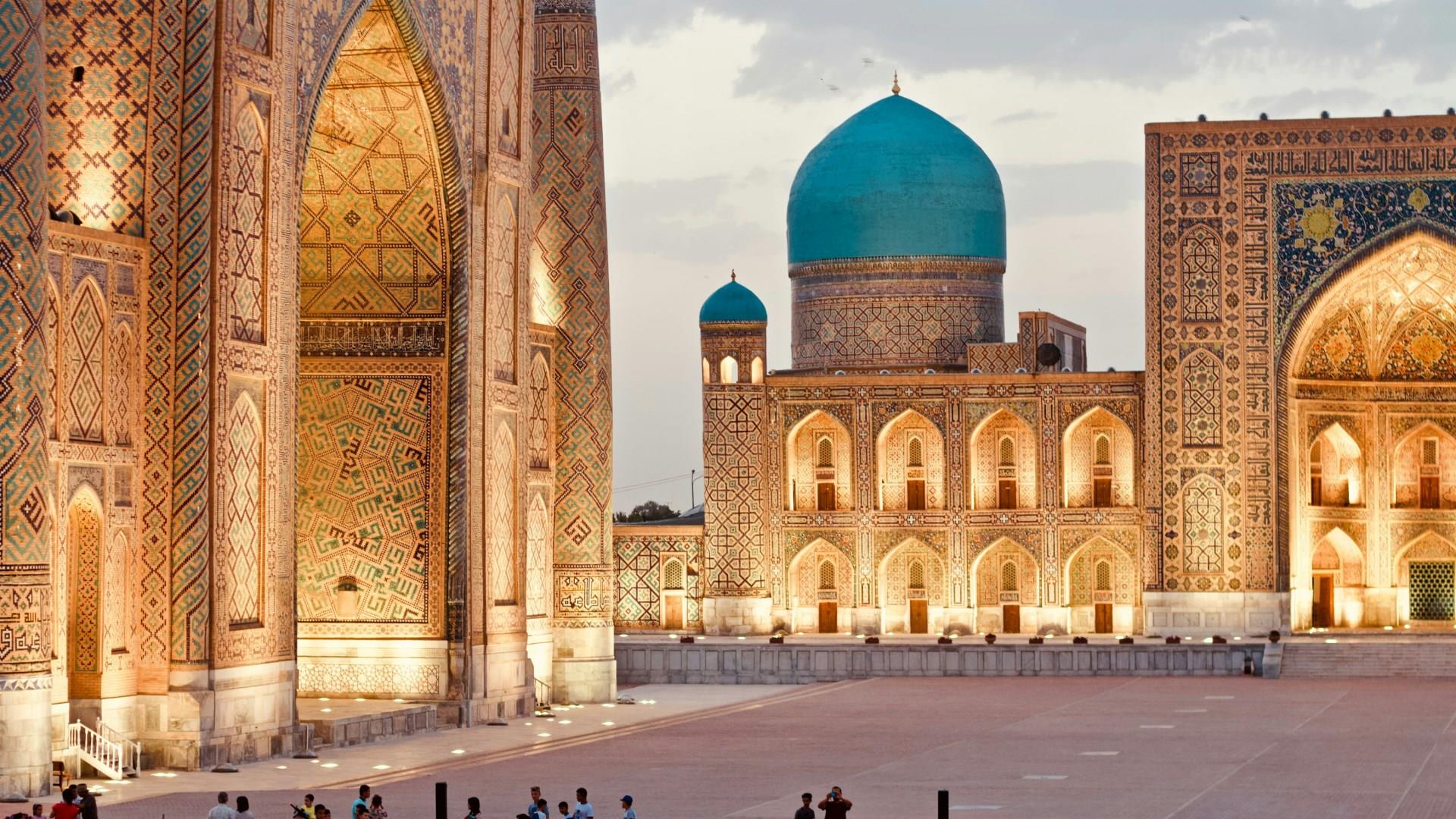
Uzbekistan lies at the heart of Central Asia and is renowned for its pivotal role along the ancient Silk Road. The country is home to some of the world’s most storied cities, where intricate Islamic architecture and centuries of trade have left a rich cultural legacy.
Duluth
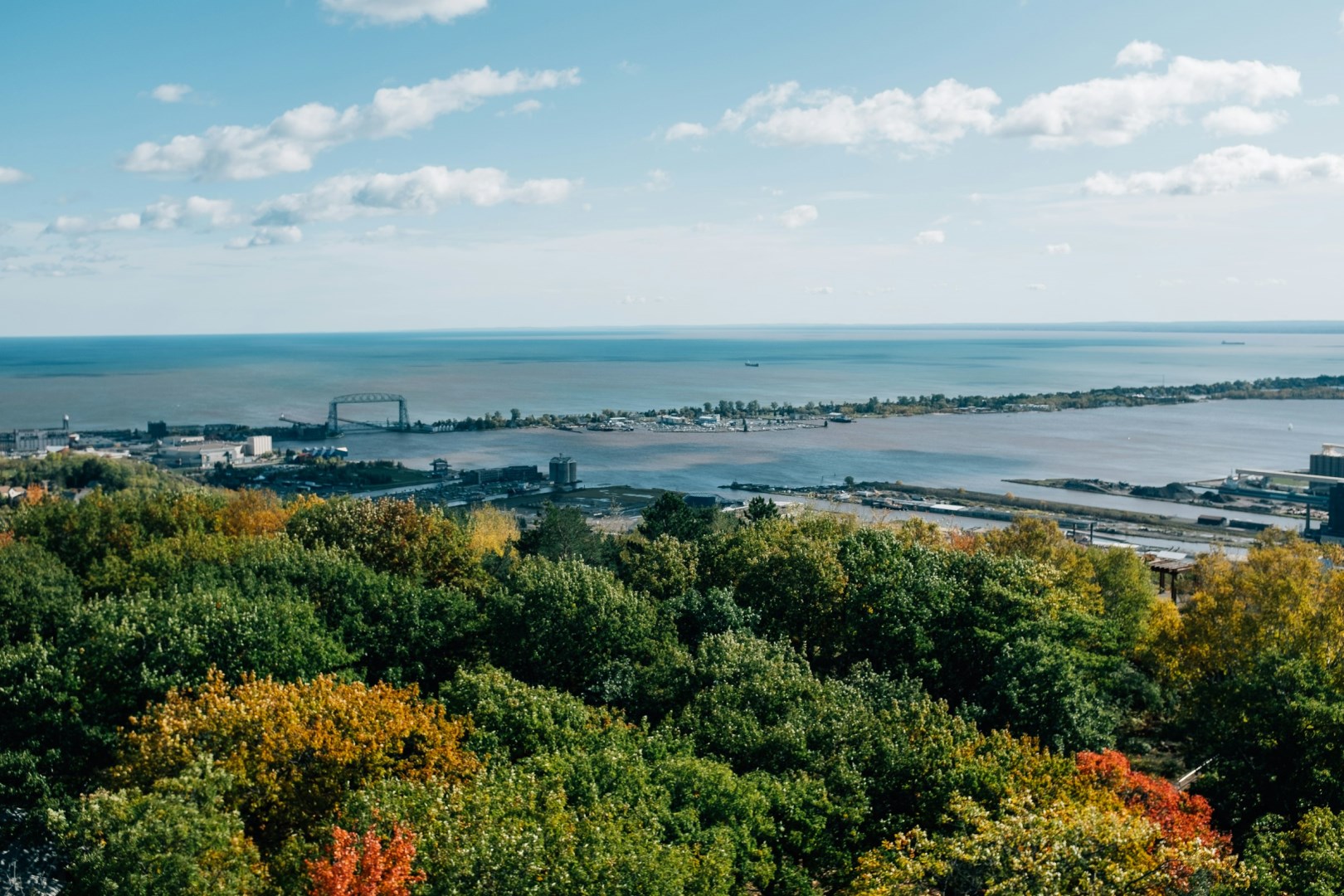
Located on Lake Superior, Duluth is a gateway for a year-round resort area, and tourism is a major industry.

Jeddah
Jeddah sits along Saudi Arabia’s Red Sea coast and has long served as a gateway between the Arabian Peninsula and the wider world. For centuries, merchants, pilgrims, and travelers passed through its port on the way to Mecca, shaping a city known for openness and exchange.