Toiny
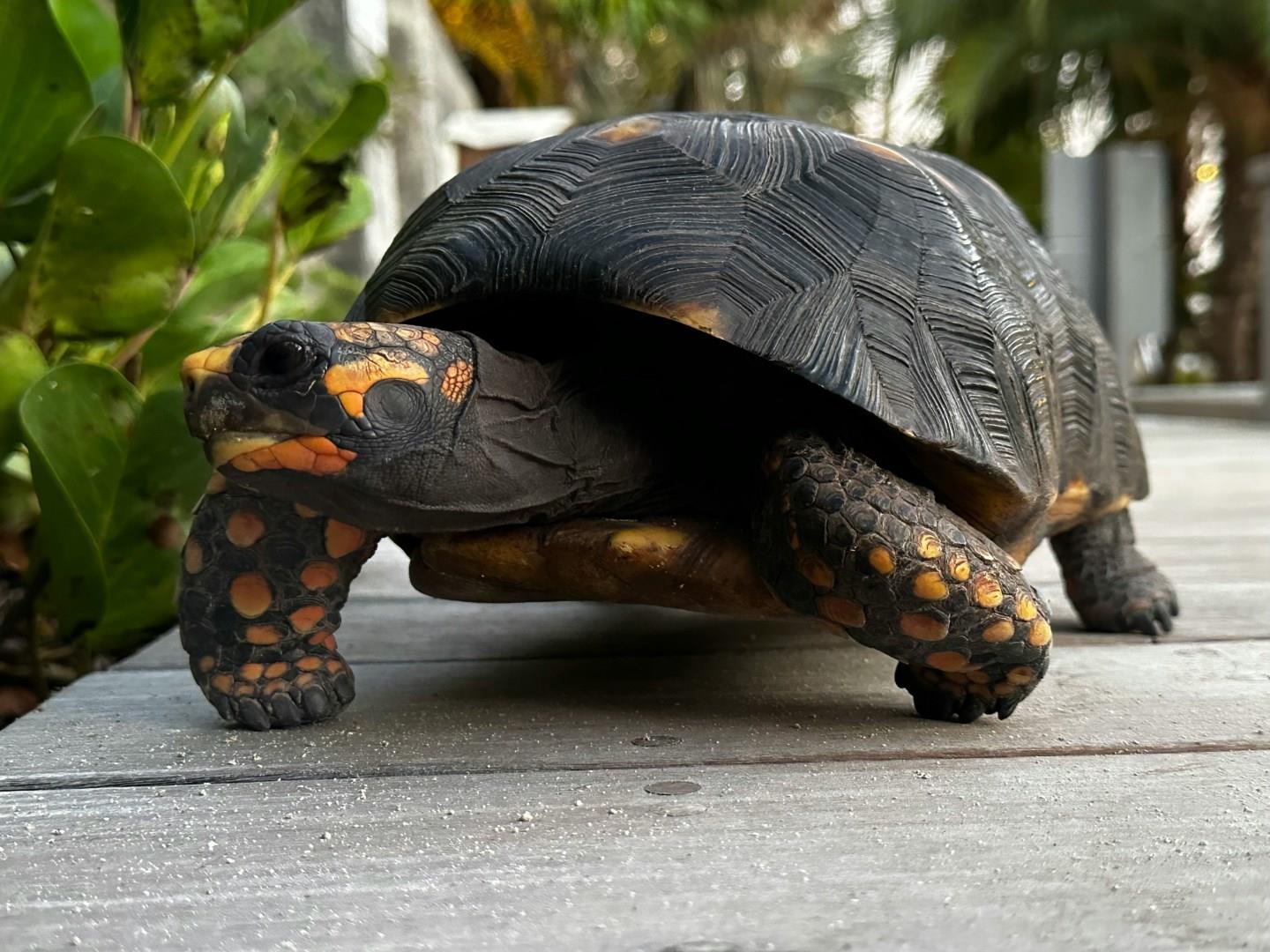
Toiny is a quiet, scenic village located on the eastern coast of Saint Barthélemy (St. Barts), known for its unspoiled natural surroundings and authentic Caribbean charm. Unlike the more developed west coast beaches, Toiny offers a serene retreat where rolling hills meet the Atlantic Ocean, and dramatic cliffs frame the coastline.
South Sandwich Islands
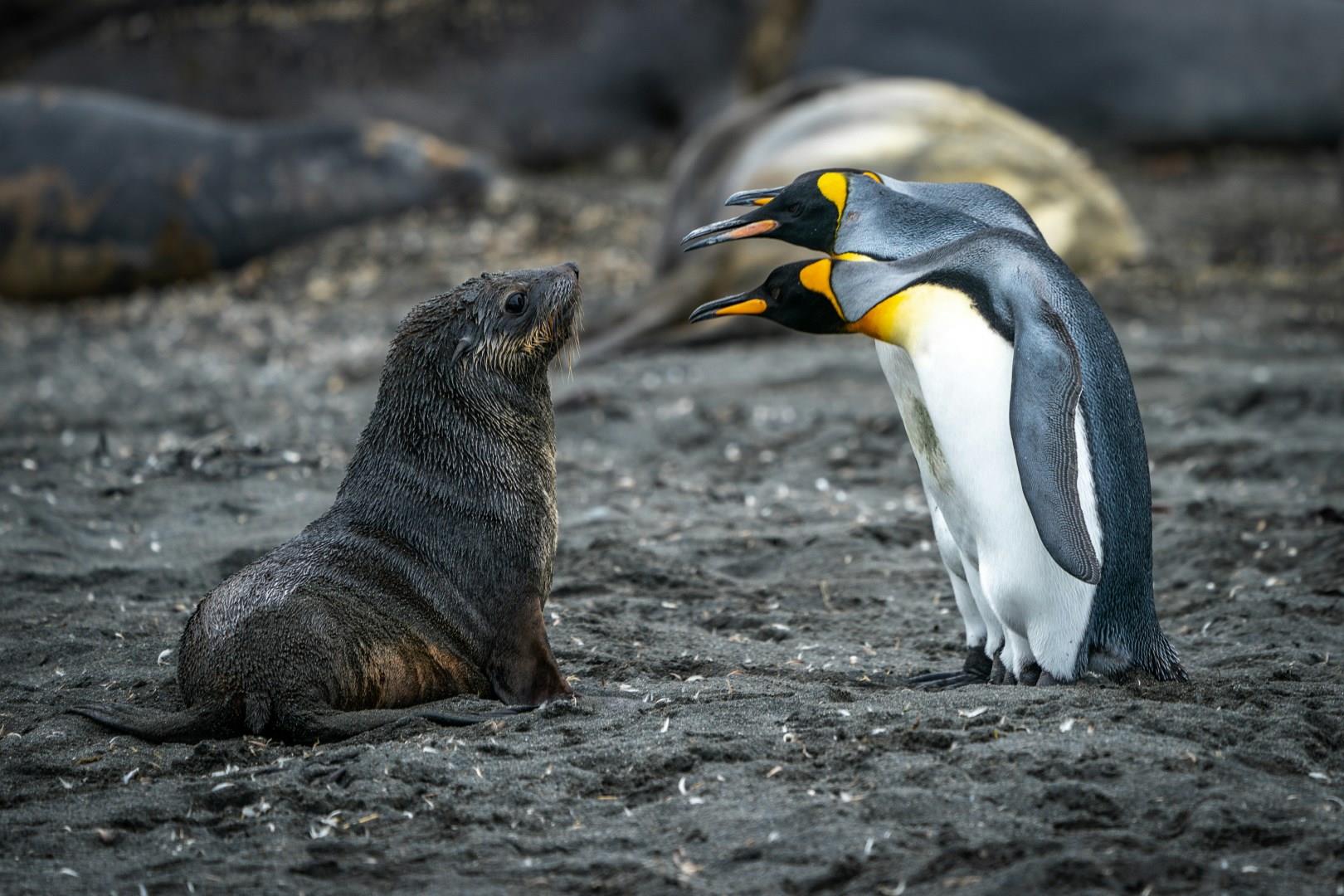
The South Sandwich Islands are among the most remote places on Earth, a chain of volcanic peaks rising from the Southern Ocean, over 1,300 kilometers southeast of South Georgia. With no permanent residents, no ports, and no infrastructure, these islands remain untouched by tourism in the conventional sense. What they offer instead is a rare glimpse into one of the planet’s most extreme and least disturbed environments.
Te Anau
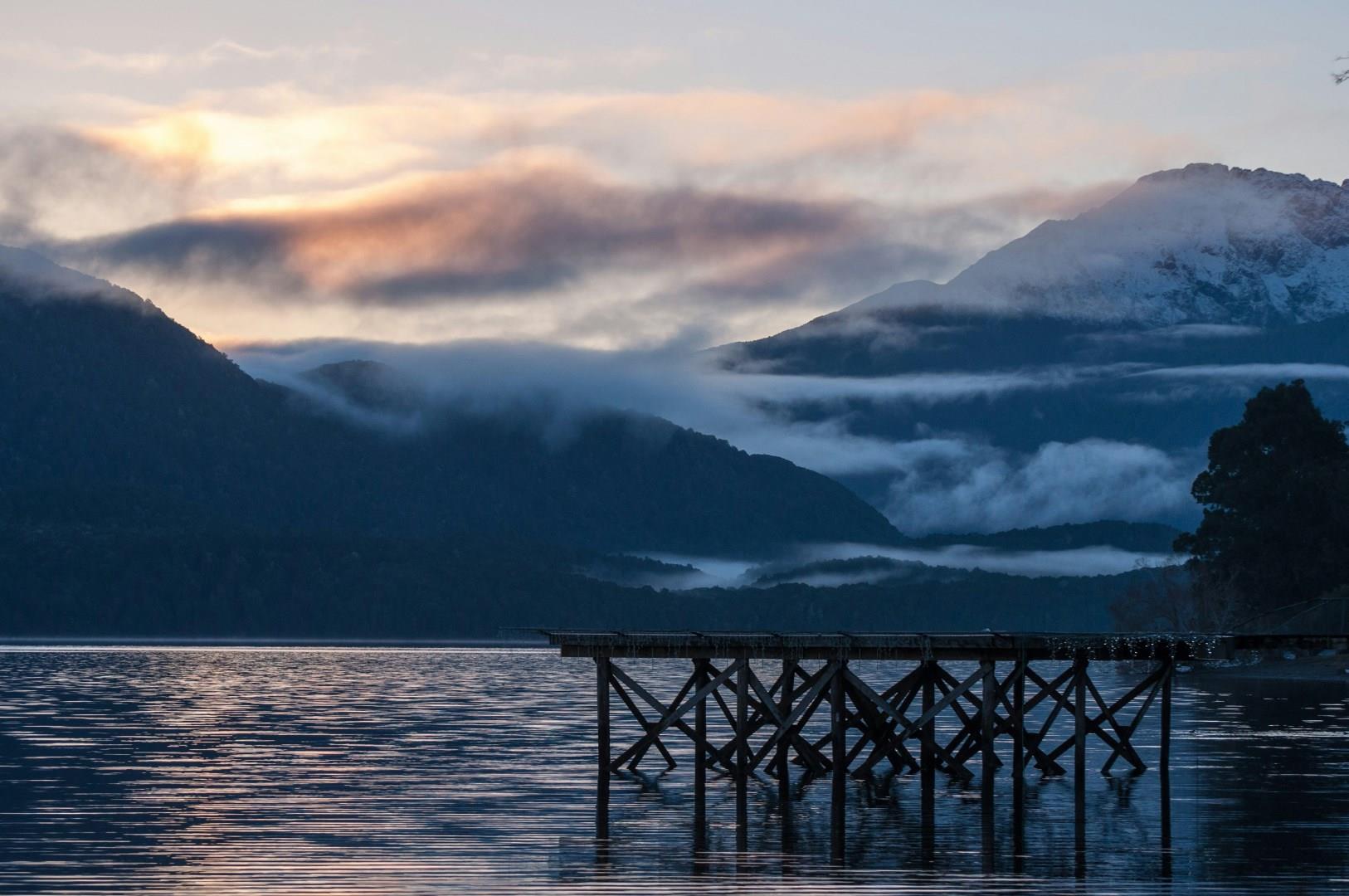
Te Anau sits on the edge of New Zealand’s second-largest lake, acting as the unofficial gateway to Fiordland National Park. While it’s often viewed as a starting point for trips to Milford Sound, the town itself offers a slower, more scenic way to experience the South Island’s dramatic landscapes. Te Anau’s lakefront is a mix of walking paths, local birdlife, and wide-open views across snow-dusted peaks.

Cobh
Cobh, a colorful harbor town in County Cork, holds a unique place in Irish history and maritime heritage. Once known as Queenstown, it was the final port of call for the Titanic in 1912. Today, the Titanic Experience Cobh offers visitors a chance to step into the footsteps of the 123 passengers who boarded that day. Located in the original White Star Line ticket office, the museum tells personal stories of those who left from this very spot, blending interactive exhibits with original artifacts.
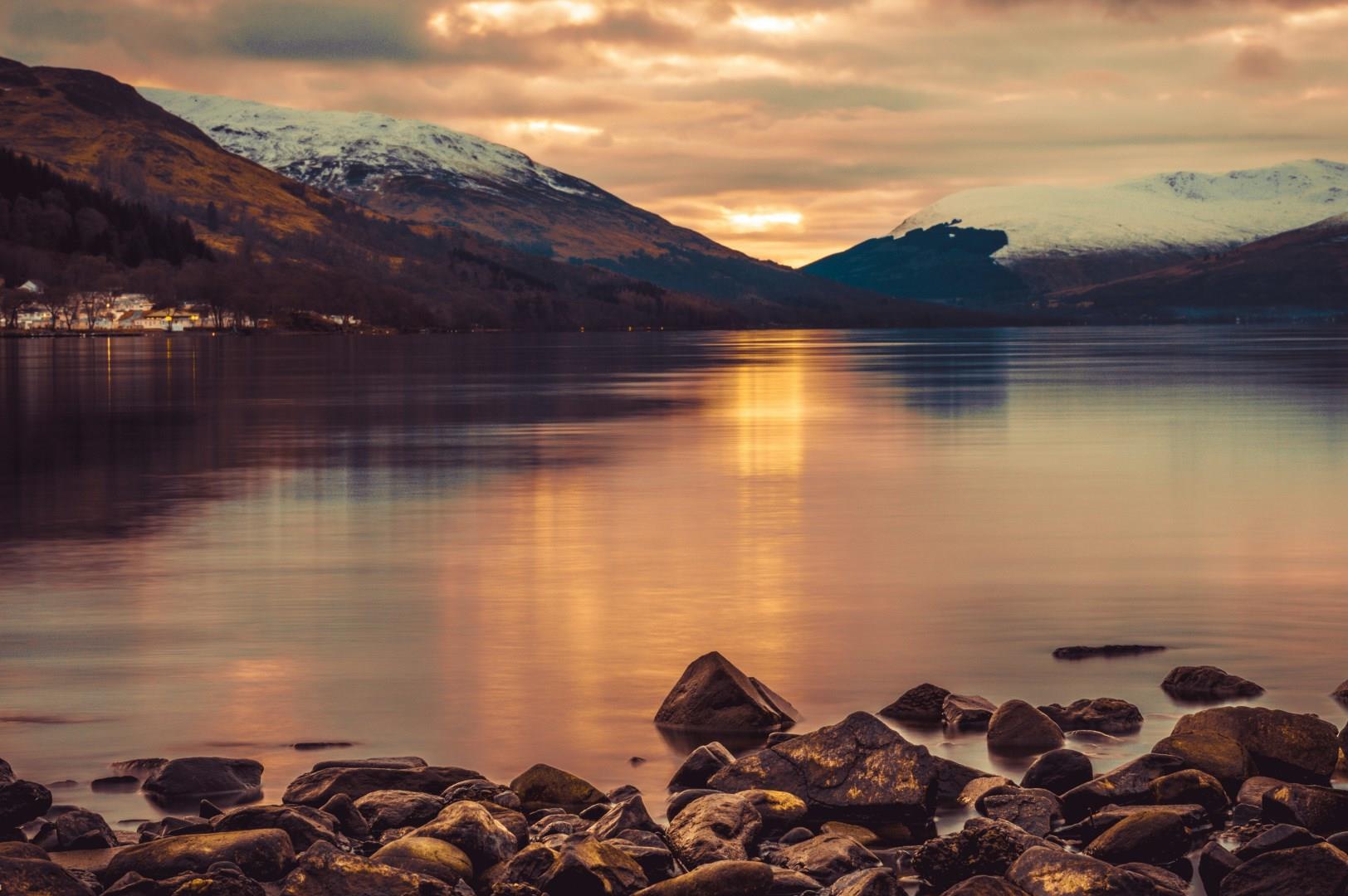
Loch Lomond
Loch Lomond, the largest lake in Great Britain by surface area, sits at the gateway to the Highlands and offers visitors a wide variety of ways to explore its islands, waters, and surrounding hills. Stretching over 22 miles and dotted with more than 30 islands, the loch has long been a source of inspiration for poets, musicians, and travelers.