Luanada
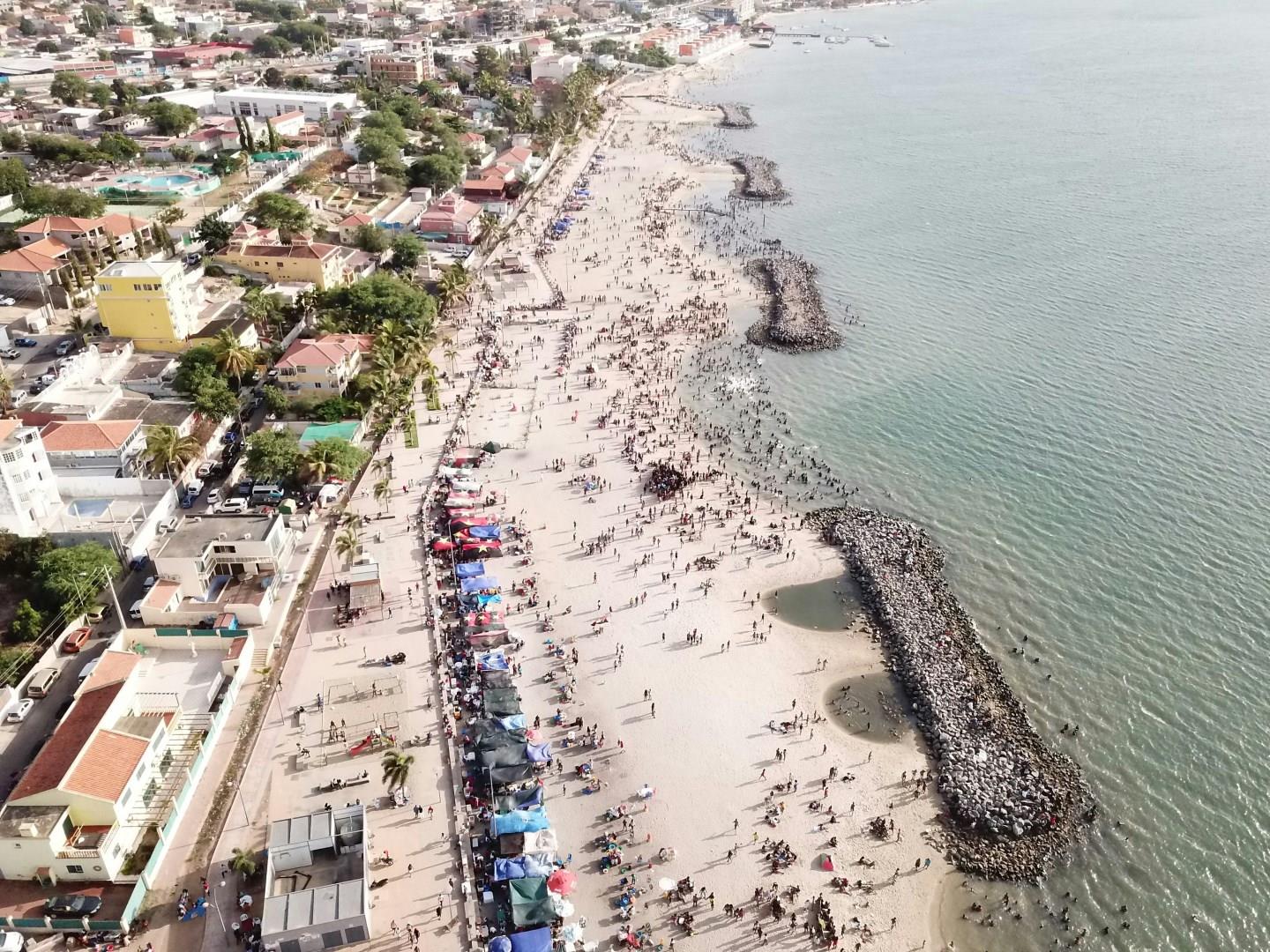
Luanda, the vibrant capital of Angola, is the country's largest city and primary economic hub, known for its bustling energy and rich cultural scene. Modern Luanda is characterized by its dynamic growth and development. The city boasts an impressive skyline, including the Avenida 4 de Fevereiro, a major thoroughfare lined with modern high-rises and vibrant markets. The Baía de Luanda, a stunning bay area, offers beautiful waterfront promenades and opportunities for relaxation and leisure.
Cuiabá
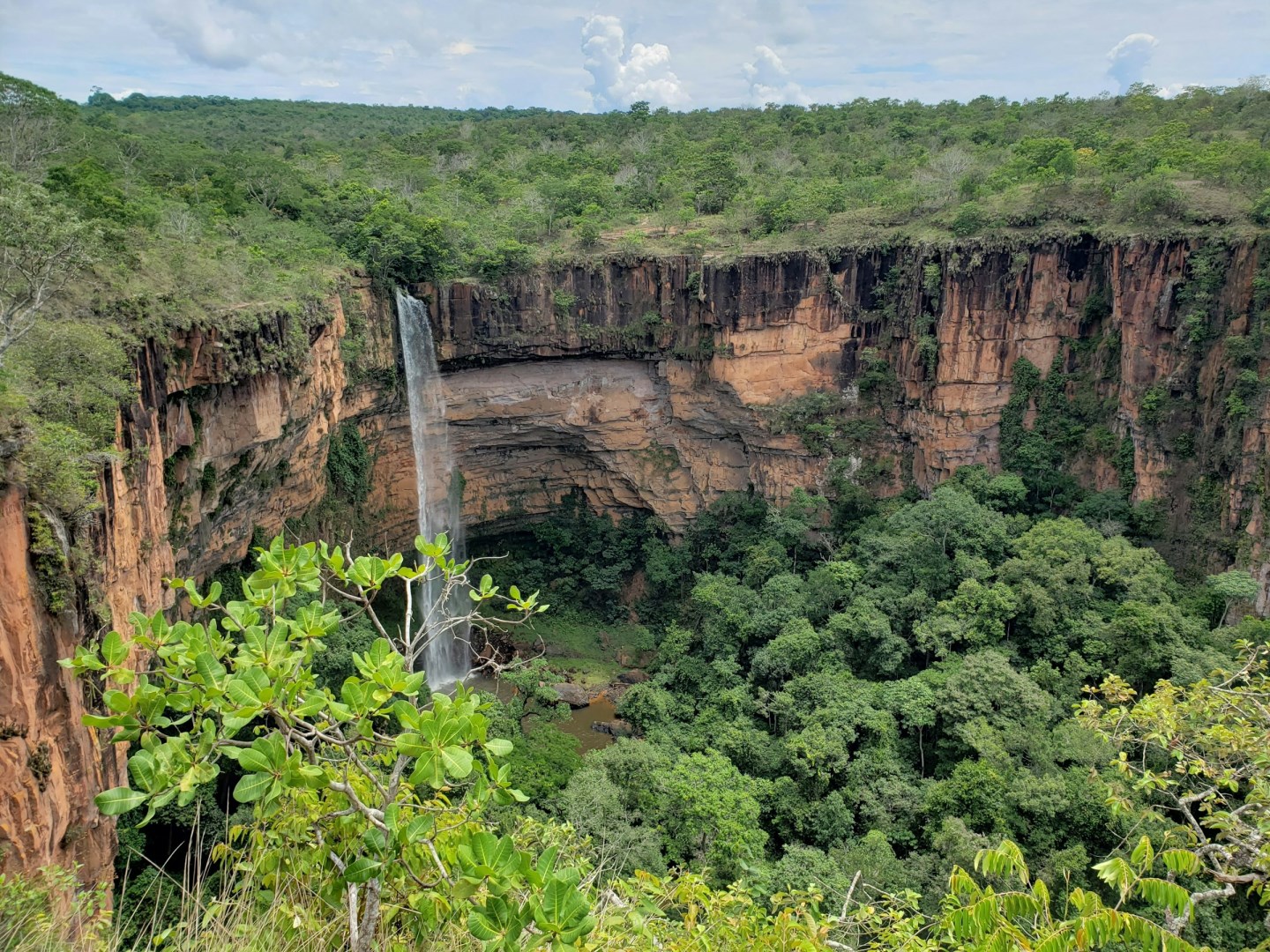
Cuiabá is the capital of Mato Grosso in central-western Brazil and an important gateway to the Pantanal, Chapada dos Guimarães, and other natural areas of the state. The city developed around gold mining and later became an important regional center along the Cuiabá River. Its historic center contains colonial churches, traditional houses, and public squares, while newer districts extend well beyond the old city.
Isla Mujeres
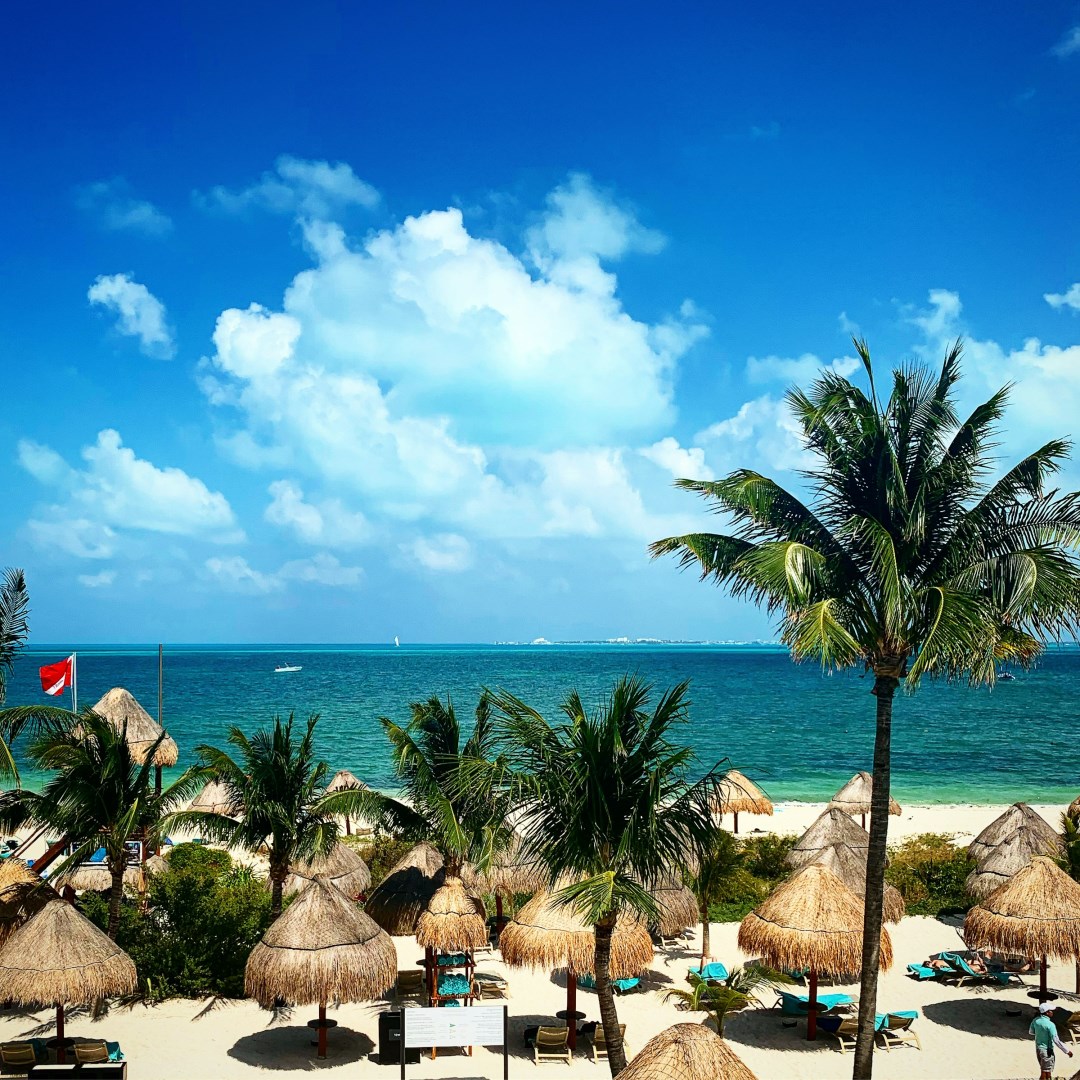
North of Cancun, the island was first discovered by the Spanish in the 1500's. It has numerous Mayan ruins, many badly eroded. It is also a sanctuary for sea turtles.
Langtang National Park
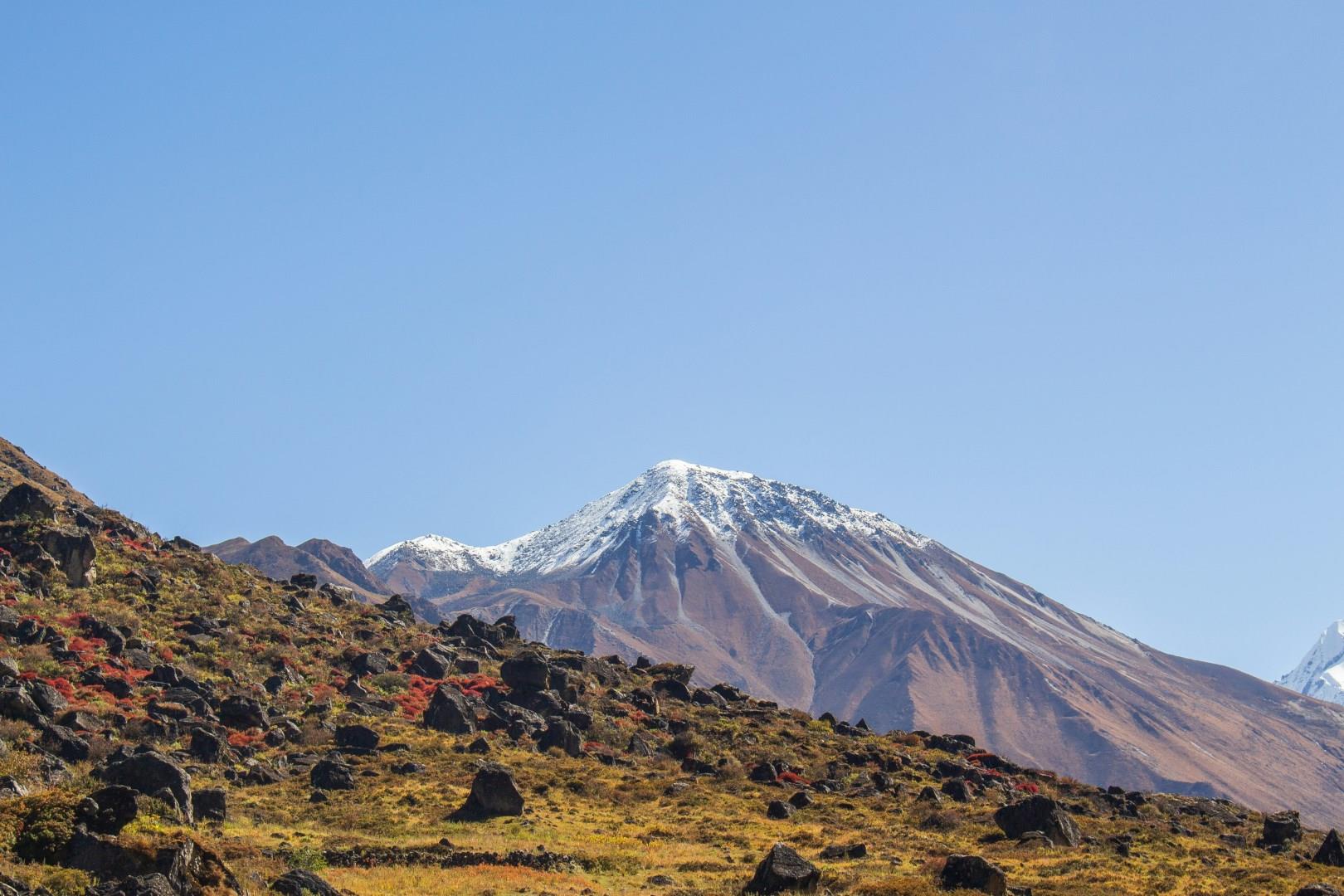
Langtang National Park lies just north of Kathmandu, yet it feels far removed from the city’s pace. As Nepal’s first Himalayan national park, it stretches from lush river valleys to high alpine ridges close to the Tibetan border. Snow-covered peaks such as Langtang Lirung rise above forests of oak, maple, and rhododendron, creating dramatic shifts in scenery over short distances.

Tuscany
Tuscany, Italy, is a region where the essence of Italy's beauty, history, and culture is captured in its rolling hills, timeless villages, and world-class art. Famous for its postcard-perfect landscapes, Tuscany is where cypress-lined roads lead to centuries-old hilltop towns like Montepulciano and Montalcino, which are steeped in history and offer some of Italy's finest wines, including the renowned Brunello di Montalcino. Tuscany is a treasure trove for lovers of art and architecture, boasting