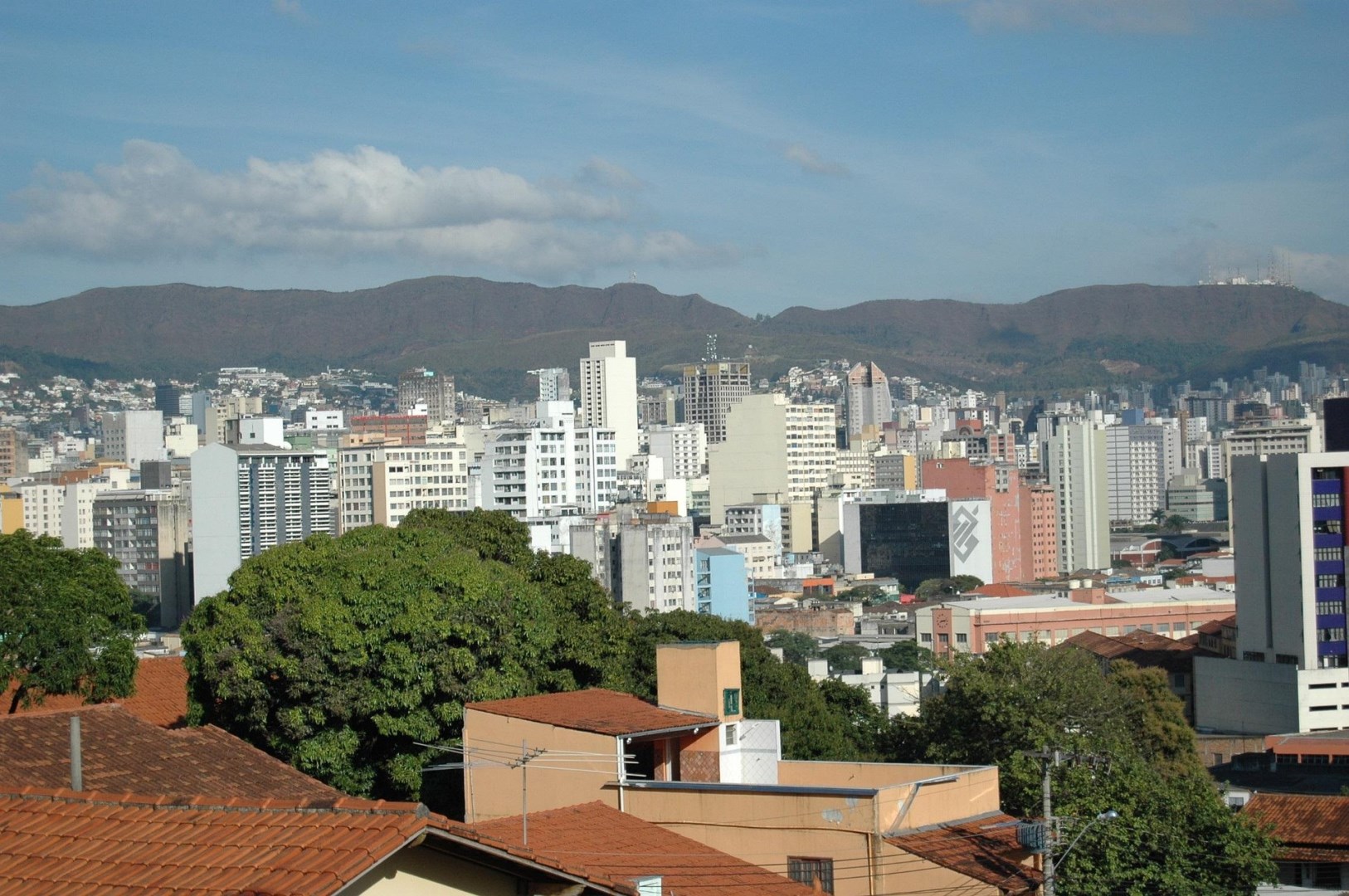
Belo Horizonte
Brazil's third largest city, Belo Horizonte was founded in 1897. Most of Brazil's gems and semi-precious stones are mined in this area and it is where you can find the best bargains, from aquamarines to imperial topaz. It is just 59 miles from Brazil's most historic colonial city, Ouro Preto.
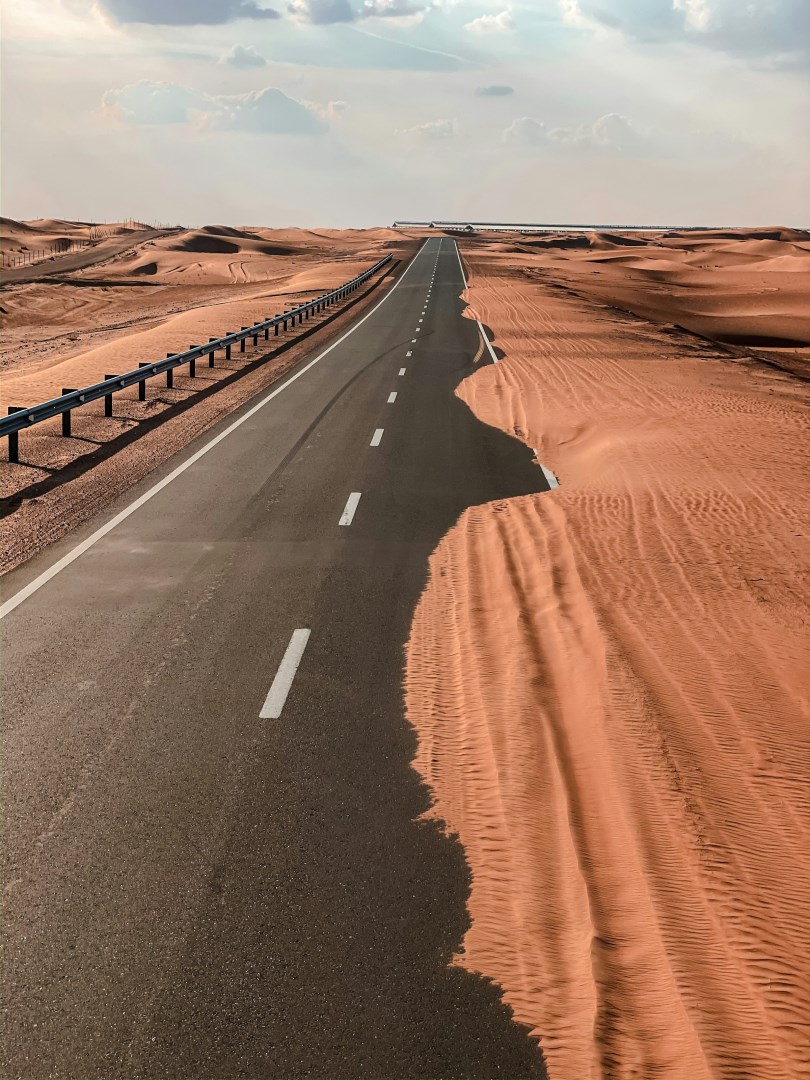
Al Ain
Al Ain is located about 160 km east of Abu Dhabi, and has its own international airport, which opened in 1994. Its many attractions include camel races, ancient forts, a zoo, museums, and the Jabal Hafit Mountain.
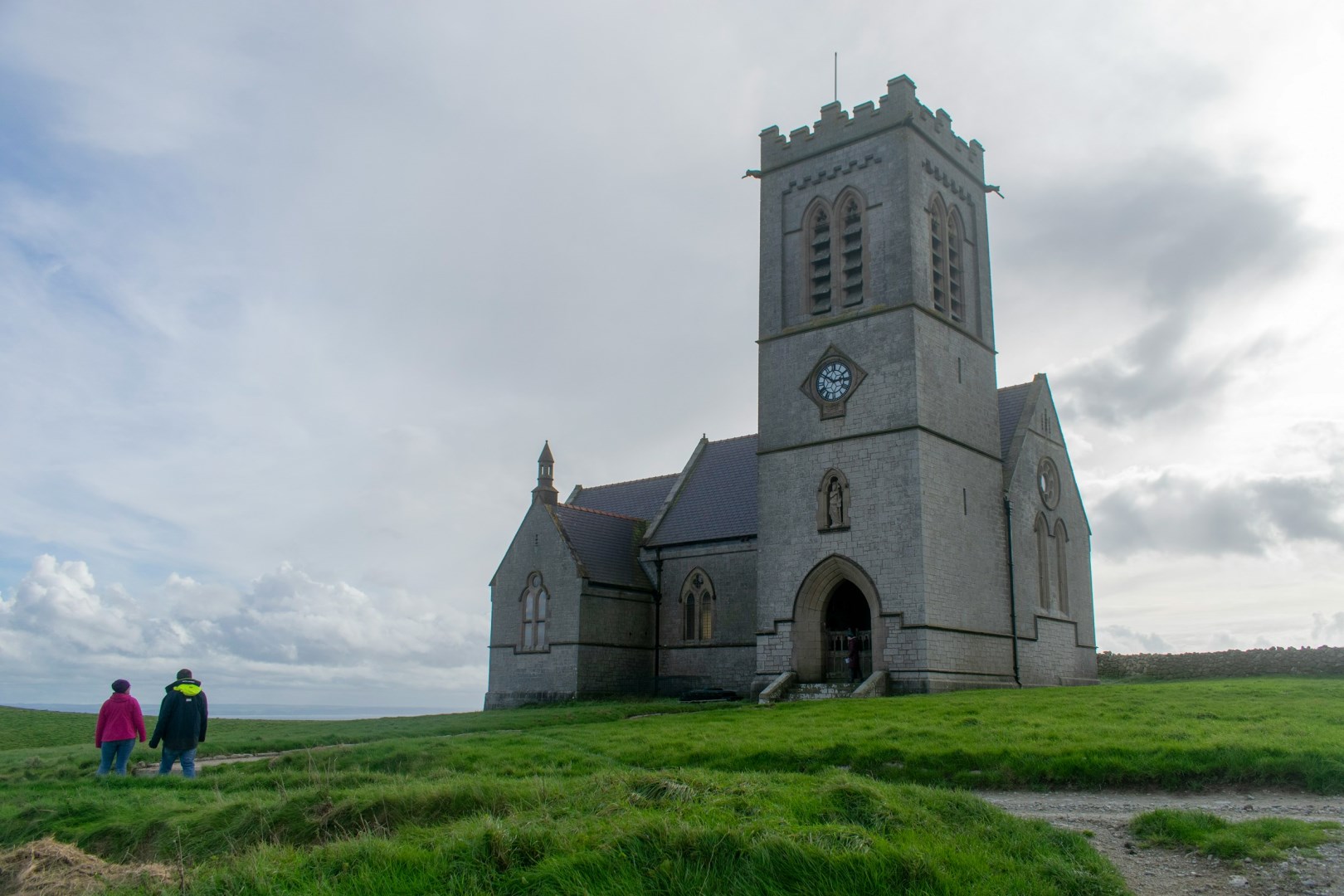
Isle Of Lundy
Lundy is a small granite island in the Bristol Channel, about 12 miles off the coast of North Devon. Roughly three miles long and half a mile wide, it has a rugged western coastline of cliffs and a more sheltered eastern side with grassy slopes and Landing Bay. The island is owned by the National Trust and managed by the Landmark Trust, with a small resident community and no cars.
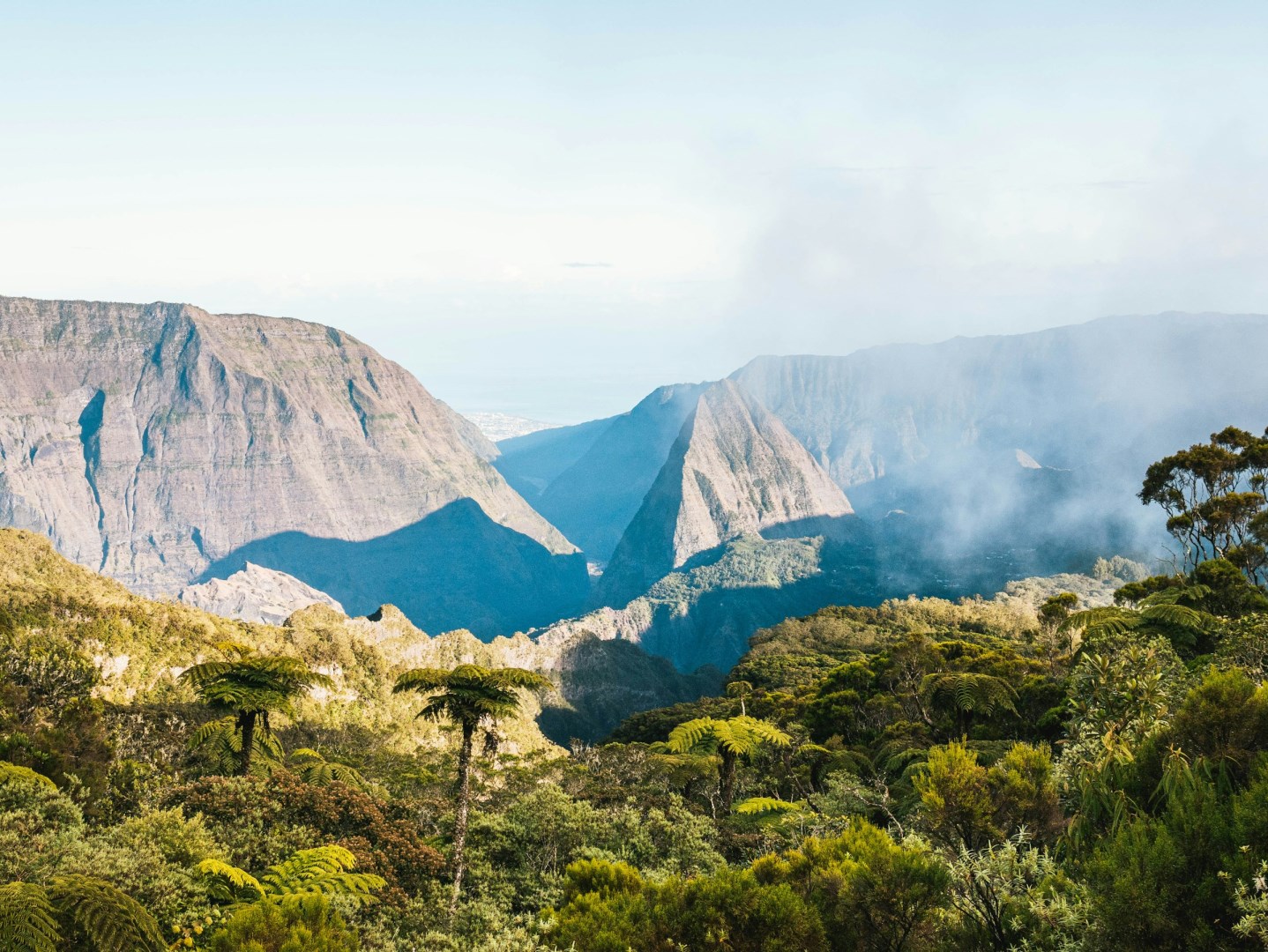
La Possession
La Possession is a commune on the northwestern coast of Réunion, a French island in the southwestern Indian Ocean.
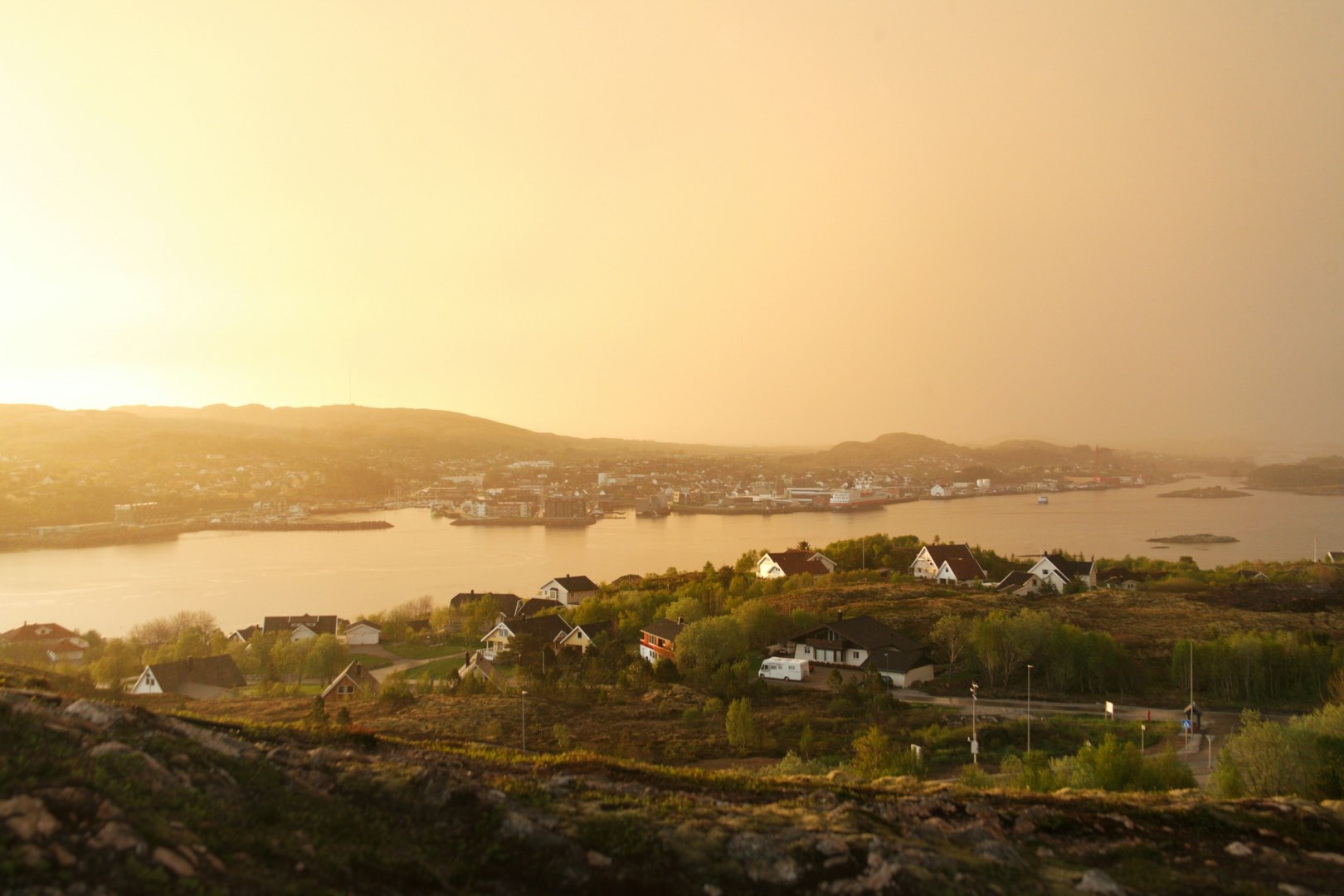
Rørvik
Rorvik is a busy fishing community on the eastern side of the Vikna archipelago. Outdoor activities abound in this maritime region, including kayaking, canoeing, fishing and diving. Several museums offer a look at Rorvik's culture and history, and wildlife enthusiasts will find a myriad of bird and fish species to observe.