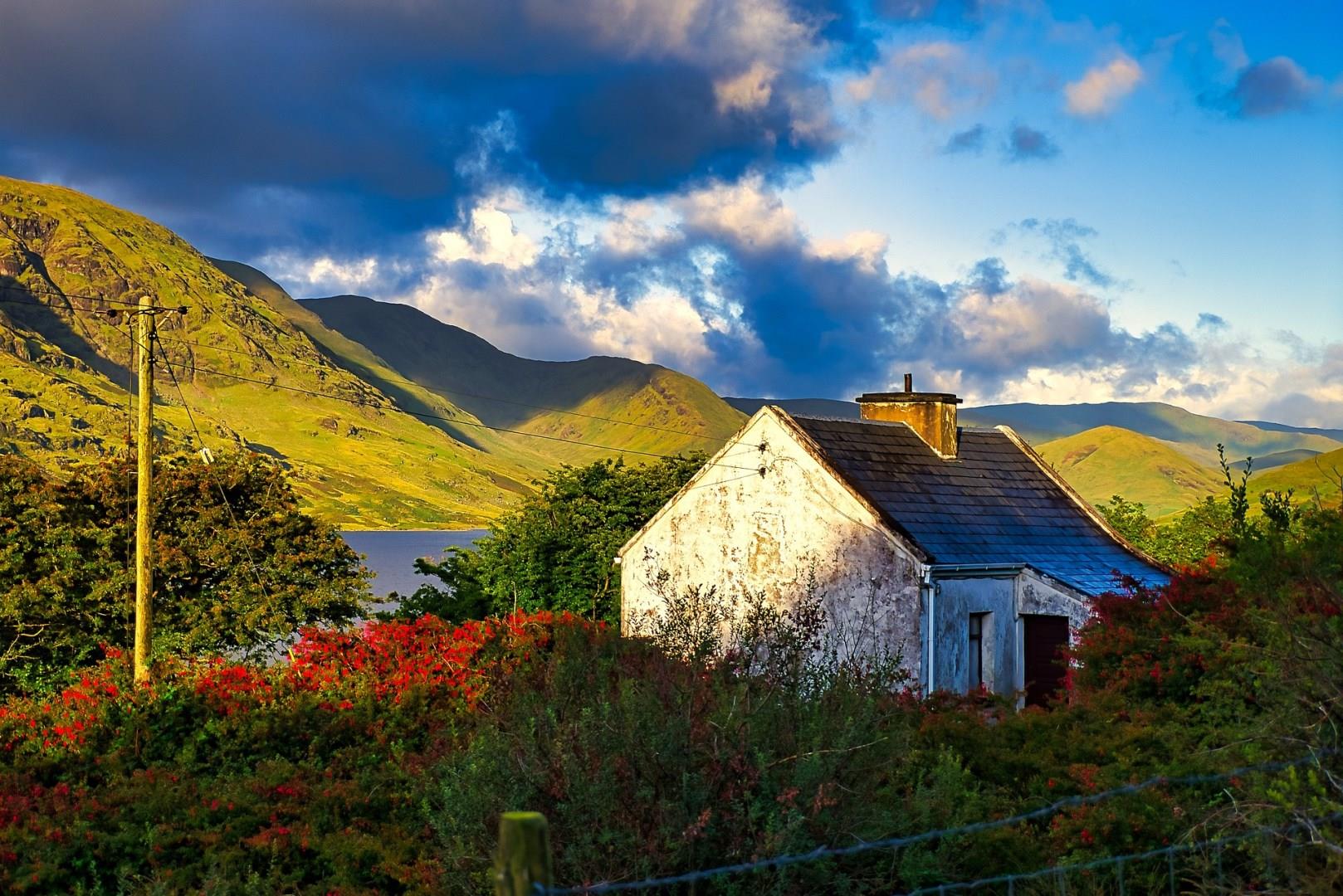
Connemara
Connemara, on Ireland’s rugged west coast in County Galway, is a region defined by its untamed landscapes, Gaelic traditions, and tranquil pace of life. Known for its windswept boglands, heather-covered hills, and granite mountains, Connemara feels both remote and deeply authentic, a place where Irish language and culture remain vibrant. The area has long inspired artists and writers drawn to its wild beauty and poetic solitude.

Cádiz
With its captivating blend of ancient history, sun-drenched beaches, and vibrant Andalusian culture, Cádiz, Spain, stands as one of Europe’s oldest continually inhabited cities. Founded over 3,000 years ago by the Phoenicians, this coastal gem in southern Spain offers a rich tapestry of historical sites and modern charms. The old city of Cádiz is a labyrinth of narrow cobblestone streets, whitewashed houses, and hidden plazas that evoke the city’s Moorish past.
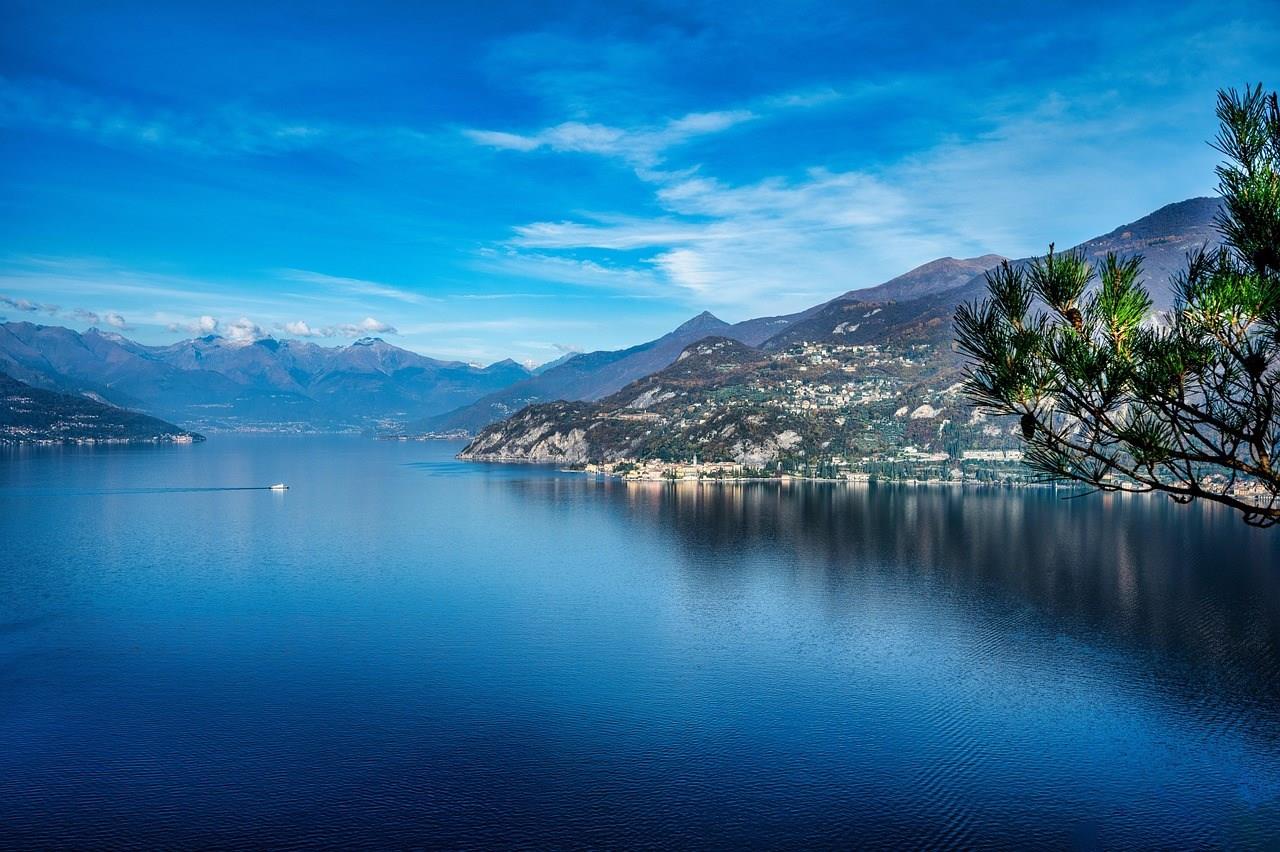
Como
A visit to Como is like looking through a manual on the history of architecture. Its ancient walls, the Duomo with its rich Gothic-Renaissance façade, the Broletto, the Castel Baradello, the Romanesque basilicas of Sant'Abbondio and S. Fedele, the myriad of monuments created by the Comacini Masters, and the modern architectural lines, all represent foundations of the urban and tourist fabric, interwoven with unforgettable splendor.

Gdansk
Gdańsk, a vibrant port city on Poland's Baltic coast, is a hidden gem that seamlessly blends rich history with modern charm. As the largest city in northern Poland, Gdańsk has a unique identity shaped by centuries of trade, political turmoil, and cultural exchange. The city's Old Town is a feast for the eyes, with its beautifully reconstructed buildings that harken back to its Hanseatic glory days.

Doubtful Fjord
Doubtful Fjord (Doubtful Sound) is a large fjord in southwestern New Zealand, in the same region as the smaller but better known Milford Sound. It is home to an unusually large population of bottlenose dolphins, as well as a variety of birds, fur seals, penguins, and often even humpback whales.