Jyväskylä
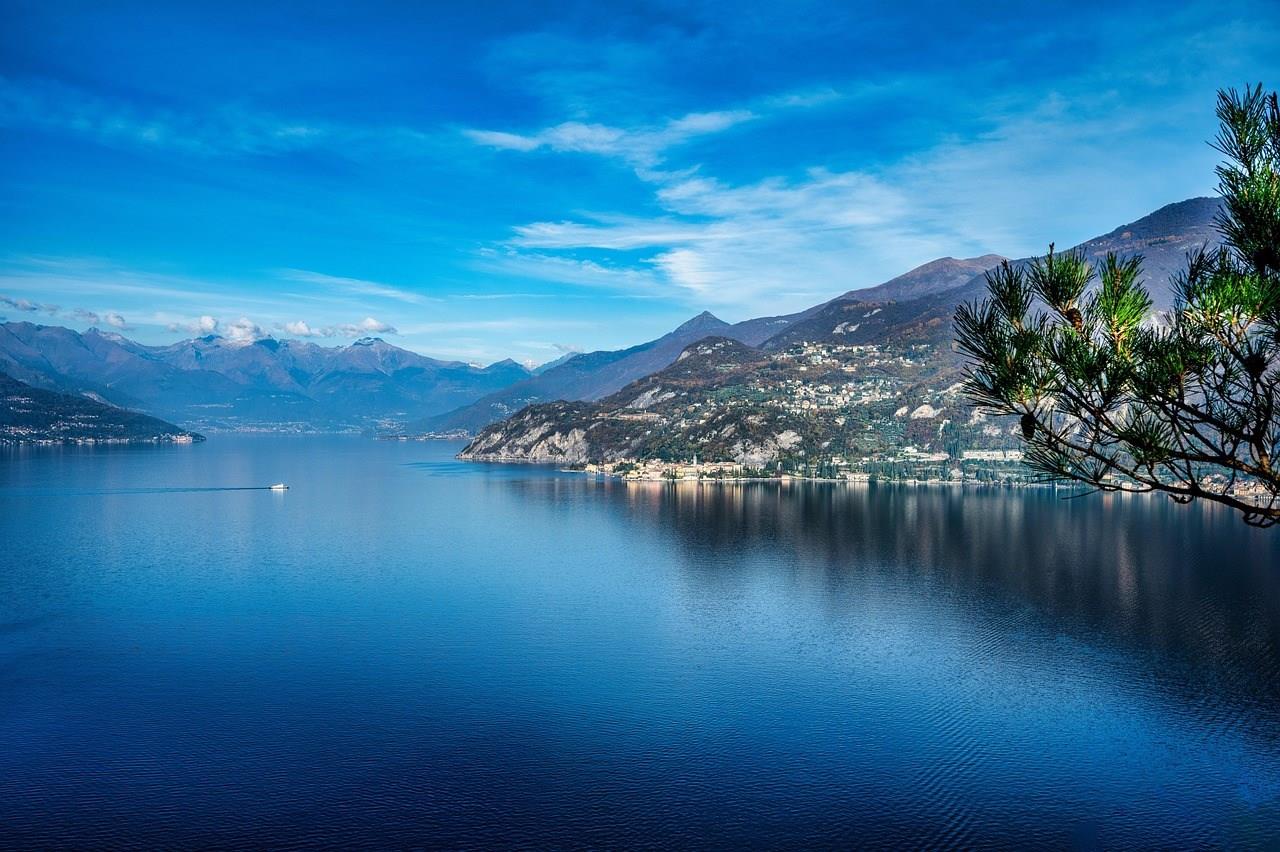
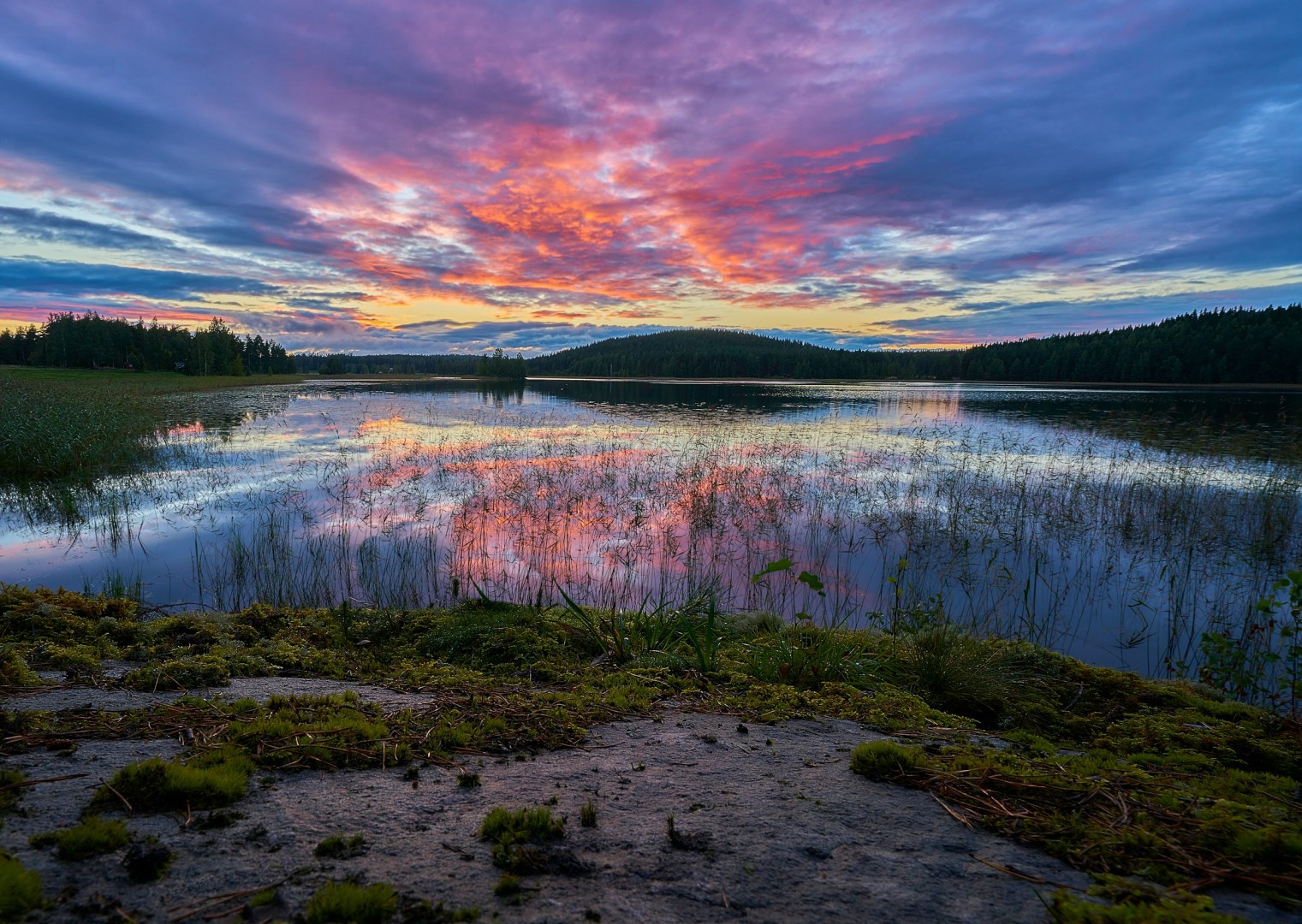
Jyväskylä is a city in central Finland surrounded by forests, lakes, and rolling hills, with Lake Jyväsjärvi forming a prominent part of its southern edge. It is the regional center of Central Finland and has a strong connection with education, design, and modern Finnish architecture. The city is known internationally for buildings designed by Alvar Aalto, whose work includes the University of Jyväskylä campus and several civic buildings.

Capri
Capri, a jewel of the Tyrrhenian Sea, has long been a favorite retreat for emperors, artists, and writers. This enchanting island off Italy's Amalfi Coast captivates with its dramatic cliffs, turquoise waters, and timeless elegance. The most iconic sight on Capri is the Blue Grotto, a sea cave illuminated by a magical blue light created by sunlight passing through an underwater cavity.
Cefalù
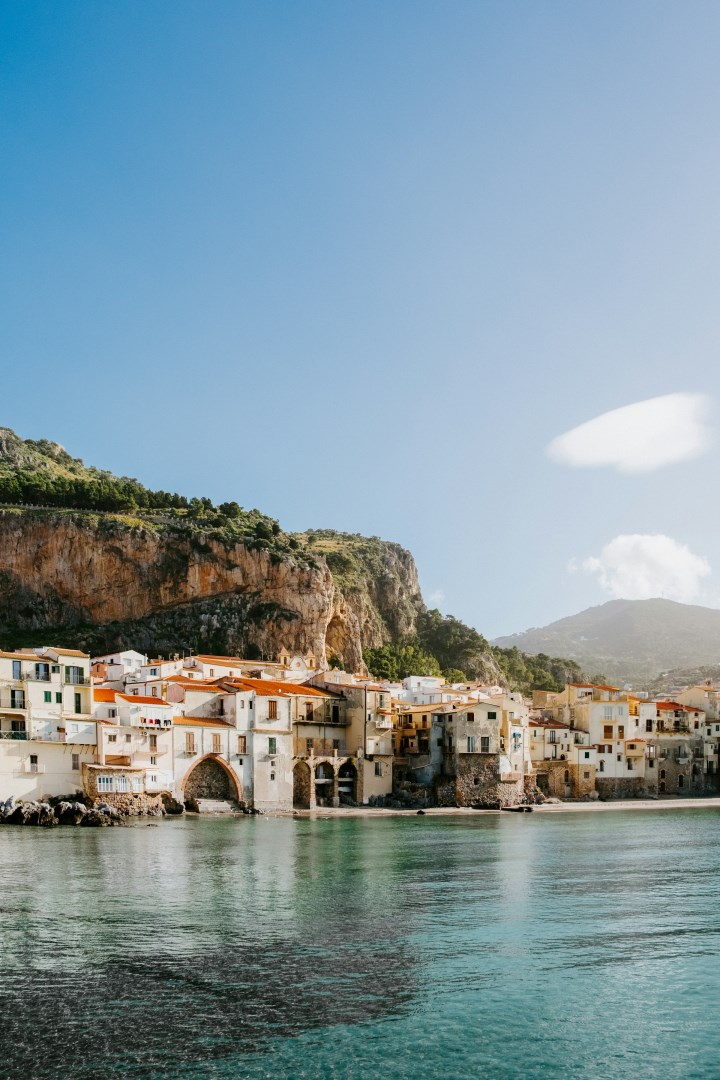
Cefalù is a coastal town on Sicily’s northern shore, set between the Tyrrhenian Sea and the steep slopes of La Rocca, the large limestone outcrop that rises directly behind the historic center. Its old town is arranged around narrow stone streets leading toward Piazza Duomo, while a sandy beach stretches beside the settlement below the town walls. The combination of a compact historic core, prominent mountain, and seafront gives Cefalù a distinctive physical setting.

Southampton
Southampton is a city shaped by the sea. Located on the southern coast of England, it has been a key maritime port for centuries. In 1912, the RMS Titanic set sail from its docks, and today, the SeaCity Museum tells the story through the lives of local residents connected to the voyage. The medieval city walls, which are some of the best-preserved in England, still stand, offering a walk through time with views of old merchant houses, towers, and hidden vaults once used to store wine and wool.

Huế
Its legacy as the former imperial capital of Vietnam is just one of many reasons to visit Hue. For more than a century, the emperors of the Nguyen dynasty (1802-1945) ruled from the Forbidden Purple City, the innermost enclosure of the citadel. Today, this complex is designated as a UNESCO World Heritage site and draws millions of visitors each year.