Girona
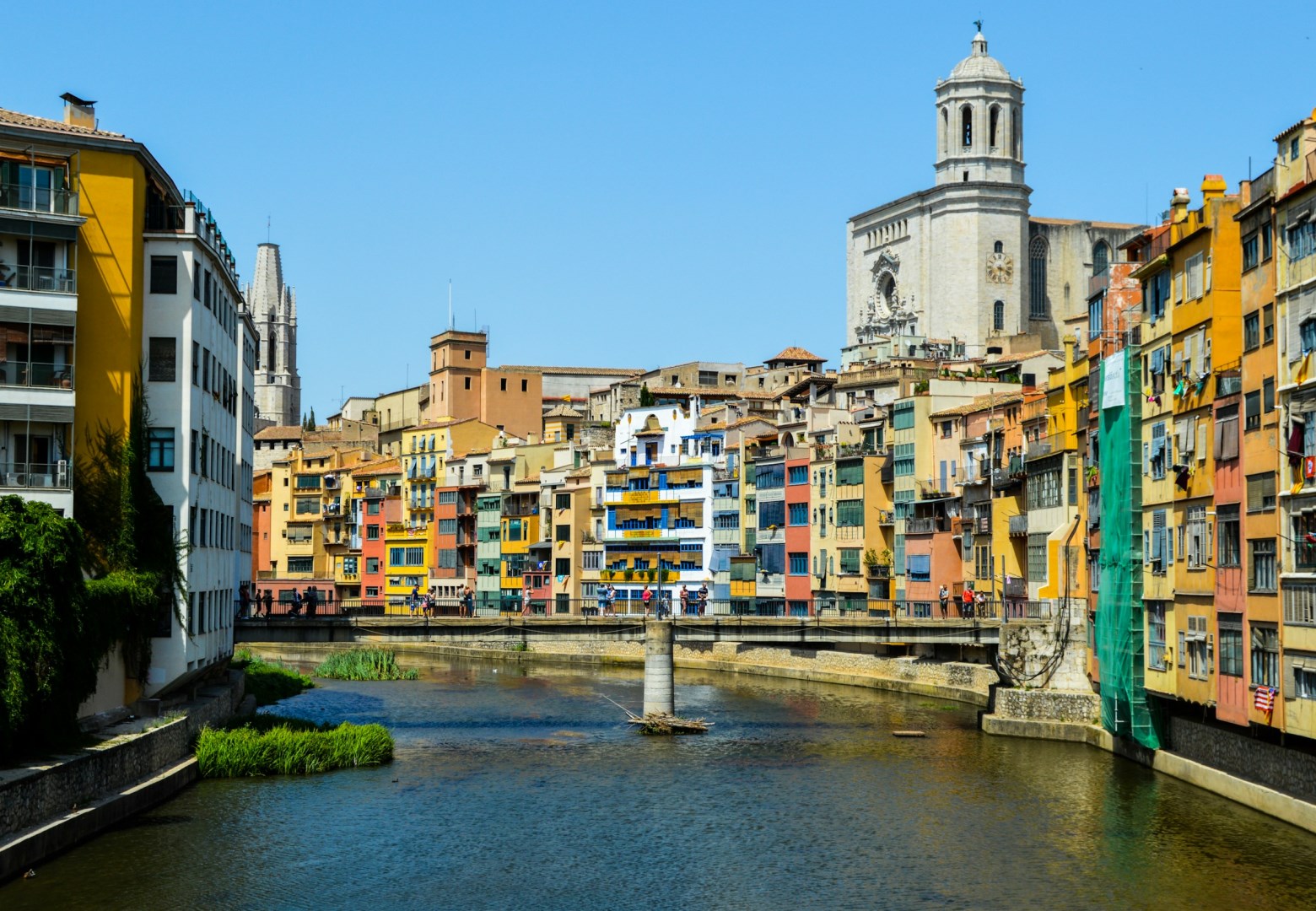
Town walls encapsulate this city, making for fantastic viewpoints all around. Visitors can also walk across the Pont de les Peixateries Velles bridge, designed by Gustave Eiffel. When leaving, it is a must to find El Cul de la Lleona, a lioness statue, and kiss her bottom. Tradition dictates that doing so will ensure a return trip in your future!
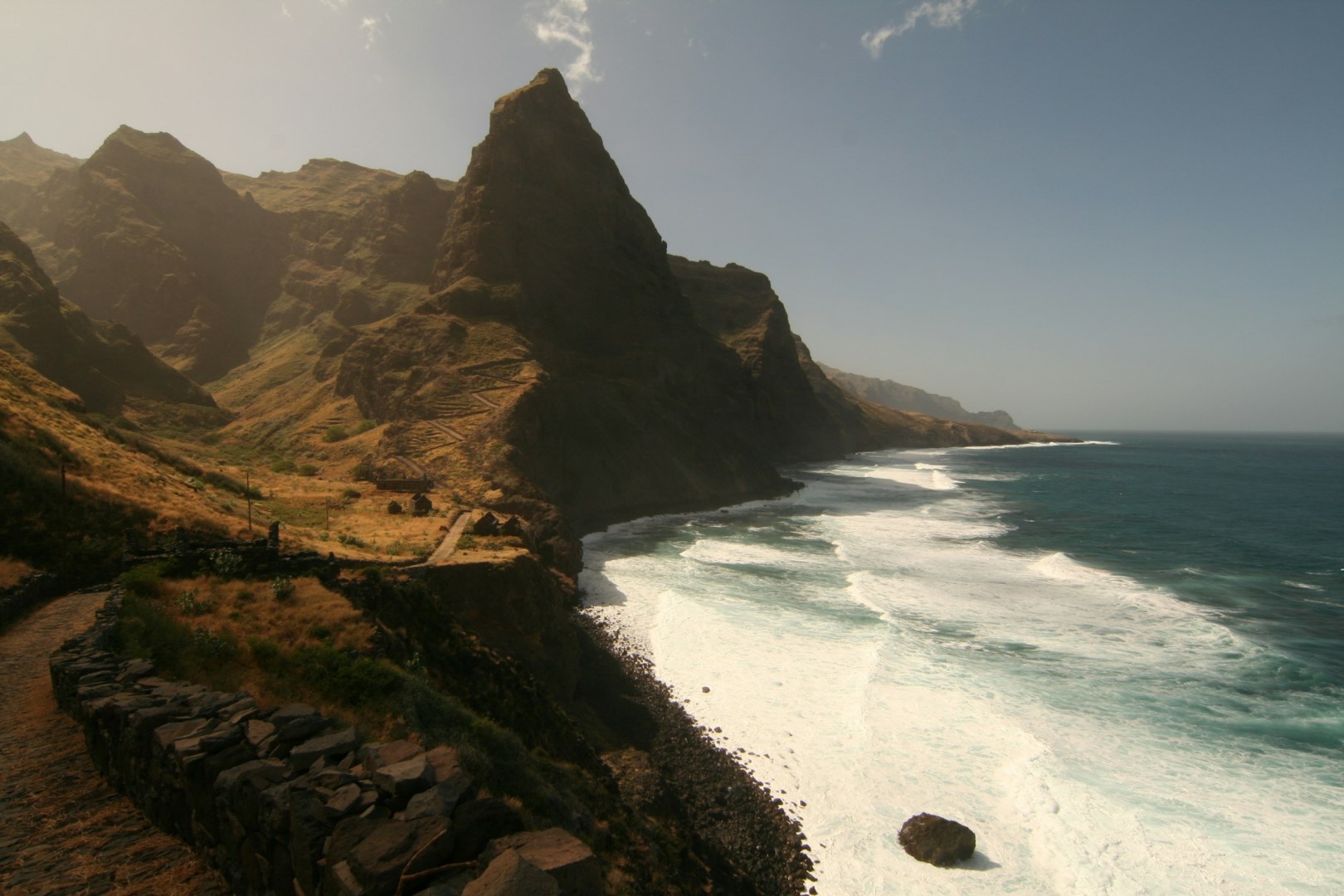
Ponta do Sol
Ponta do Sol is a small coastal town on the northern shore of Santo Antão, one of Cabo Verde’s most mountainous islands. The settlement sits between steep valleys and the Atlantic Ocean, with colorful buildings clustered around narrow streets and a waterfront used by local fishermen. Its position makes it an important starting point for exploring Santo Antão’s rugged northern coast and inland valleys.
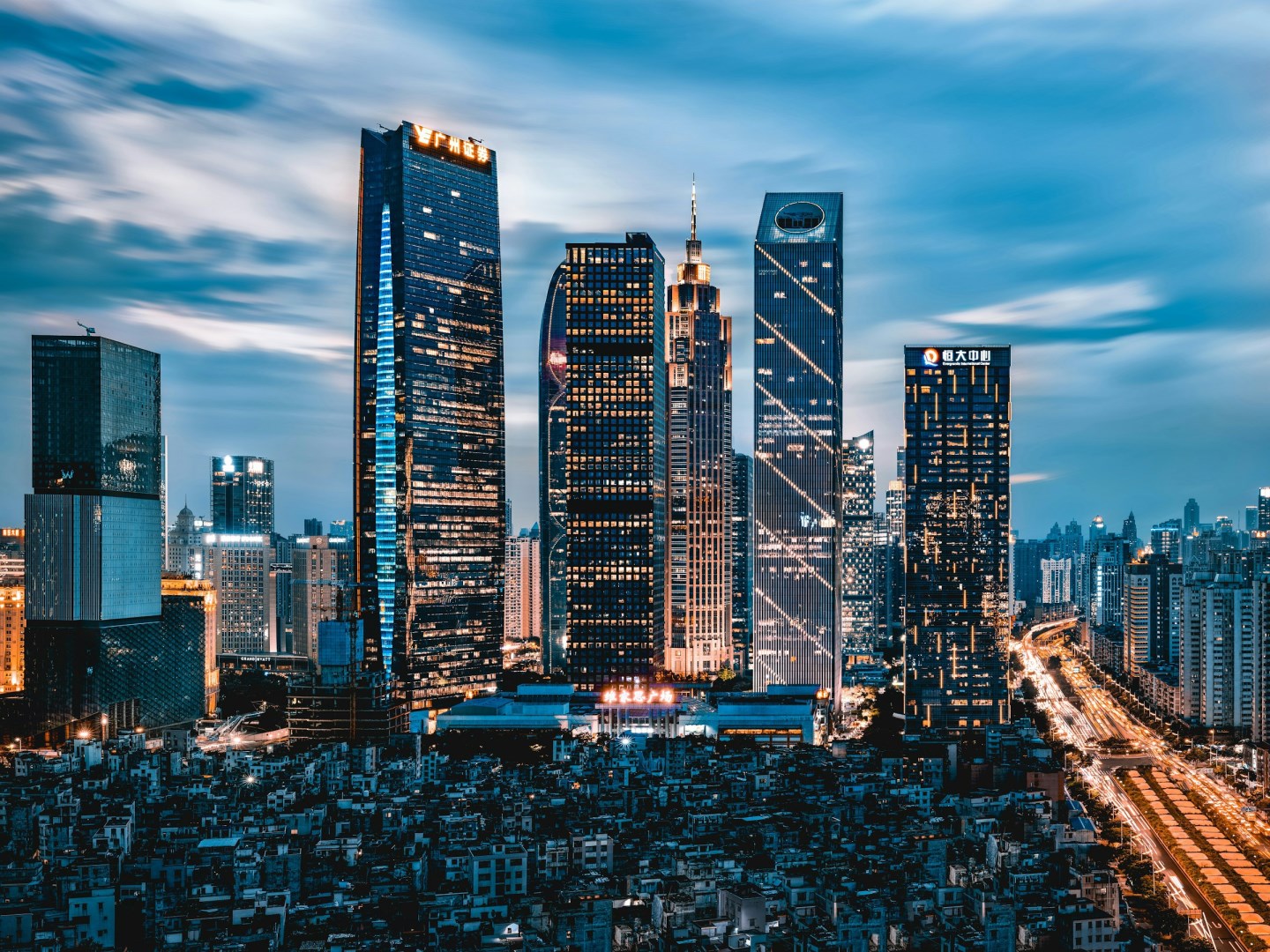
Guangzhou
Also known as Canton, it is located adjacent to Hong Kong, an important industrial and trade center in South China.
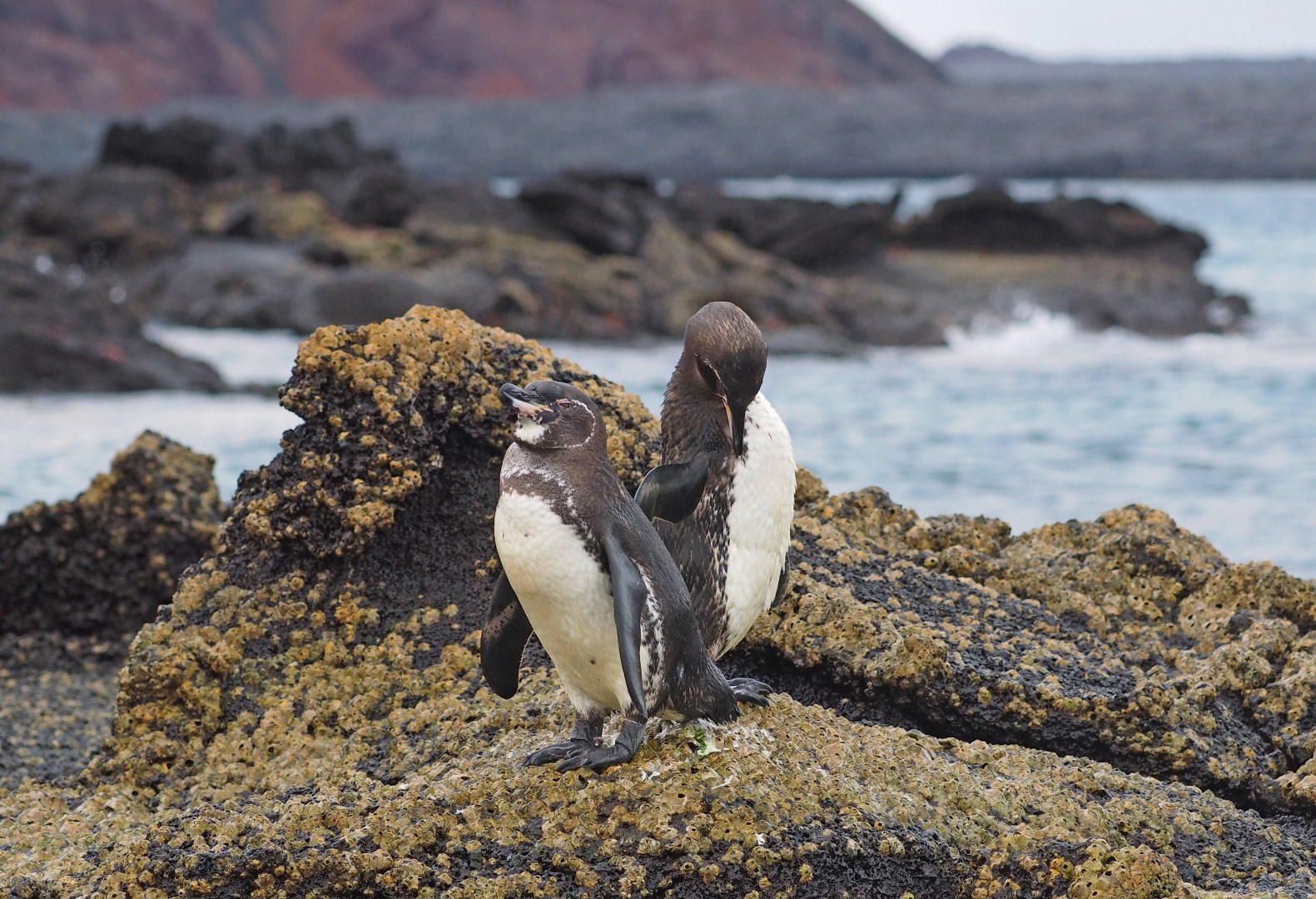
Fernandina Island
Besides being one of the largest and most remote of the Galapagos Islands, Fernandina Island is home to the area's most active volcano. It also boasts the most pristine ecosystem; unlike other islands in the Galapagos, Fernandina has thus far avoided the introduction of any non-native mammal species.
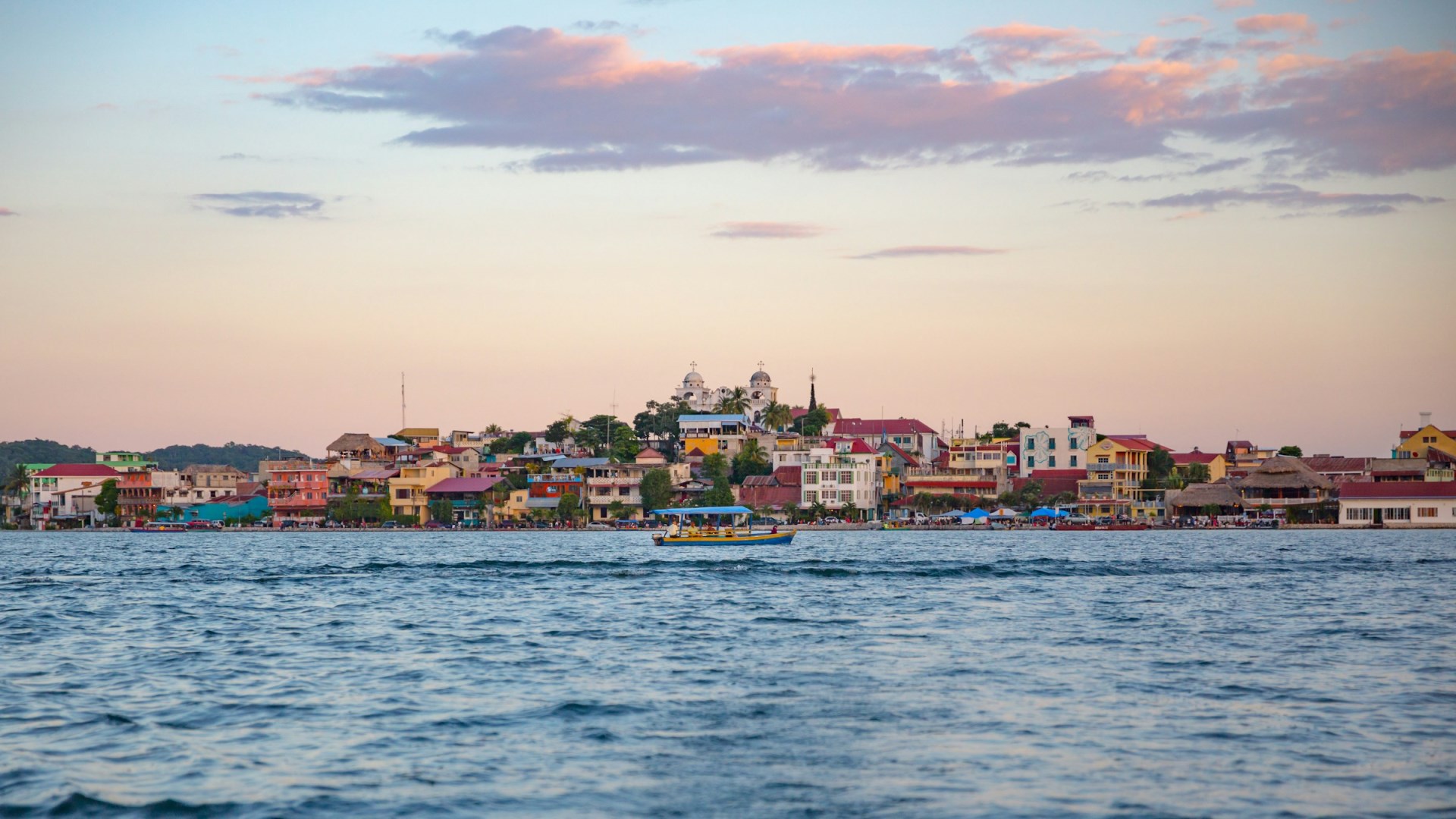
Island of Flores
This charming island town acts as a gateway to the ancient Mayan ruins of Tikal National Park. Known for its brilliantly colored buildings, visitors can spend numerous hours relaxing in restaurants, cafes, and pubs, savoring the flavors of Mayan and Spanish-influenced dishes. Surrounded by Lake Peten Itza and vibrant rainforest, water sports and nature ventures are a must!