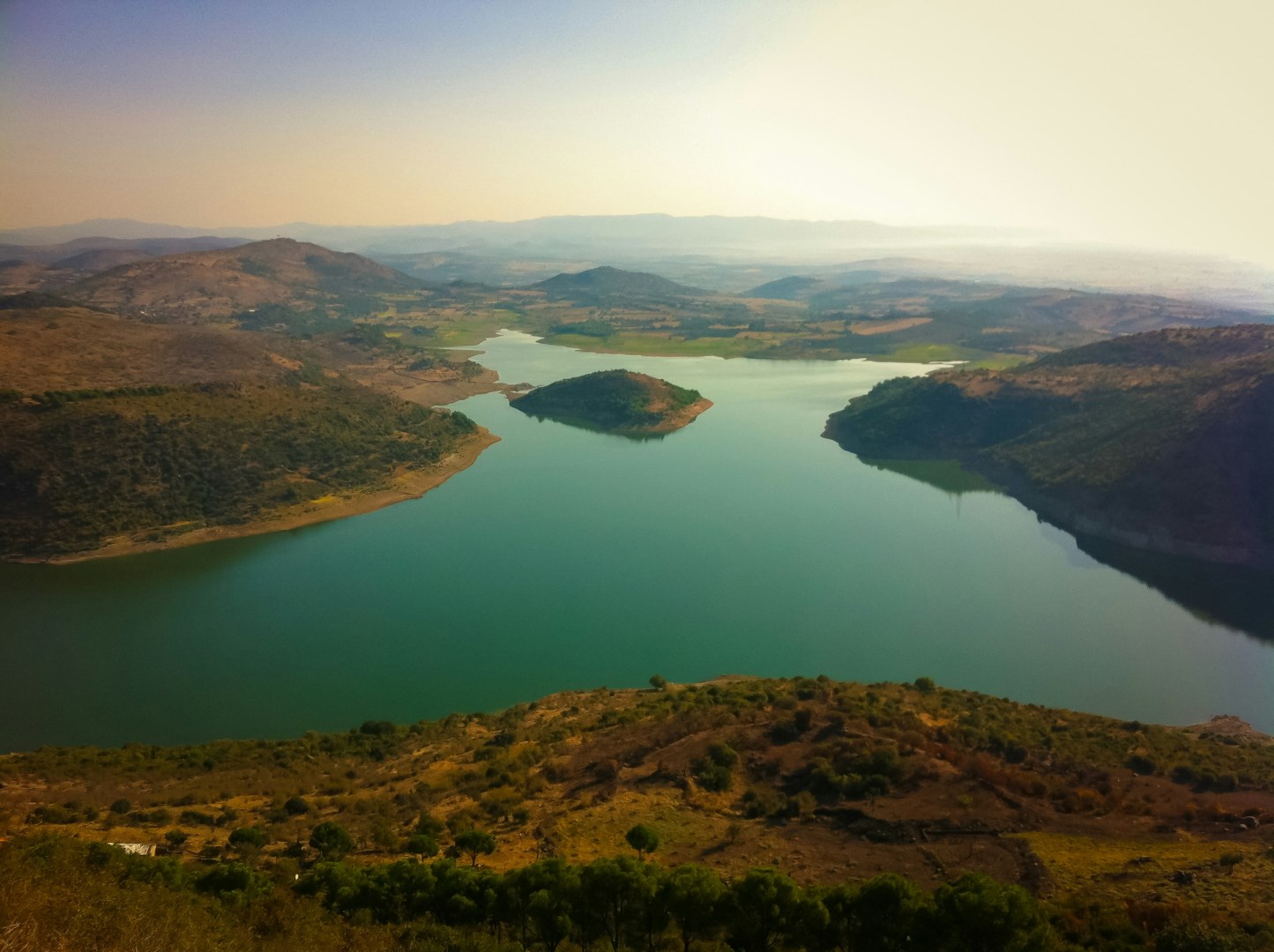
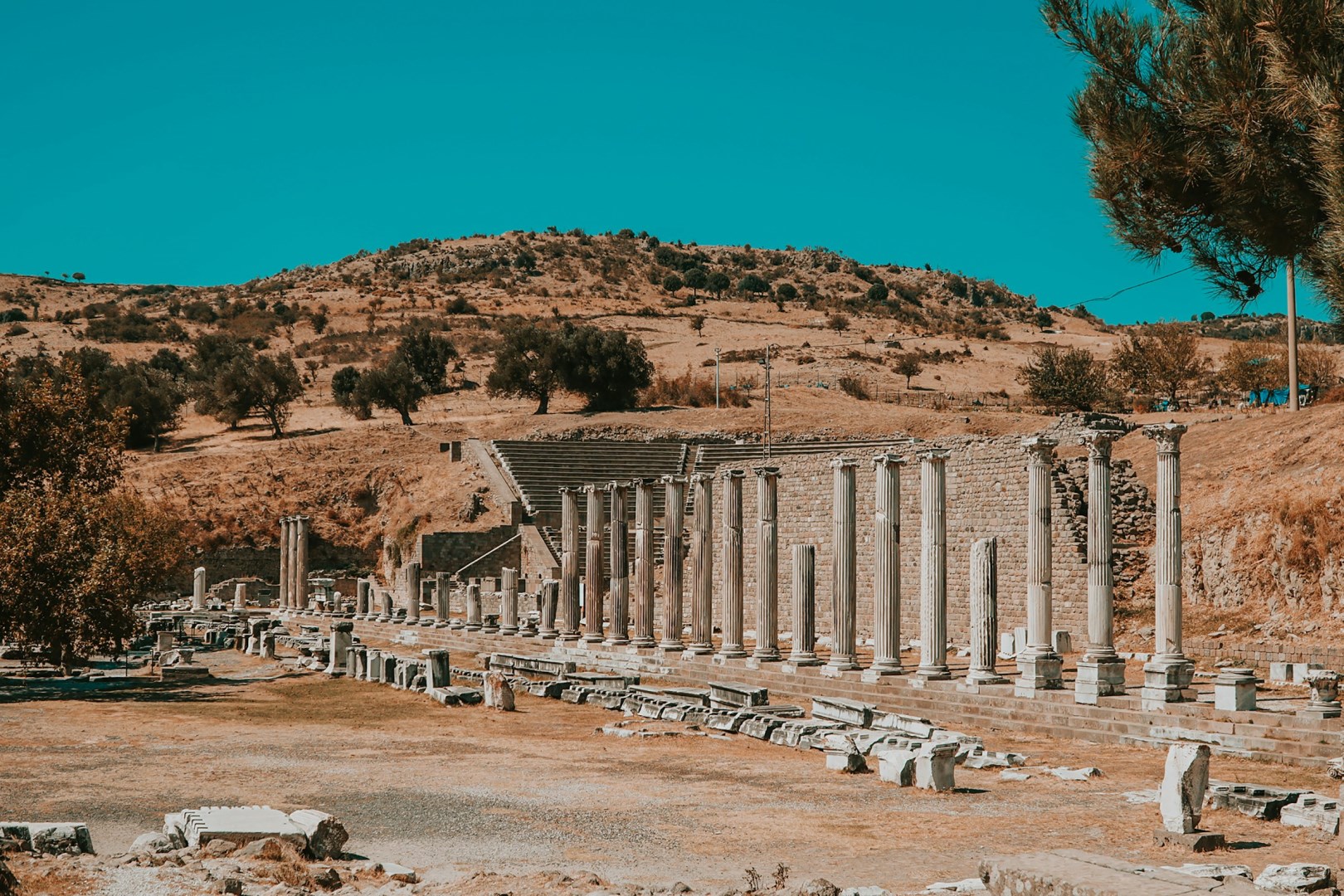
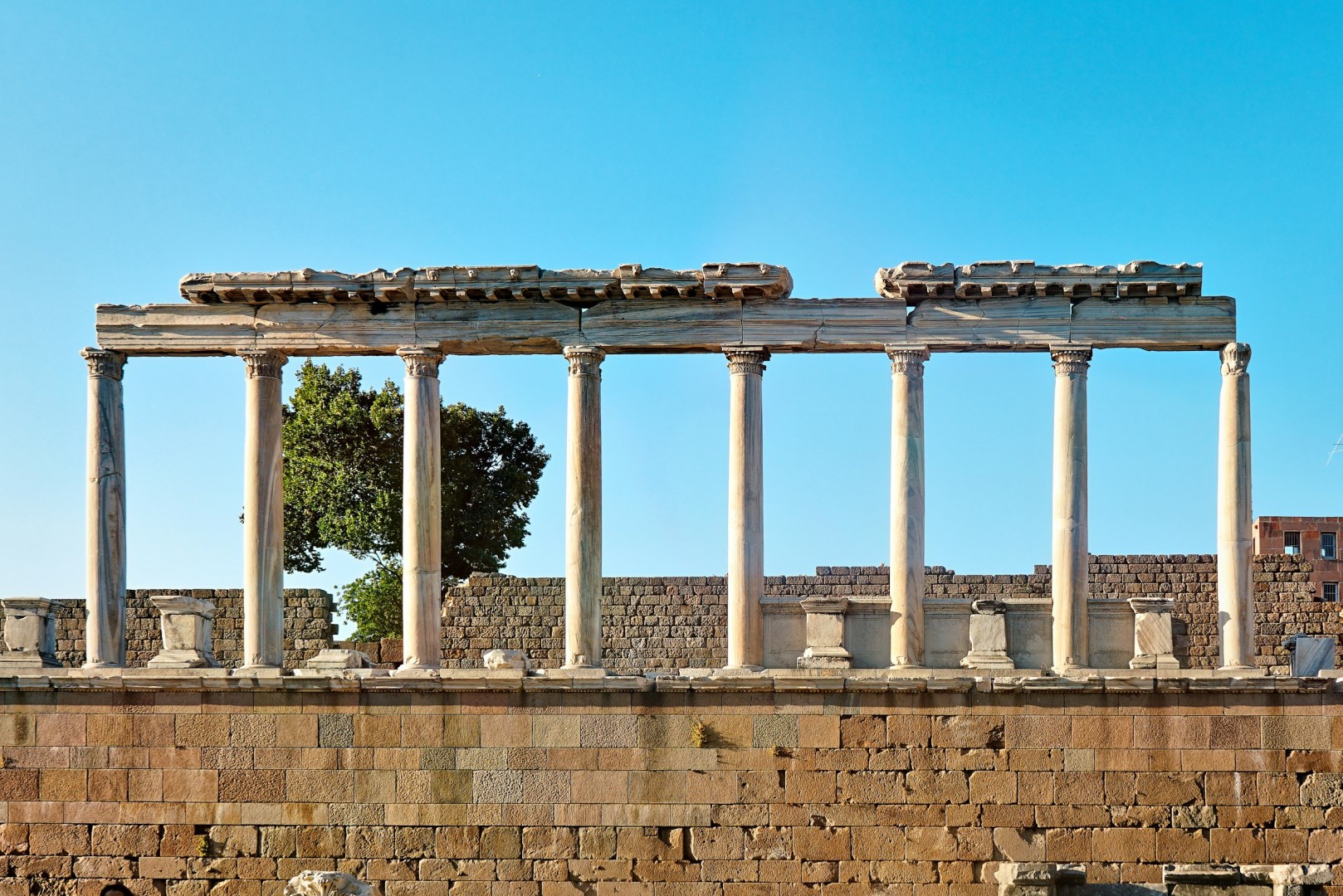
Olympia
Situated on Peloponnese peninsula's Western side, Olympia has the distinction of being one of Greece's most significant archaeological sites.

Glacier Bay
Glacier Bay’s untouched beauty will astound you. A National Park and Preserve, as well as a UNESCO World Heritage site, it is covered with stunning tidewater glaciers and a variety of native flora and fauna. Be on the lookout for the variety of eye-catching wildlife, including eagles, moose, and humpback whales, who have made Glacier Bay home.

Málaga
Not only is Malaga the birthplace of famous Spanish artist Pablo Picasso but it offers beaches, hiking, architectural sites, art museums, excellent shopping and cuisine. Not only is Malaga the birthplace of famous Spanish artist Pablo Picasso but it offers beaches, hiking, architectural sites, art museums, excellent shopping and cuisine. The climate is a pleasant warm Mediterranean climate with dry and warm, long summers with short, mild winters.
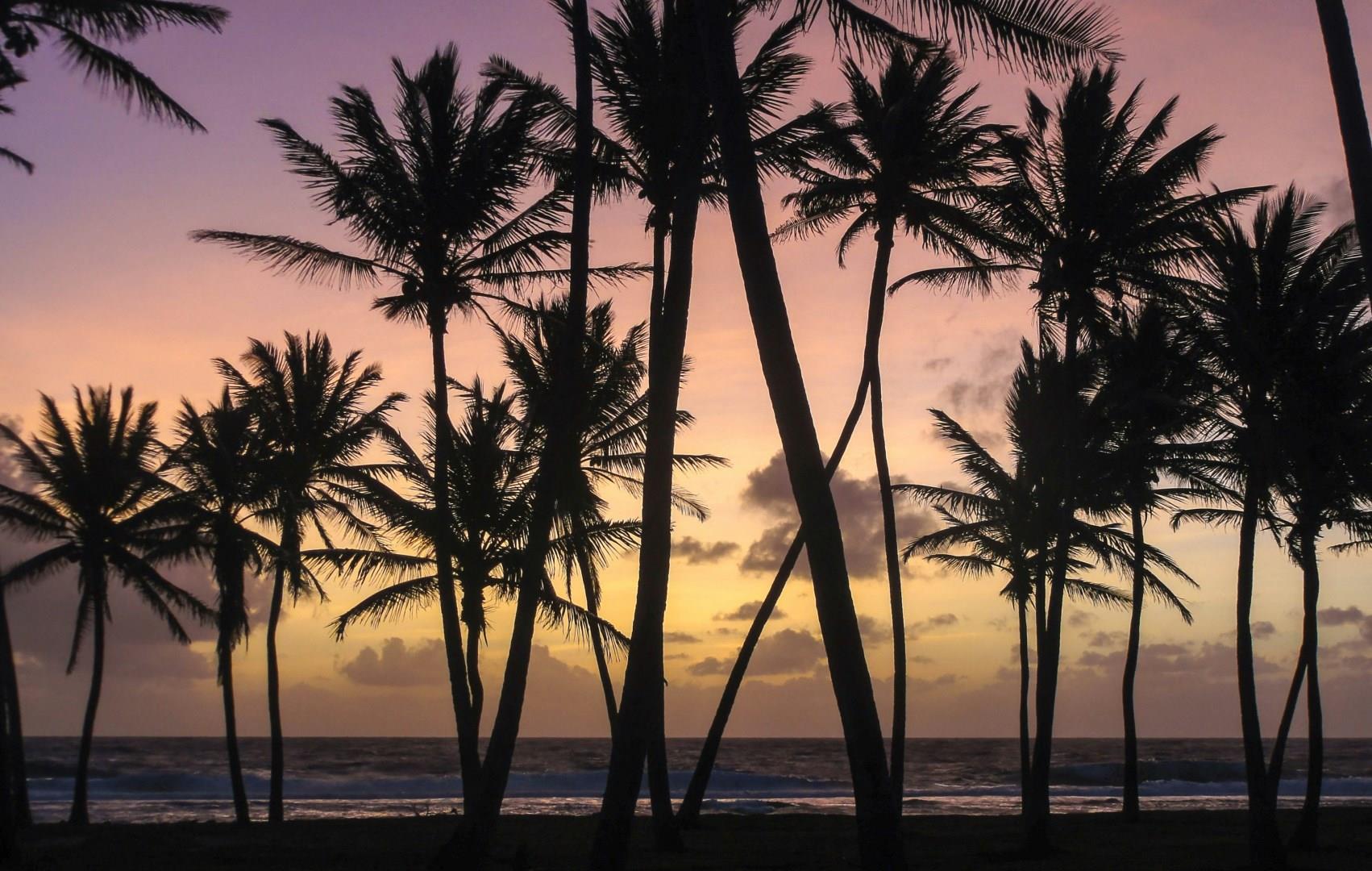
Marshall Islands
The Marshall Islands, a remote chain of atolls and islands in the central Pacific, invites travelers into a world where tradition, ocean life, and recent history all leave a lasting impression. Spread across nearly a million square miles of ocean, this independent nation offers rare access to some of the world’s most pristine marine environments.

New York City
New York City is a city that pulses with movement, sound, and stories at every corner. Whether it's the echo of footsteps under Grand Central Terminal’s iconic ceiling or the quiet shuffle of chess pieces in Washington Square Park, every detail is part of a larger rhythm. New York’s cultural offerings are unmatched in scope. A single day could include a visit to the Museum of Modern Art, a Broadway matinee, and live jazz at an underground club in the Village.