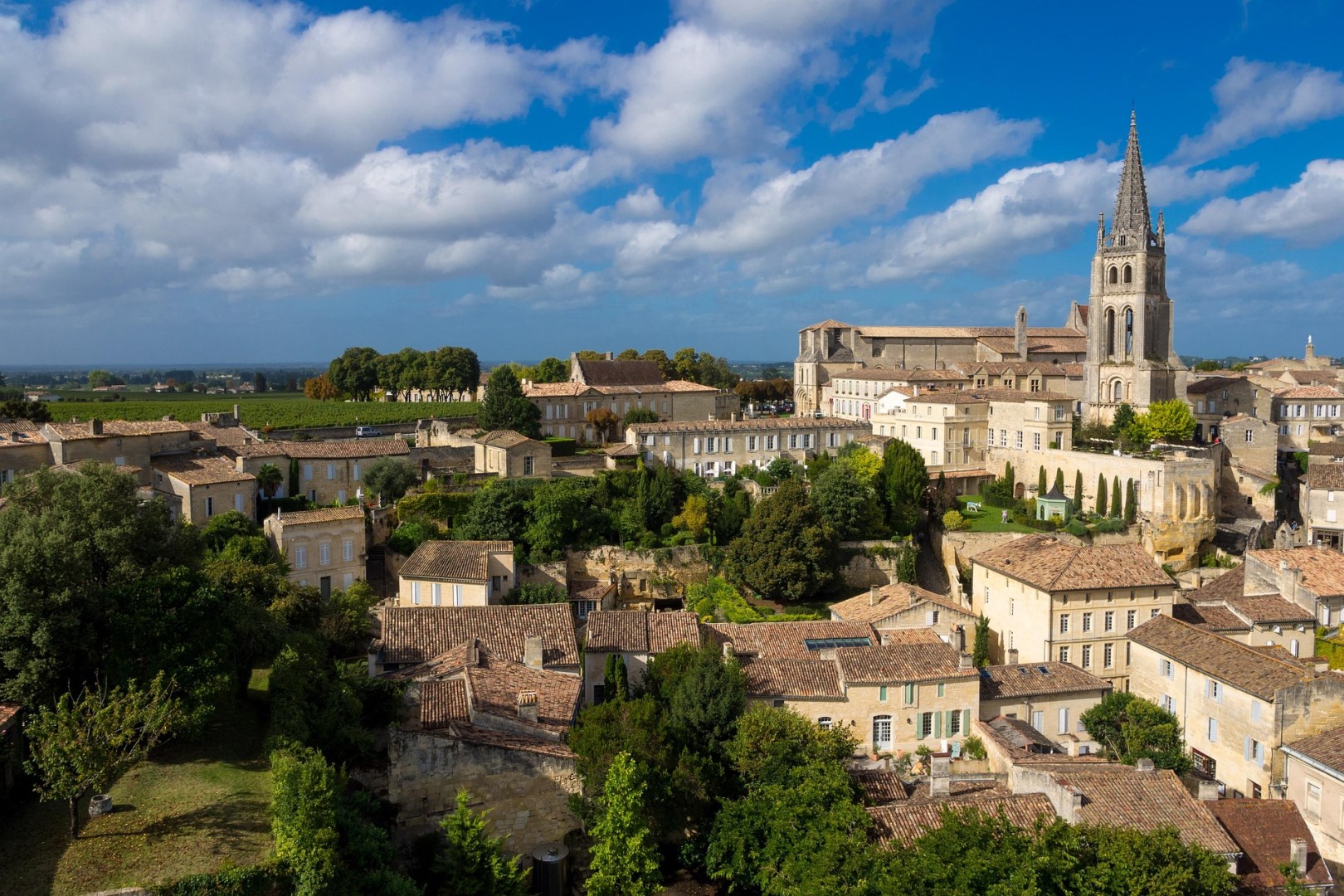
Saint-Émilion
Saint-Émilion, nestled in the heart of southwest France, is a living monument to centuries of craftsmanship, faith, and wine-making. Recognized as a UNESCO World Heritage Site since 1999, this medieval town sits on a limestone plateau surrounded by vineyards that date back to Roman times. Visitors can explore cobbled streets that wind past centuries-old stone houses, descend into underground catacombs carved by monks, and visit the astonishing Monolithic Church.

Zambia
Zambia, a landlocked country in southern Africa, is celebrated for its dramatic landscapes, diverse wildlife, and warm hospitality. Known as the “real Africa” by many travelers, it is home to some of the continent’s most famous natural wonders and national parks.

Lisbon
Lisbon, the enchanting capital of Portugal, entices sightseers with its vibrant color, stunning Gothic architecture, and temperate weather. Easily traversed by foot or tram, the city’s distinct quarters and vivid cultural landmarks make Lisbon an excellent spot for exploration.
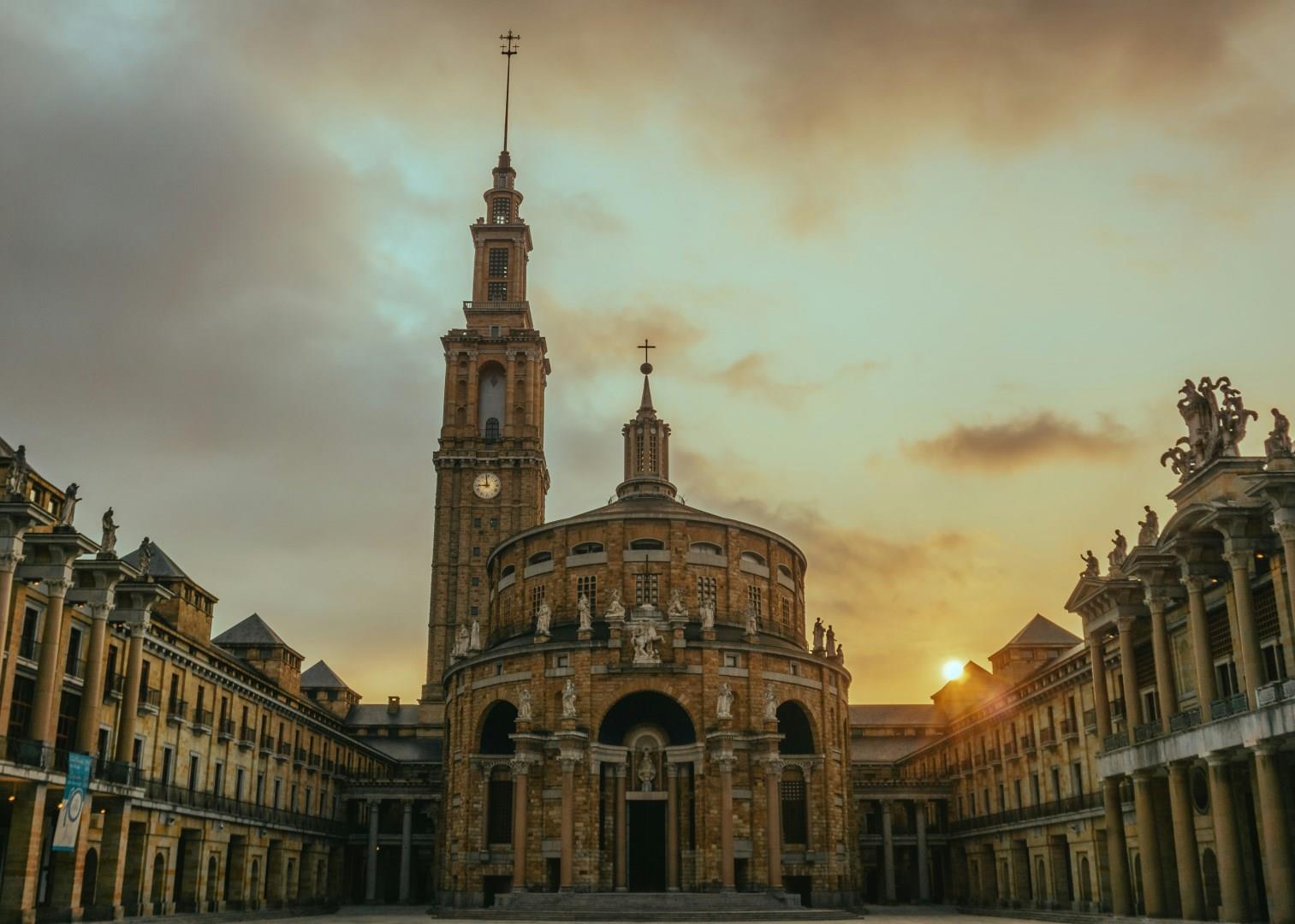
Gijon
Gijón sits on Spain’s northern coast in Asturias, shaped by its long relationship with the Cantabrian Sea. From its origins as a Roman settlement to its later growth as an industrial and port city, Gijón has balanced maritime work with civic life.
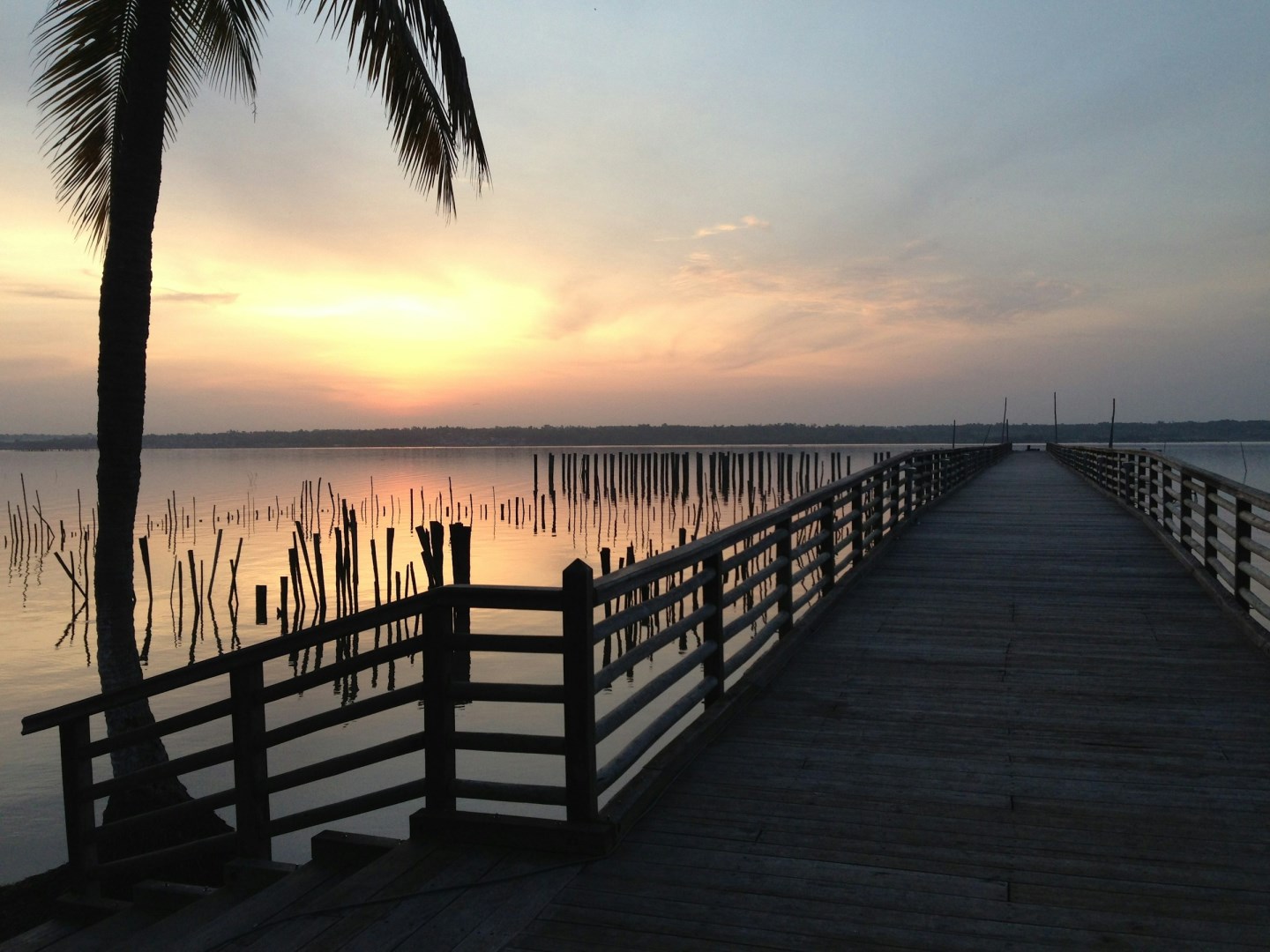
Bopa
Bopa is a lakeside town in southwestern Benin, located in the Mono Department along the shores of Lake Ahémé. The town sits within a landscape of water, wetlands, palm trees, farmland, and low-lying coastal vegetation, with the lake playing an important role in local life. Fishing is a major activity, and traditional boats can be seen operating across the lake and along its shoreline.