Agafay
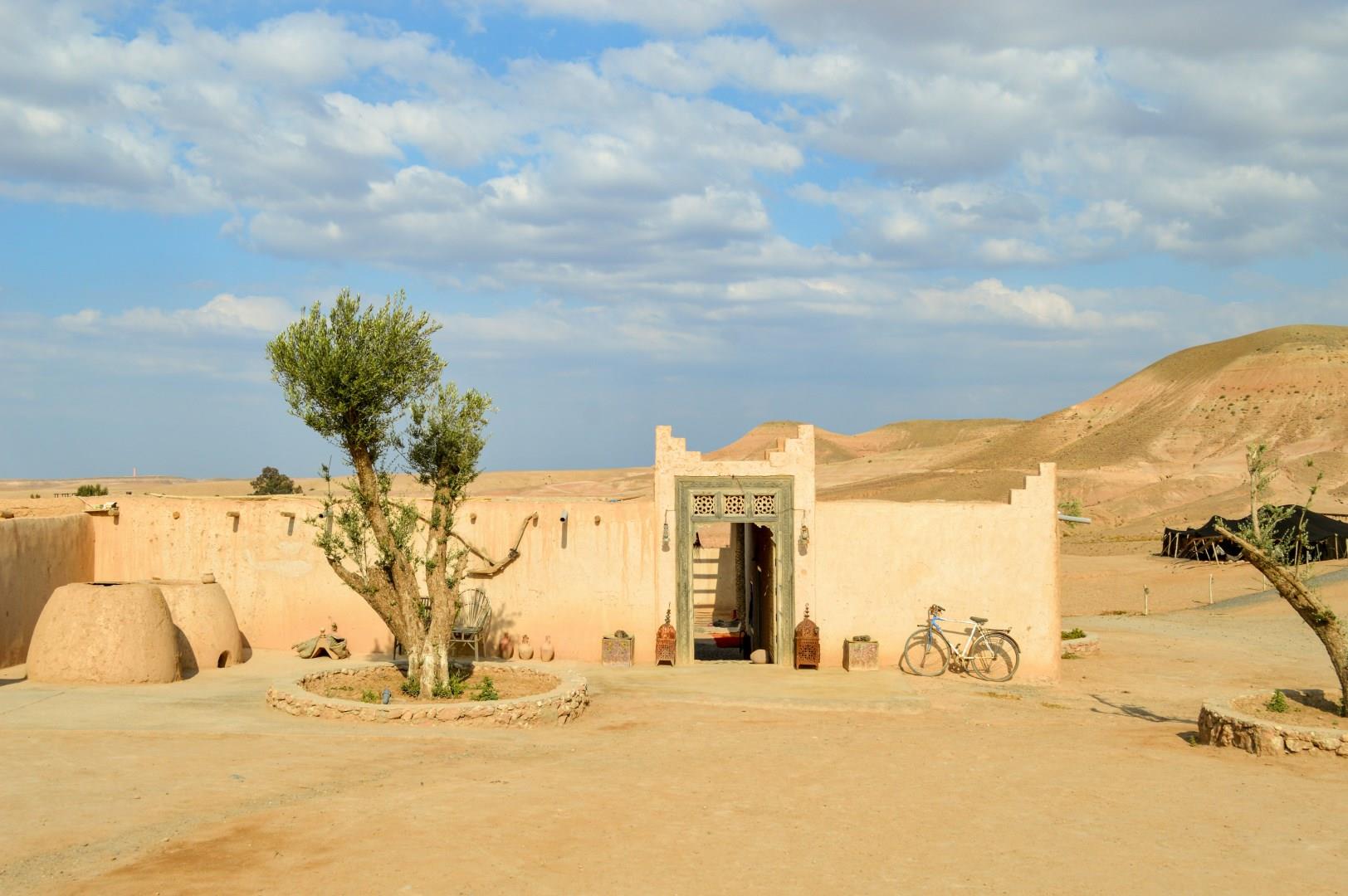
Agafay, often called Morocco’s "stone desert," is located just 40 kilometers southwest of Marrakech, but the landscape feels like a different world. Unlike the golden dunes of the Sahara, Agafay stretches out in rolling hills of sand-colored rock and hard-packed earth. It offers the vastness of a desert experience without requiring a long journey from the city.
Naboisho Conservancy
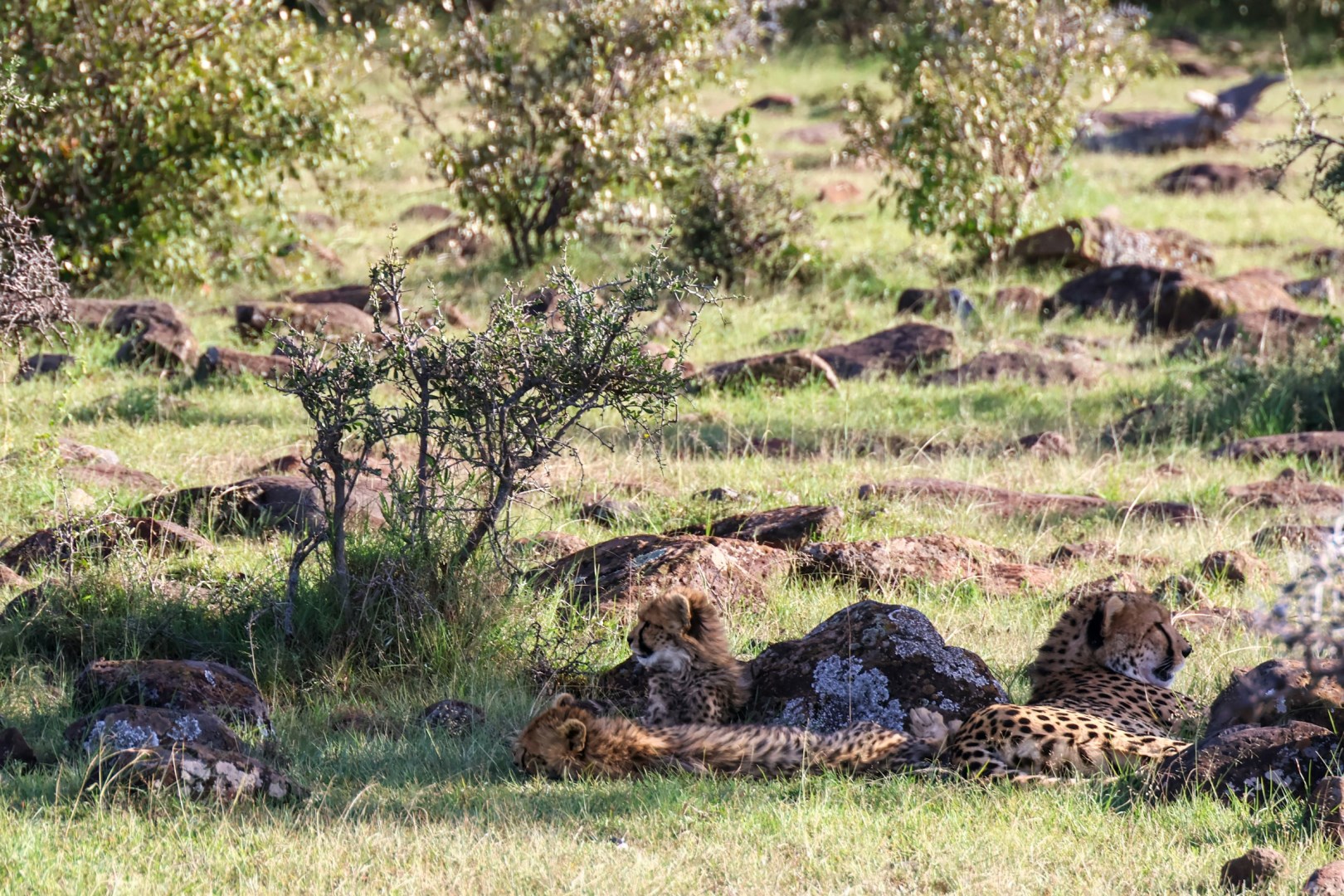
Naboisho Conservancy is a community-owned wildlife conservation area bordering Kenya’s Maasai Mara National Reserve in Narok County. The conservancy protects open savanna, grasslands, acacia woodland, and seasonal rivers that provide habitat for a wide range of wildlife. It was established through agreements between local Maasai landowners and conservation partners, creating a model in which tourism revenue supports communities while land is maintained for wildlife.
San Simeon
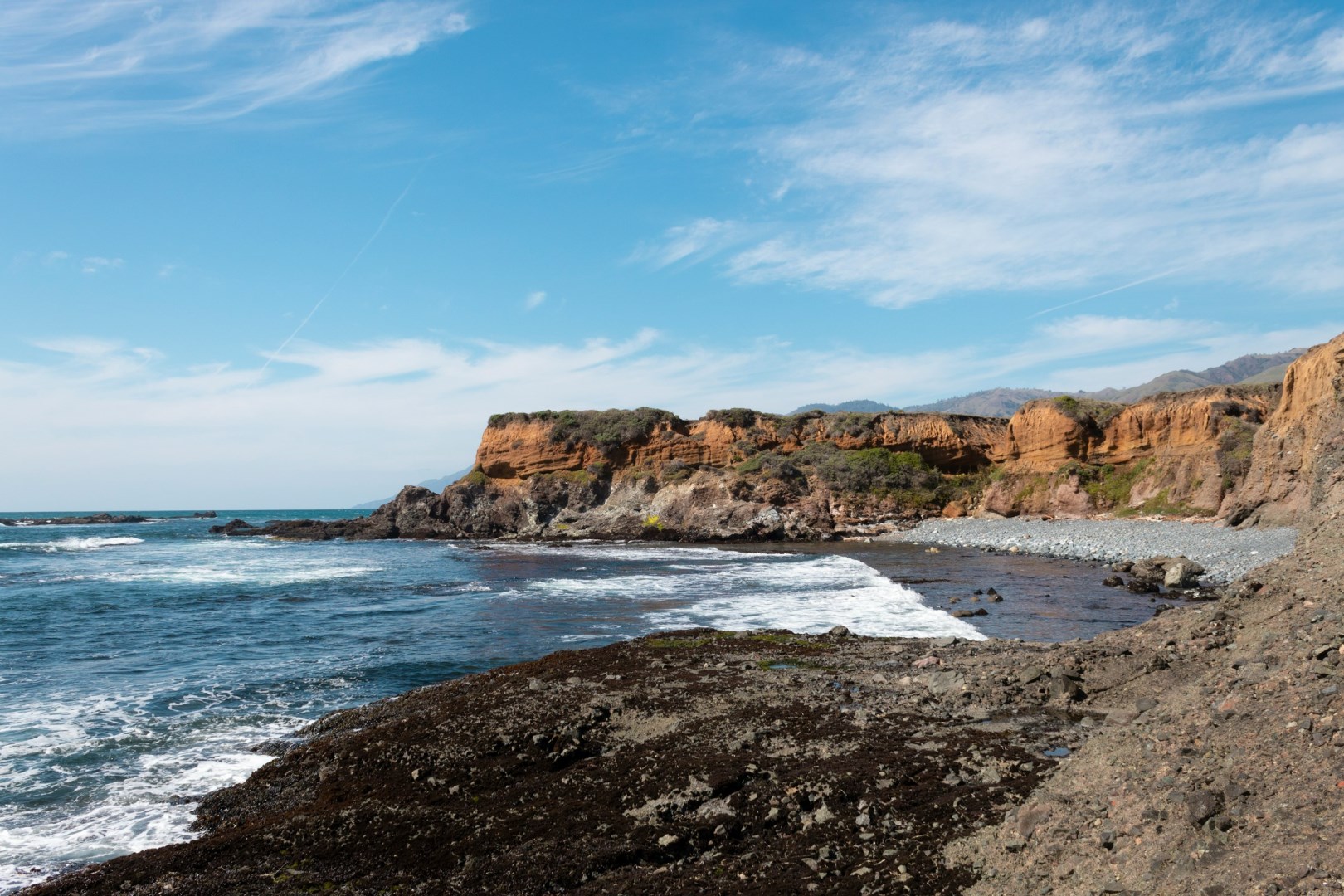
San Simeon is a small coastal community on California’s Central Coast, set along the Pacific Ocean between Cambria and Big Sur. The area is known for rugged shoreline, coastal grasslands, forested hills, and offshore rocks, with the Santa Lucia Mountains rising inland.
The Beagle Channel
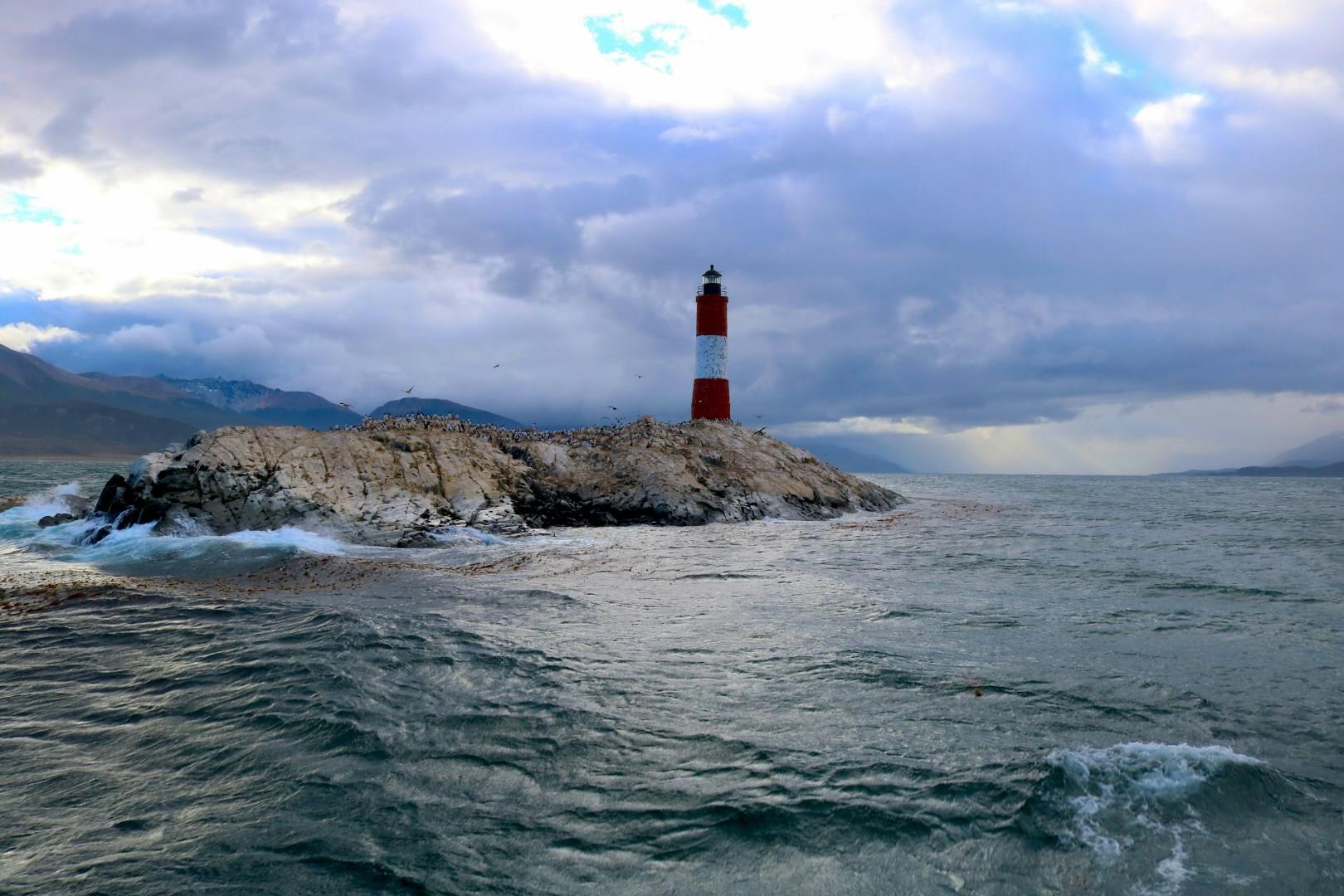
The Beagle Channel, at the southern tip of South America, stretches between Chile and Argentina and offers one of the most striking maritime landscapes in the world. This narrow passage, framed by snow-covered peaks and rocky islands, connects the Atlantic and Pacific Oceans. Its waters are calm compared to the open sea, which has made it a historic navigation route for explorers and sailors for centuries.
Puerto Ayora
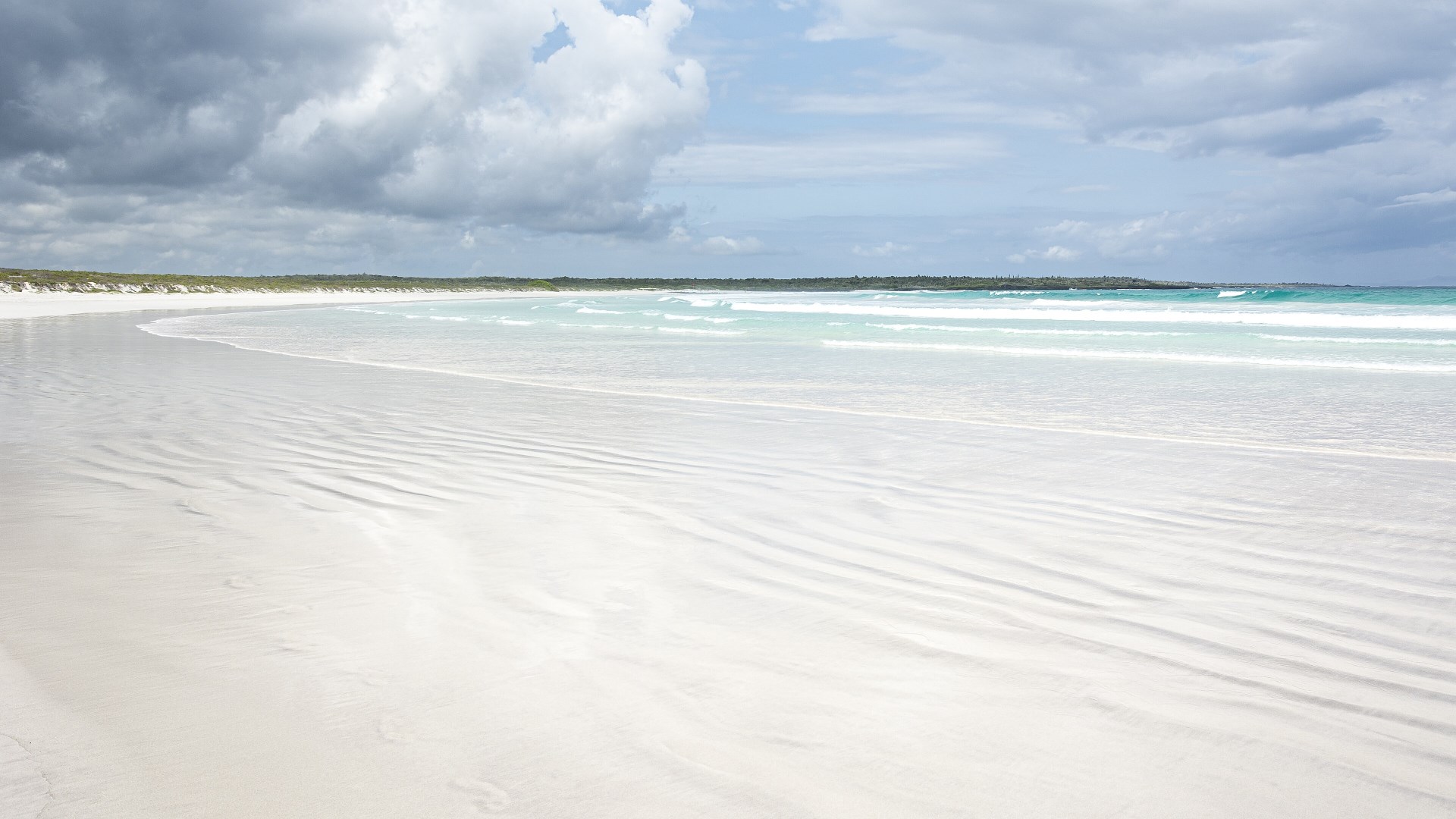
Puerto Ayora is the largest town in the Galápagos Islands of Ecuador and is located on the southern coast of Santa Cruz Island. The town serves as a central base for travel throughout the archipelago, with ports, research centers, hotels, and tour operators concentrated around Academy Bay.