Arctic Ocean
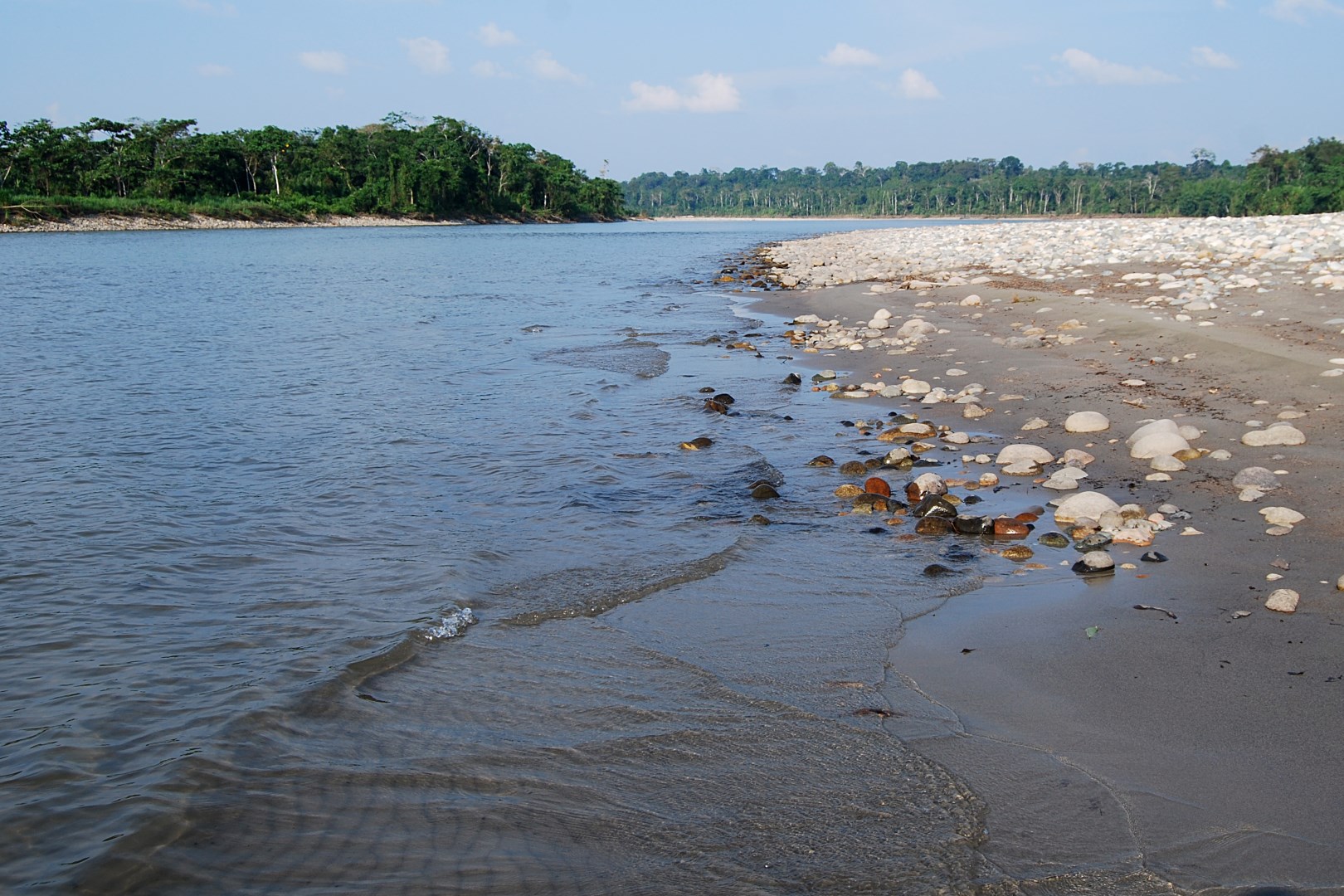
The Arctic Ocean, the world's smallest and shallowest ocean, offers a breathtaking and unique adventure for those seeking the grandeur of the polar regions. This icy expanse, bordered by Europe, Asia, and North America, is renowned for its stunning natural beauty and pristine landscapes.

Greenland
Greenland, the world’s largest island, offers travelers an experience that feels like stepping onto another planet. Vast ice sheets, towering glaciers, and deep fjords stretch across the horizon, creating a landscape that constantly shifts with the light. During summer, the Midnight Sun casts a golden glow well past midnight, while winter brings months of darkness lit by vibrant displays of the Northern Lights.
Otaru
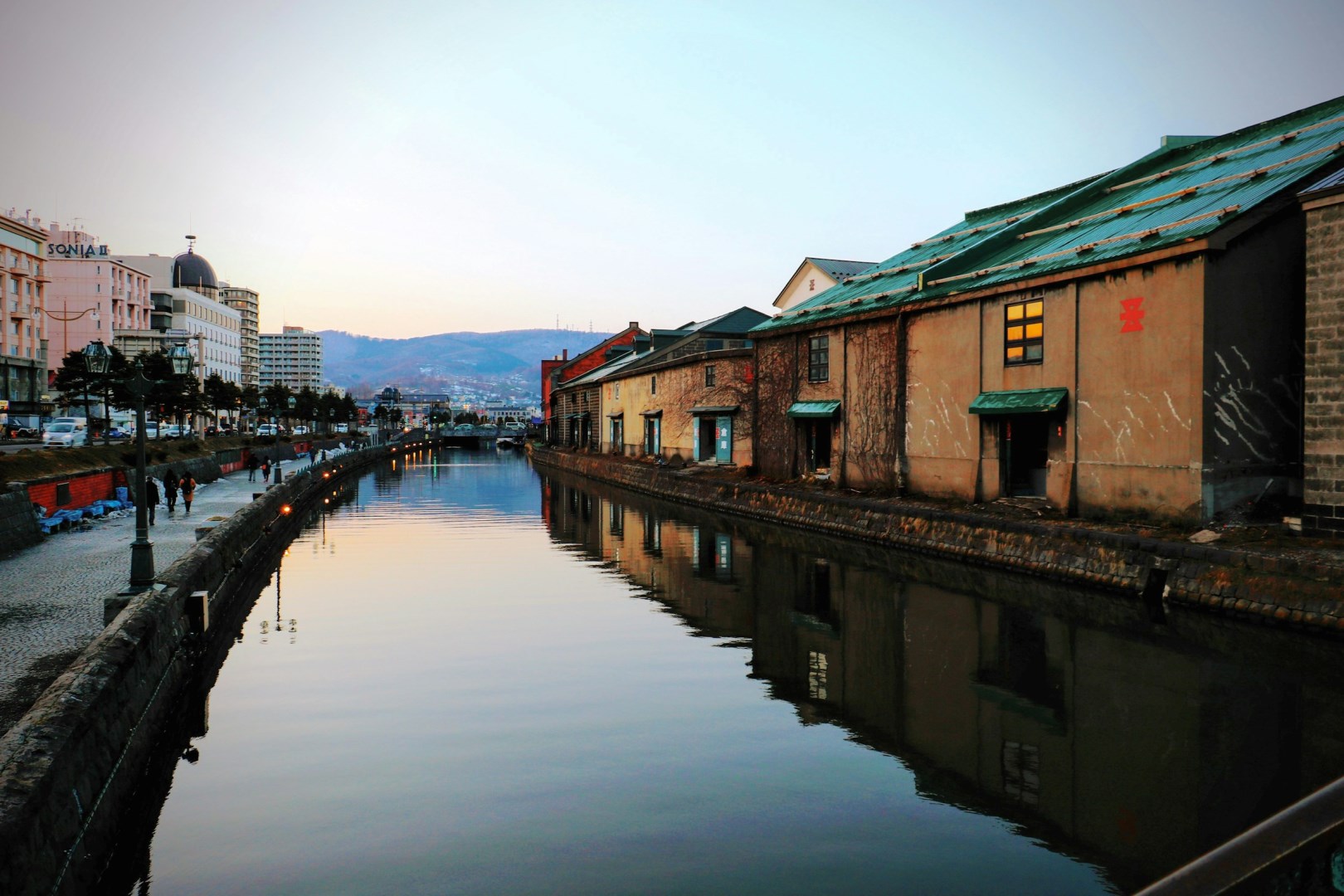
Otaru, a charming port city on Japan's northern island of Hokkaido, offers a delightful blend of historic allure and scenic beauty. Known for its well-preserved canal area lined with old warehouses and beautifully restored buildings, Otaru provides a picturesque setting reminiscent of its bustling past as a major trade center during the Meiji and Taisho eras.
Kranjska Gora
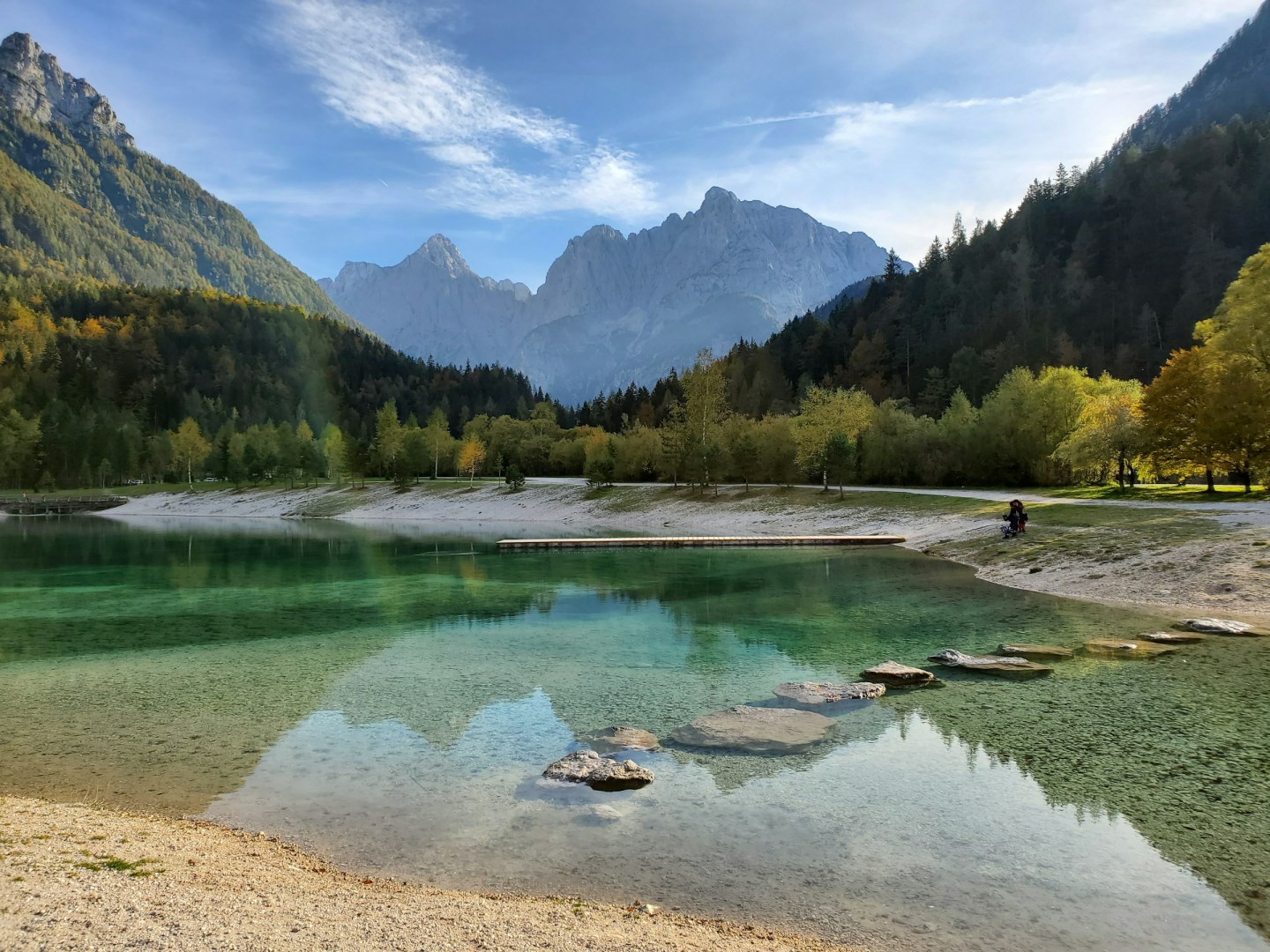
Nestled in the Julian Alps of Slovenia, Kranjska Gora is a charming alpine town known for its stunning landscapes and outdoor activities. This picturesque destination offers a gateway to breathtaking natural beauty, from the snow-capped peaks of the Julian Alps to the lush, green valleys that surround the town.
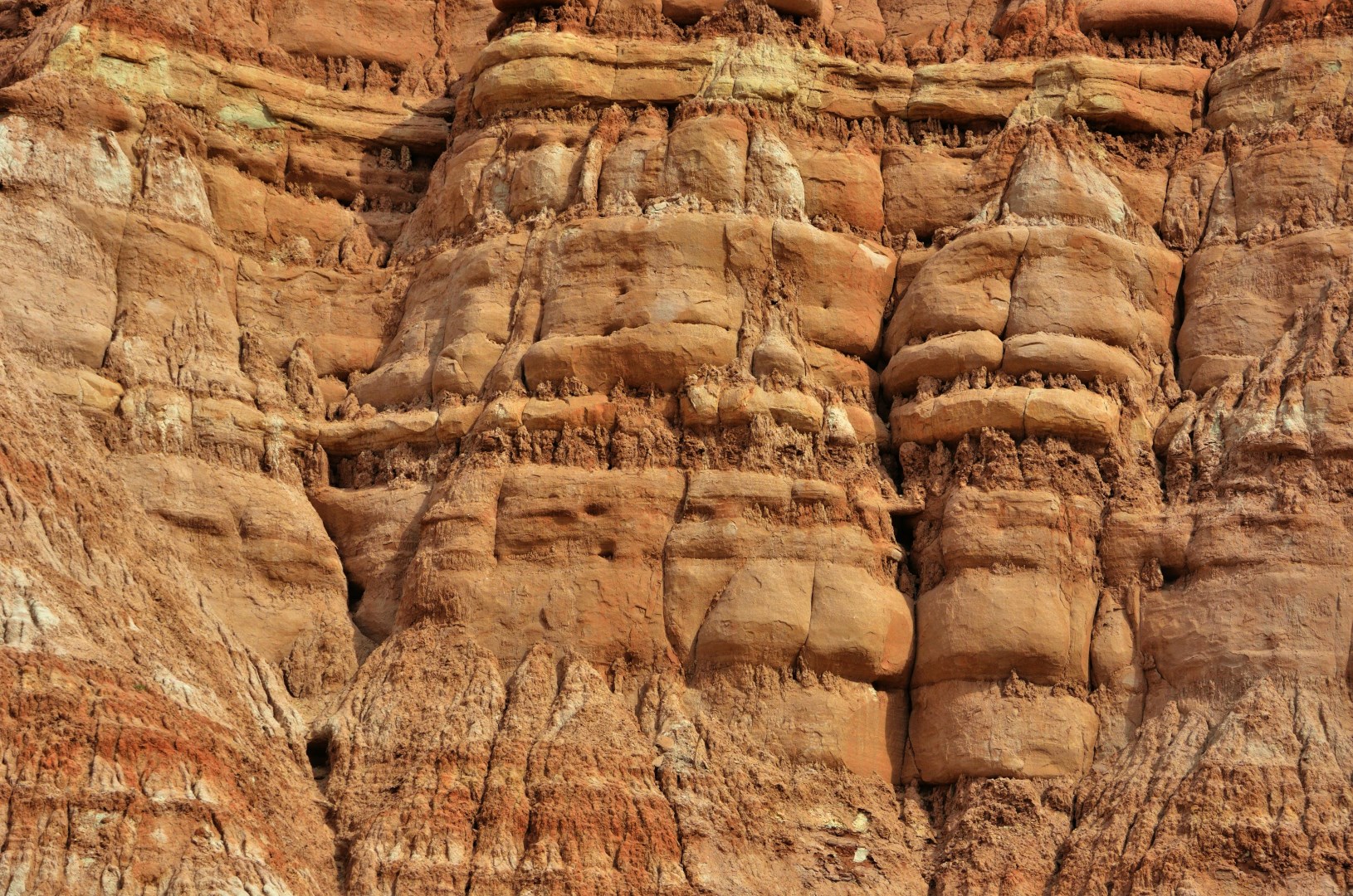
Grand Staircase-Escalante National Monument
Grand Staircase–Escalante National Monument stretches across southern Utah as a vast landscape of layered cliffs, winding canyons, and open desert plateaus. The land shifts in color from pale cream to deep red, depending on the angle of the sun, revealing rock layers that look like pages stacked over time. Much of the area feels remote, with long dirt roads like Hole-in-the-Rock Road leading travelers deep into quiet terrain where rock formations rise suddenly from flat ground.