Tunis' white-washed, blue-shuttered buildings hide a treasure trove of Arabic and Ottoman art. Inspect illuminated manuscripts from the Koran, follow the twists and turns of the fascinating old Medina (inner city), marvel at the ornate Palace of Dar Ben Abduallah and the magnificent Djamaa-Ez-Zitouna Mosque, whose 184 columns were "recycled" from the rocky ruins of Carthage.
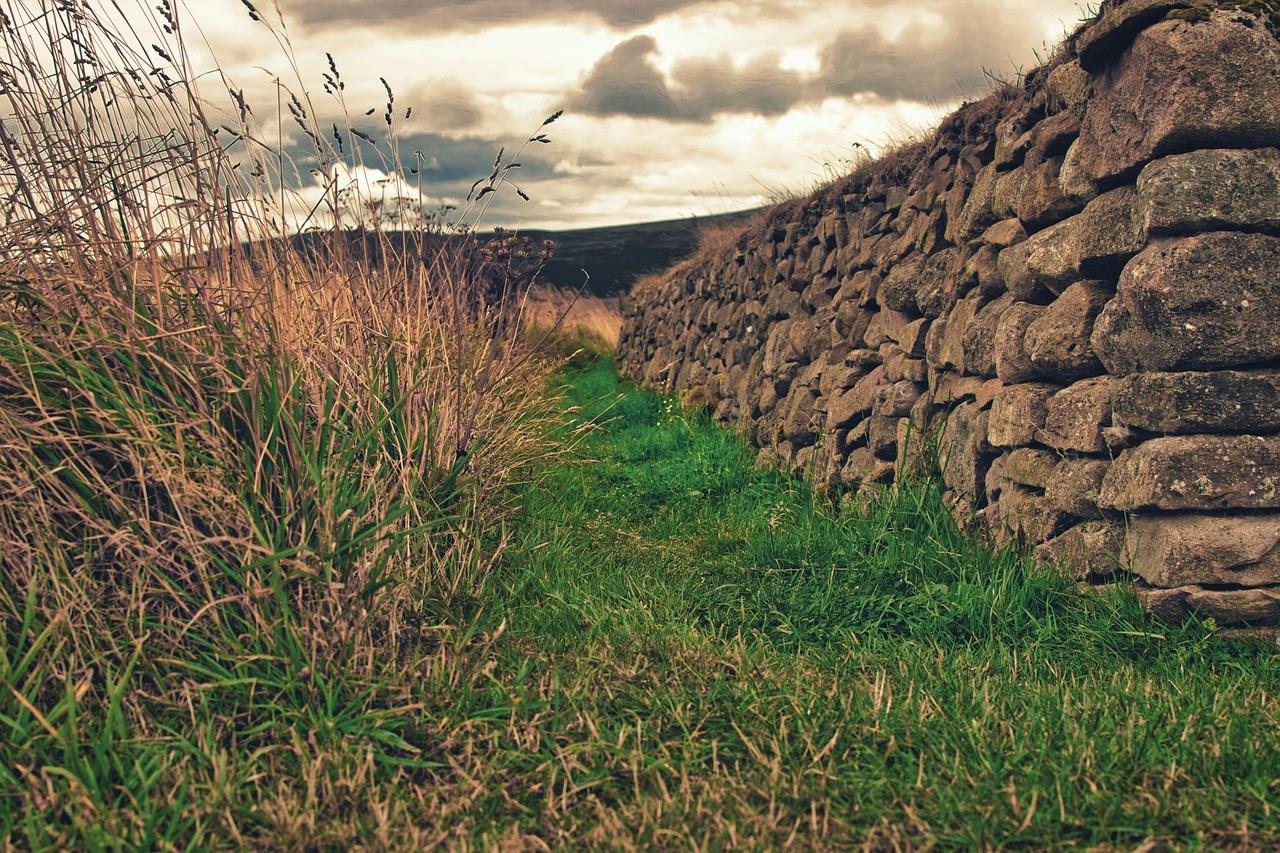
Culloden, located just outside Inverness in the Scottish Highlands, is the site of one of the most significant and sobering moments in Scotland’s history. On April 16, 1746, the Battle of Culloden marked the violent end of the Jacobite uprising led by Charles Edward Stuart, better known as Bonnie Prince Charlie. In under an hour, the hopes of restoring the Stuart monarchy were crushed by government forces.
Brighton, a vibrant seaside city on England's southern coast, has long been a favorite getaway for those seeking a mix of culture, history, and the sea. Its most famous landmark, the Royal Pavilion, is an architectural wonder with its exotic, Indian-inspired domes and minarets. Originally built for King George IV as a lavish seaside retreat, the palace today offers visitors a glimpse into royal opulence with its richly decorated interiors and sprawling gardens.
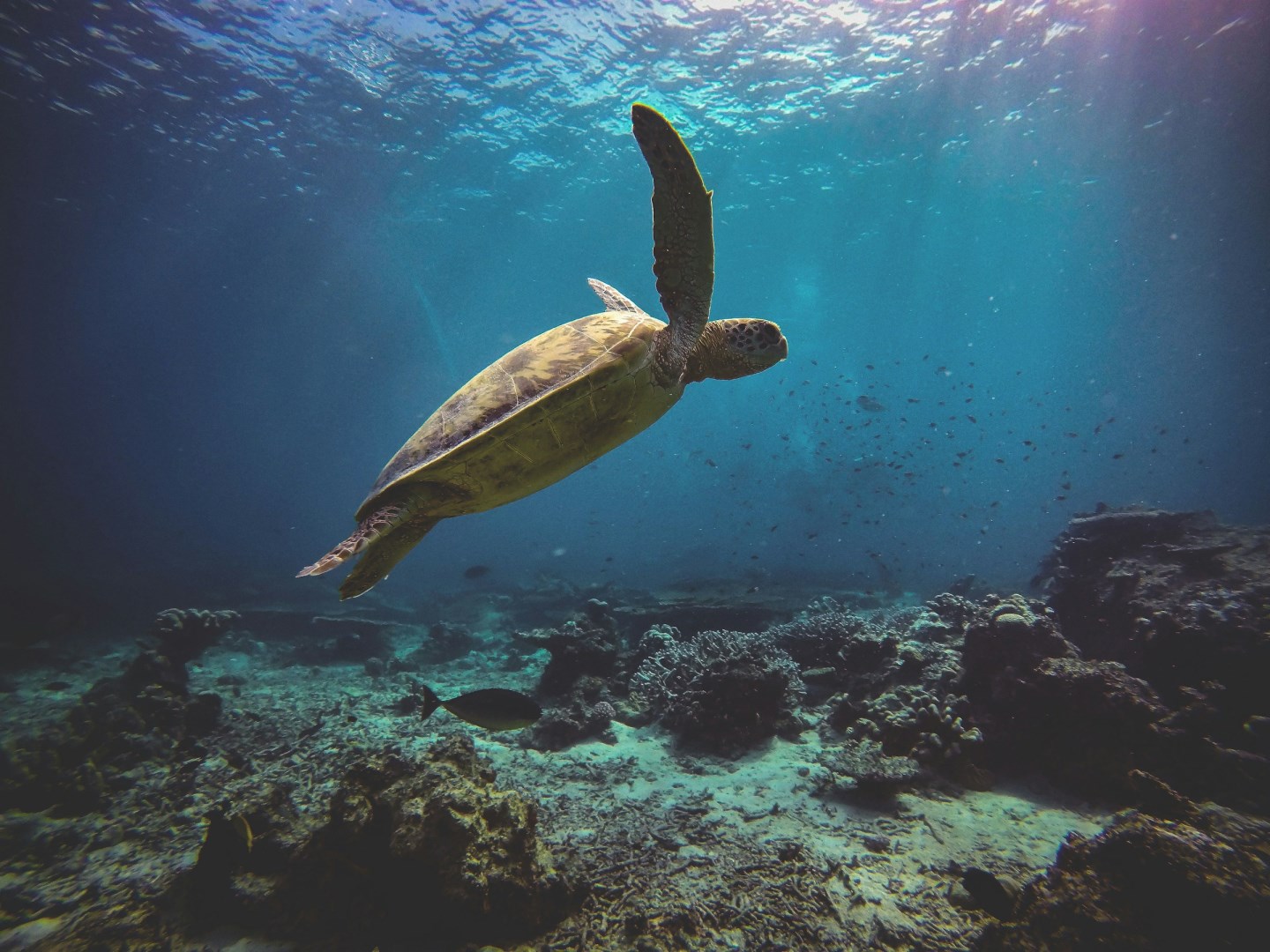
Malaysian Borneo occupies the northern part of Borneo, the world's third-largest island, and consists of the states of Sabah and Sarawak together with the federal territory of Labuan. The region is marked by extensive rainforests, rivers, mountains, limestone formations, and a long coastline along the South China, Sulu, and Celebes seas. Kota Kinabalu and Kuching are the principal urban centers, while smaller communities extend into forest and river regions.
Machu Picchu is a story carved into stone, perched nearly 2,500 meters above sea level in the cloud forests of southern Peru. Built in the 15th century and later abandoned, this Inca citadel was unknown to the outside world until 1911, when explorer Hiram Bingham brought it to international attention. Today, it remains remarkably well-preserved, with more than 150 stone structures, terraced fields, ceremonial fountains, and temples aligned with astronomical events.
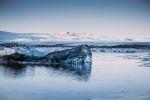
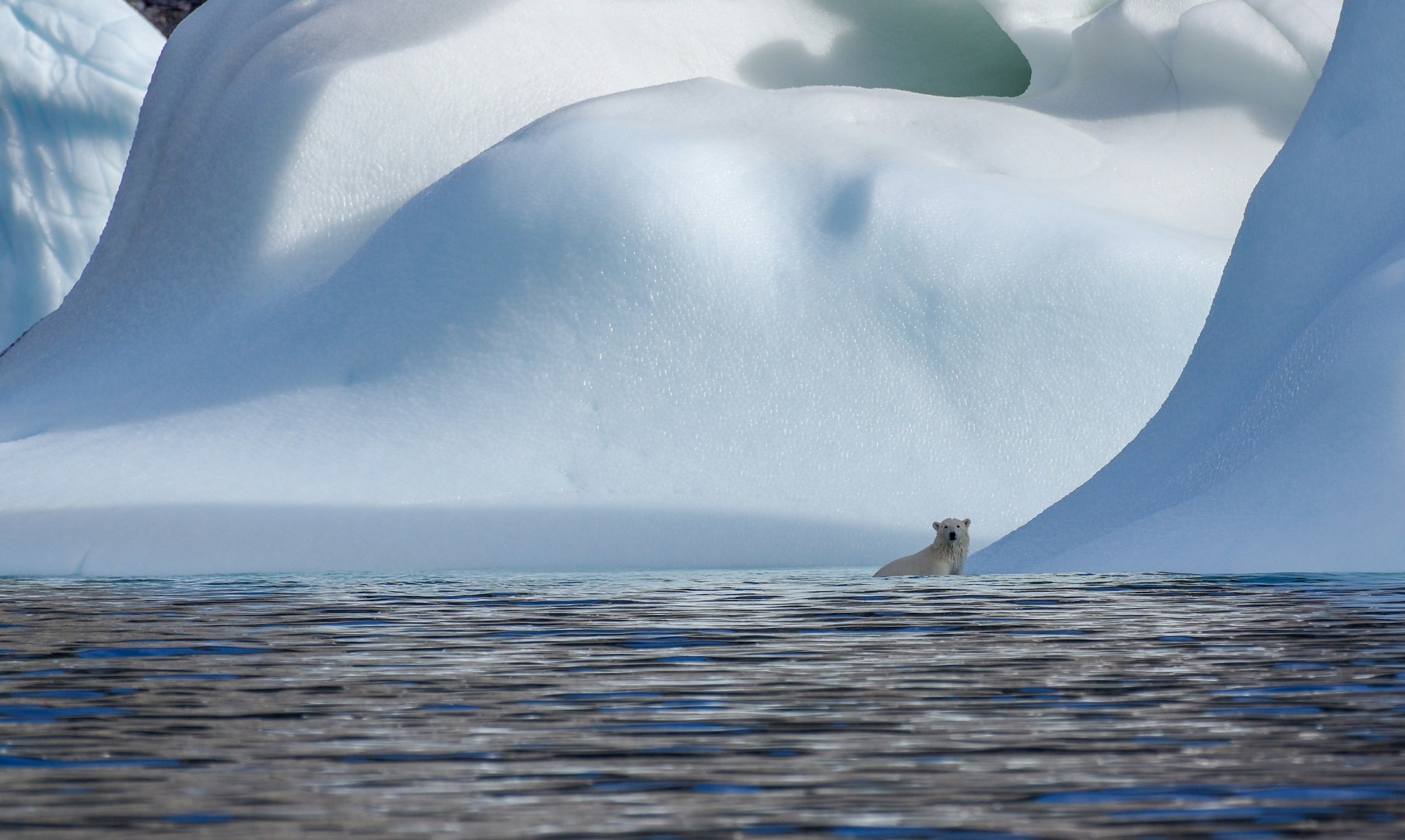
The Arctic Ocean, the world's smallest and shallowest ocean, offers a breathtaking and unique adventure for those seeking the grandeur of the polar regions. This icy expanse, bordered by Europe, Asia, and North America, is renowned for its stunning natural beauty and pristine landscapes. Travelers can explore the Svalbard Archipelago, a group of islands located between mainland Norway and the North Pole, where you can experience the northern lights and encounter polar bears in their natural habitat.
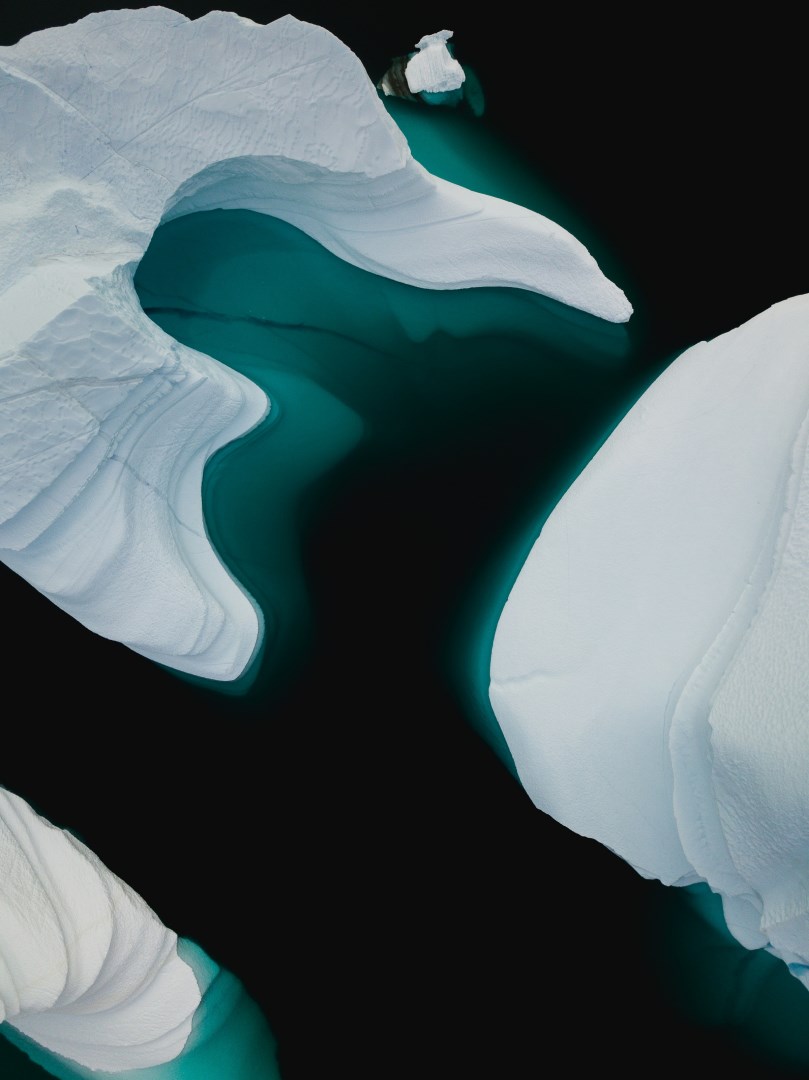
A journey through the Arctic Ocean promises a variety of extraordinary experiences, including exploring Greenland’s Ice Sheet, the second-largest ice body in the world. Adventure seekers can embark on ice hiking or glacier tours, marveling at the dramatic ice formations and the vivid colors of the icebergs. In addition, the Arctic waters are home to a diverse range of marine life, including seals, whales, and numerous seabirds, making it a haven for wildlife enthusiasts.
The Arctic Ocean is also dotted with fascinating scientific research stations and historical sites. The North Pole itself is a destination of legend and adventure, often visited by daring explorers and researchers. The region's history is rich with tales of exploration and survival, as seen in the expeditions of figures like Roald Amundsen and Robert Peary, whose journeys are commemorated in various Arctic museums and exhibits.
Fun Fact: Despite its icy reputation, the Arctic Ocean is a vital part of global climate regulation. Its ice cover reflects sunlight, helping to keep the planet cool. As climate change affects this delicate balance, visiting the Arctic Ocean provides a unique opportunity to witness firsthand the impacts of environmental changes on one of Earth’s most remote regions.
Other Popular Destinations in At Sea
Adriatic Sea
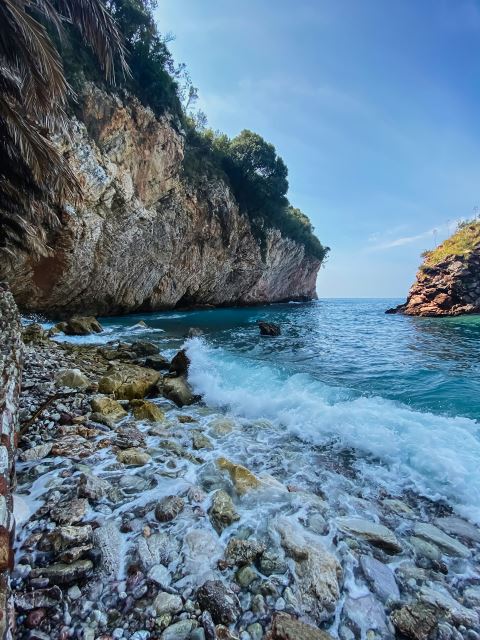
The Adriatic Sea, a stunning crescent-shaped expanse of turquoise water between the Italian Peninsula and the Balkan Peninsula, offers a captivating destination for travelers seeking both natural beauty and rich history. Stretching from the Gulf of Trieste in the north to the Gulf of Kotor in the south, this Mediterranean gem is renowned for its crystal-clear waters, charming coastal towns, and diverse marine life. The pristine beaches of Croatia's Dalmatian Coast and Montenegro's Bay of Kotor p
Bay of Kotor
Enclosed by mountains, the Bay of Kotor is dotted with historic towns, medieval fortifications, and centuries-old churches, making it a must-visit location for travelers looking to explore a unique coastal landscape.