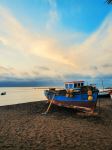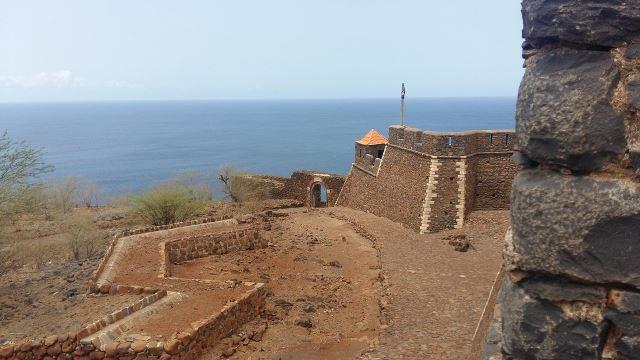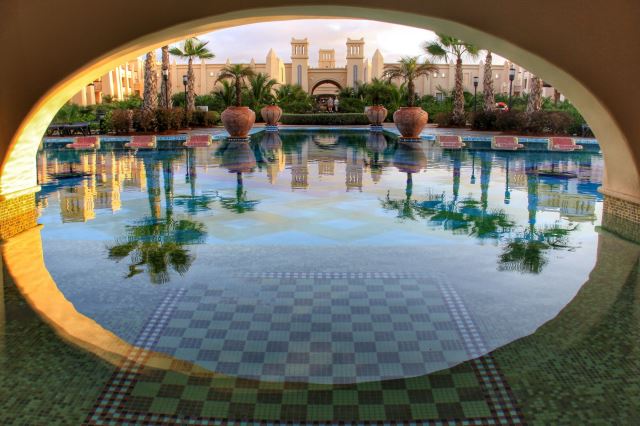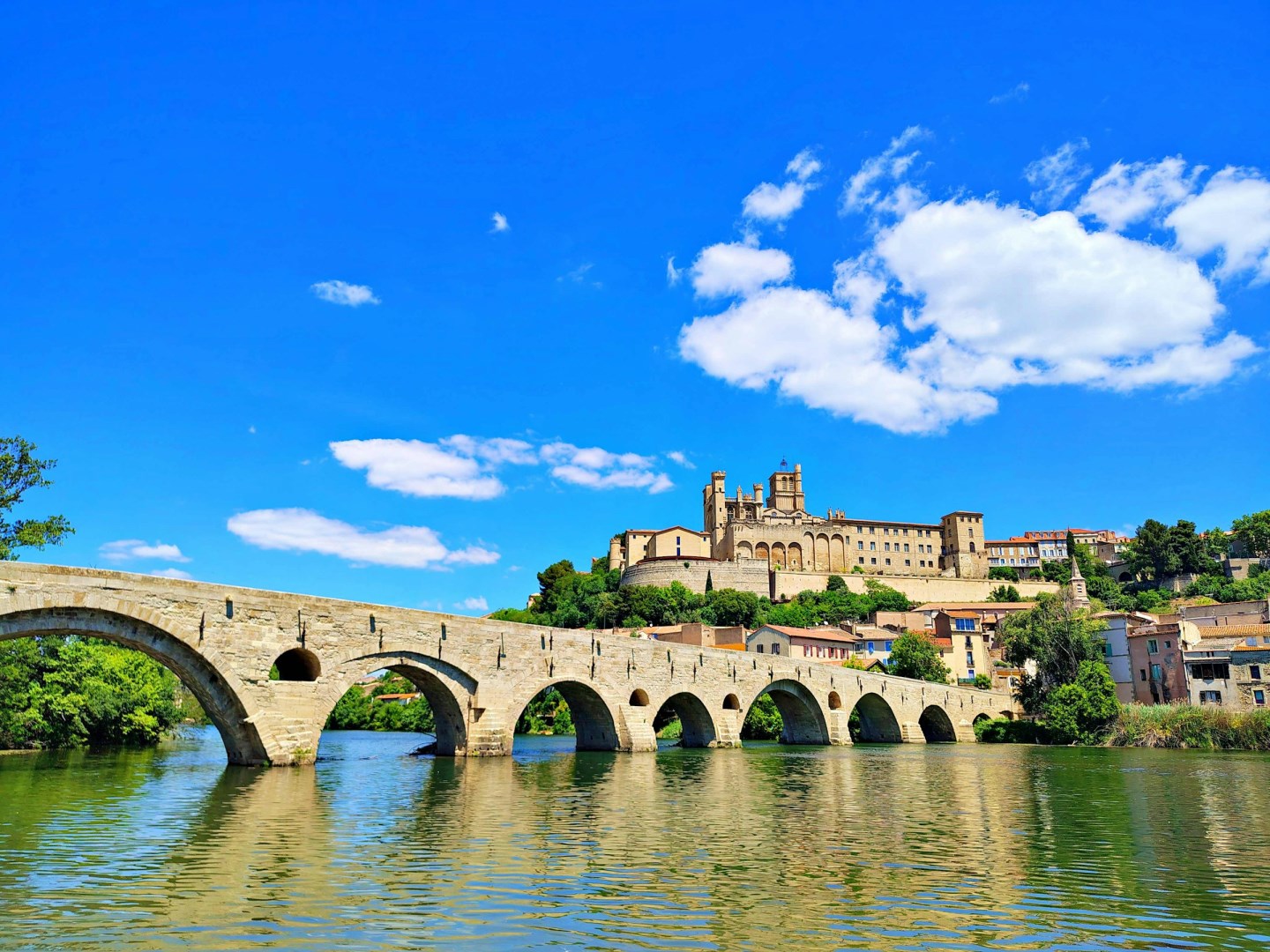
Gabon, located on the west coast of Central Africa, is a country of lush rainforests, vast savannas, and a pristine Atlantic coastline. Despite its small population, it is home to remarkable biodiversity, including gorillas, chimpanzees, forest elephants, and countless bird species. National parks such as Loango and Ivindo protect these habitats, offering visitors a chance to experience Africa’s wildlife in relatively untouched landscapes.
The Chobe River forms the northern boundary of the Chobe National Park. Animal lovers and safari enthusiasts know it as the place where the elephants congregate during winter's dry season and migrant birds are in full color during the wet summer months. The river itself is actually a section of the Cuando River, known as the Chobe from the seasonal lake Liambesi to its outflow at the Zambezi River.
Aït Benhaddou, located in southern Morocco along the former caravan route between the Sahara and Marrakesh, is one of the country’s most iconic historic sites. This fortified village, or ksar, is recognized as a UNESCO World Heritage Site and is admired for its striking earthen clay architecture that rises dramatically from the desert landscape.
Maun, often referred to as the "tourism capital" of Botswana, is a vibrant gateway to the Okavango Delta, one of the world's largest inland deltas. Visitors can explore the nearby Moremi Game Reserve, known for its diverse wildlife and stunning landscapes, or take a scenic flight over the delta for a bird's-eye view of this spectacular UNESCO World Heritage Site.
Nestled within the Colorado Rockies, Keystone is a popular ski resort destination west of Denver. The perfect spot for a variety of outdoor adventures, Keystone offers ample opportunity to ski, snowboard, hike, or golf.
Photo Credit: Photo by Victor Svistunov on Unsplash
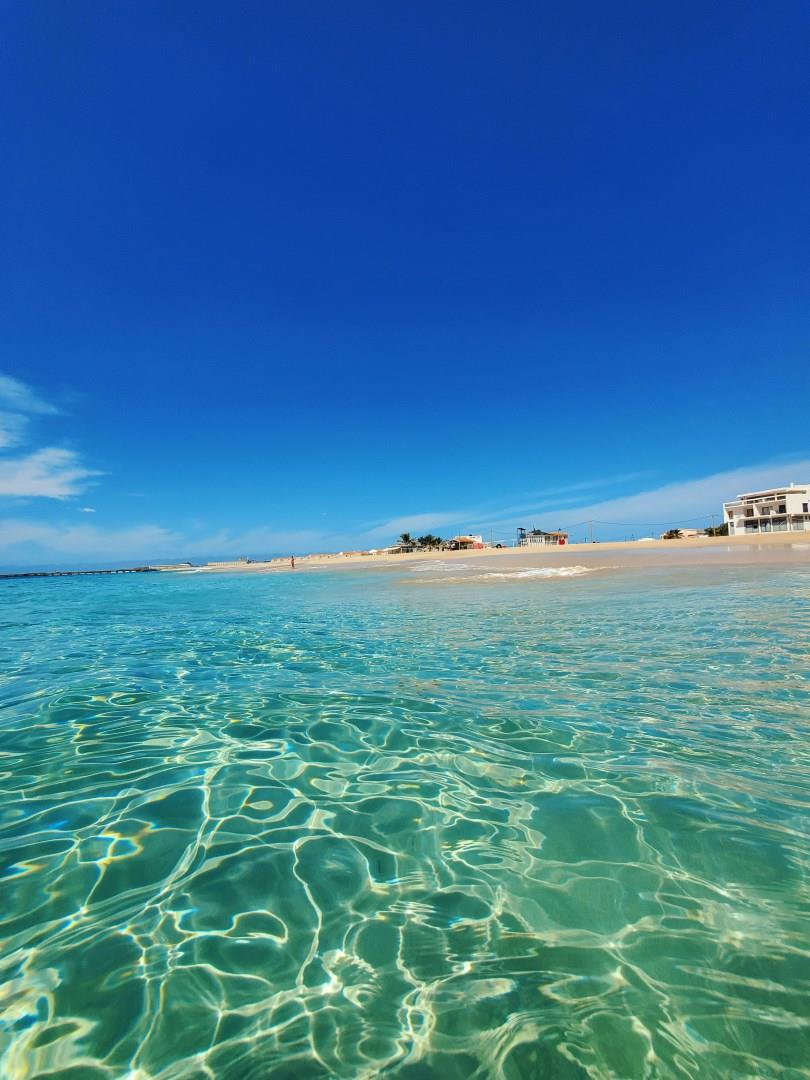
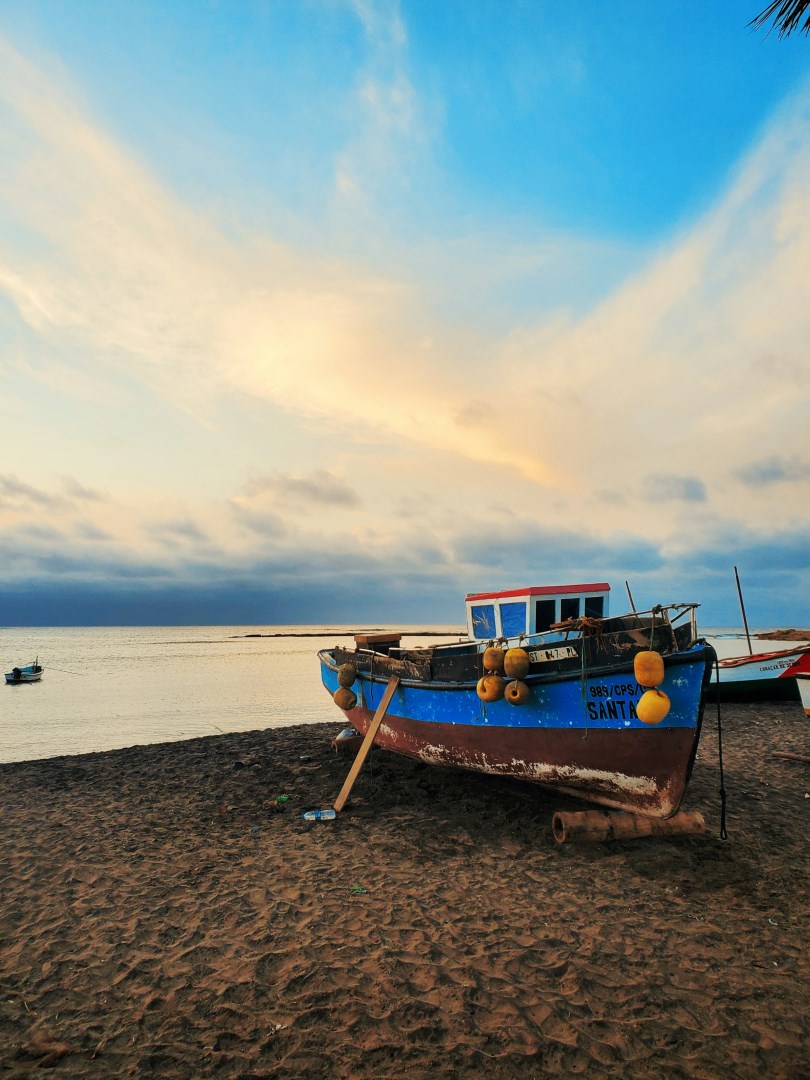
Maio, one of Cape Verde's hidden gems, offers a serene escape with its unspoiled landscapes and charming island atmosphere. This tranquil island, part of the Cape Verde archipelago, is renowned for its stunning beaches and laid-back vibe. The white sandy shores of Praia do Morro, with its crystal-clear waters and gentle waves, provide the perfect setting for relaxation and sunbathing, while the surrounding salt pans showcase Maio's historical role in the salt industry.
Cultural and natural exploration awaits in Maio's diverse landscape. The island is dotted with traditional villages that offer insights into local life and customs. The vibrant Festa de São João in the town of Vila do Maio is a highlight, featuring lively music, dance, and local cuisine that capture the island’s rich cultural heritage. Maio’s arid interior is also an intriguing area to explore, with its unique flora and fauna and the impressive Monte d'Igreja offering panoramic views.
For the adventure-seeker, Maio’s landscape provides opportunities for hiking and exploring its diverse terrain. The island's quiet nature reserves and remote beaches are ideal for those looking to escape the more crowded tourist spots and immerse themselves in nature. Trekking through the island’s rugged hills and dunes offers a chance to witness rare bird species and endemic plant life.
Fun Fact: Maio is the least populated of Cape Verde's islands, making it a pristine retreat where you can enjoy the untouched beauty of the Atlantic Ocean without the bustle of heavy tourism.