Rio de Janeiro
Exhilarating Rio de Janeiro, the vibrant South American destination and cultural capital, abounds with iconic landmarks, beaches, and attractions. Christ the Redeemer, the hundred-foot mosaic statue atop Corcovado Mountain, overlooks the glittering coastline and is instantly recognizable, having become an enduring symbol of the city itself. Its arms stretching wide, the prominent figure beckons you to explore this inviting locale.
El Jem
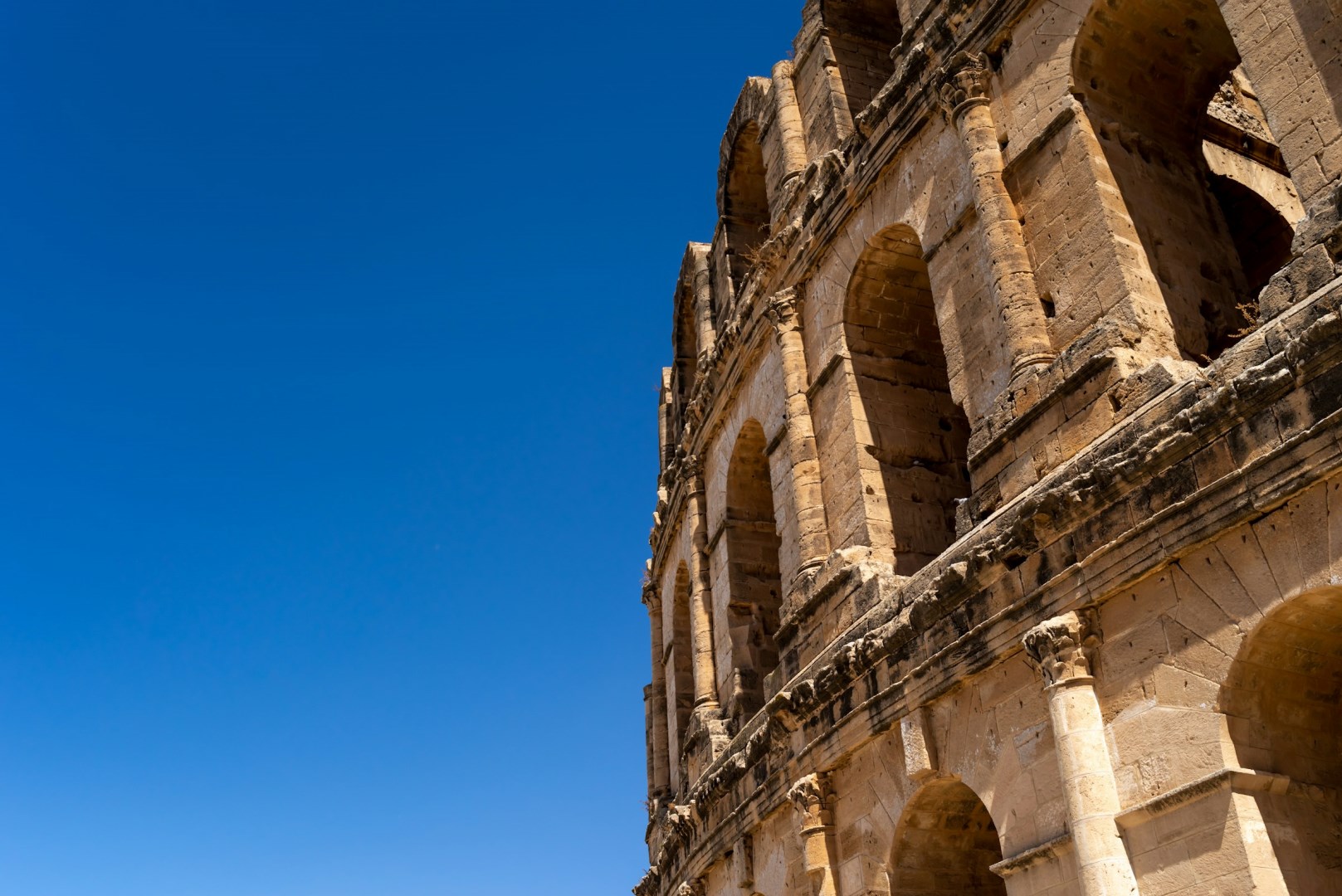
El Jem is a town in central Tunisia best known for its exceptionally preserved Roman amphitheatre, which dominates the surrounding plain. The monument was built as a free-standing structure of stone blocks and could accommodate an estimated 35,000 spectators, making it one of the largest amphitheatres in the Roman world. El Jem developed in an important agricultural region associated with olive cultivation and the production and trade of olive oil.
Wiesbaden
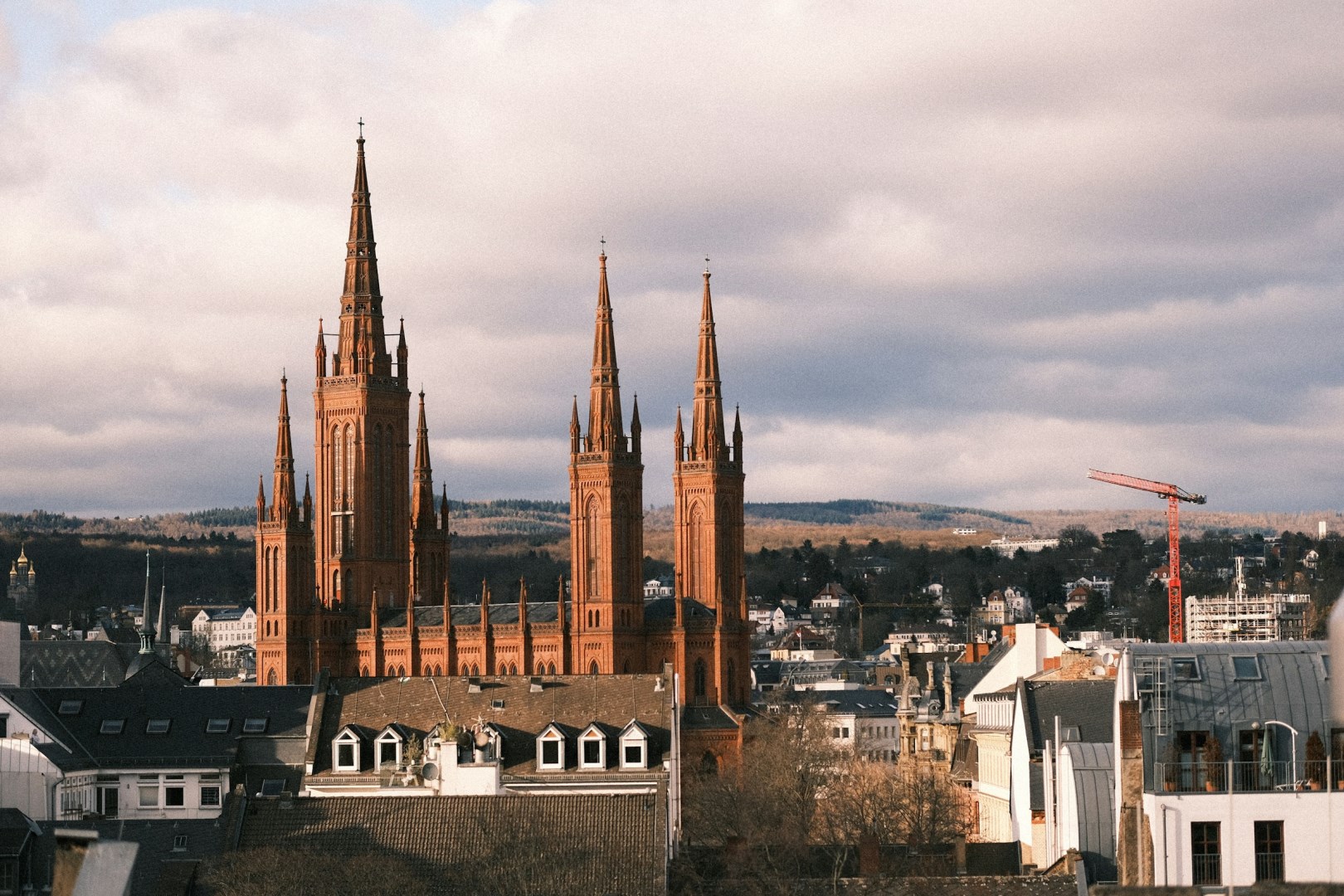
Wiesbaden is located in west central Germany at the southern foot of the Taunus Mountains, on the Rhine River, near Frankfurt. It is popular for its 26 hot mineral springs and mild climate and tourism is vital to the local economy. Wiesbaden is a cultural center; places of interest are the former royal and ducal residences; the Kurhaus with its casino and its concert halls; the Colonnade, remnants of a Roman wall known as the Heidenmauer ("heathens' wall"); and the Hessian State Theater.
Madagascar
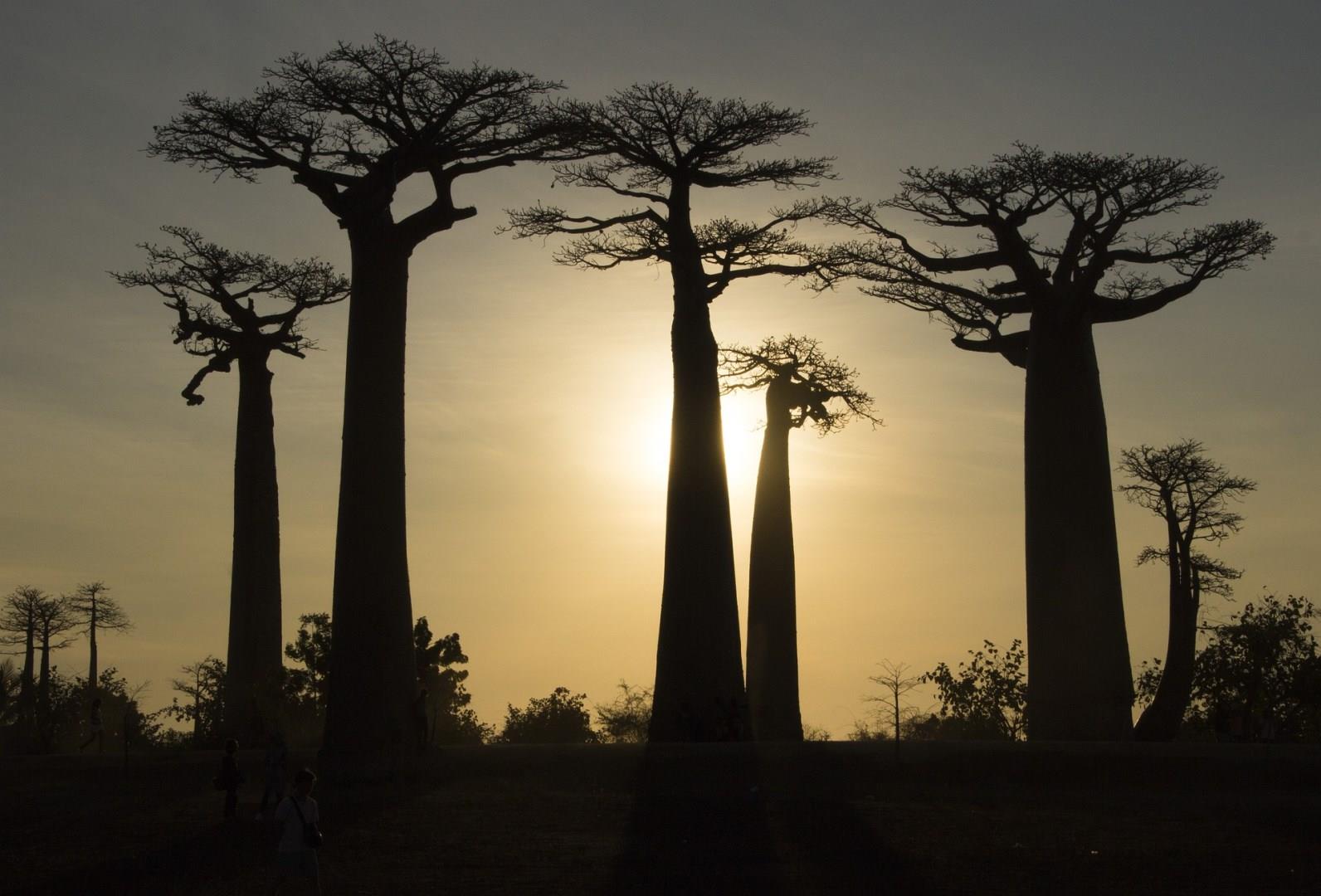
Madagascar, the world’s fourth-largest island, lies off the southeastern coast of Africa and is renowned for its extraordinary biodiversity and unique landscapes. Its rainforests, spiny deserts, and highland plateaus provide habitats for species found nowhere else on Earth.

Isabela Island
Isabela Island is the largest of the Galapagos islands, on the western end of the archipelago. Shaped like a seahorse when viewed from above, Isabella is home to more wild tortoises than any other island, as well as a wide variety of other animal, bird and marine life.