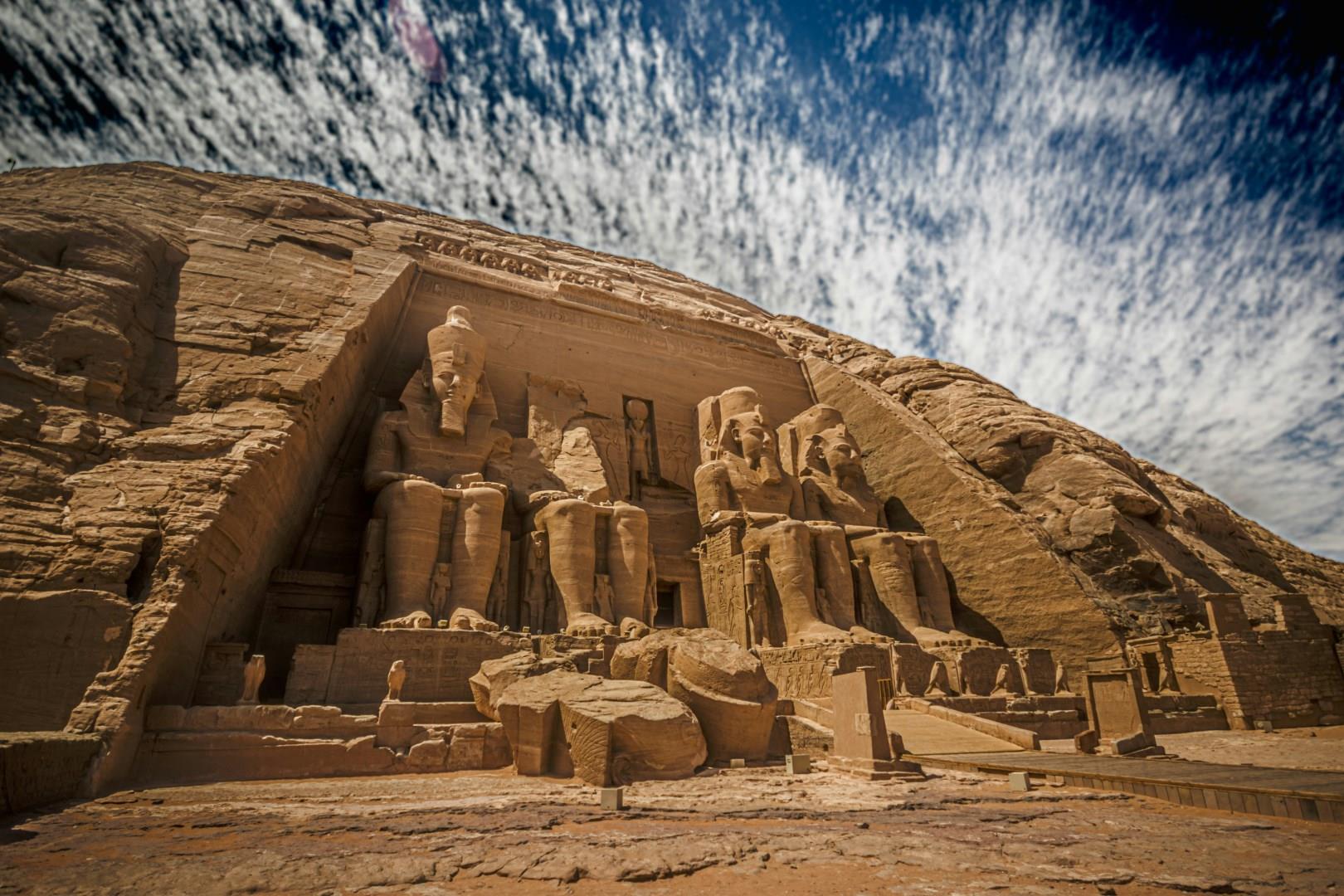
Abu Simbel
Abu Simbel, in southern Egypt near the border with Sudan, is one of the most awe-inspiring archaeological sites of the ancient world. Built during the reign of Pharaoh Ramses II in the 13th century BCE, the twin temples were carved directly into the sandstone cliffs overlooking the Nile. The Great Temple, with its four colossal statues of Ramses II seated at the entrance, was designed not only to honor the pharaoh but also to project his power to neighboring Nubia.
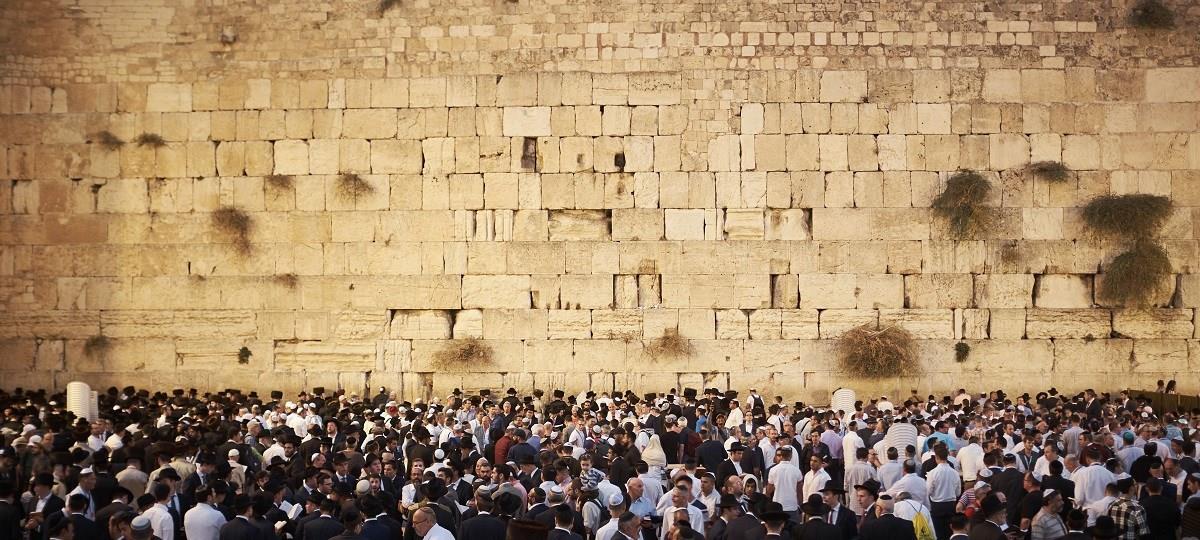
Jerusalem
This beautiful holy city is a spiritual lightning rod and sacred to Jews, Muslims and Christians all over the world. Although Jerusalem is known primarily for its religious history, the city is also home to many artistic and cultural venues.

England
Welcome to England. The green hills, the noble woodlands, the perfect flowering of architecture and remarkable cultural heritage beckon visitors from around the globe.

Laos
Laos, a landlocked country in Southeast Asia, is known for its lush landscapes, winding rivers, and rich Buddhist culture. The Mekong River flows along much of the country’s western border, offering both vital transportation routes and scenic vistas. Rolling hills, dense forests, and limestone karsts provide opportunities for hiking, kayaking, and exploring remote villages.

Baden-Baden
Nestled in the foothills of the Black Forest, Baden-Baden is Germany's ultimate spa destination, famous for its luxurious thermal baths and charming Belle Époque architecture. This elegant town, whose name literally translates to "Baths of Baden," has attracted visitors seeking relaxation and rejuvenation for centuries.