Denpasar Bali
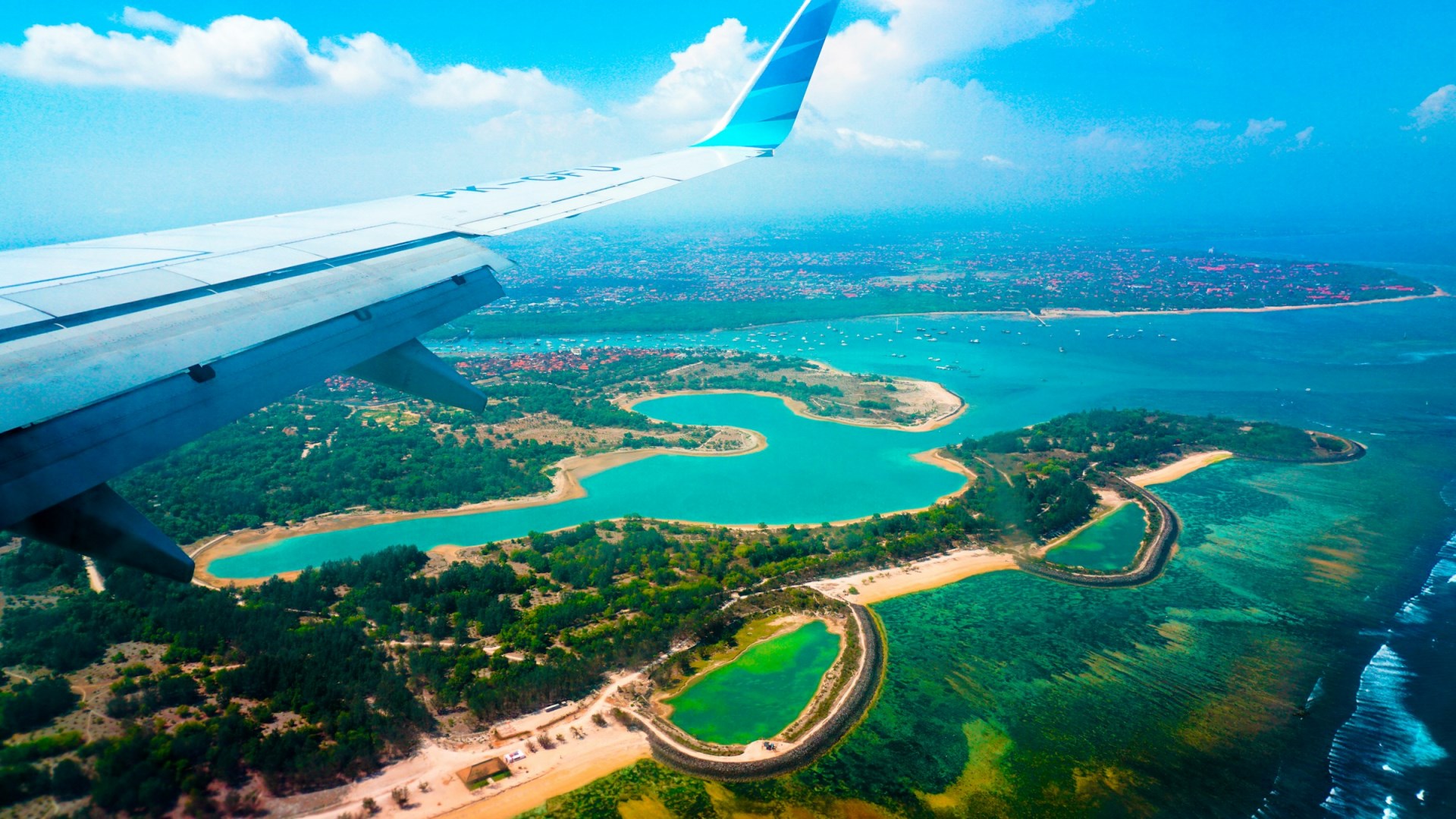
Denpasar is the capital of Bali and the island's largest urban community, often lending a drab, overcast ambiance to an otherwise delightful and interesting trip. Tour the Kumbasari Market for exotic Asian fruits while transvestites dance for handouts from local merchants. Visit the temples of Pura Jagatnata and the Museum Bali, for a taste of Balinese art from prehistoric to modern times. Check with the tourist center for a list of upcoming festivals on the island. And don't forget the Denpasar

Lahnstein
Lahnstein is located at the confluence of the rivers Rhine and Lahn. Situated between the tranquil Lahn Valley and the bustling energy of the Rhine, Lahnstein has developed a unique character and offers a wide variety of activities for visitors.

Gjógv
Nestled in the stunning landscape of Eysturoy in the Faroe Islands, Gjógv is a picturesque village that feels like a scene straight out of a fairy tale. Known for its dramatic cliffs and tranquil surroundings, Gjógv is named after the natural gorge that cuts into its coastline. The gorge, stretching 200 meters inland, serves as a natural harbor and has long been a lifeline for the village's fishing industry.
Aberdeen
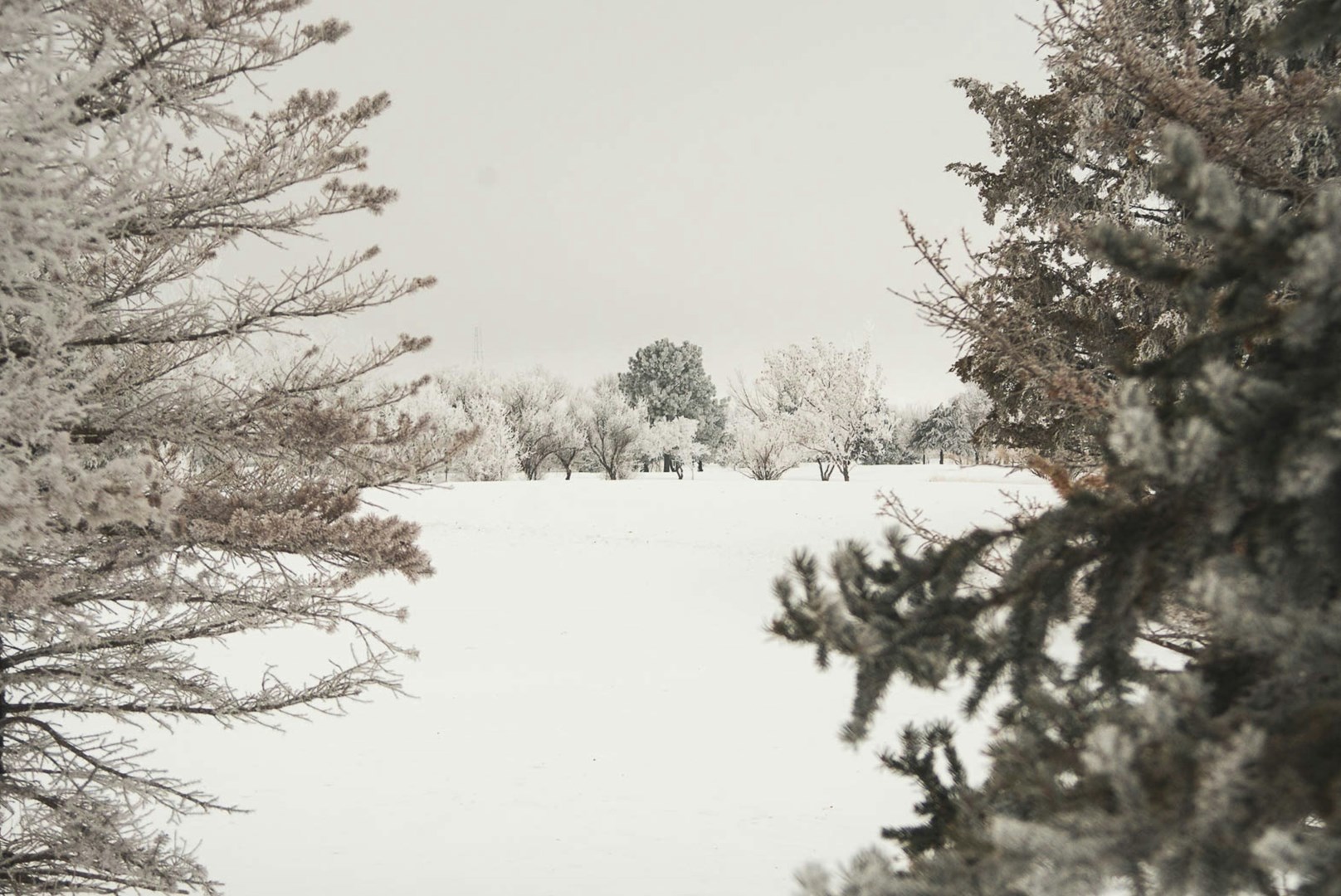
Aberdeen is a city in northeastern South Dakota, United States, situated on the northern Great Plains near the James River. As the county seat of Brown County, it serves as a regional center for agriculture, education, healthcare, and commerce.
Daintree National Park
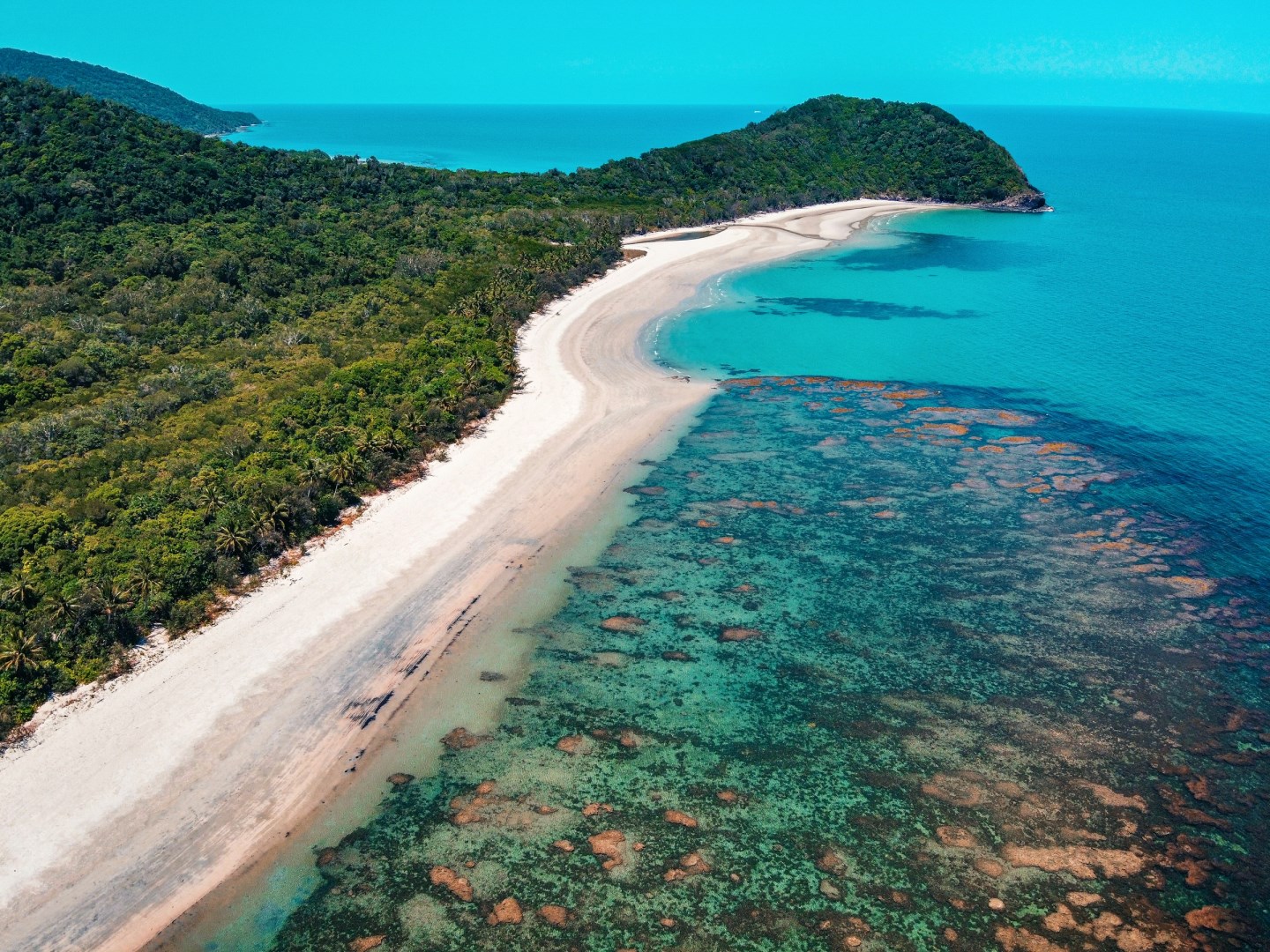
Journey through ancient tropical rainforest, rugged gorges and sandy coastlines where the forest meets the sea in Far North Queensland.