Pantanal
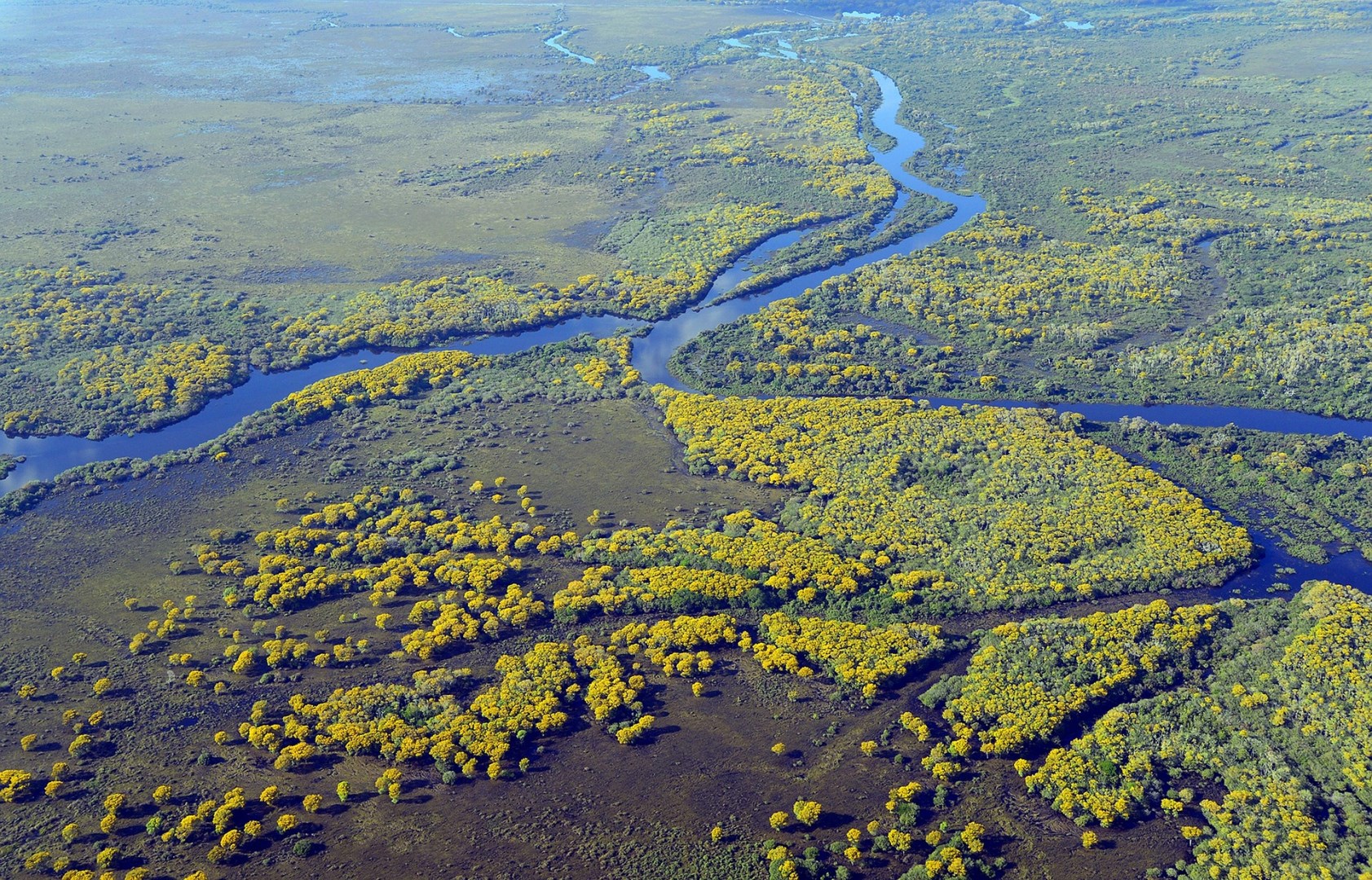
Pantanal, located on Brazil's western border, is a largely untouched paradise of savannah lowlands, seasonal wetlands and rich forested areas.

Zambia
Zambia, a landlocked country in southern Africa, is celebrated for its dramatic landscapes, diverse wildlife, and warm hospitality. Known as the “real Africa” by many travelers, it is home to some of the continent’s most famous natural wonders and national parks.

Dominican Republic
The Dominican Republic is a vibrant mosaic of cultures, landscapes, and rhythms. The country’s culture is celebrated through lively festivals, music, and dance, with merengue and bachata resonating in every corner.
Minneapolis/St. Paul
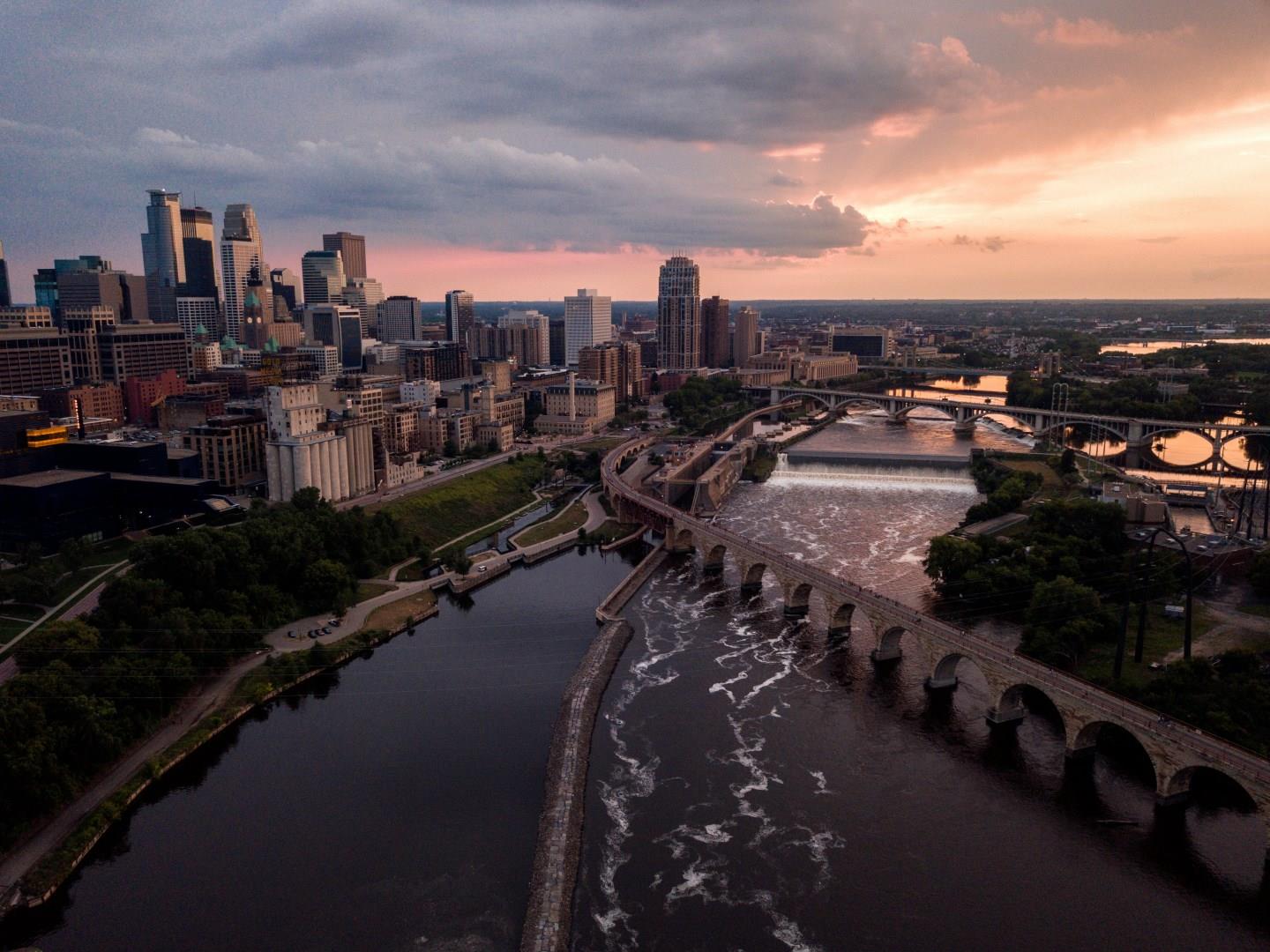
Minneapolis stands out with its unexpected blend of urban energy and freshwater calm. Built along the banks of the Mississippi River, the city has grown from a flour-milling powerhouse into a hub of creativity, design, and culture. At the heart of downtown, the Mill City Museum, housed inside the ruins of what was once the world’s largest flour mill, offers hands-on exhibits that bring Minneapolis’s industrial past to life. Just outside, the Stone Arch Bridge spans the river with sweeping views
Crazy Horse Memorial
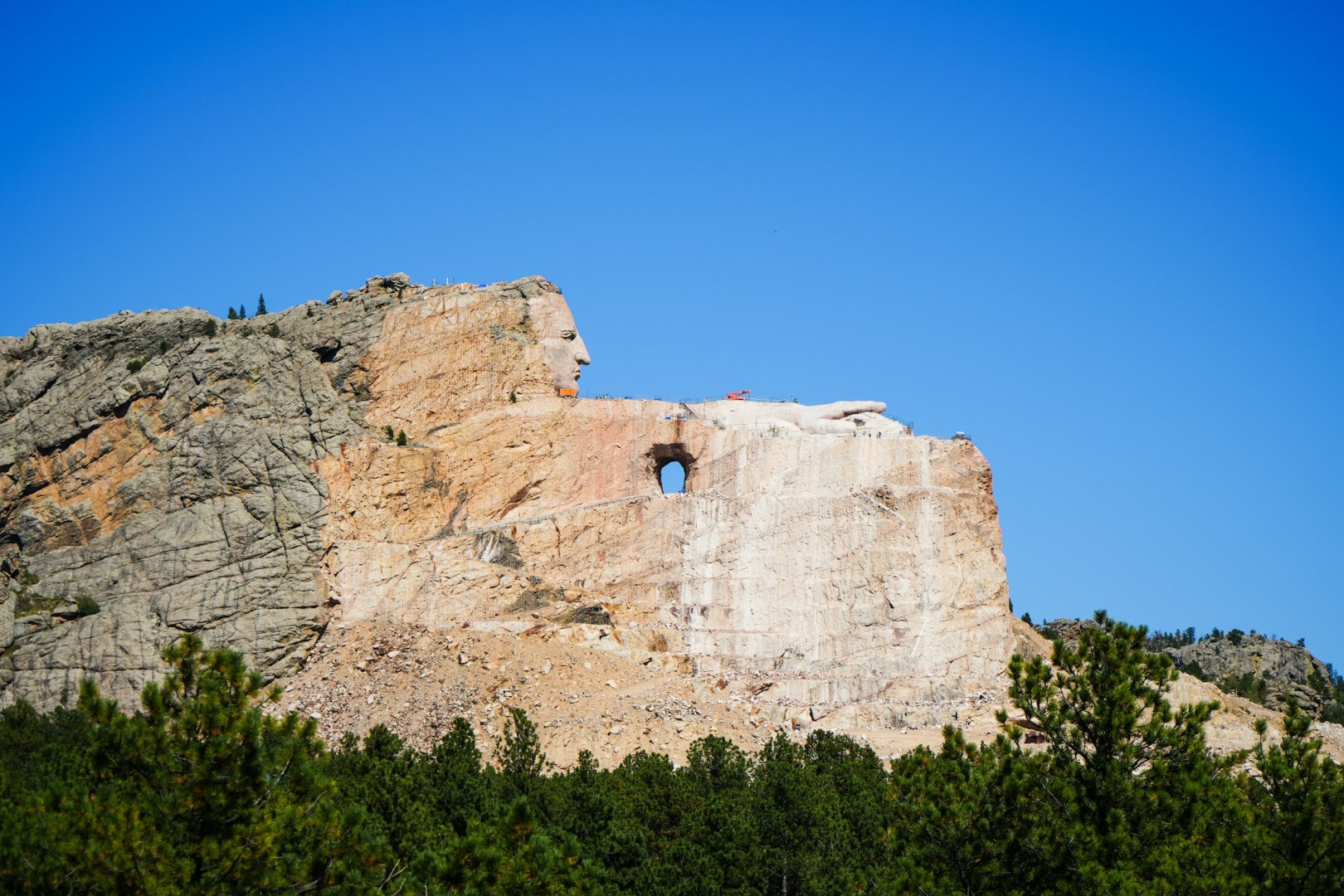
Crazy Horse Memorial stands in the Black Hills of South Dakota, between Custer and Hill City, where a massive mountain carving is being created to honor the Lakota leader Crazy Horse and the cultures of Native American peoples. The sculpture is cut directly into Thunderhead Mountain and is designed to depict Crazy Horse on horseback, pointing toward his ancestral lands