Inuvik
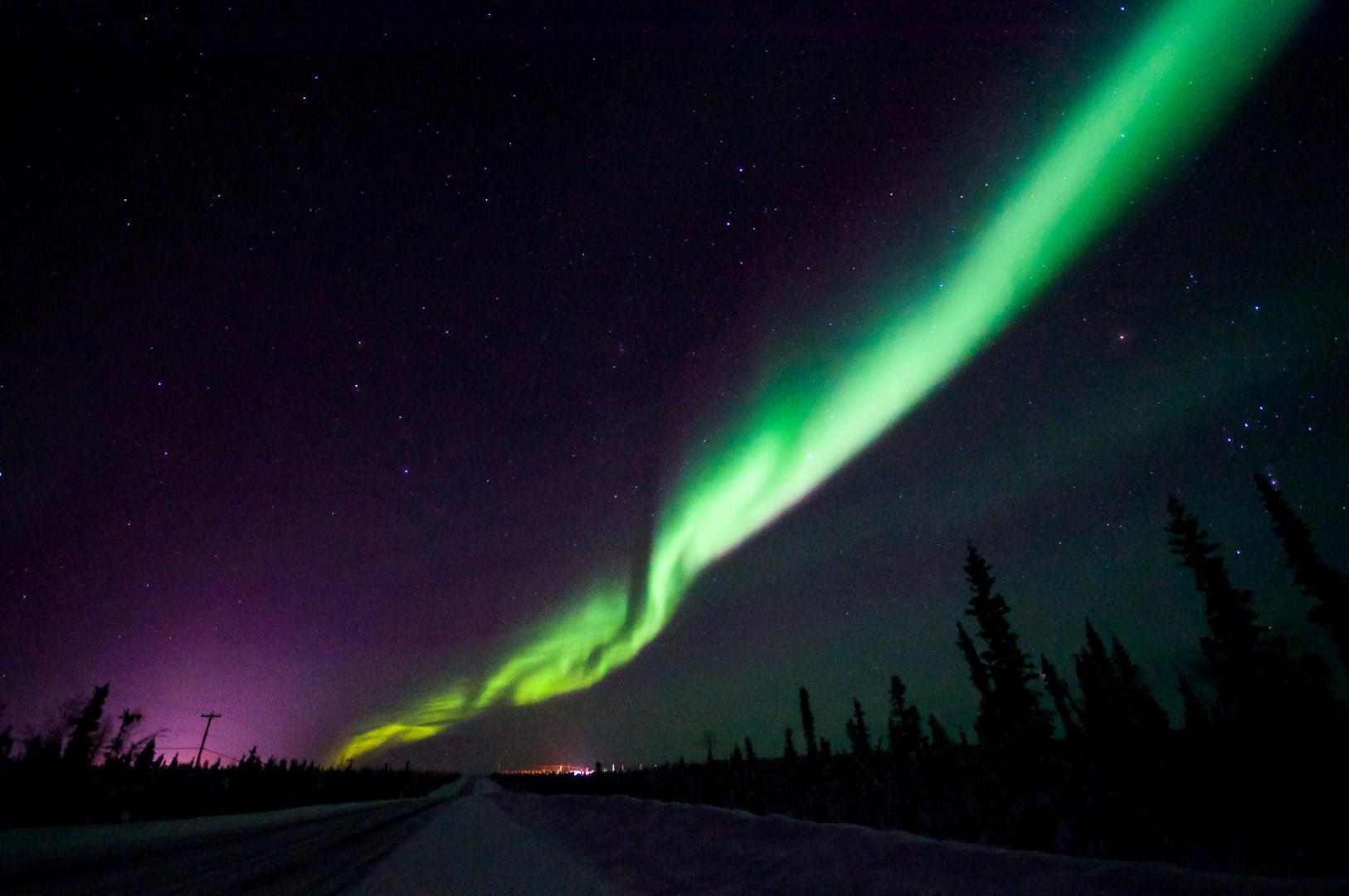
Summer in Inuvik brings the surreal experience of the Midnight Sun where the region experiences 56 days of continuous daylight from late May through mid-July. This natural phenomenon creates ideal conditions for exploring the dramatic tundra landscape and the nearby Mackenzie River Delta, one of the largest in North America. Adventurers can paddle through winding channels, spot migratory birds, or visit Tuktoyaktuk via the Inuvik-Tuktoyaktuk Highway.
Cradle Mountain Tasmania
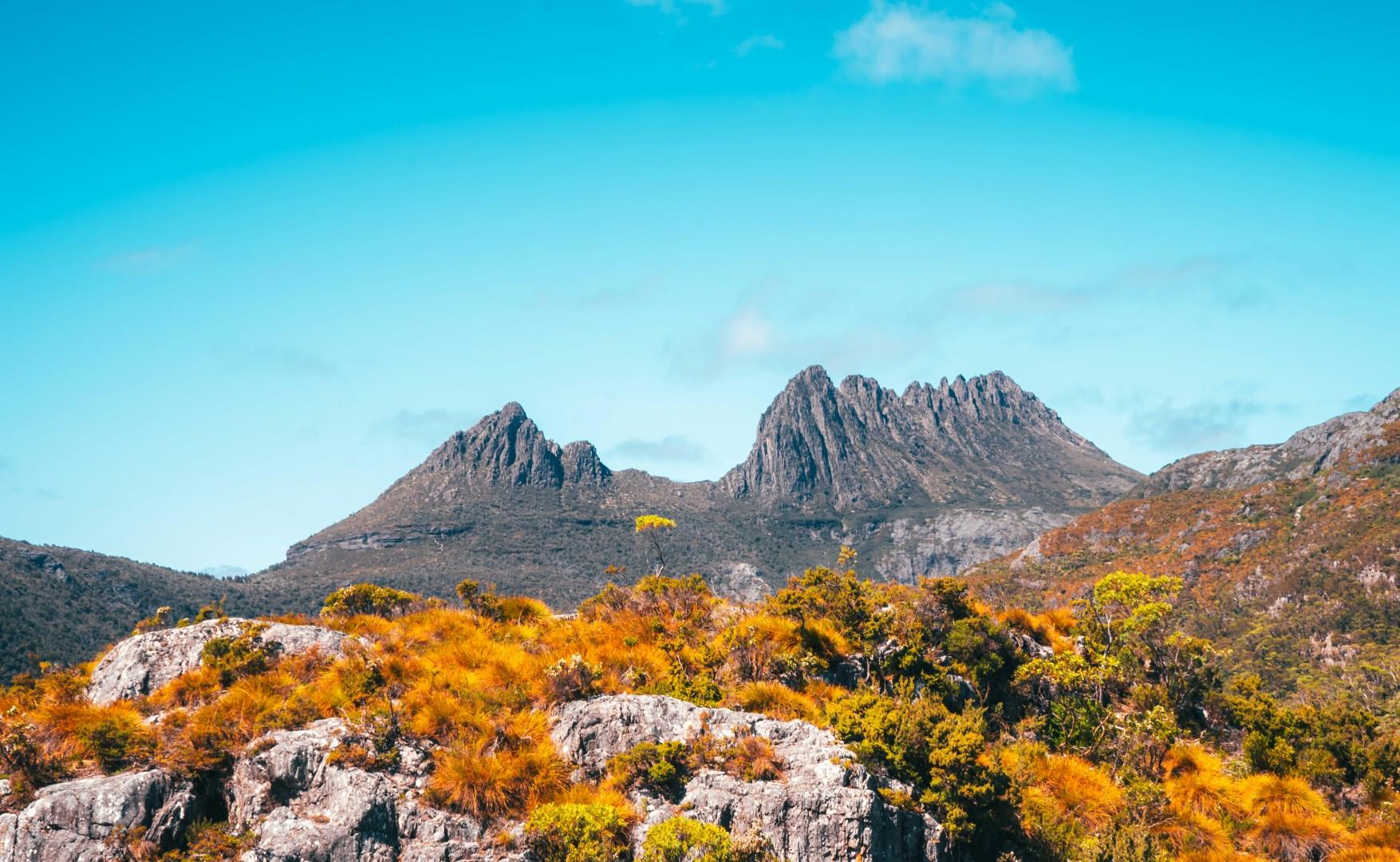
Cradle Mountain, located within the Tasmanian Wilderness World Heritage Area, is one of Australia's most distinctive landscapes. Towering over Dove Lake, the craggy peak rises to 1,545 meters and is often dusted with snow, even in spring. The mountain and surrounding area are part of Cradle Mountain–Lake St Clair National Park, which was established in 1922 and has since become a cornerstone of Tasmania’s protected wildlands.
Ceuta
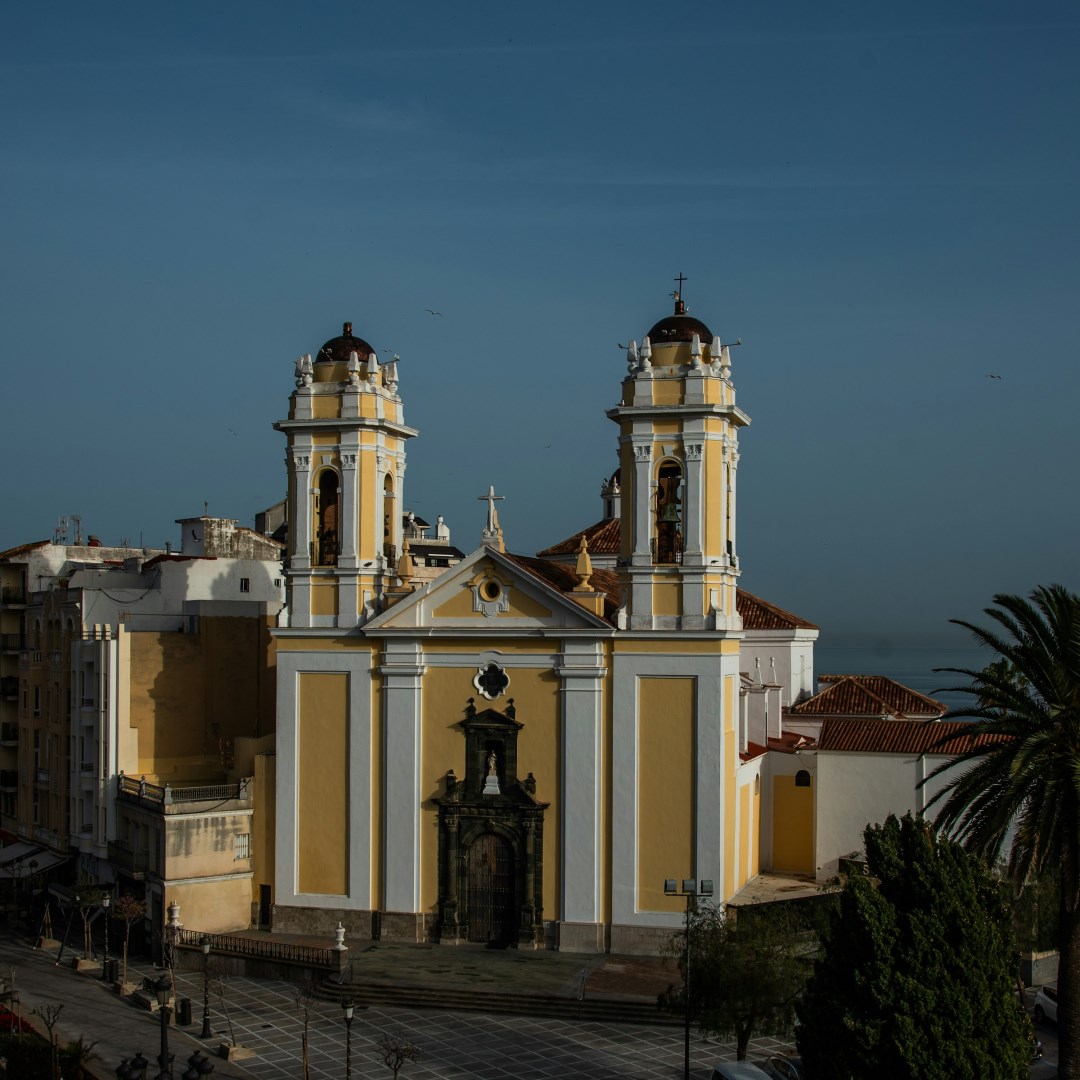
Ceuta is a Spanish autonomous city on the northern coast of Africa, bordered by Morocco and facing the Strait of Gibraltar.
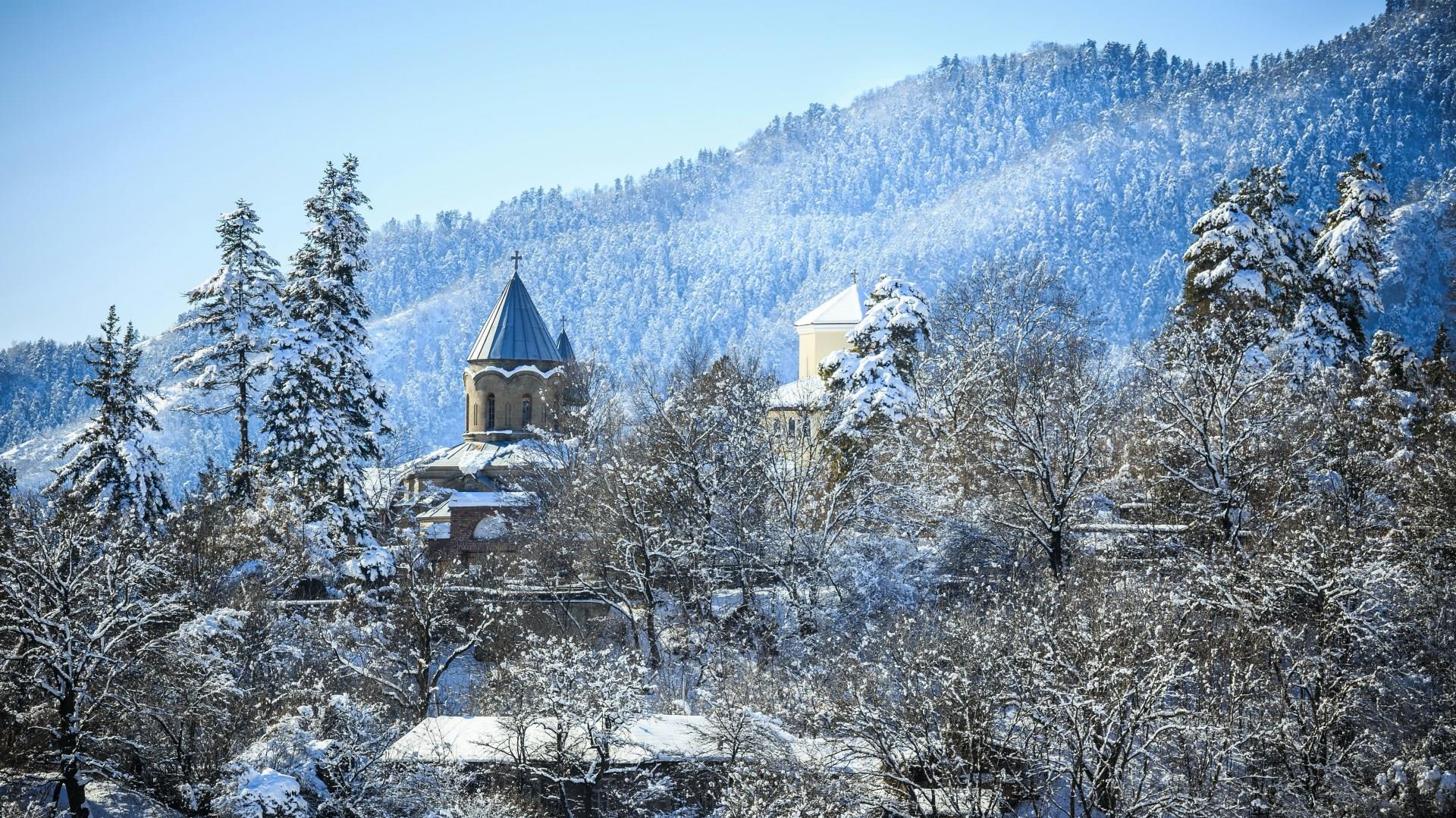
Borjomi
Borjomi sits high in the center of Georgia, in a long valley along the Borjomula River surrounded by forested mountains. For centuries its mineral springs have drawn people to the region, but it wasn’t until the 1800s that the water became known to the wider world when Russian officers stationed here shared its crisp, naturally fizzy taste and believed health-boosting properties with visitors.
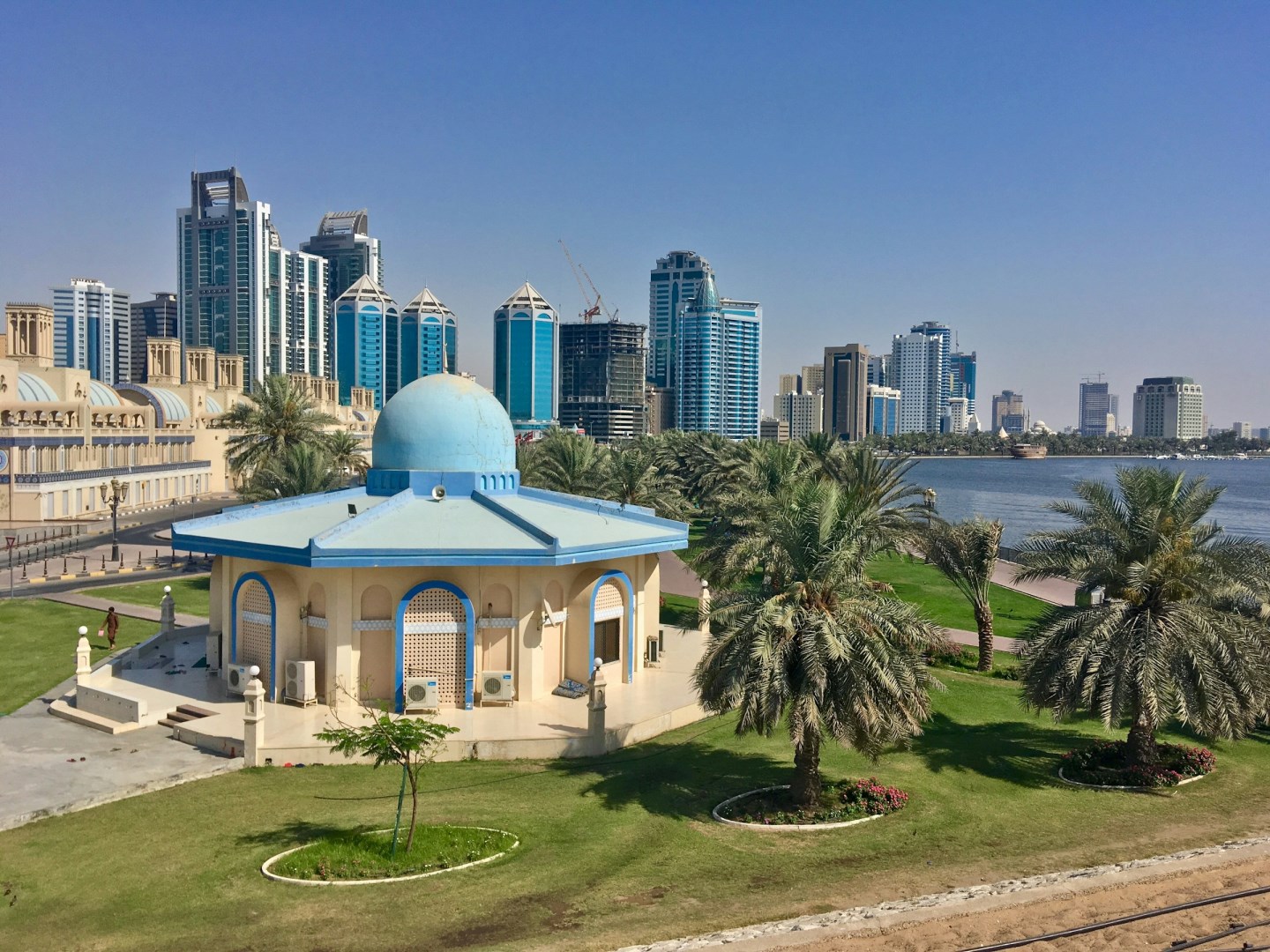
Sharjah
Visit Sharjah's many museums and learn about science, heritage, art, natural history, and archeology.