Niagara Falls
Niagara Falls, Canada, is a destination that captures the imagination with its breathtaking natural beauty and vibrant atmosphere. Straddling the border between Canada and the United States, Niagara Falls is a world-renowned wonder that consists of three powerful waterfalls: the Horseshoe Falls, the American Falls, and the Bridal Veil Falls. The Canadian side is famous for offering the most spectacular views of these cascading waters.
Puerto Penasco
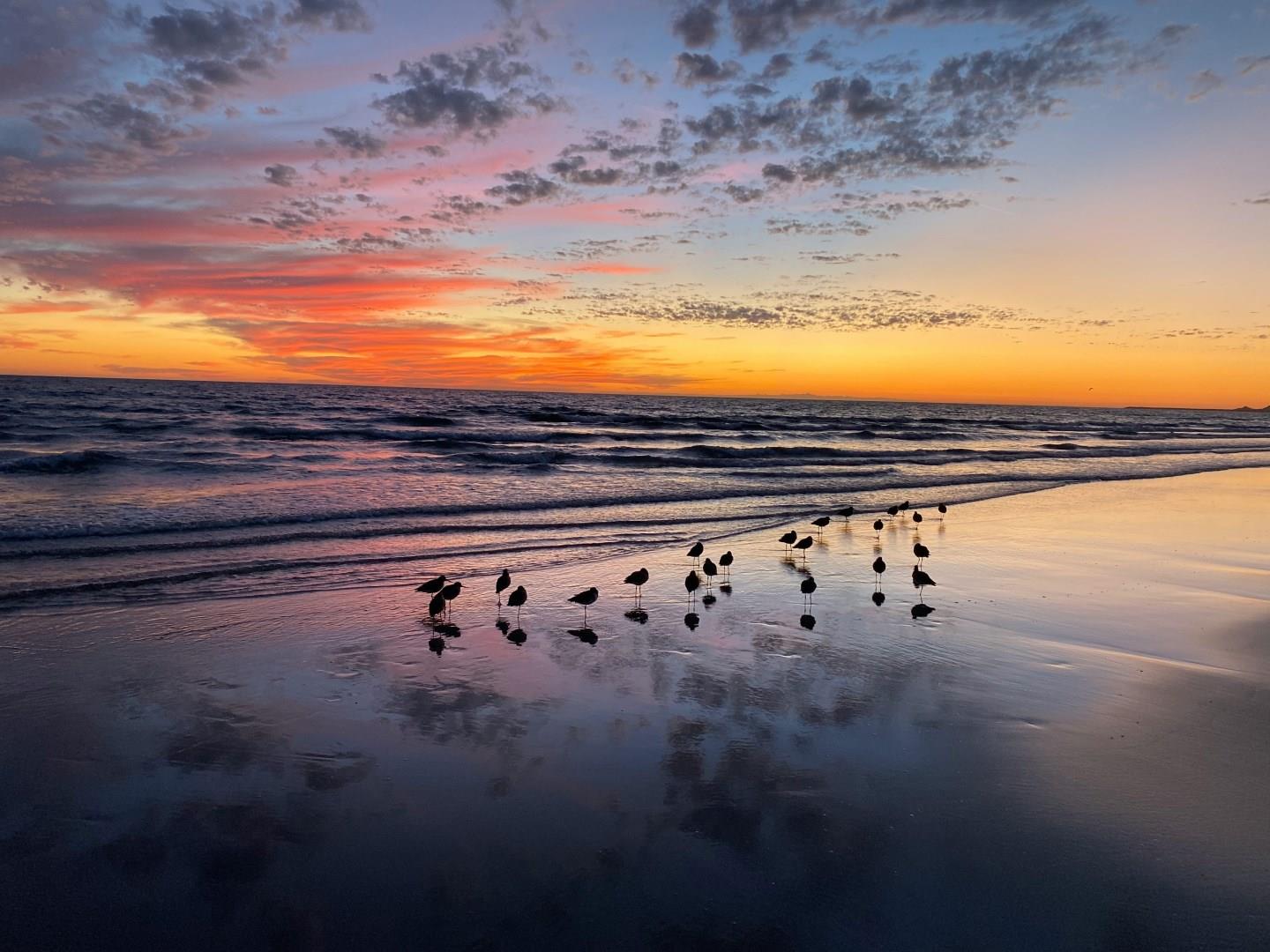
Puerto Peñasco, also known as Rocky Point, rests along the warm waters of the Sea of Cortez in northern Sonora, Mexico. Along its shoreline, Sandy Beach draws visitors with long stretches of walkable sand and calm water, while Playa Hermosa and Playa Mirador offer quieter spots where tide pools appear as the sea pulls back. Boat rides to Bird Island, also known as Isla San Jorge, provide a rare chance to see large colonies of sea lions resting on rocky ledges.
Arrawarra
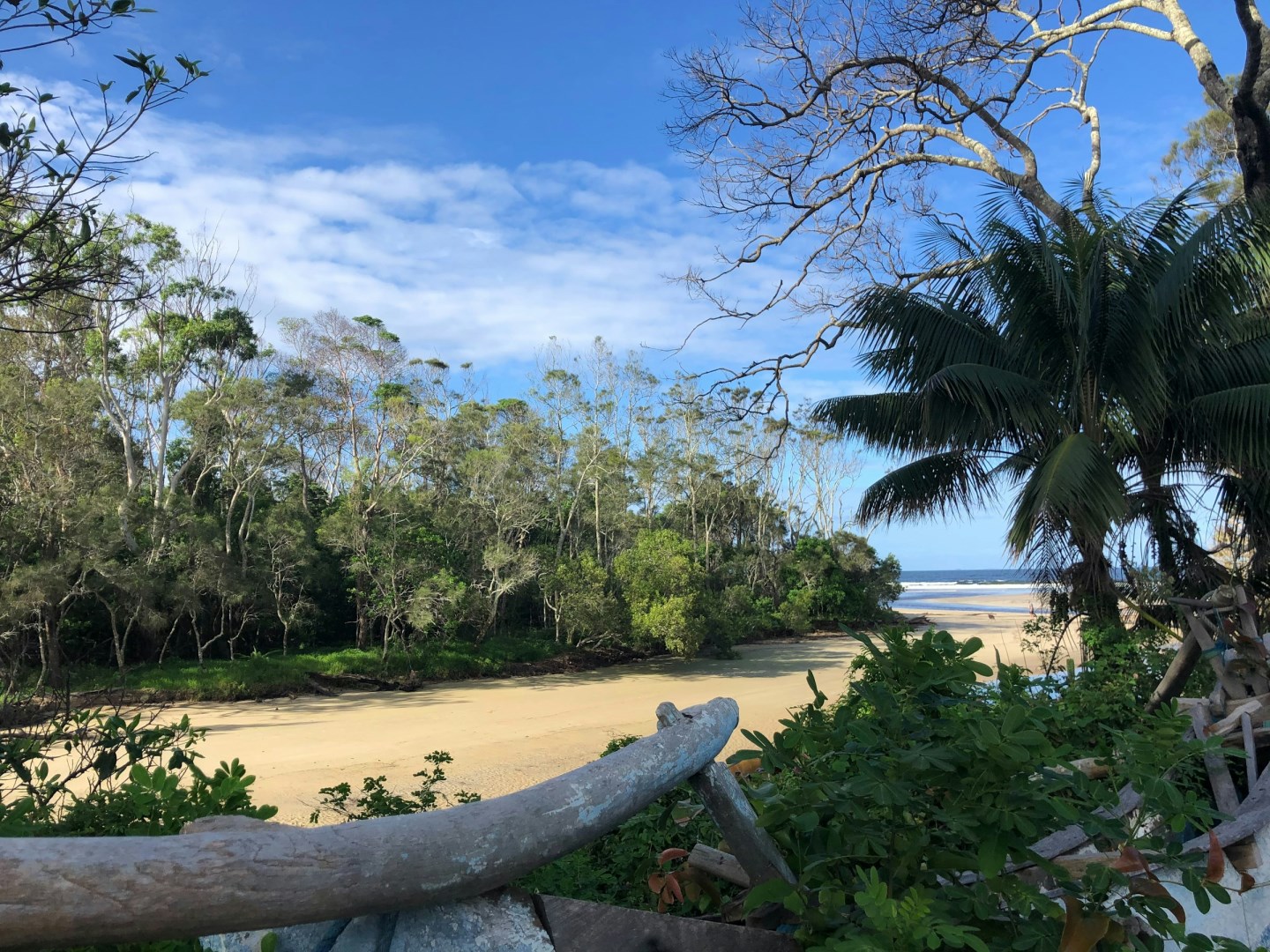
Arrawarra is a small coastal community on the Mid North Coast of New South Wales, located north of Coffs Harbour. Its landscape centres on Arrawarra Headland, where a sandy beach meets rocky shoreline, coastal vegetation, and waters protected within the Solitary Islands Marine Park. The area is known for surfing, fishing, swimming, beach walking, and exploring rock pools.

Gir National Park
Gir National Park is a protected forest in Gujarat, western India, and the most important natural habitat of the Asiatic lion. The park forms part of the larger Gir Protected Area, a dry landscape of deciduous woodland, thorn scrub, grasslands, rocky hills, and seasonal streams. The forest is also home to leopards, chital, sambar, nilgai, wild boar, crocodiles, and numerous bird species. Unlike many of India’s major wildlife reserves, Gir is closely surrounded by villages and pastoral communitie
Lucca
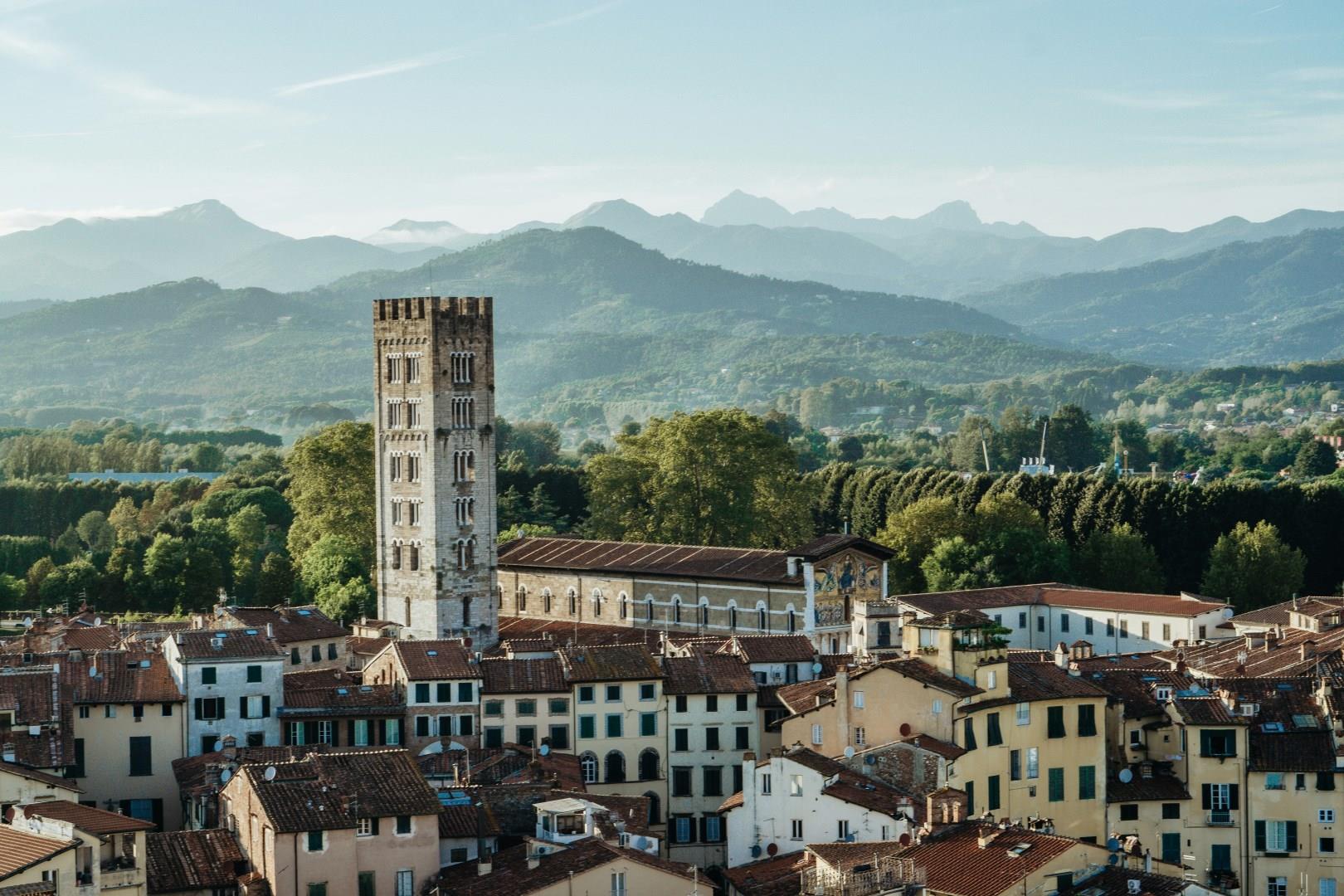
Lucca, a Tuscan city surrounded by remarkably intact Renaissance walls, offers more than just postcard views. Known for its quiet streets and grand piazzas, Lucca stands apart with its circular street layout, still following the lines of a Roman amphitheater from centuries ago. The walls, now repurposed as a 4-kilometer tree-lined park, are a favorite route for locals and visitors who explore them on foot or by bike, passing old bastions and panoramic viewpoints along the way.