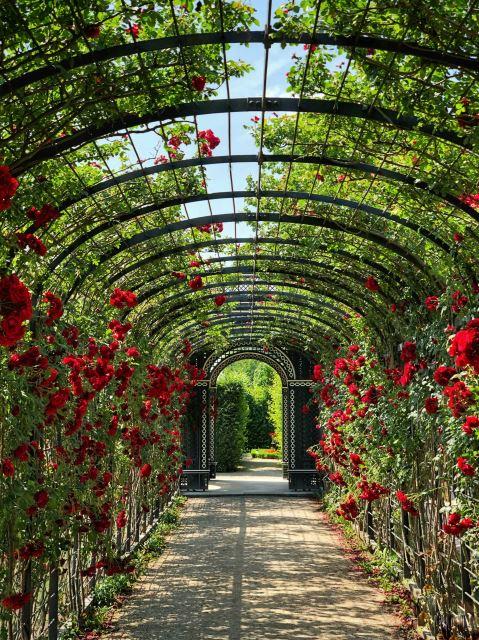
Exhilarating Rio de Janeiro, the vibrant South American destination and cultural capital, abounds with iconic landmarks, beaches, and attractions. Christ the Redeemer, the hundred-foot mosaic statue atop Corcovado Mountain, overlooks the glittering coastline and is instantly recognizable, having become an enduring symbol of the city itself. Its arms stretching wide, the prominent figure beckons you to explore this inviting locale.
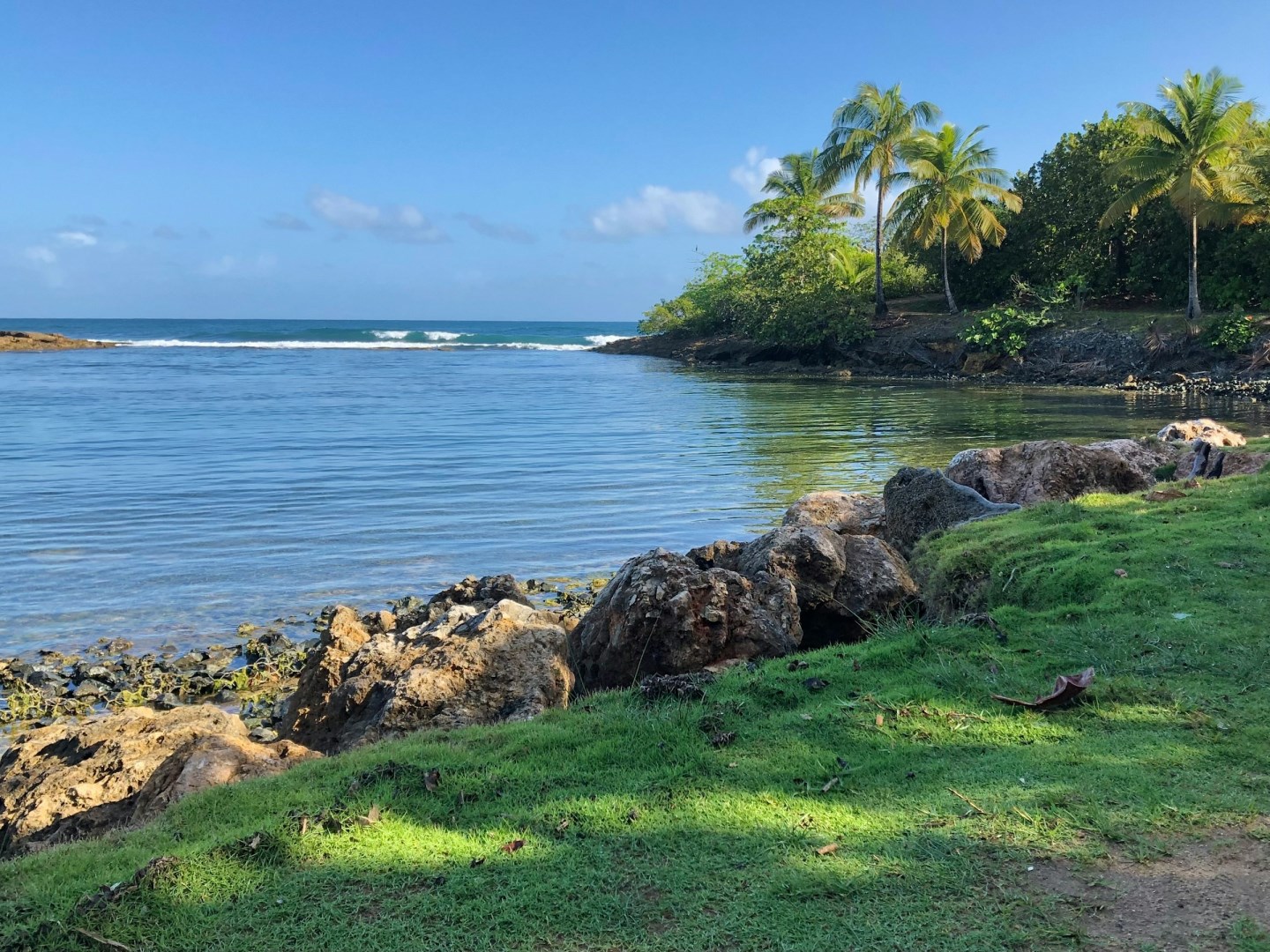
Dorado is a coastal municipality on the north coast of Puerto Rico, west of San Juan and facing the Atlantic Ocean. Its landscape combines sandy beaches, rocky shorelines, low hills, wetlands, and developed residential areas. Dorado is known for its beaches and golf courses, while the town and surrounding communities retain a strong connection to Puerto Rican coastal and agricultural traditions.

Boca Tapada is a remote rural community in northern Costa Rica, close to the San Carlos River and the border with Nicaragua. The area is surrounded by lowland rainforest, wetlands, rivers, and agricultural land, creating a landscape with a strong connection to water and forest. Boca Tapada is best known for its location near Maquenque National Wildlife Refuge, an important protected area in the northern plains.
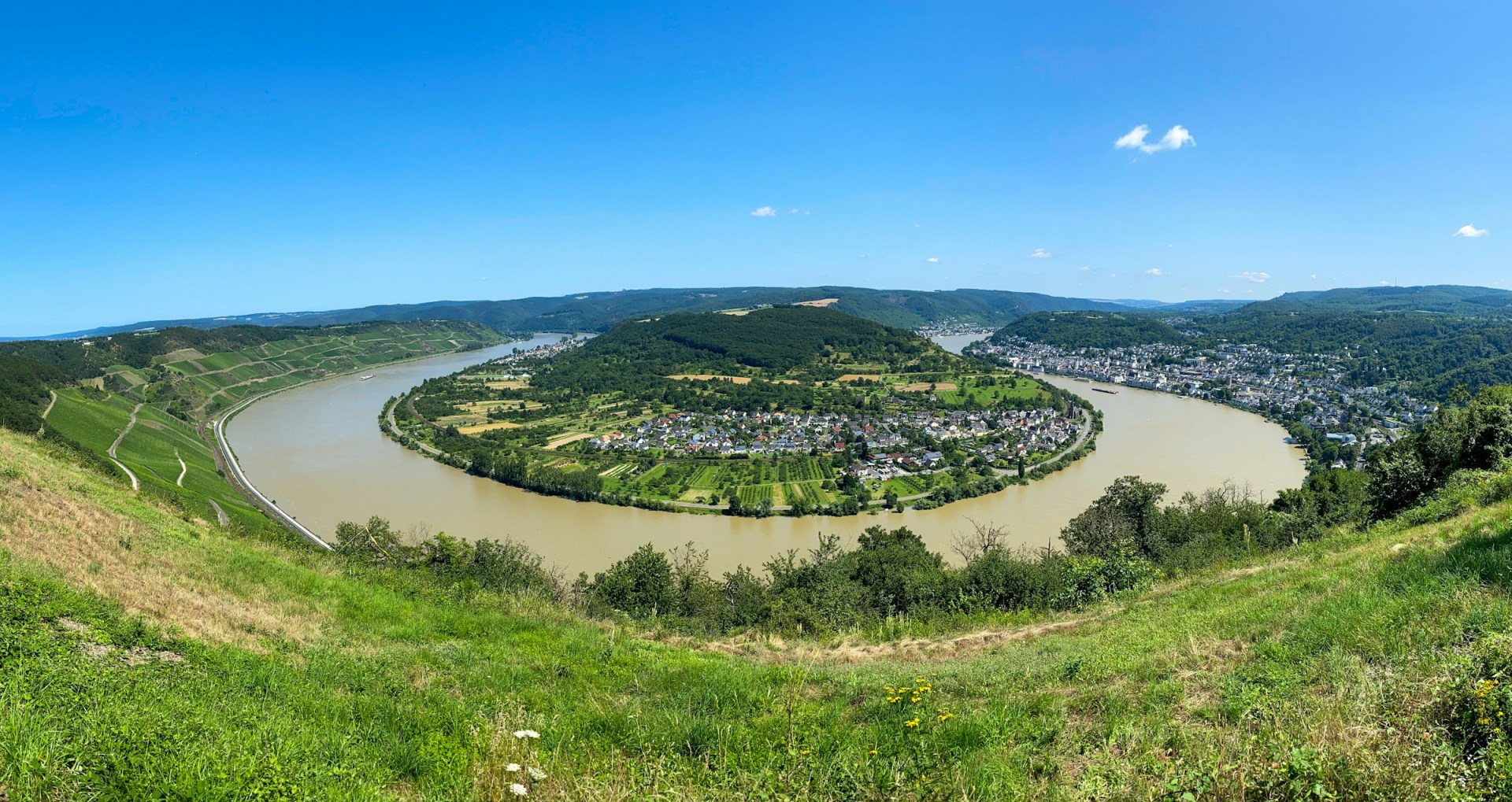
Boppard, the pearl of the Rhein, gets its nickname from the fact that it is situated on part of a horse-shoe ben in the Rhein, resembling a pearl in an oyster shell. This bend is one of the most severe anywhere on the Rhein, so much so that the town frontage faces due north while the vineyards, one the same band face due south. The bend is also known as the "bendiest bend on the Rhein."
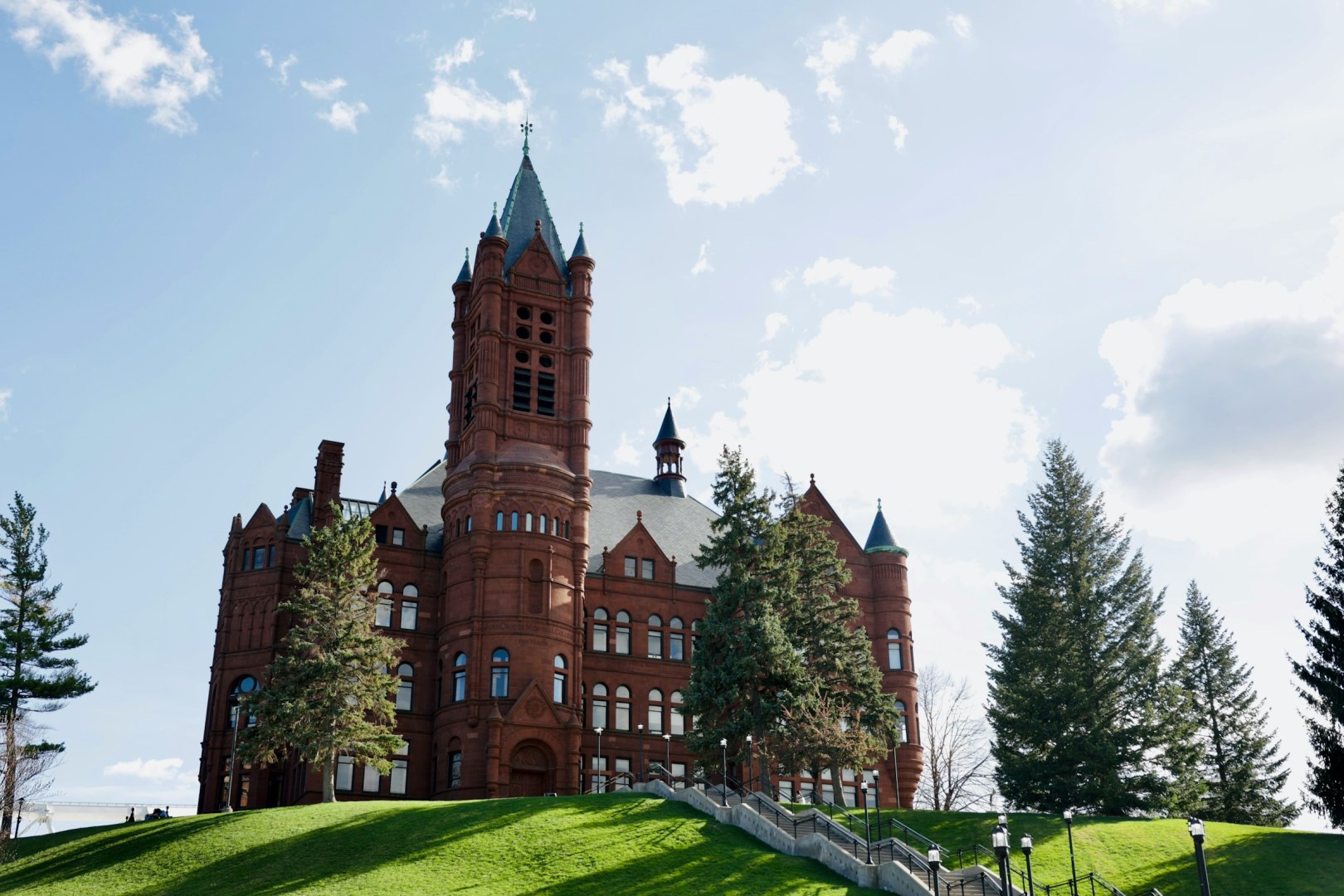
Syracuse is a Central New York city positioned between the Finger Lakes and the Adirondack region, with a landscape shaped by waterways, glacial lakes, and rolling countryside. Known historically as the “Salt City,” Syracuse grew around salt production near Onondaga Lake and later became an important transportation and industrial center. Today, downtown neighborhoods such as Armory Square, Hanover Square, and Franklin Square combine historic buildings with restaurants, galleries, shops, and ente
Discover the charm and history of Krems, Austria, a city nestled along the picturesque Danube River and the gateway to the enchanting Wachau Valley. With origins dating back to Roman times, Krems is a treasure trove of historical and cultural wonders. Explore the Krems Old Town, where you’ll find well-preserved medieval architecture, including the iconic Steiner Tor and the Gothic Church of St. Veit. The city's charming streets and historic buildings offer a glimpse into its rich past.
Krems is also renowned for its vibrant wine culture, set against the backdrop of the Wachau Valley. The valley is a UNESCO World Heritage site, celebrated for its terraced vineyards and scenic beauty. Indulge in the local wines by visiting the Krems Wine Museum, or take a leisurely stroll through the vineyards to experience the region's renowned Grüner Veltliner, a staple of Austrian viticulture.
Art and culture thrive in Krems, with institutions such as the Kunsthalle Krems showcasing contemporary art from around the globe. The Karikaturmuseum Krems offers a unique look at caricature and satire, providing a fun and engaging experience for visitors. The city’s Kunstmeile Krems cultural mile links several key cultural venues, making it a must-visit for art enthusiasts.
Slogan: "Krems: Where History Meets the Vine."
Fun Fact: Krems is located in the Wachau Valley, a region so picturesque that it has been declared a UNESCO World Heritage site, renowned for its medieval castles and stunning landscapes.
Visit Krems between May and September to enjoy the best of the city's festivals, wine harvests, and pleasant weather, perfect for exploring its historical sites and scenic surroundings.
Other Popular Destinations in Austria
Vienna
Vienna has a long memory. Once the capital of the Habsburg Empire, the city still carries signs of its imperial past in its palaces, concert halls, and wide boulevards. Visitors can walk through the Hofburg complex, where emperors once ruled, or tour the opulent rooms of Schönbrunn Palace, which features 1,441 rooms and a maze in its gardens. But Vienna’s many historic buildings now house contemporary art museums, cafés, and institutions that reflect the city’s modern identity.
Linz
Midway between Salzburg and Vienna, Linz boasts beautiful Baroque buildings, including Old Town Hall and the Old Cathedral, Alter Dom. Lentos Kunstmuseum Linz has a major modern art collection and across the river, the striking Ars Electronica Center focuses on society, technology, and the future. Some of Austria's most iconic figures, including Adalbert Stifter, composers Wolfgang Mozart and Anton Bruckner, and the famous scientist Johannes Kepler, once called Linz home.