Querétaro
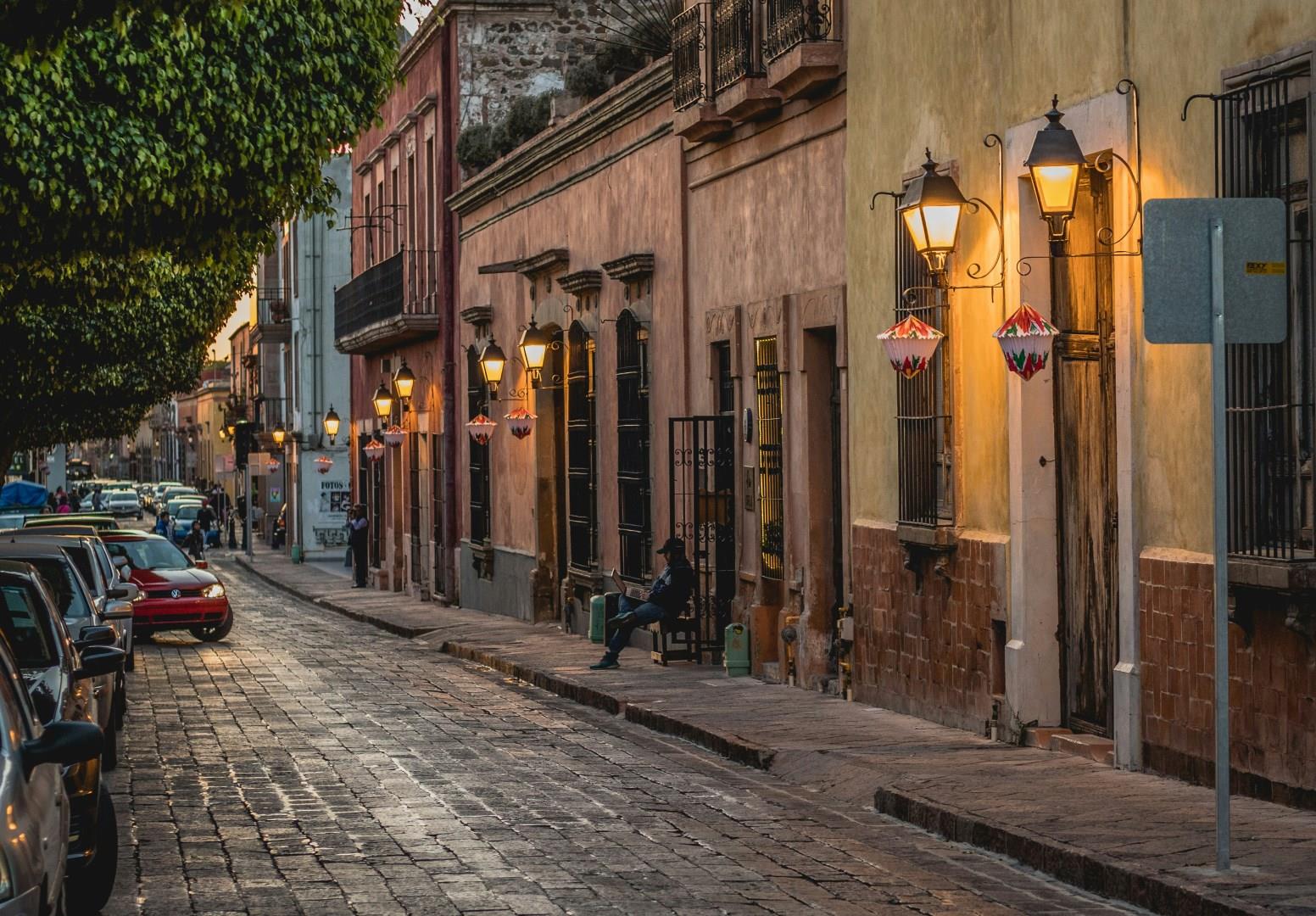
Querétaro, located in the heart of central Mexico, is a city where centuries of history are still visible in daily life. Its historic center, a UNESCO World Heritage Site, features narrow streets, elegant plazas, and baroque churches that reflect its colonial past. One of the city’s most iconic landmarks is the massive aqueduct, built in the 18th century with 74 stone arches stretching nearly a mile across the landscape.
Lelepa
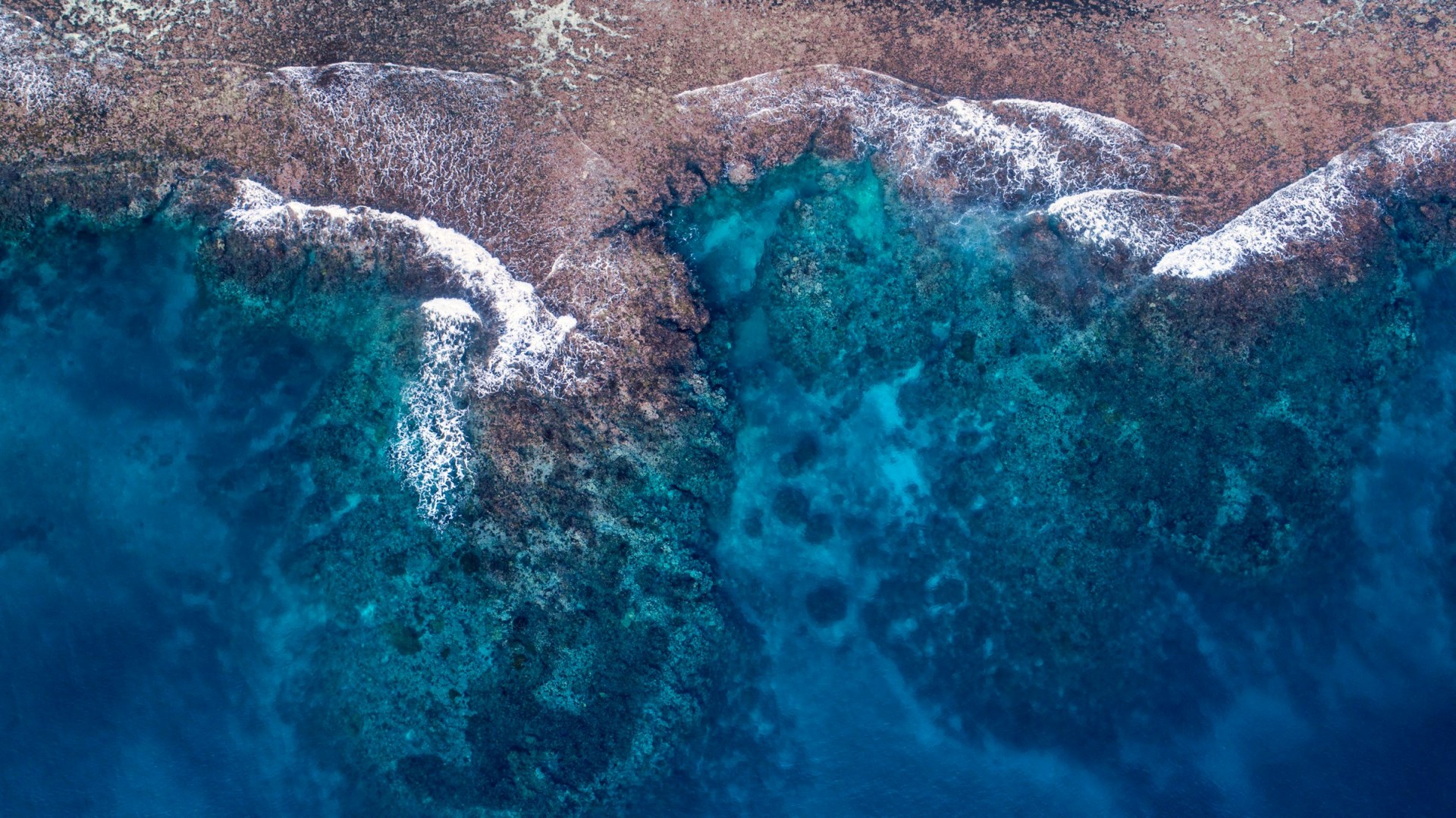
Lelepa is a small island in Shefa Province, Vanuatu, lying just off the northwest coast of Efate. The island is part of the Port Vila area and is separated from Efate by a narrow channel, with its western shoreline facing the open waters of the Havannah Harbour region.
Lausanne
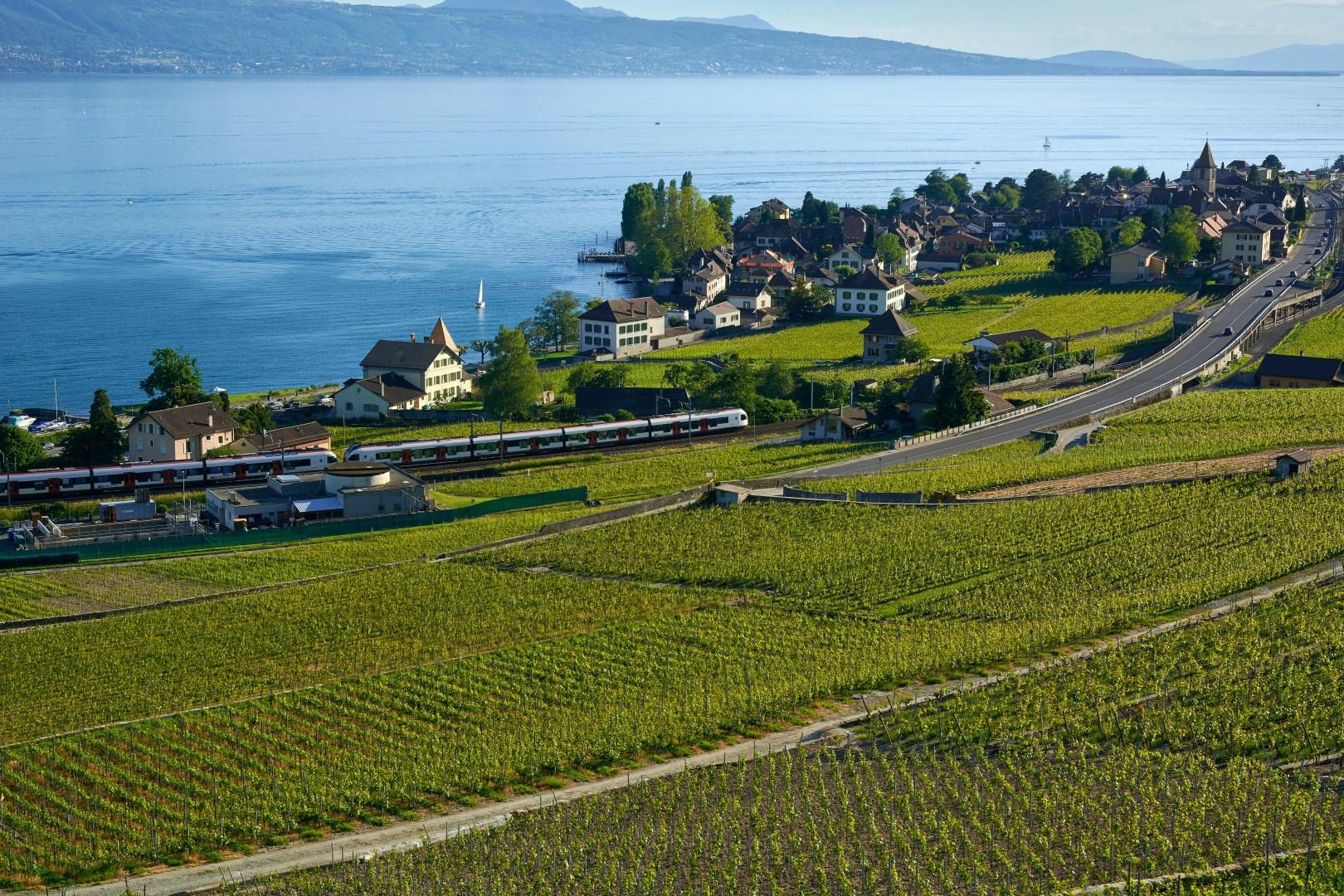
Perched on the northern shore of Lake Geneva, Lausanne is a city that blends centuries of history with a strong cultural identity. It served as a Roman military camp called Lousanna before evolving into a key medieval settlement. Today, visitors can still climb the tower of Lausanne Cathedral, widely regarded as the most impressive Gothic structure in Switzerland. From the top, the view stretches over the rooftops of the Old Town to the vineyards of Lavaux and across the lake to the French Alps.
Spetses
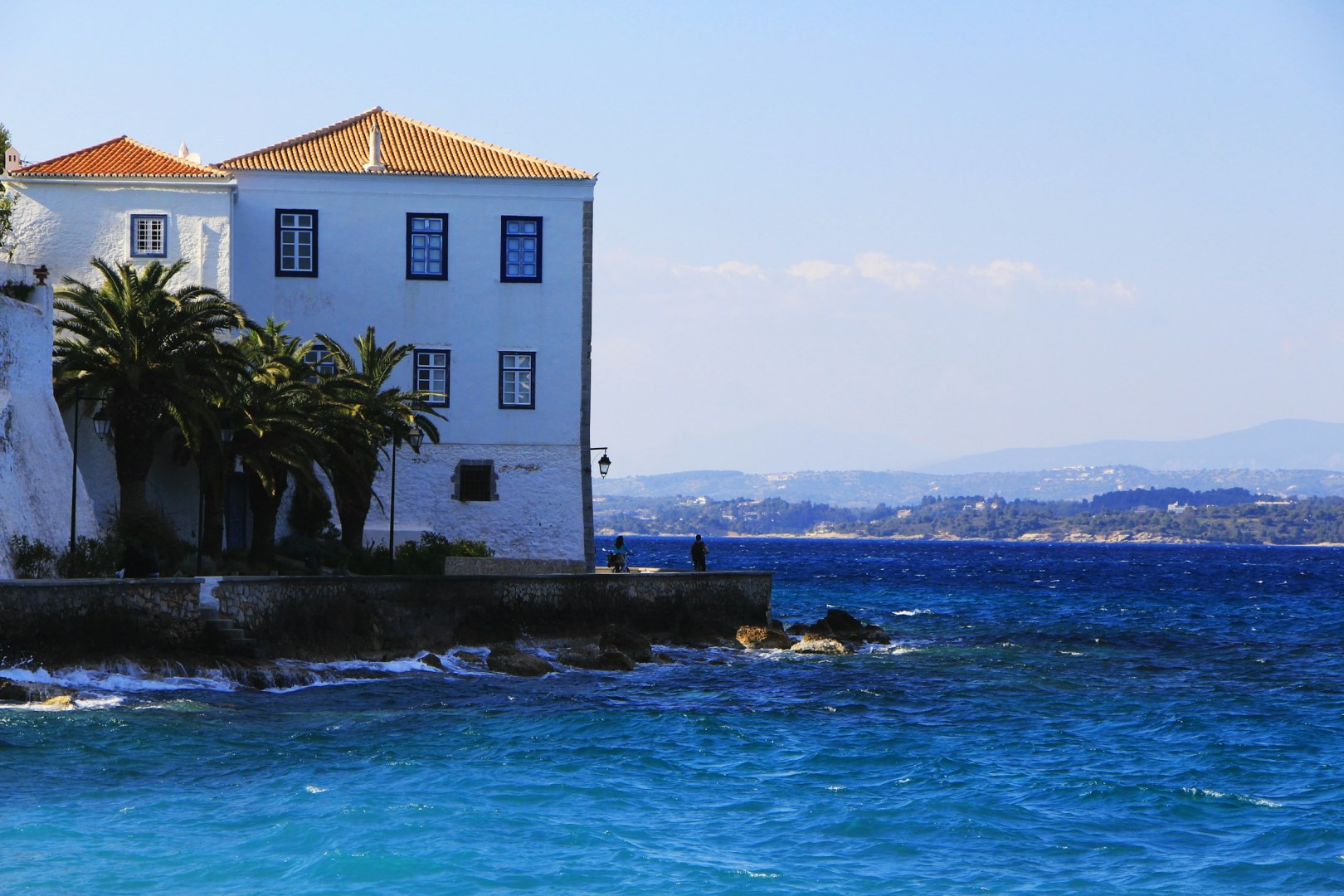
Spetses is a small island in the Saronic Gulf, separated from the Peloponnese by a narrow channel and known for its pine-covered hills, neoclassical houses, and maritime traditions. The main settlement, also called Spetses, curves around a sheltered harbor and waterfront promenade, with narrow streets extending into residential neighborhoods.
Cheju
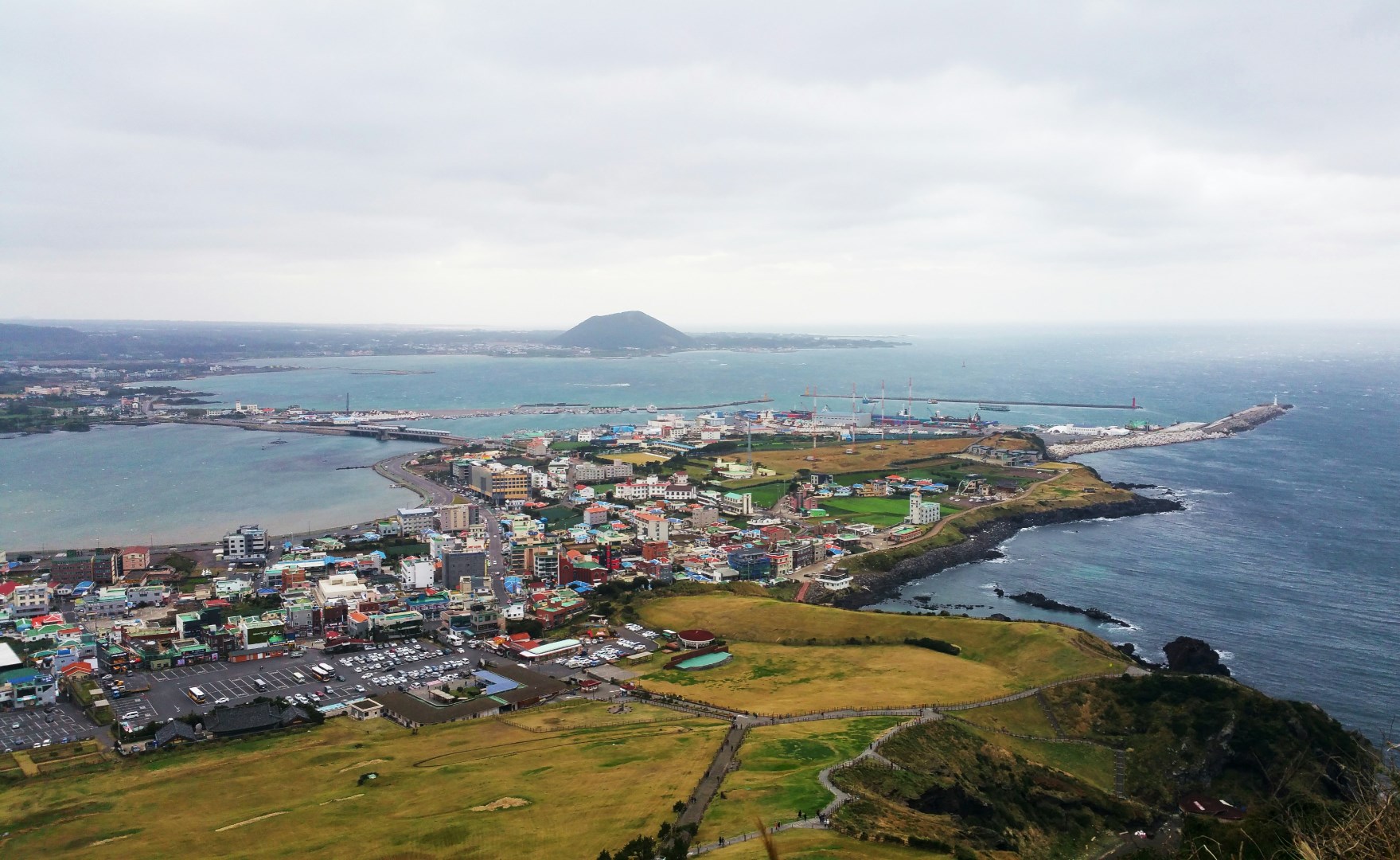
Jeju, often written as Cheju in older English sources, is South Korea’s largest island and lies in the Korea Strait south of the Korean Peninsula. The island is known for its volcanic landscapes, coastal cliffs, lava tubes, and the prominent peak of Hallasan, which rises at its center.