The skyline of Erfurt is shaped by dozens of churches, monasteries, and convents thrusting their pointed steeples upward to the sky. In the Middle Ages, Erfurt was known as "Thuringian Rome" because of its religious orders. The impressive twin churches on the Domberg (Cathedral Hill), the Roman Catholic St. Mary's Cathedral (14th century) and the Roman Catholic Parish church St. Severus with a flight of 70 outdoor steps leading from the Cathedral Square up the hill to the churches.
Bolivia is a country where altitude meets attitude high in the Andes with rich traditions that stretch back thousands of years. Its capital, La Paz, sits in a bowl-shaped valley surrounded by jagged peaks, making it one of the highest cities in the world. Cable cars glide over the city’s rooftops, linking markets, museums, and neighborhoods in a way that doubles as both transport and sightseeing. From here, visitors can easily reach the Moon Valley.
Alghero, located on the northwest coast of Sardinia, Italy, is a seaside city that blends history, culture, and natural beauty. Known as “Little Barcelona” due to its Catalan influence, Alghero’s old town is a maze of narrow cobblestone streets, colorful buildings, and medieval walls overlooking the Mediterranean Sea. Visitors can explore landmarks like the imposing Torre del Portal, a medieval tower that is a testament to the city’s rich heritage.
Grenoble sits at the meeting point of three Alpine mountain ranges in southeastern France, giving it a setting that feels both dramatic and lived-in. With origins dating back to Roman times, the city has long been a crossroads of trade, science, and political thought.
Kumasi is the capital of Ghana’s Ashanti Region and one of the country’s main cultural centers. Often called “Oseikrom” by locals, the city is closely connected to the traditions of the Ashanti Kingdom and remains an important place for trade, ceremonies, and craftsmanship.
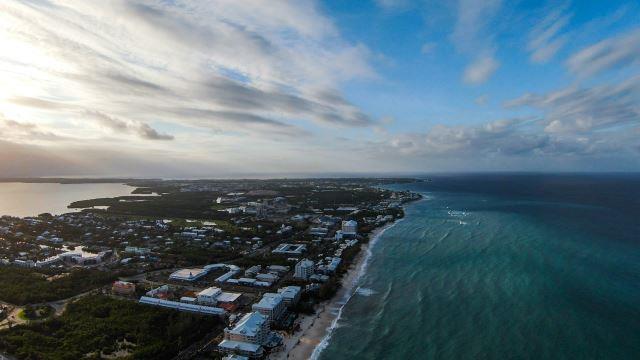
Georgetown, the vibrant capital of the Cayman Islands, offers an alluring blend of Caribbean charm and modern sophistication. As the bustling heart of the Grand Caymans, it is renowned for its picturesque harbor, duty-free shopping, and a rich tapestry of cultural experiences. The waterfront area, with its stunning views and inviting promenades, is perfect for leisurely strolls and offers a variety of dining options showcasing local and international cuisine. For a taste of luxury shopping and local crafts, the Georgetown Harbor Walk is a must-visit.
The city’s maritime heritage is palpable at the National Museum of the Cayman Islands, where exhibits chronicle the region’s history from its early settlement to its contemporary development. The museum’s collection includes artifacts such as shipwreck remnants and traditional Caymanian artifacts, offering a fascinating glimpse into the island’s past. Additionally, the nearby Cayman Islands National Archive holds valuable documents and historical records that enrich the cultural narrative of the area.
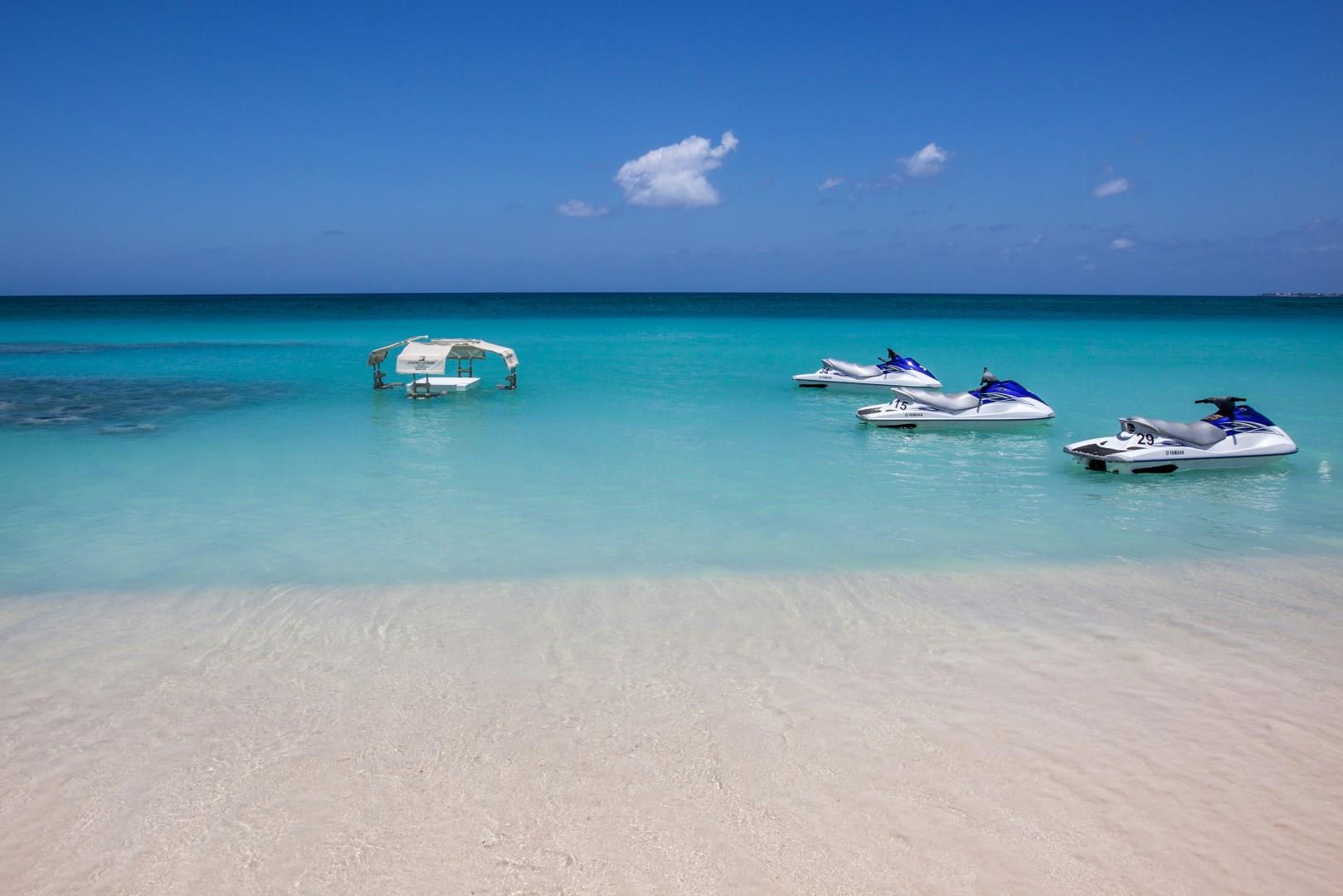
For those seeking outdoor adventure, Georgetown serves as a gateway to the stunning Seven Mile Beach, renowned for its powdery white sand and crystal-clear waters. This world-famous beach is ideal for sunbathing, snorkeling, and enjoying water sports. The nearby Stingray City provides an unforgettable experience where visitors can interact with friendly stingrays in their natural habitat, making for a highlight of any trip to the Cayman Islands.
A fun fact about Georgetown is that it is home to one of the world’s largest underwater marine parks, The Cayman Islands Marine Reserve. This protected area offers incredible opportunities for diving and snorkeling among vibrant coral reefs and diverse marine life, making it a paradise for underwater enthusiasts. Whether you’re exploring cultural sites, enjoying the beach, or venturing into the marine world, Georgetown promises a memorable and enriching experience.