Deadvlei
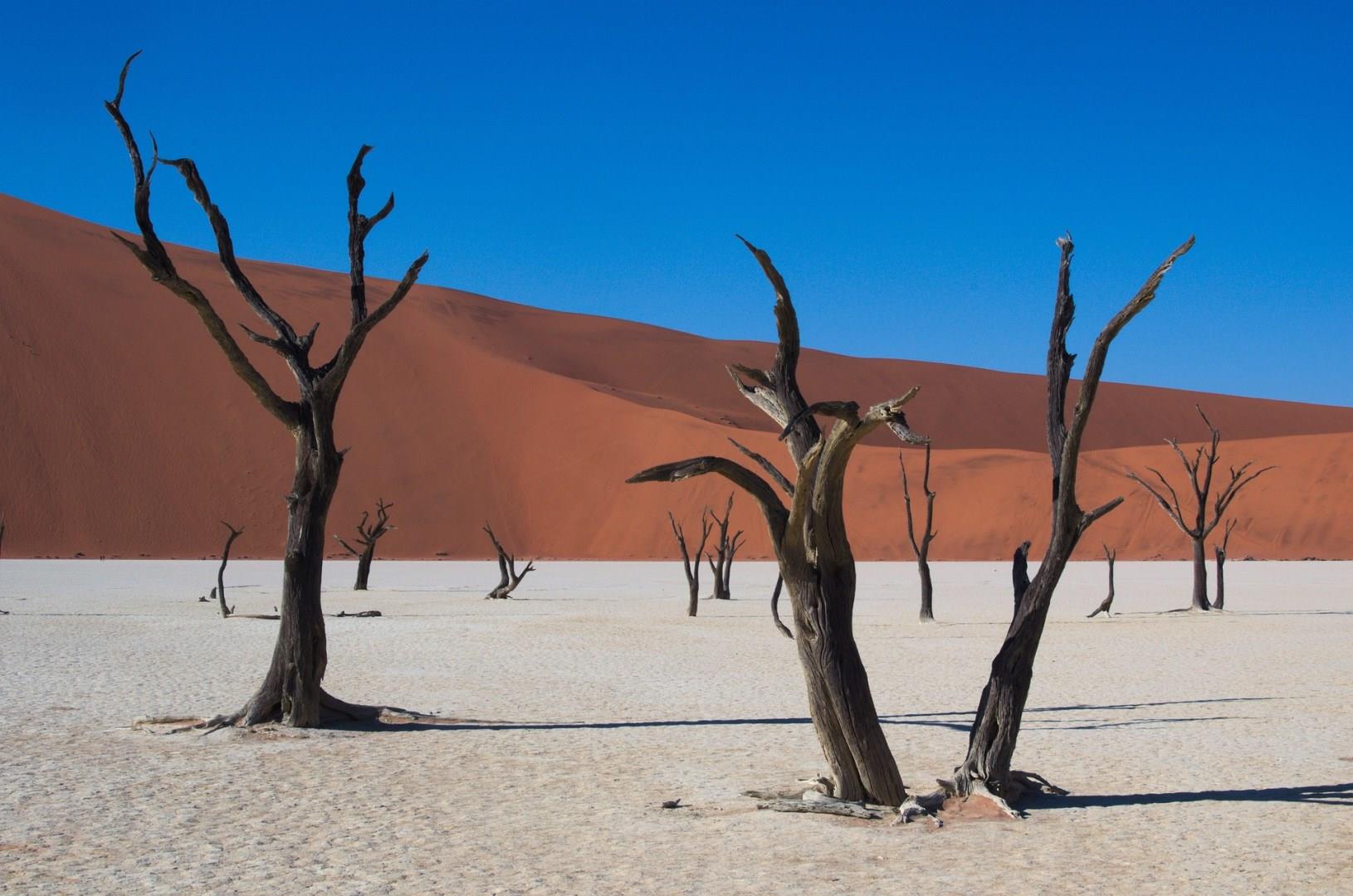
Dramatic and otherworldly, Deadvlei in Namibia is one of the most surreal landscapes on the planet. Located within the Namib-Naukluft National Park, Deadvlei is a white clay pan that was once an oasis filled with acacia trees. Over 900 years ago, a shift in climate and the encroachment of the towering red sand dunes cut off the river that fed the pan, leaving behind a hauntingly beautiful scene of dead trees that have been perfectly preserved in the arid environment.
Matagalpa
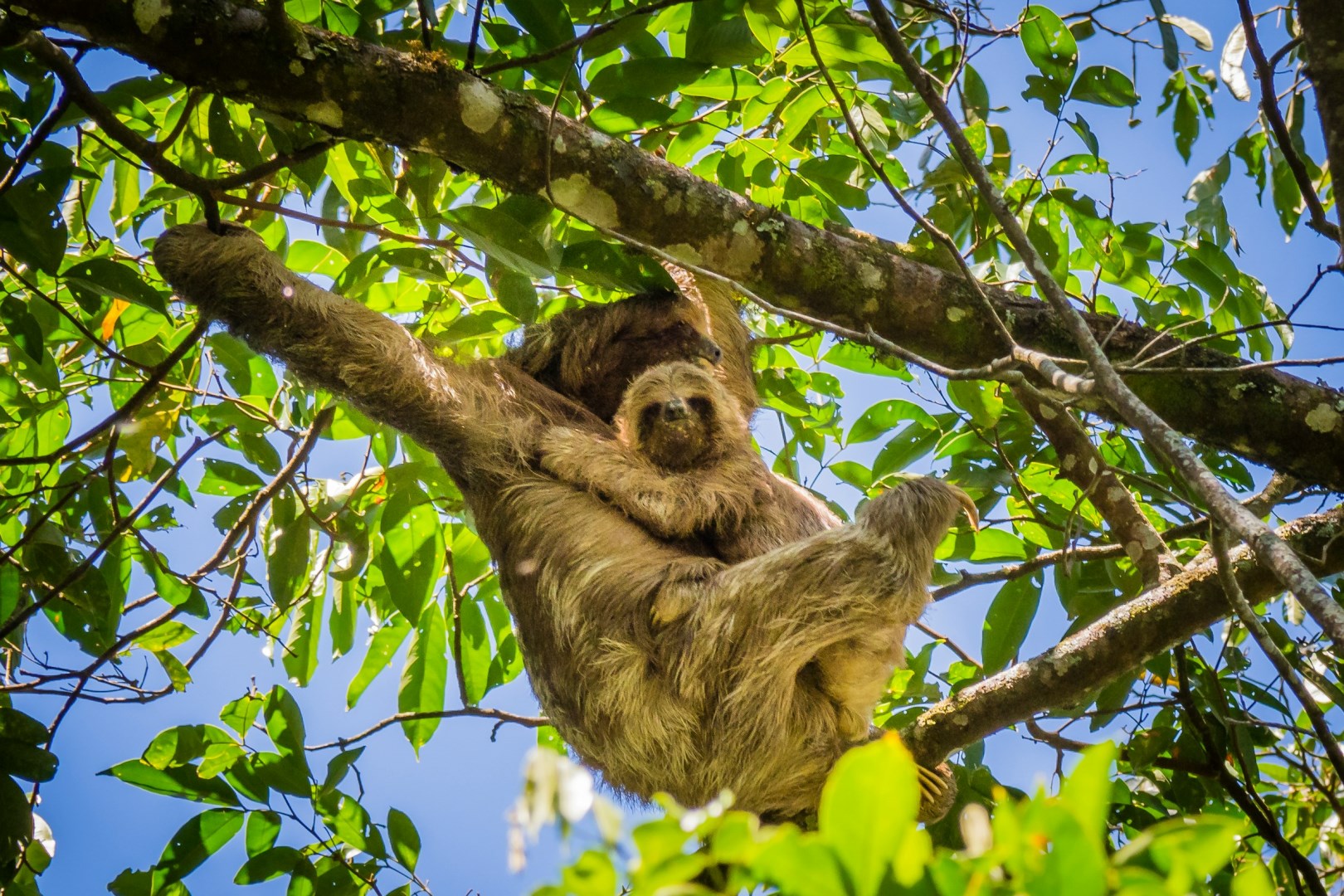
Matagalpa is a mountain city in northern Nicaragua, surrounded by forested hills and agricultural land. Known as one of the country's principal coffee-growing areas, it sits in a cool, elevated landscape where coffee plantations, pine forests, and cloud forest environments are common.

Kagoshima
Kagoshima, Japan offers a captivating blend of natural beauty, cultural heritage, and culinary delights. Nestled on the southwestern tip of Kyushu, this city is famously dominated by the imposing Sakurajima volcano, one of Japan’s most active volcanoes. Visitors can take a ferry to get up close to the volcano or view it from the Kagoshima City Viewpoint for breathtaking panoramic views.
Kafue National Park
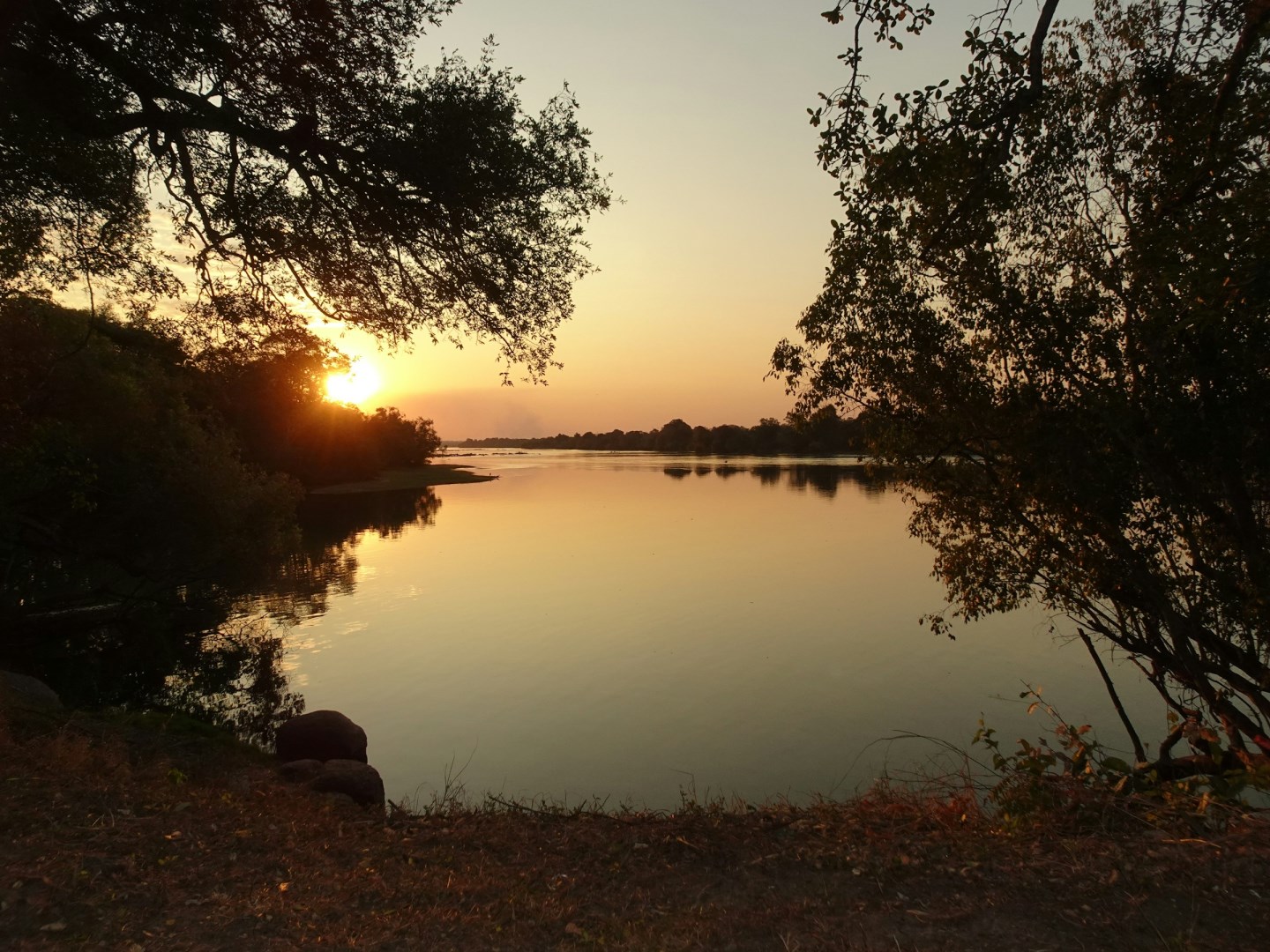
Kafue National Park is in western and central Zambia and is the country’s largest national park, covering about 22,400 square kilometers. The park takes its name from the Kafue River, which runs through the protected area and supports a wide range of wetlands, floodplains, grasslands, and woodland. Much of the park is covered by miombo woodland, while the northern Busanga Plains form extensive seasonal wetlands that become open grassland as floodwaters recede.
Colca Canyon
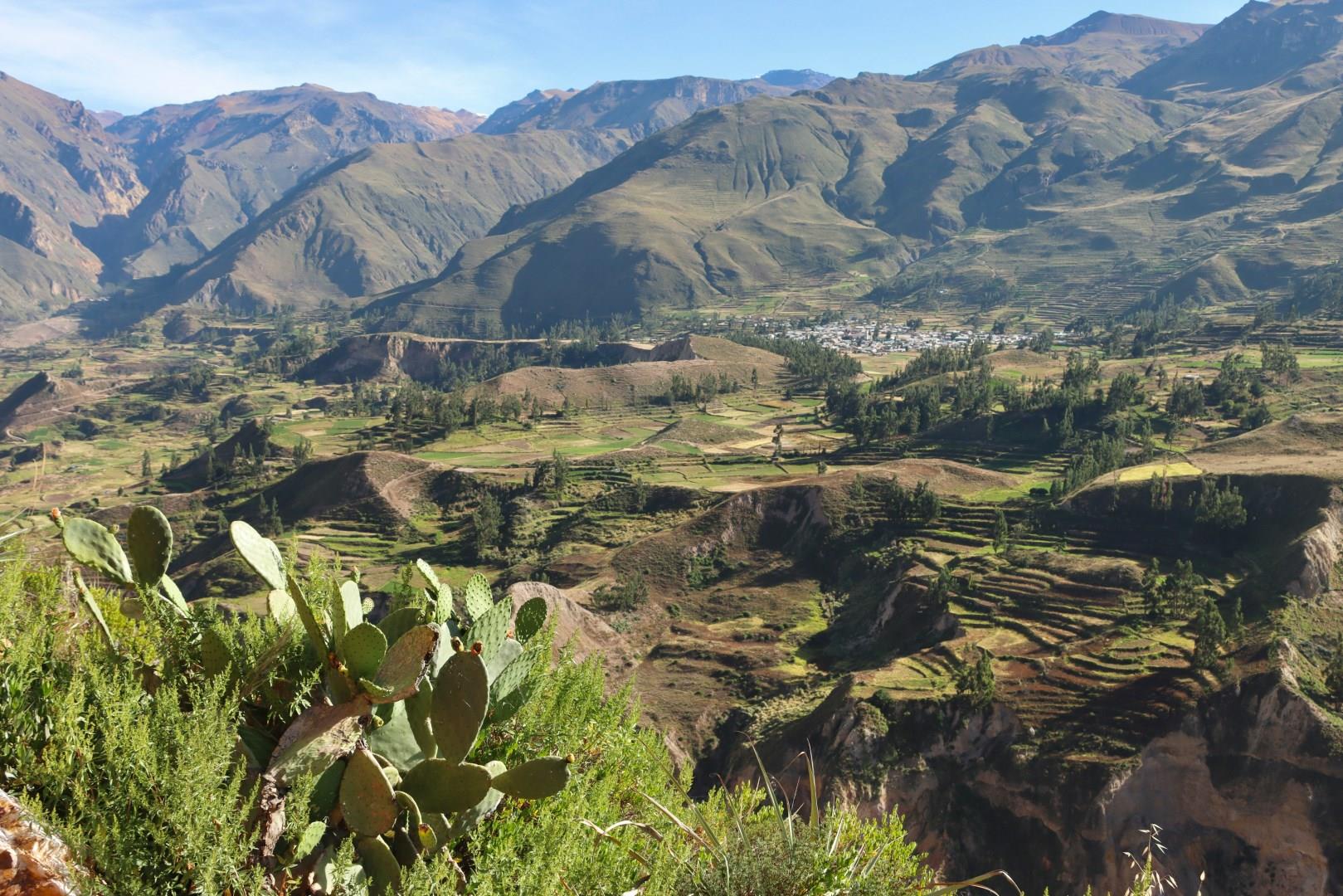
Colca Canyon, located in southern Peru’s Arequipa region, is one of the deepest canyons in the world, twice as deep as the Grand Canyon in some areas. What makes it stand out even more is how human settlements have coexisted with the landscape for centuries. Along its walls, pre-Inca agricultural terraces still hold crops like corn and quinoa. One of the main draws of the canyon is the opportunity to see Andean condors in flight.