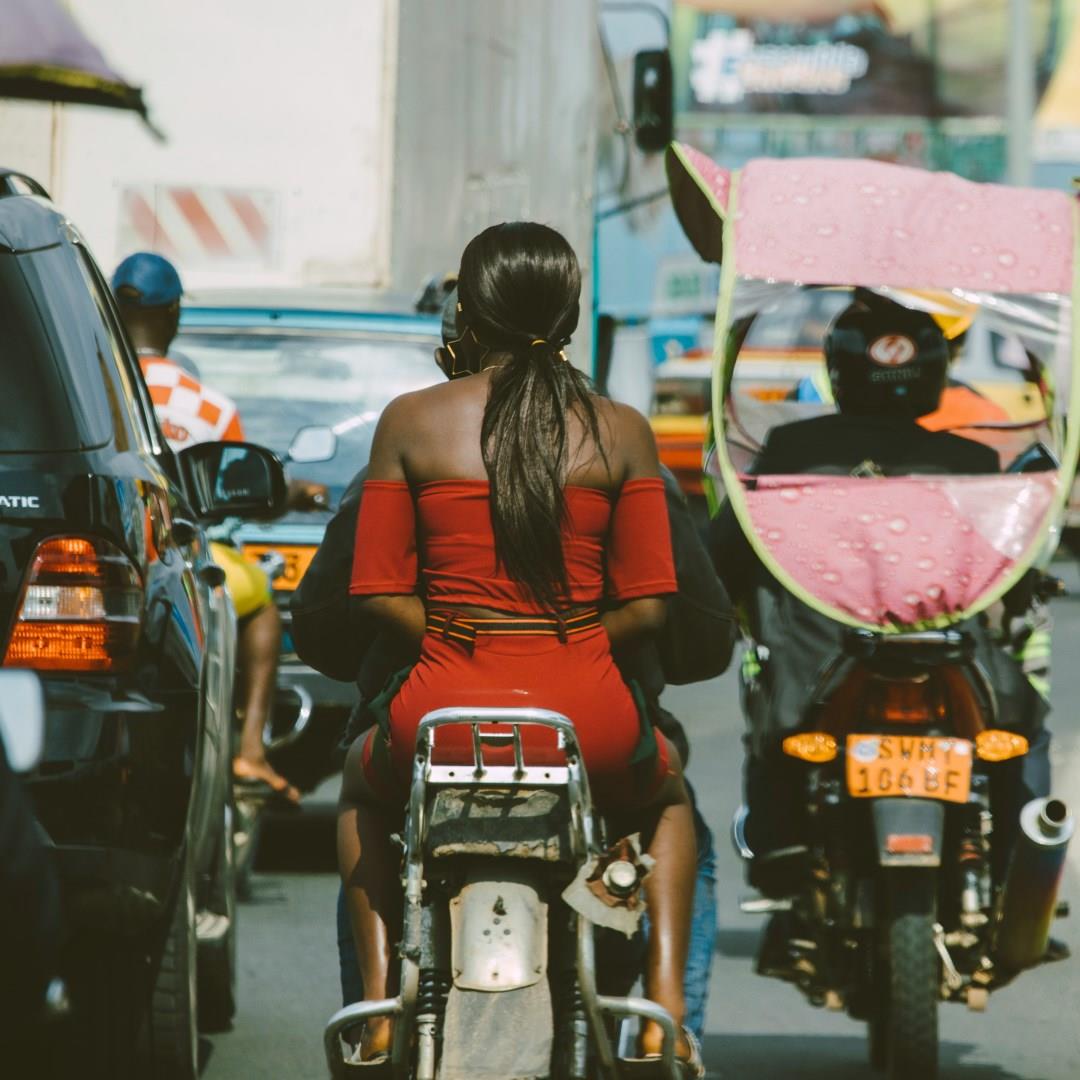
Douala is Cameroon’s largest city and its economic powerhouse, but beyond the busy ports and bustling streets lies a city full of creativity, flavor, and unexpected charm. Located on the Atlantic coast, Douala has long served as a crossroads of cultures. The city's waterfront, especially along the Wouri River, is a great place to watch the movement of boats, local fishermen, and floating markets while soaking in the tropical coastal air.
South America is a continent of striking contrasts, where towering mountain ranges meet vast rainforests, arid deserts, and sprawling coastlines. From the icy fjords of the south to the tropical warmth of the north, each region offers its own landscapes, wildlife, and cultural expressions.
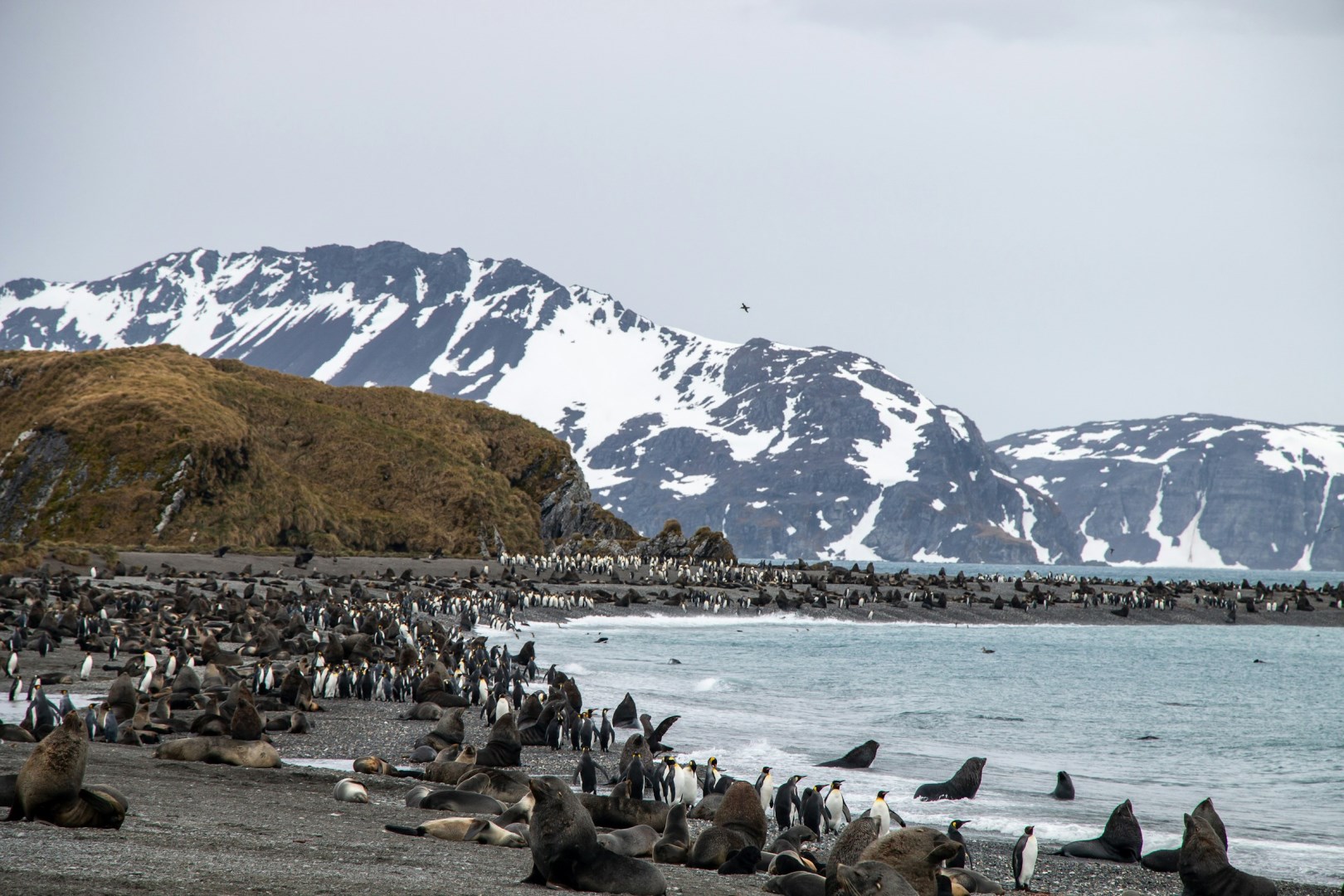
Salisbury Plain is a broad coastal area on the northwest side of South Georgia, backed by steep mountains and glaciers. Its open shoreline is particularly notable for the large Antarctic fur seal population that gathers here, making it one of the island’s important wildlife viewing sites. The plain lies along the Bay of Isles, where beaches, tussock-covered slopes, snowfields, and rugged peaks create a varied landscape. Access is generally by expedition vessel.
Amsterdam, the 17th century capital of Holland, is often called the "Venice of the North" due to its numerous, boat-navigable canals. Truly rich in history, the oldest part of this populous, multicultural city is Sloten, which dates all the way back to the 9th century.
Punta Cana, on the eastern tip of the Dominican Republic, is known for its wide sweep of white-sand beaches and warm Caribbean waters. Once a quiet stretch of coastline lined with coconut palms, it has grown into one of the Caribbean’s most popular destinations while still offering plenty of spots that feel calm and remote.
Photo Credit: Photo by Louis Renaudineau on Unsplash
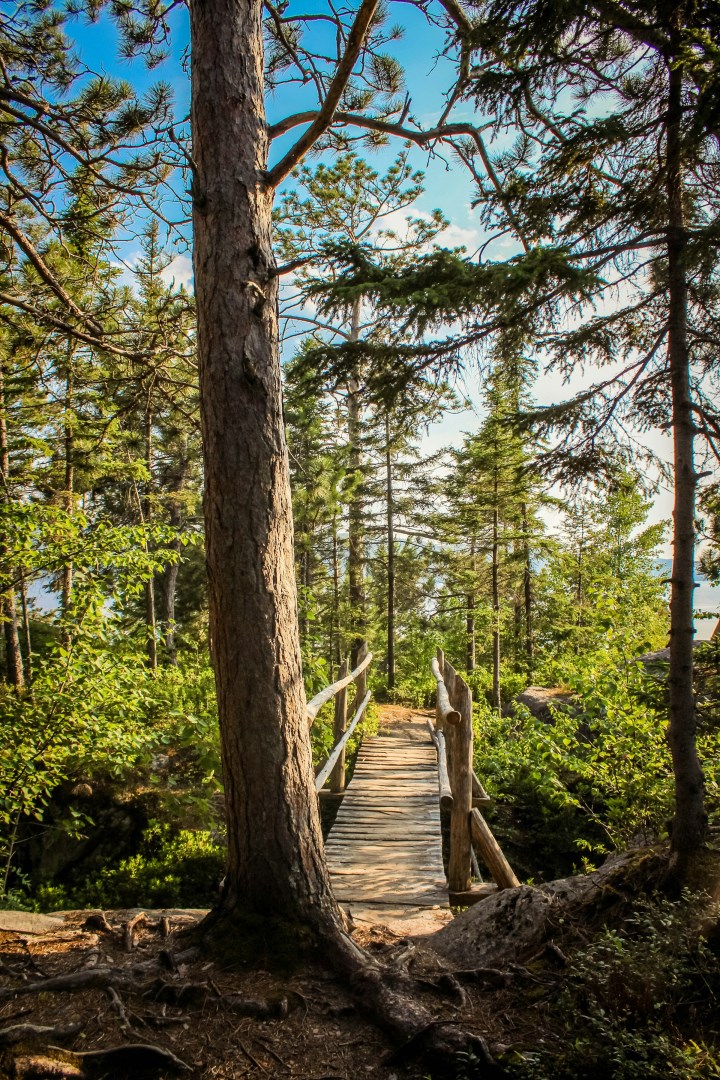
Nestled in the heart of Quebec, Saguenay is a city that invites travelers to experience the perfect blend of natural beauty and vibrant culture. Set along the picturesque Saguenay River, this city is a gateway to the Saguenay Fjord, one of the longest fjords in the world, where steep cliffs rise dramatically from the deep waters. Visitors can explore this majestic landscape by boat, kayak, or even on foot, with numerous trails offering breathtaking views and opportunities to spot wildlife such as belugas and seals.
Saguenay is also rich in cultural experiences. The La Pulperie de Chicoutimi, a former industrial site turned museum, delves into the city’s history, showcasing its transformation from a booming pulp mill town to a cultural hub. The museum also features rotating exhibitions of contemporary art and Quebec heritage, making it a must-visit for art and history enthusiasts (La Pulperie de Chicoutimi). Another cultural gem is the Petite Maison Blanche (Little White House), a symbol of resilience after surviving the catastrophic floods of 1996, which has since become a local museum dedicated to the event (Petite Maison Blanche).
For those seeking adventure, Saguenay offers year-round activities. In winter, the region transforms into a snowy playground, ideal for skiing, snowshoeing, and snowmobiling. Monts Valin National Park is particularly popular for its “ghost forest,” where snow-laden trees create a surreal winter wonderland (Sepaq Monts-Valin). In summer, the city’s proximity to the Saguenay–St. Lawrence Marine Park makes it a hotspot for whale watching, offering unforgettable encounters with these gentle giants of the sea (Marine Park).
Fun Fact: Saguenay boasts one of the highest rates of sunny days in Quebec, making it an ideal destination for outdoor activities throughout the year!
Other Popular Destinations in Quebec
Québec City
Visit picturesque Quebec City, situated on the mighty St. Lawrence River, and become instantly mesmerized by this historic jewel in Canada’s French province. Replete with striking landmarks and stunning architecture, Quebec City is perfect for sight-seeing and deserves ample time for exploration.
Montréal
Montréal is a city shaped by layers of French and British history, with modern flair built into every corner. Founded in 1642 as Ville-Marie, it’s one of the oldest cities in North America. Visitors walking through Old Montréal will find cobblestone streets, 18th-century buildings, and landmarks like the Notre-Dame Basilica, known for its deep blue interior and grand organ with over 7,000 pipes.