Chiang Rai
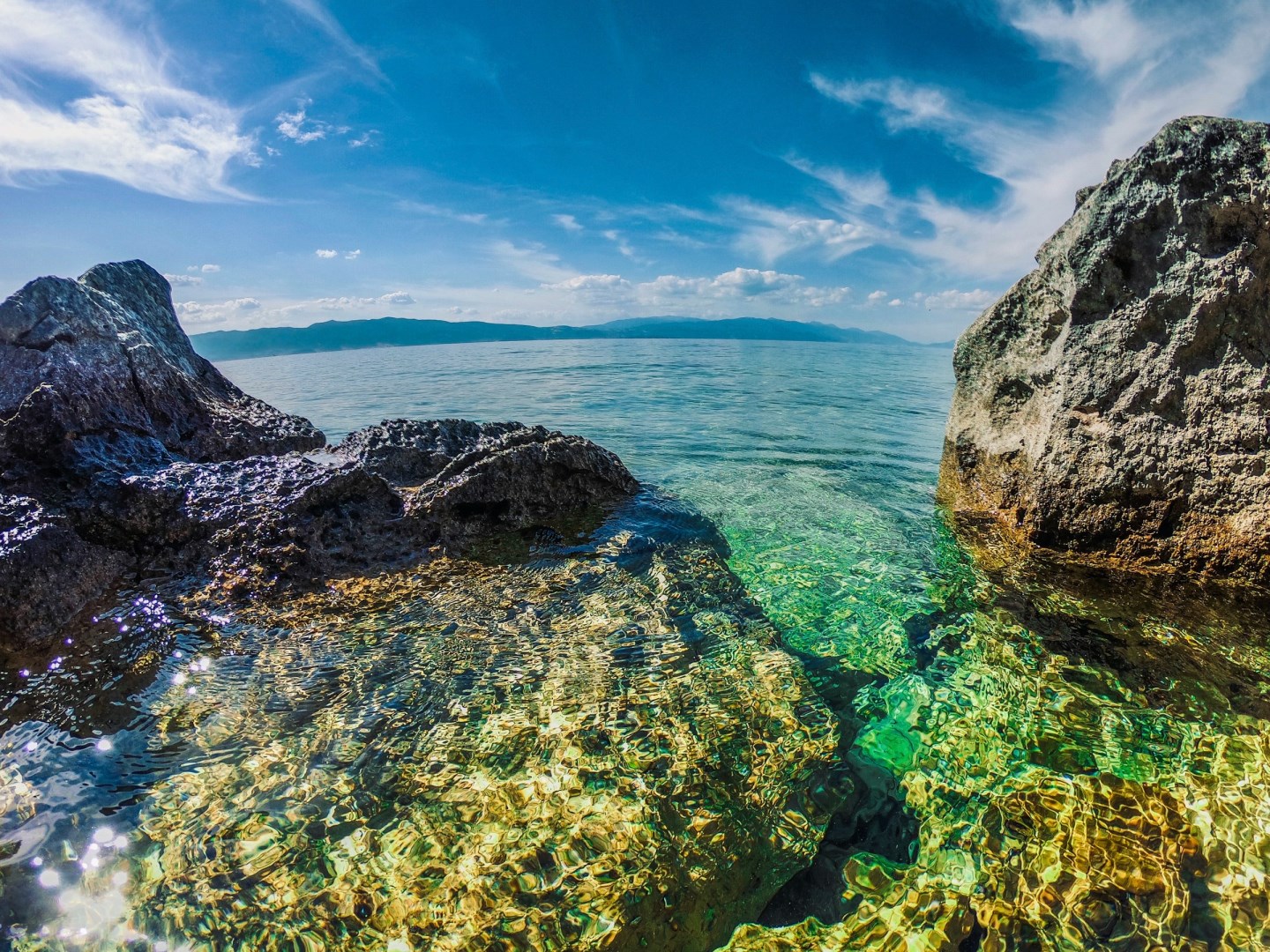
Chiang Rai, in northern Thailand near the borders with Laos and Myanmar, is a city where history, art, and tranquil landscapes converge. Founded in the 13th century as the first capital of the Lanna Kingdom, it retains a strong sense of heritage while also serving as a hub for contemporary Thai creativity.
Levera Beach
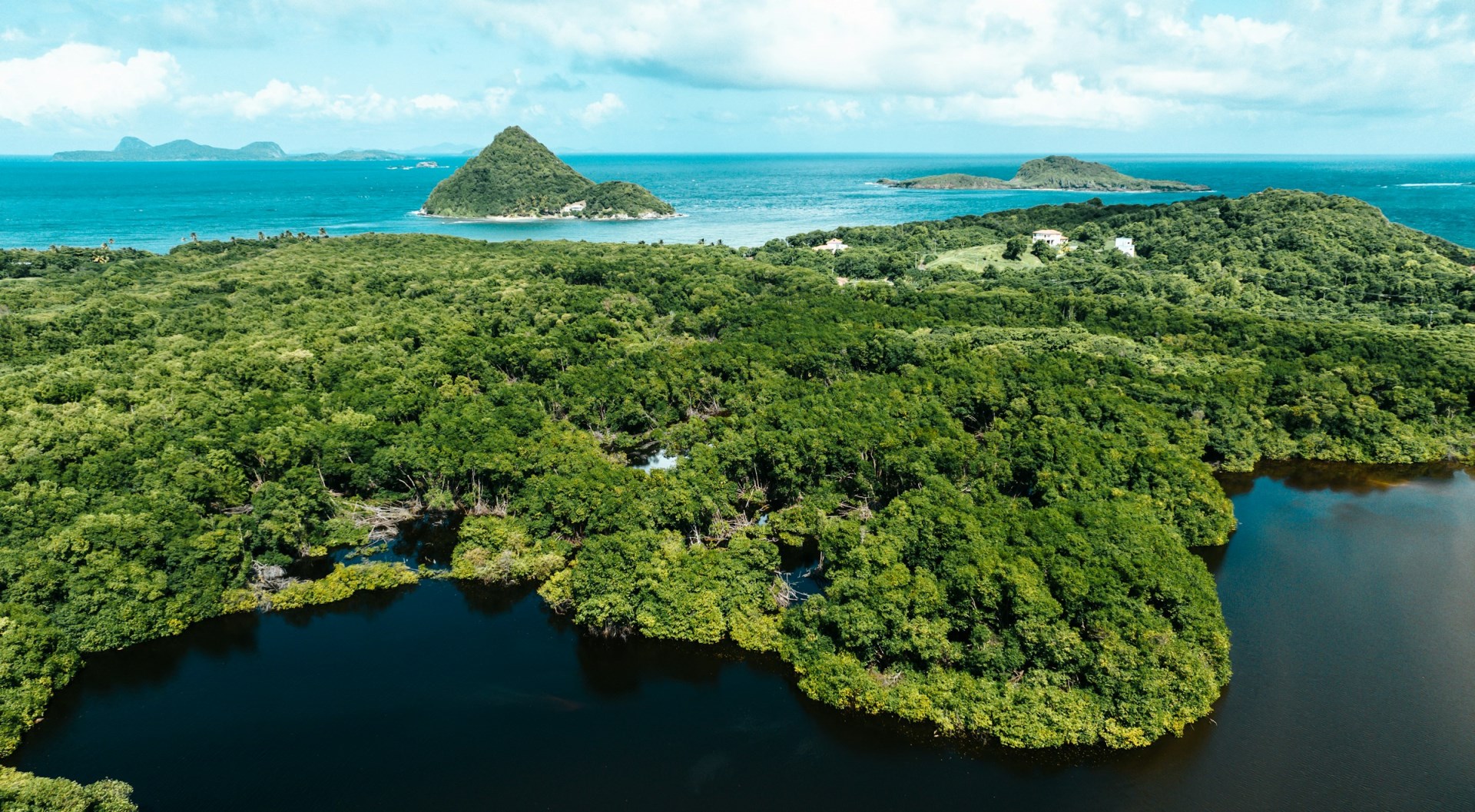
Levera Beach lies on Grenada’s northeastern coast, near the village of Sauteurs, where the island meets the Atlantic Ocean. The beach is backed by low hills, coastal vegetation, and open land, with views toward the small islands of the Grenadines offshore. Unlike the developed beaches around the southwest coast, Levera has a more natural setting and is part of the wider Levera National Park landscape.

Cappadocia
The ancient region of Cappadocia lies in Central Anatolia, between the cities of Nevsehir, Kayseri and Nigde. Here, the traveler finds one of the most fantastic landscapes in the world. Wind and weather have eroded the soft volcanic rock with hundreds of strangely shaped pillars, cones and "fairy chimneys", often very tall, and in every shade from pink through yellow to russet browns.
Matobo Hills
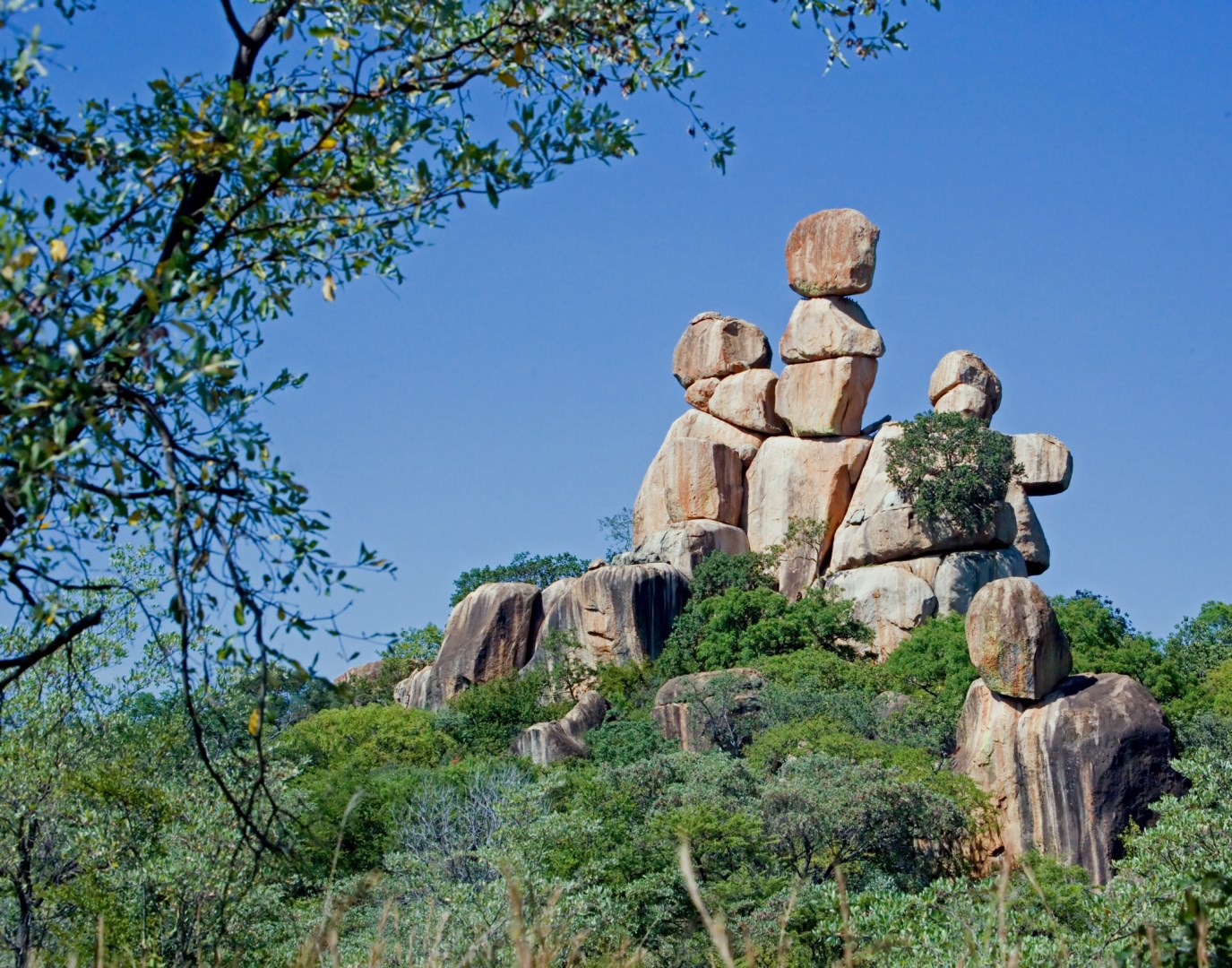
Matobo Hills is a distinctive granite landscape in southwestern Zimbabwe, about 35 kilometers south of Bulawayo. Rounded domes, balancing boulders, rocky ridges, and wooded valleys form a dense group of hills rising above the surrounding savanna. The landscape is part of a large cultural heritage area that includes Matobo National Park and neighboring communal and privately managed land.
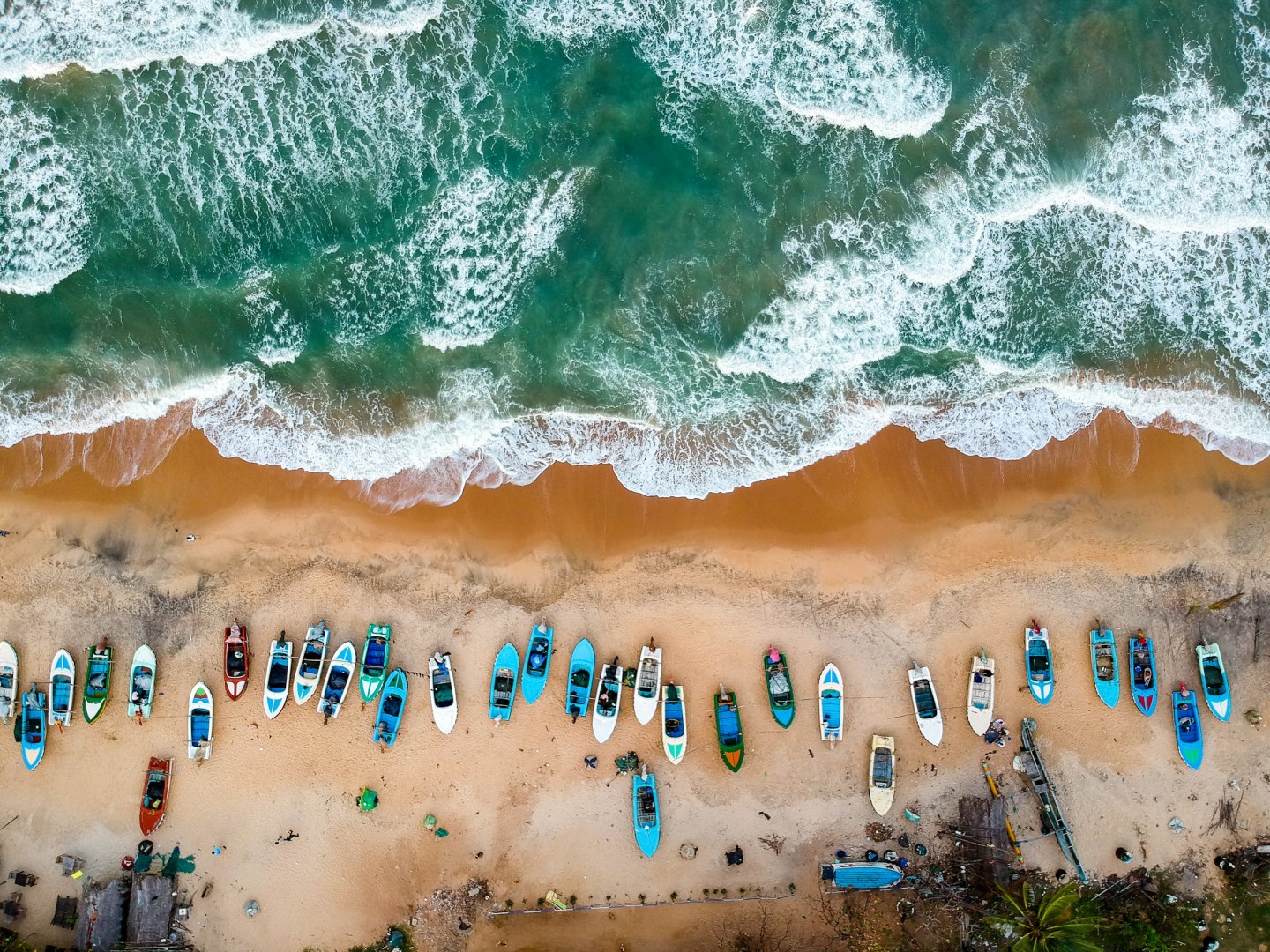
Arugam Bay Beach
Arugam Bay Beach is a coastal destination on Sri Lanka’s eastern shore, near the town of Pottuvil. Its wide sandy beach curves around a sheltered bay, with low vegetation, lagoons, and wetlands extending inland. Arugam Bay is best known for surfing, particularly for its long right-hand waves and the main break commonly called Main Point. The coastline has a more relaxed, low-rise character than many of Sri Lanka’s developed beach areas, with small hotels, cafés, surf schools, and guesthouses spr