Saudi Arabia
Saudi Arabia is revealing chapters long unseen by tourists. Al-Ula is home to Hegra, the first UNESCO World Heritage Site in the kingdom and hosts to ancient Nabatean tombs carved in sandstone cliffs. Nearby, the mirrored Maraya Concert Hall reflects the desert sky, its design both unexpected and elegant amid the sands. Visitors can wander through narrow canyons, step inside rock-hewn facades, and feel the weight of ancient civilizations still echoing across the dunes.
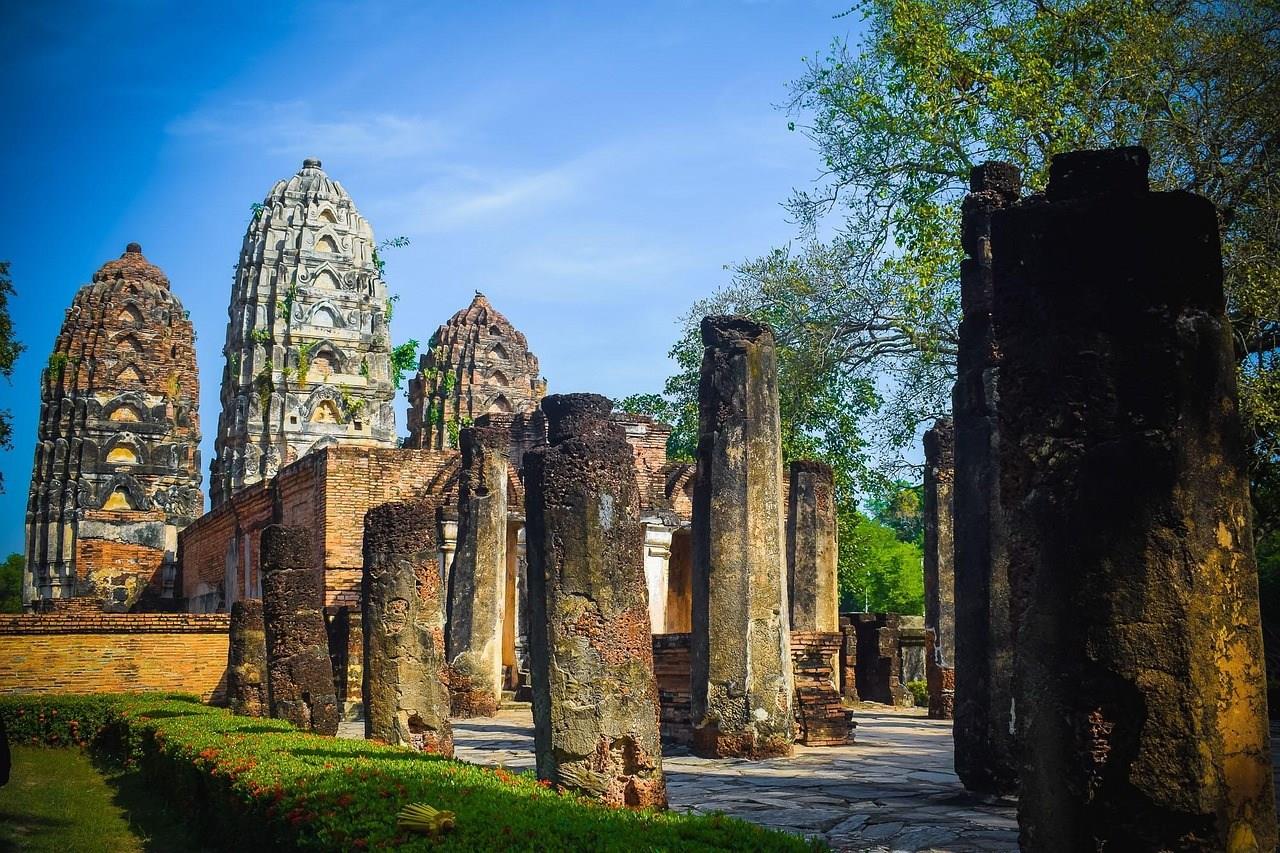
Sukhothai
Sukhothai, located in north-central Thailand, was once the capital of the first independent Thai kingdom in the 13th century. Today, it’s best known for the Sukhothai Historical Park, a UNESCO World Heritage Site filled with stone temples, lotus-filled moats, and ancient Buddha statues. The park spans over 70 square kilometers and features more than 190 ruins.
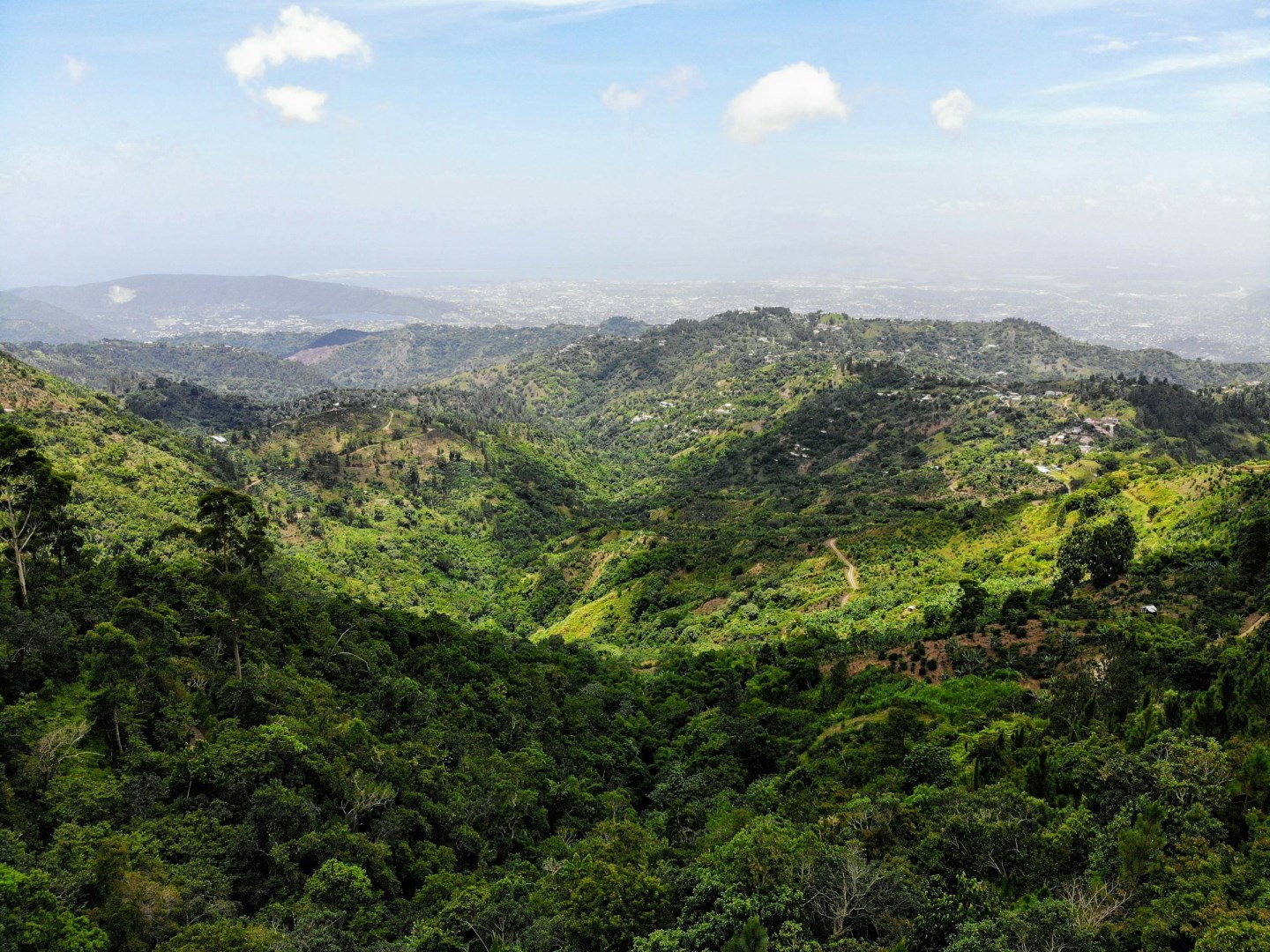
Blue Mountains
The Blue Mountains form Jamaica’s highest mountain range, rising across the eastern part of the island between Kingston, Saint Andrew, Saint Thomas, and Portland. The range is known for steep ridges, deep valleys, cloud forest, waterfalls, and cool mountain conditions that contrast with Jamaica’s coastal plains. Blue Mountain Peak is the highest point on the island, while numerous smaller communities and farms occupy the slopes.

Saint John
Saint John is a historic port city on the Bay of Fundy in southern New Brunswick, built around a rugged harbour where the Saint John River meets the sea. Its waterfront, steep streets, and compact historic districts reflect a long connection with shipping, shipbuilding, fishing, and trade.

Willemstad
Willemstad, the capital of Curaçao, is unlike any other city in the Caribbean. With its pastel-colored buildings lining the waterfront and a layout shaped by Dutch colonial planning, the city blends European design with Caribbean culture. Its historic center, divided by Sint Anna Bay into Punda and Otrobanda, has been recognized as a UNESCO World Heritage Site.