Kanchanaburi, a province in western Thailand, is best known for its poignant history and lush landscapes. It was here that Allied prisoners of war and Asian laborers were forced to build the infamous Death Railway during World War II, including the Bridge over the River Kwai, which remains a powerful symbol of resilience.
Novi Sad, Serbia’s second-largest city, sits along the banks of the Danube River and has long served as a cultural meeting point in the Balkans. Its centerpiece is Petrovaradin Fortress, a massive 18th-century stronghold nicknamed the "Gibraltar on the Danube." The fortress is known not just for its historic architecture but also for its network of underground tunnels and the iconic clock tower where the hands are reversed, meaning the large hand shows the hour.
One of Japan's 60 core cities, Aomori is well-known for its beautiful landscapes. Favorite landscapes include the Hakkoda Mountains and Lake Towada. Another of the city's highlights is the Nebuta Matsuri, an annual festival known for its daily parade of giant, colorful lantern floats.
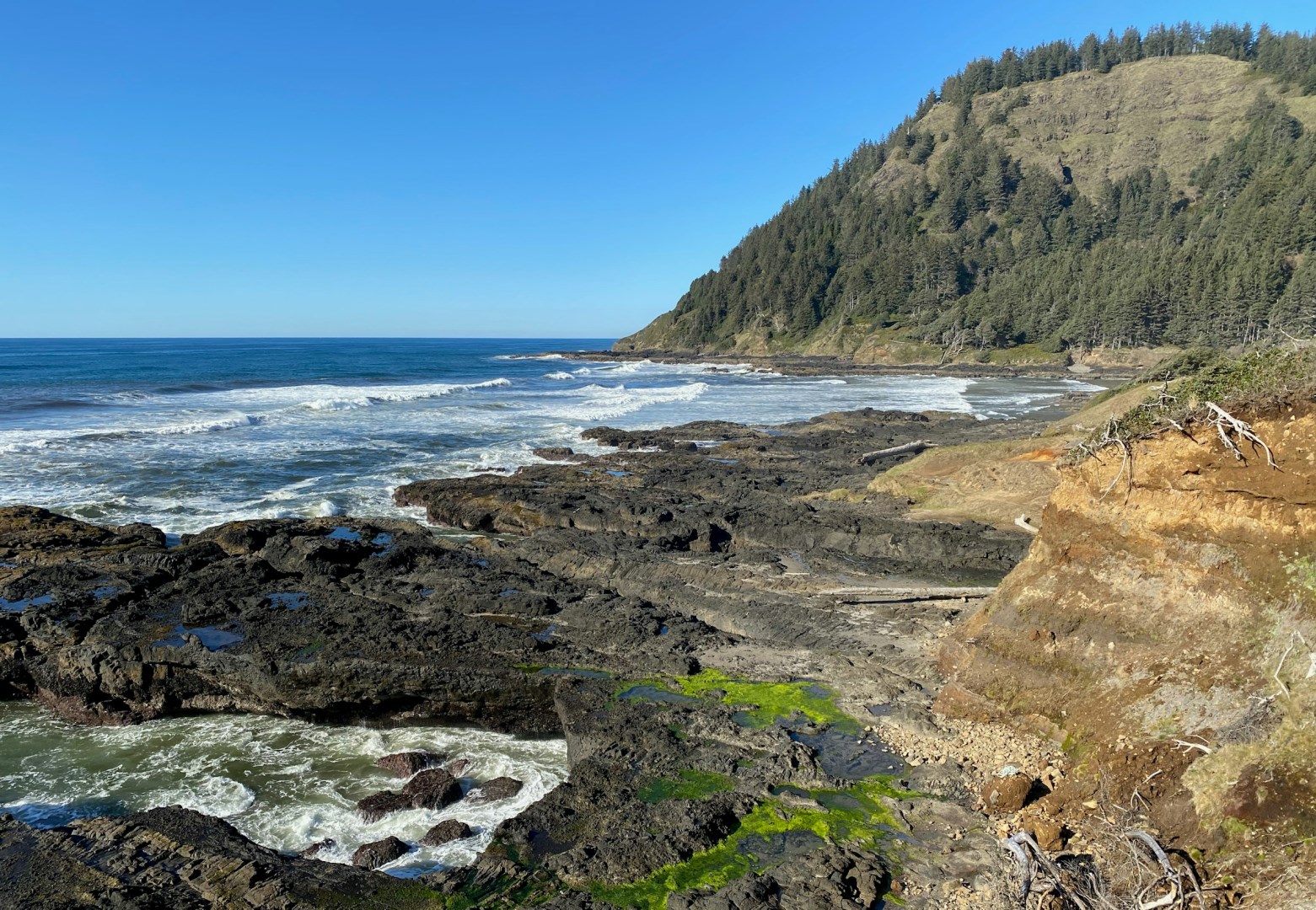
Cape Perpetua is a rugged headland on the central Oregon Coast, rising above the Pacific Ocean south of Yachats. The area is part of the Siuslaw National Forest and combines dense coastal forest with steep cliffs, rocky beaches, tide pools, and open ocean views.
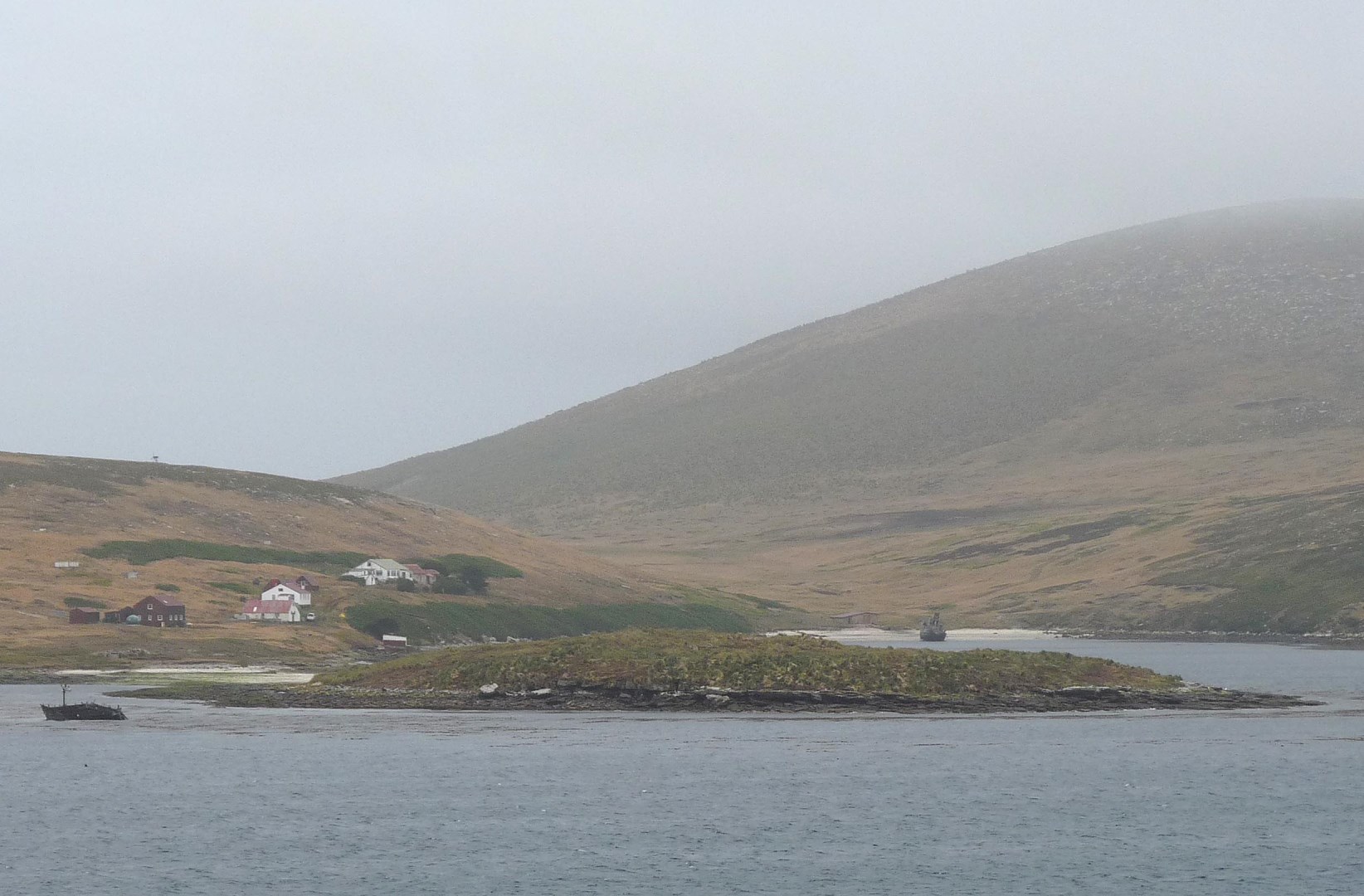
The Falklands are a remote and beautiful group of islands with a temperate climate, warm and friendly people of British decent, unbelievably rich wildlife, colorful homes and gardens, and a unique way of life. There is a surprising variety of scenery with rolling moorlands, grassy plains dotted with lakes, mountains over 2000 feet high, and a magnificent coastline with wide white beaches and dramatic bluffs.
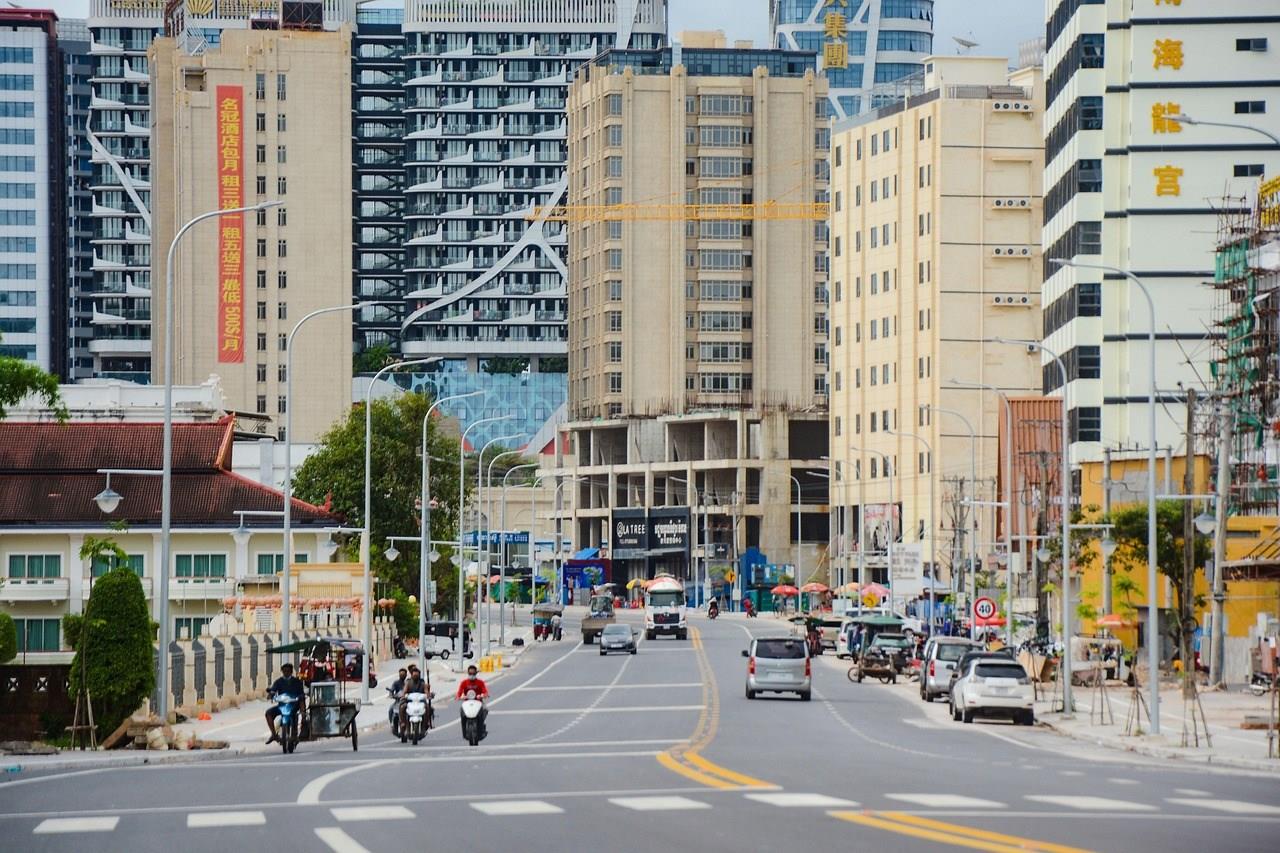
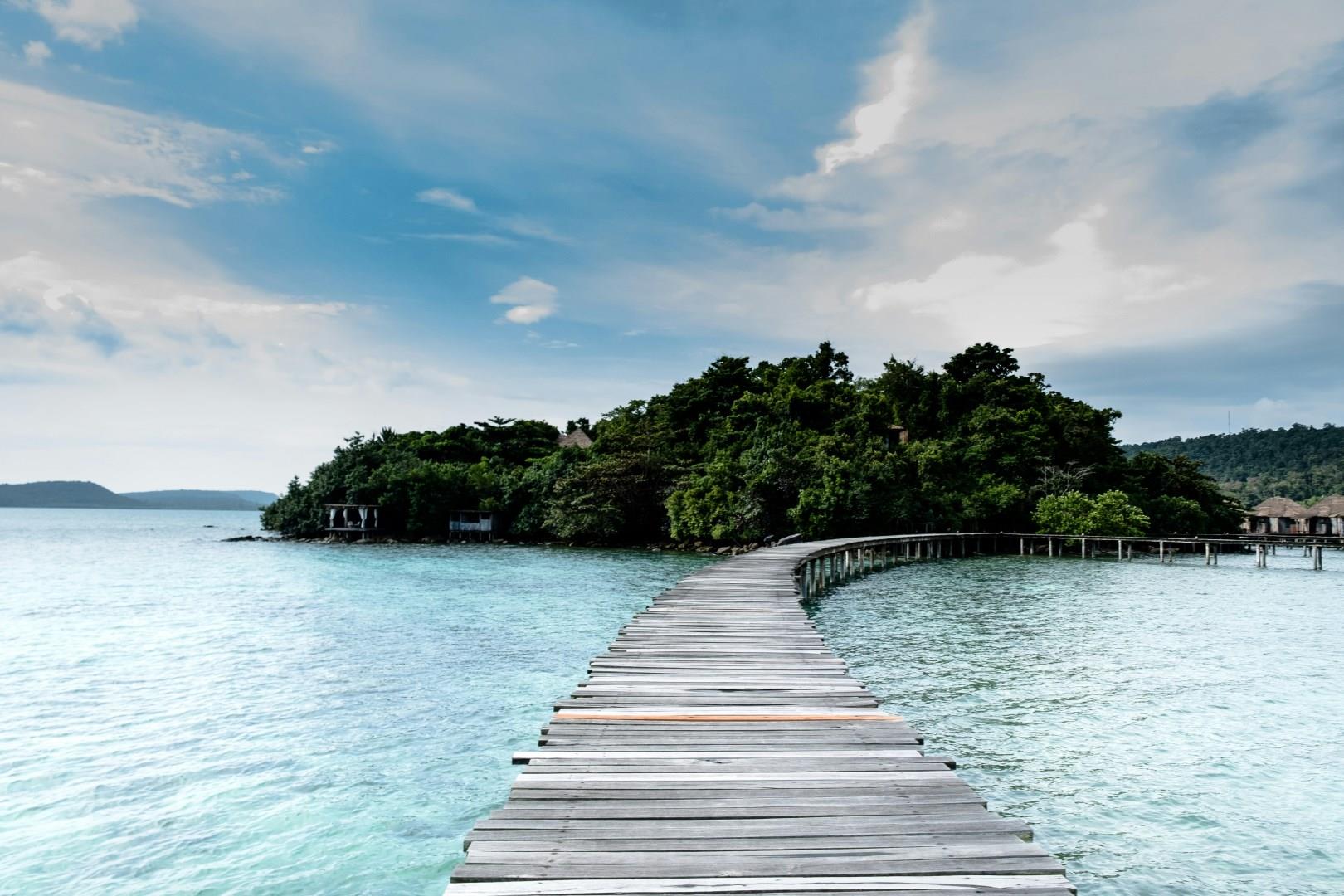
Nestled along Cambodia’s picturesque coastline, Sihanoukville offers an inviting retreat with its stunning beaches and vibrant culture. This coastal city, named after King Norodom Sihanouk, is renowned for its pristine white sand beaches and turquoise waters. The beaches of Otres, Serendipity, and Koh Rong are particularly popular, providing the perfect backdrop for relaxation and water sports. These serene spots are ideal for snorkeling, swimming, or simply lounging under the sun.
Sihanoukville’s charm extends beyond its beaches to its bustling Phsar Leu Market, where visitors can immerse themselves in local culture. This vibrant market offers an array of fresh produce, local handicrafts, and tantalizing street food. It’s a great place to experience the daily life of the locals and taste some of Cambodia’s unique culinary delights.
For a touch of adventure, take a trip to the nearby Koh Rong Samloem or explore the nearby islands, known for their spectacular marine life and unspoiled landscapes. The island offers opportunities for diving, kayaking, and hiking through lush jungle trails. The Ream National Park is another natural wonder worth exploring, featuring mangroves, tropical rainforests, and diverse wildlife.
Fun fact: Sihanoukville is often referred to as "Koh Rong’s Gateway" due to its role as a hub for travelers heading to the nearby islands. The city’s blend of beachside relaxation and vibrant local culture ensures a memorable experience for every visitor.
Other Popular Destinations in Cambodia
Siem Reap
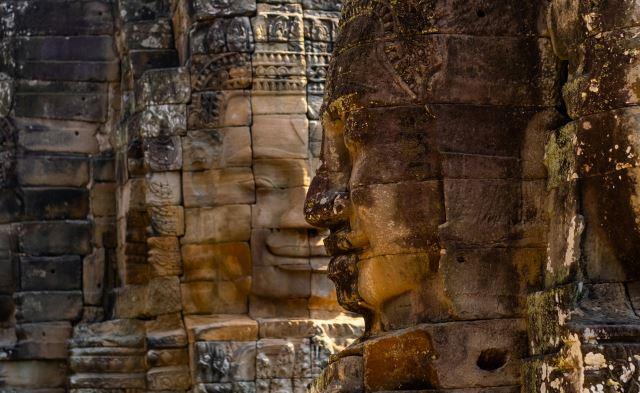
Siem Reap is best known as the gateway to Angkor, the ancient capital of the Khmer Empire, but the town itself offers far more than a launching point for temple exploration. Located in northwestern Cambodia, Siem Reap balances centuries-old traditions with a rapidly evolving cultural scene. Its streets are lined with colonial-era buildings, Buddhist pagodas, bustling markets, and open-air cafés.
Phnom Penh
Phnom Penh, the capital of Cambodia, is a city where history, culture, and riverside life intersect. Situated at the confluence of the Mekong and Tonle Sap rivers, the city has a lively riverfront that serves as both a social gathering place and a hub for commerce.