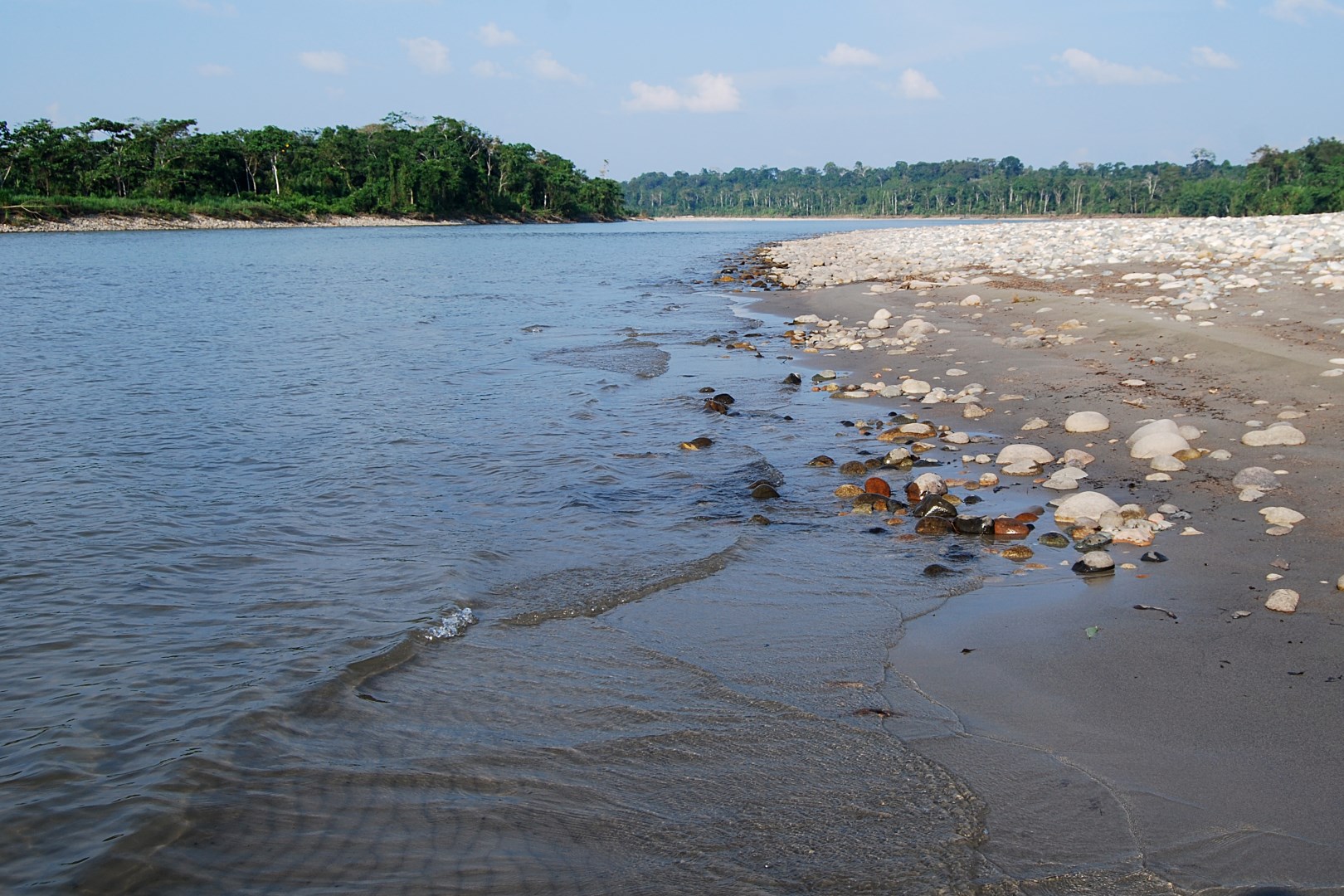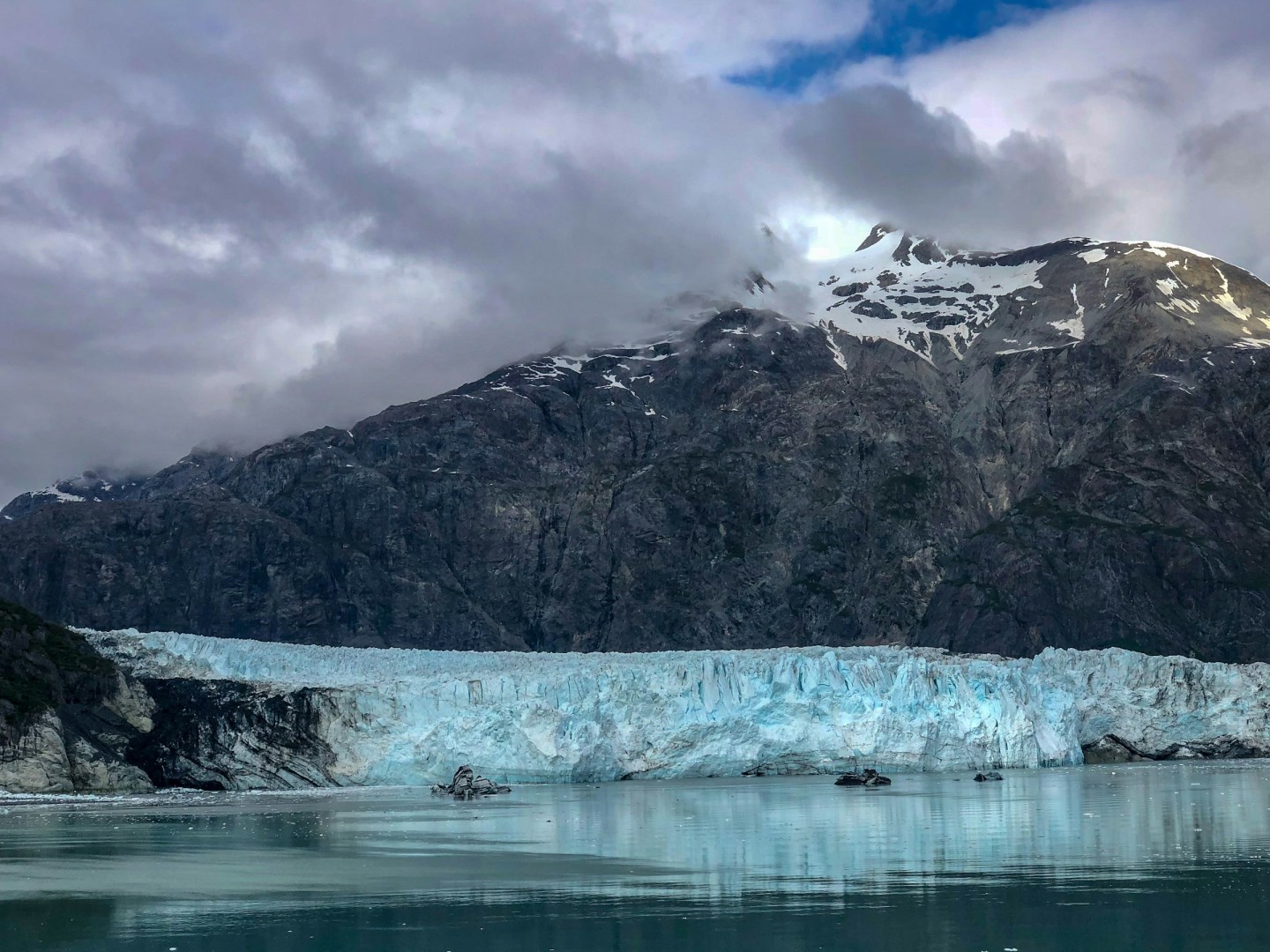
A tributary of the Amazon, the Napo River (Río Napo) originates in the east Andes mountains. It flows east through Ecuador, then southeast into Peru, where it joins the larger river roughly 50 miles downstream from Iquitos.
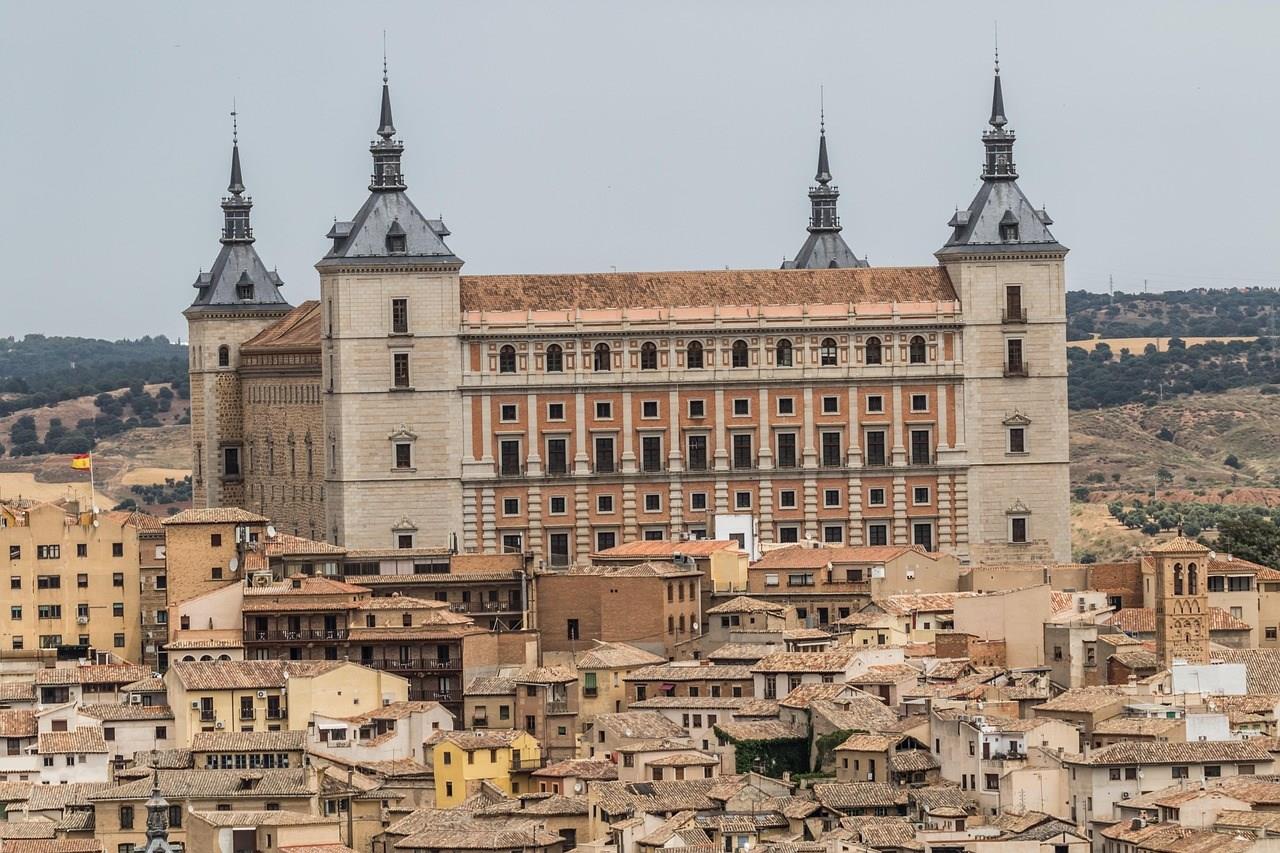
Toledo, high above the Tagus River in central Spain, is a city where layers of history are visible around every corner. For centuries it was an important Roman settlement, a Visigothic capital, and later a stronghold during the medieval Christian reconquest, before becoming the seat of royal power and a crossroads of cultures. Because of this long span of stories and architectural richness, the whole old town has been recognized as a UNESCO World Heritage Site.
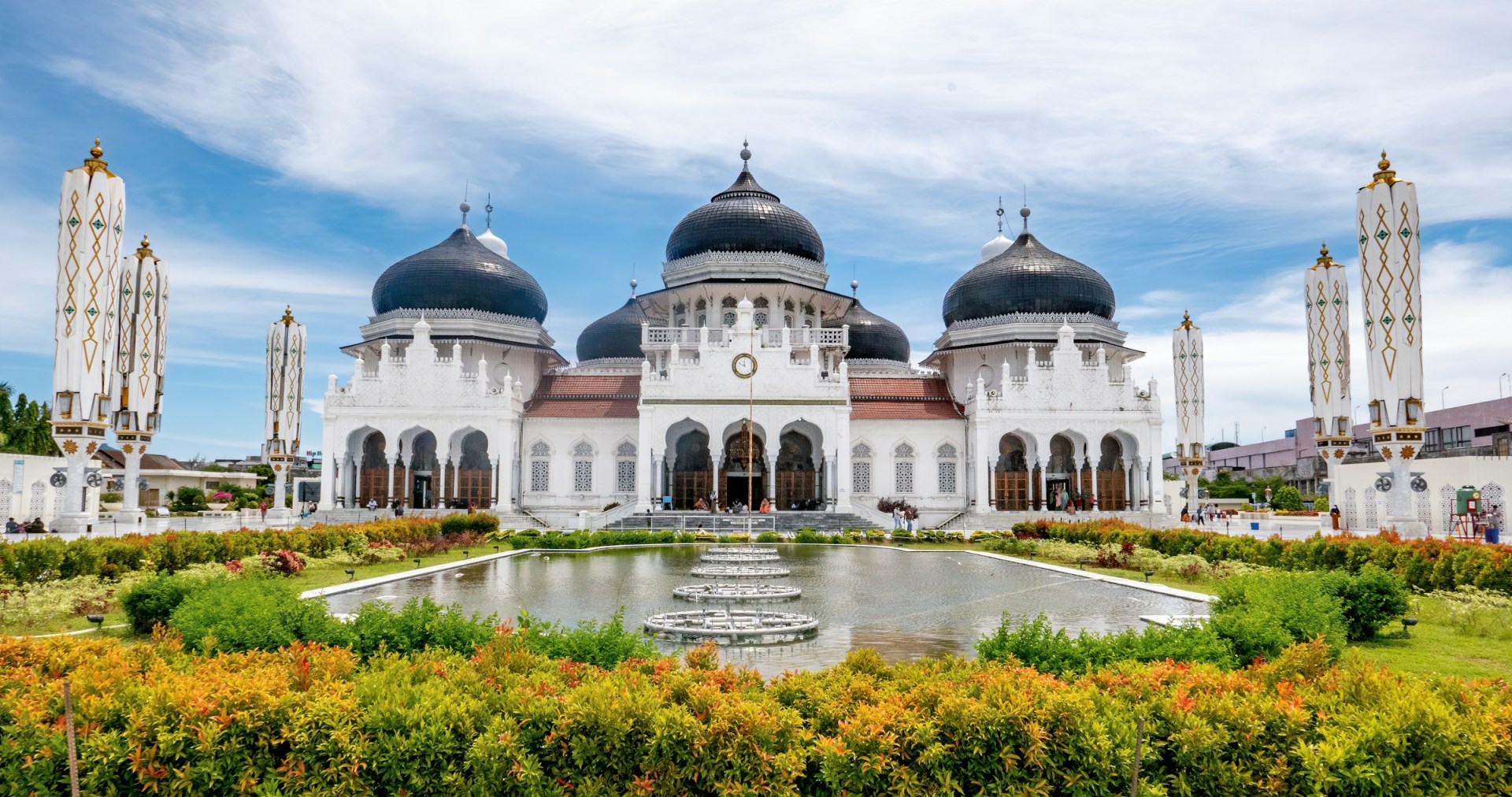
Aceh is a province at the northern tip of Sumatra, with Banda Aceh as its capital and a coastline facing the Andaman Sea, Malacca Strait, and Indian Ocean. Its identity is strongly shaped by Islam, local adat traditions, and a long history of sultanates and maritime trade. Banda Aceh’s Baiturrahman Grand Mosque is one of the province’s best-known landmarks, while the Aceh Tsunami Museum documents the devastating Indian Ocean tsunami and its lasting impact on local communities.
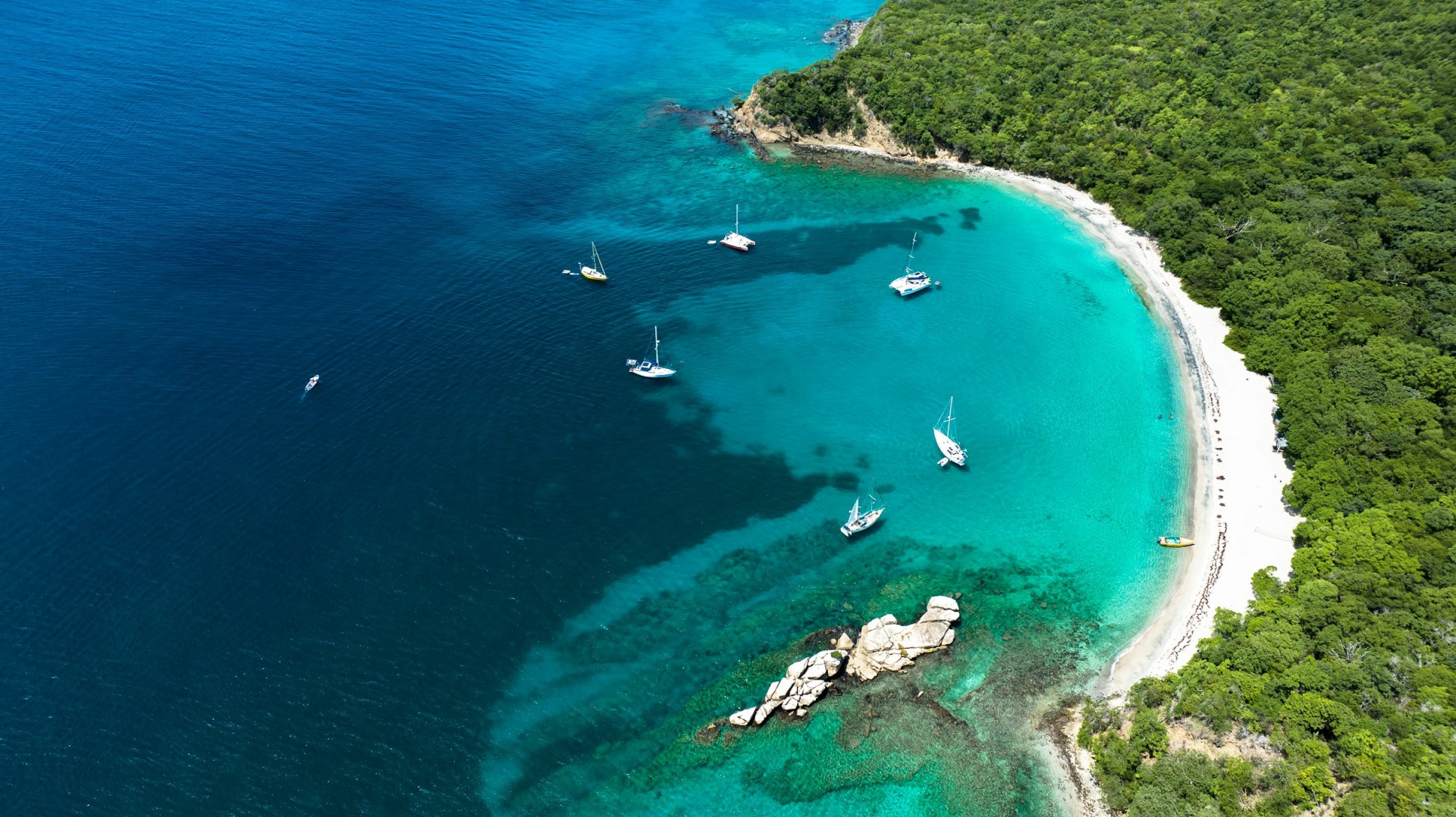
Carriacou is the largest of Grenada’s sister islands and part of the Grenadines, lying north of mainland Grenada between the Caribbean Sea and Atlantic Ocean. The island has a relatively dry climate and a landscape of low hills, rocky headlands, coral reefs, beaches, and small valleys used for farming. Hillsborough is the main settlement, while Windward, L’Esterre, and Tyrell Bay are among the island’s other communities.
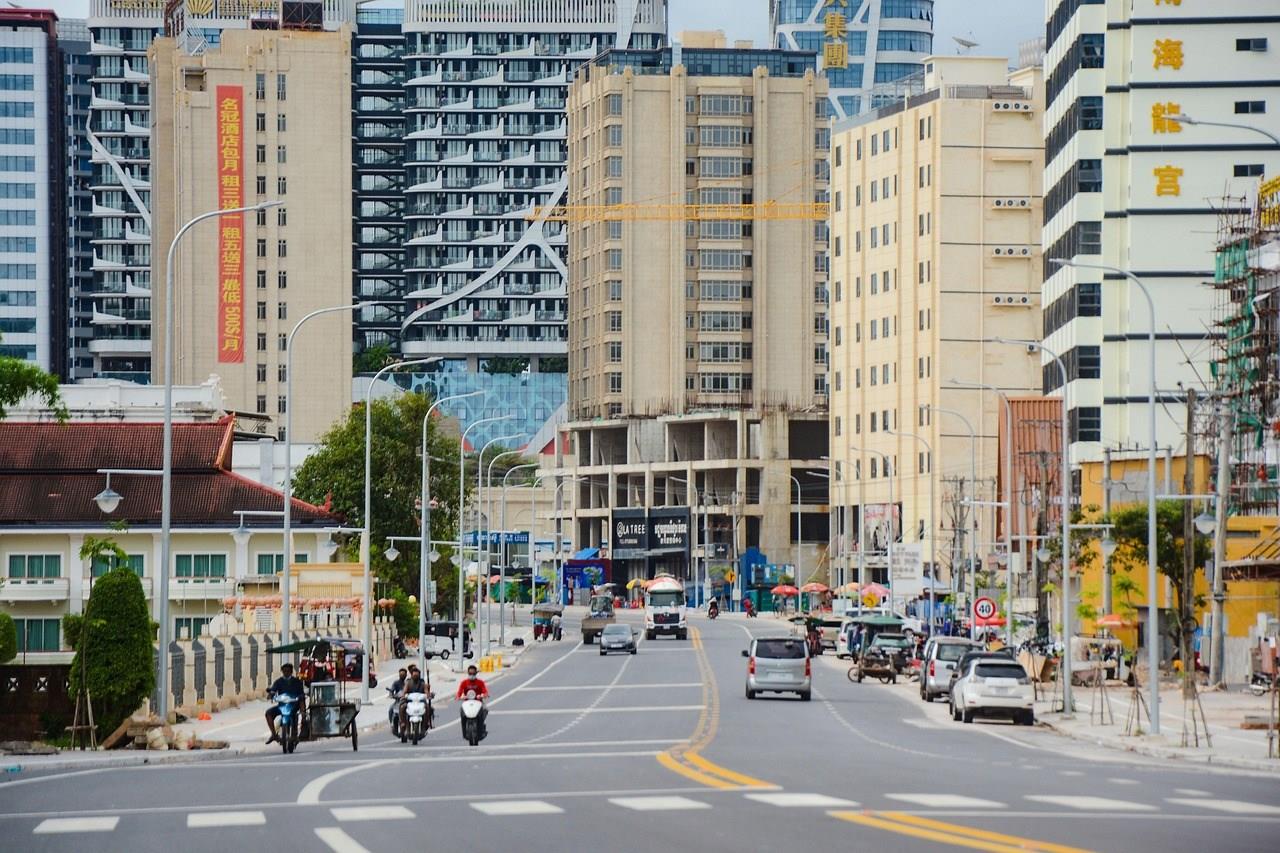
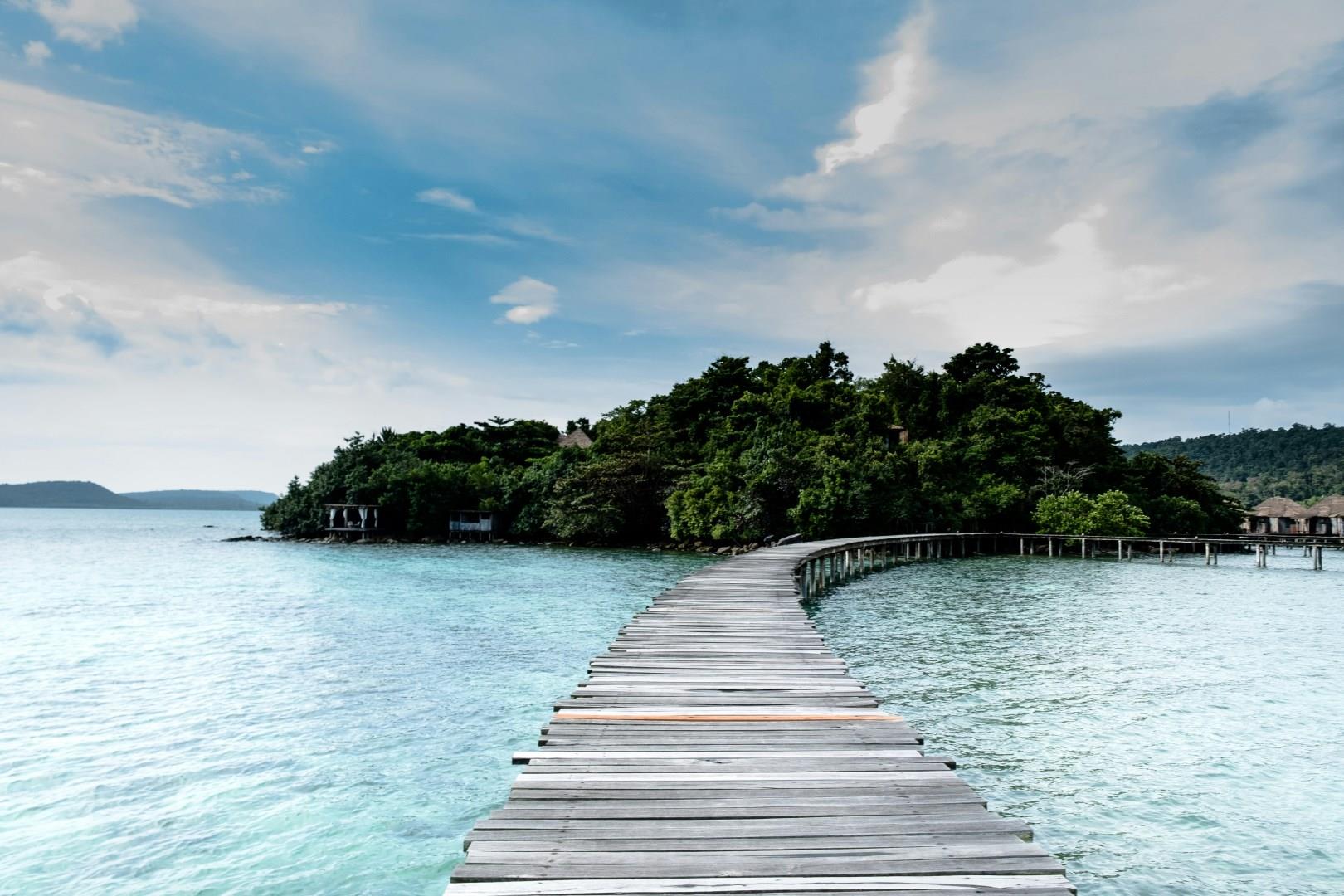
Nestled along Cambodia’s picturesque coastline, Sihanoukville offers an inviting retreat with its stunning beaches and vibrant culture. This coastal city, named after King Norodom Sihanouk, is renowned for its pristine white sand beaches and turquoise waters. The beaches of Otres, Serendipity, and Koh Rong are particularly popular, providing the perfect backdrop for relaxation and water sports. These serene spots are ideal for snorkeling, swimming, or simply lounging under the sun.
Sihanoukville’s charm extends beyond its beaches to its bustling Phsar Leu Market, where visitors can immerse themselves in local culture. This vibrant market offers an array of fresh produce, local handicrafts, and tantalizing street food. It’s a great place to experience the daily life of the locals and taste some of Cambodia’s unique culinary delights.
For a touch of adventure, take a trip to the nearby Koh Rong Samloem or explore the nearby islands, known for their spectacular marine life and unspoiled landscapes. The island offers opportunities for diving, kayaking, and hiking through lush jungle trails. The Ream National Park is another natural wonder worth exploring, featuring mangroves, tropical rainforests, and diverse wildlife.
Fun fact: Sihanoukville is often referred to as "Koh Rong’s Gateway" due to its role as a hub for travelers heading to the nearby islands. The city’s blend of beachside relaxation and vibrant local culture ensures a memorable experience for every visitor.
Other Popular Destinations in Cambodia
Siem Reap
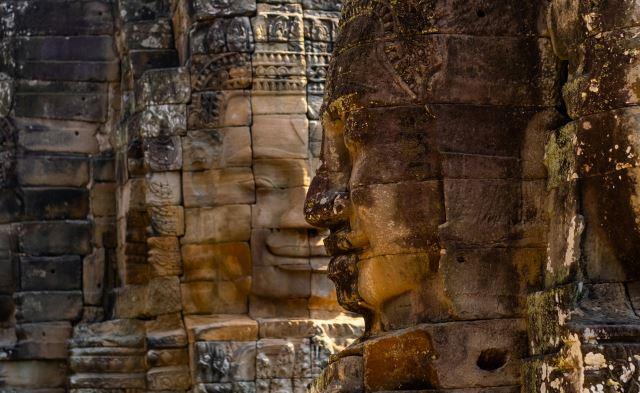
Siem Reap is best known as the gateway to Angkor, the ancient capital of the Khmer Empire, but the town itself offers far more than a launching point for temple exploration. Located in northwestern Cambodia, Siem Reap balances centuries-old traditions with a rapidly evolving cultural scene. Its streets are lined with colonial-era buildings, Buddhist pagodas, bustling markets, and open-air cafés.
Phnom Penh
Phnom Penh, the capital of Cambodia, is a city where history, culture, and riverside life intersect. Situated at the confluence of the Mekong and Tonle Sap rivers, the city has a lively riverfront that serves as both a social gathering place and a hub for commerce.