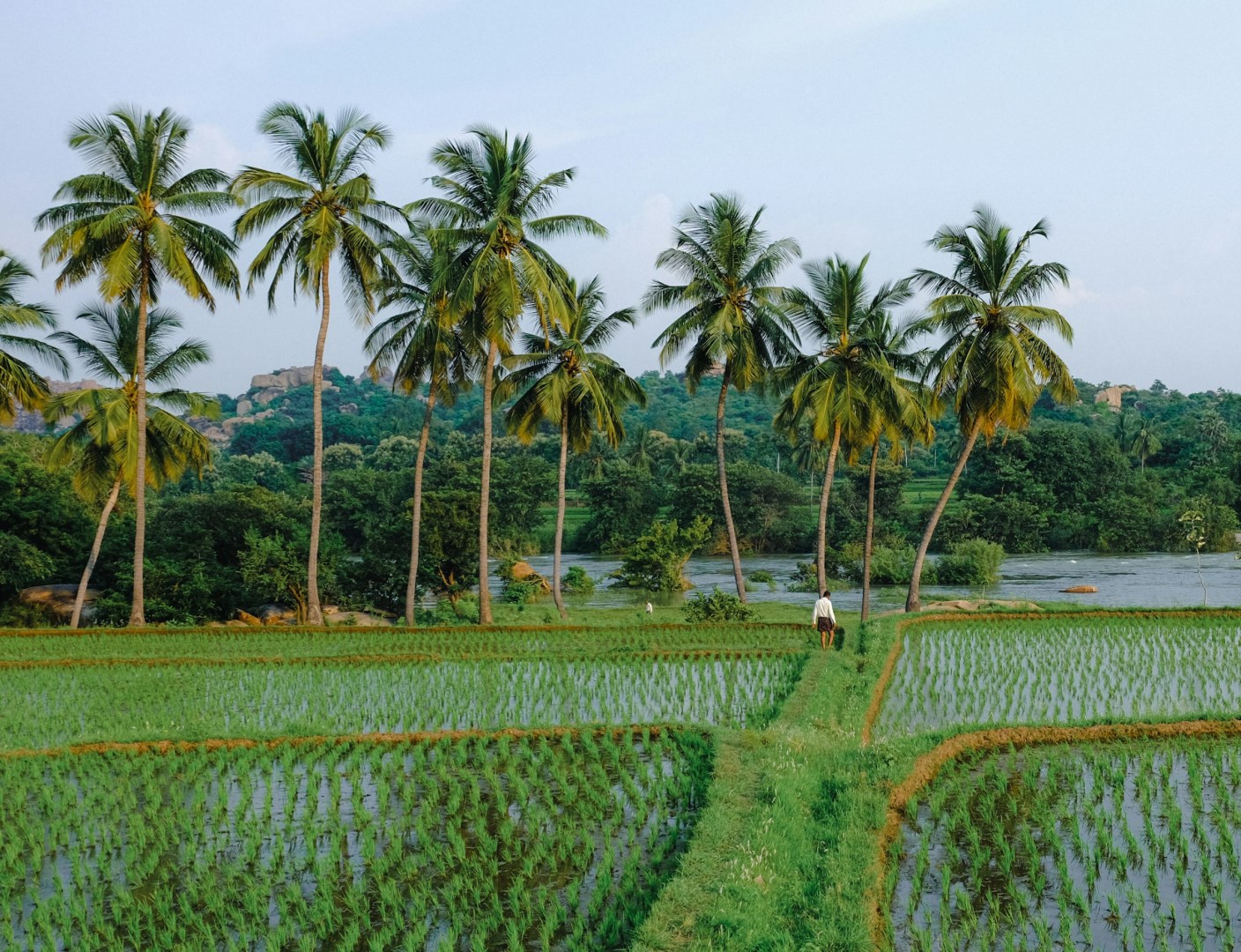
Hampi
Hampi is a historic village and archaeological landscape in Karnataka, set among dramatic granite boulders, rocky hills, banana plantations, and the Tungabhadra River. The ruins belong to the former capital of the Vijayanagara Empire and cover a wide area of temples, gateways, markets, palaces, shrines, and water structures. The landscape is notable for the way monumental architecture sits among natural rock formations and agricultural fields. Hampi is recognized as a UNESCO World Heritage Site
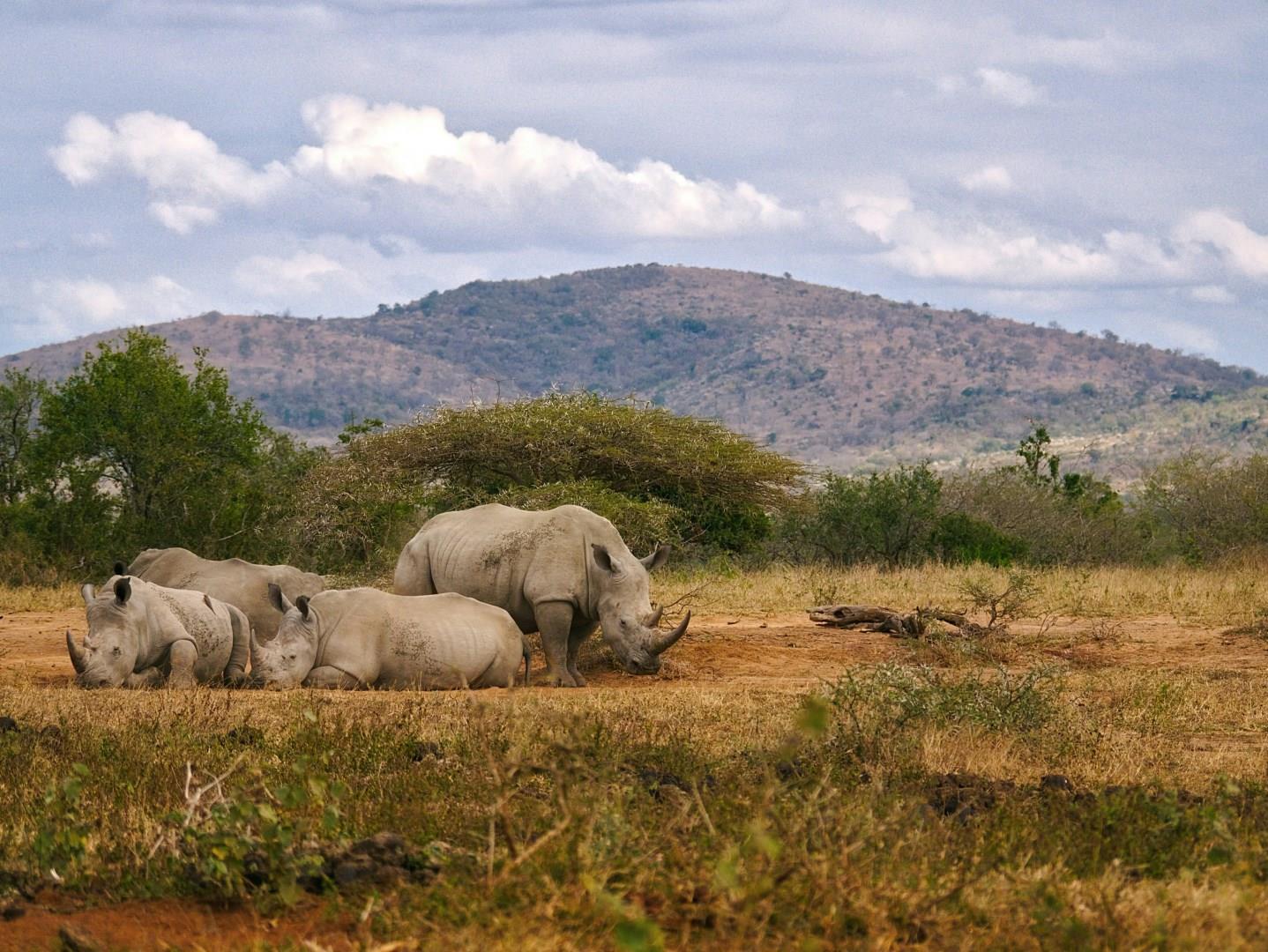
Hluhluwe-iMfolozi Park
Hluhluwe–iMfolozi Park, in South Africa’s KwaZulu-Natal province, is one of the country’s oldest protected areas and holds deep historical importance in conservation.
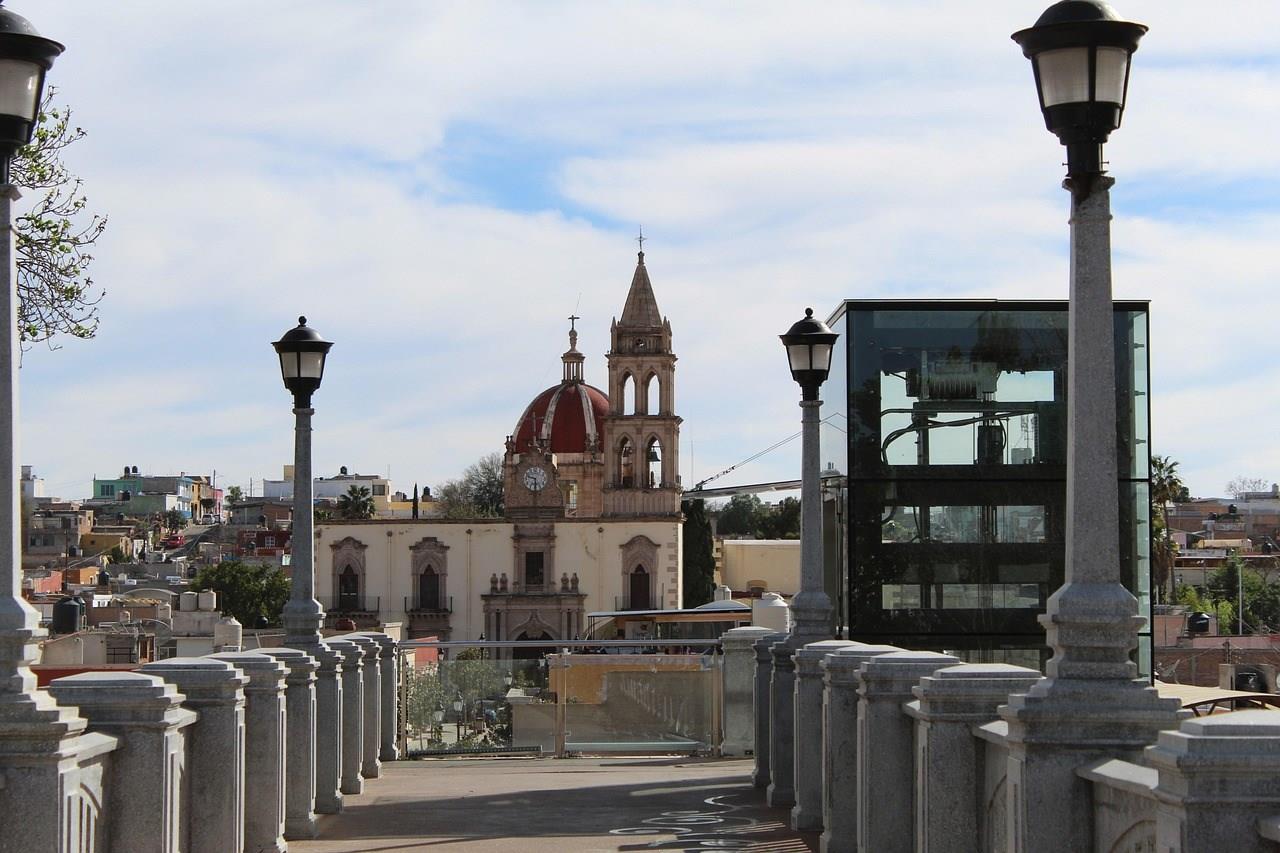
Durango
Victoria de Durango rises on a high plateau Mexico’s Sierra Madre Occidental, founded in 1563 by Francisco de Ibarra. Its streets trace layers of history: the historic center holds the most listed buildings in northern Mexico and remains a notable stop on the Camino Real de Tierra Adentro, now a UNESCO World Heritage route.
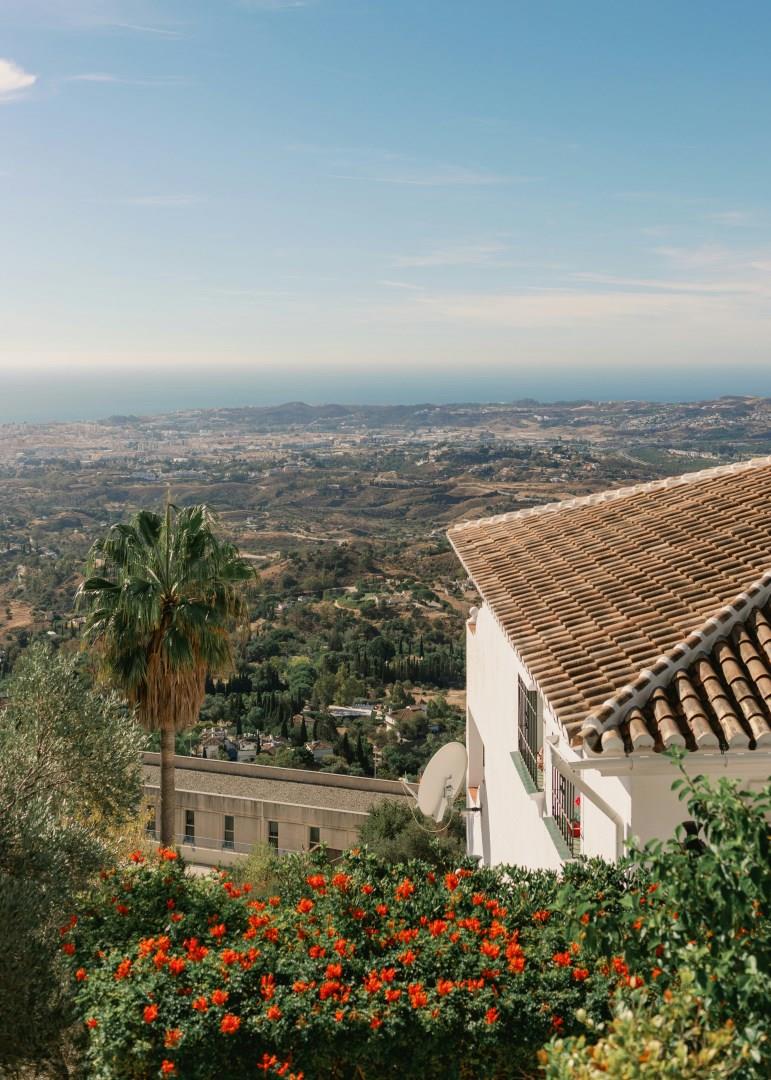
Mijas
Mijas, perched on the hillside above the Costa del Sol, blends centuries of Andalusian tradition with views that stretch across the Mediterranean. The whitewashed buildings of Mijas Pueblo reflect sunlight from narrow cobbled streets that wind through small plazas, each with its own fountain, chapel, or overlook. The town’s layout still follows Moorish-era planning, and remnants of the old wall (La Muralla) offer shaded walks lined with native plants and panoramic views over the coast.

Istanbul
Istanbul is a city built on layers of empire. Spanning two continents, it was once the capital of three major empires: Roman, Byzantine, and Ottoman. Visitors walking through the Sultanahmet district can witness this timeline firsthand, from the Roman-era Hippodrome to the Byzantine mosaics of Hagia Sophia, and the towering minarets of the Blue Mosque. At nearby Topkapi Palace, rooms still display the jeweled swords, ceremonial robes, and handwritten Qurans once used by Ottoman sultans.