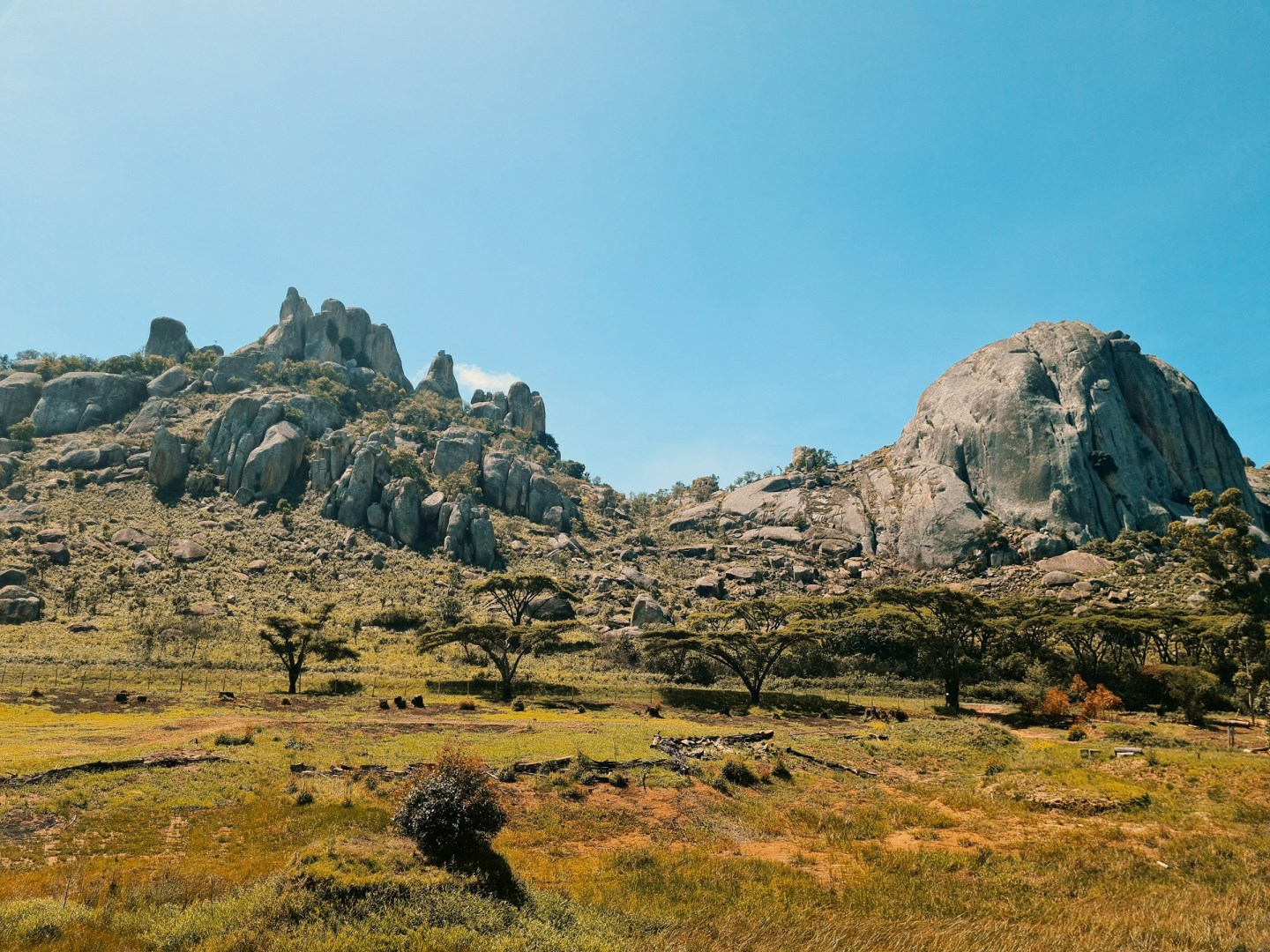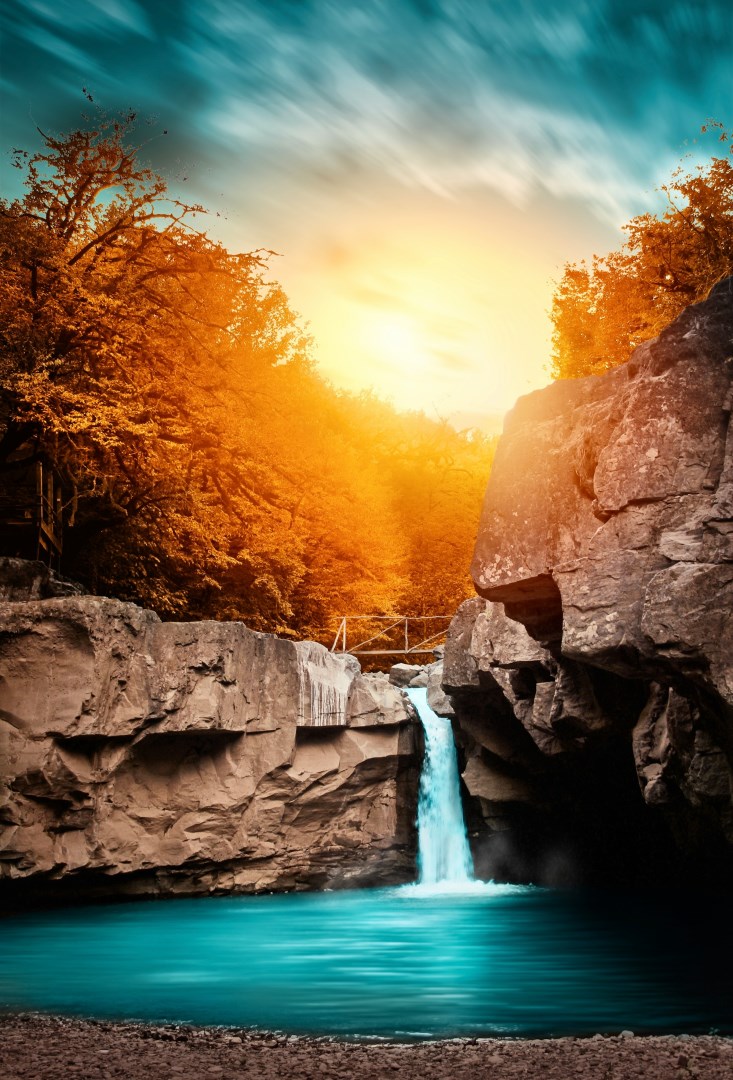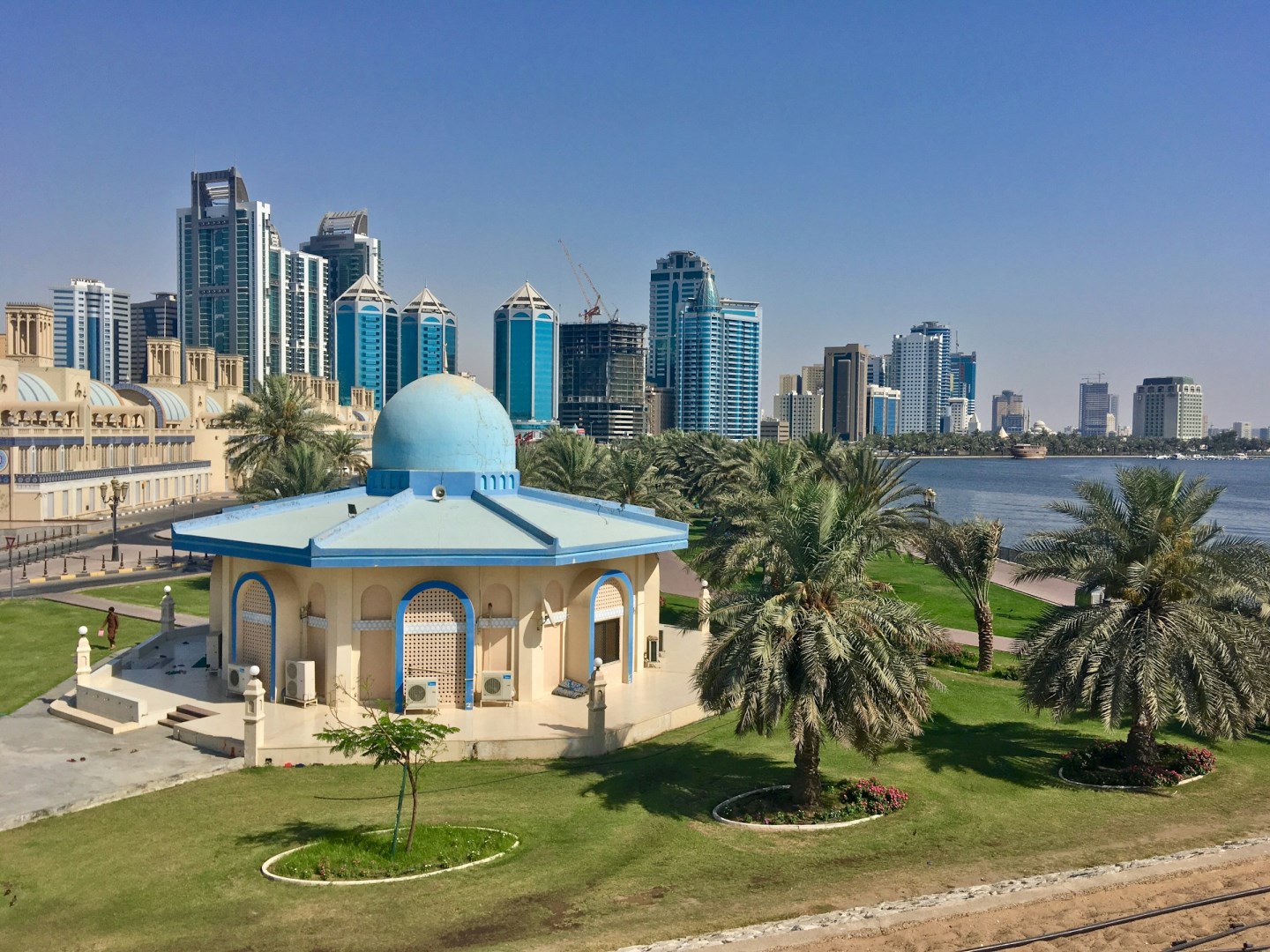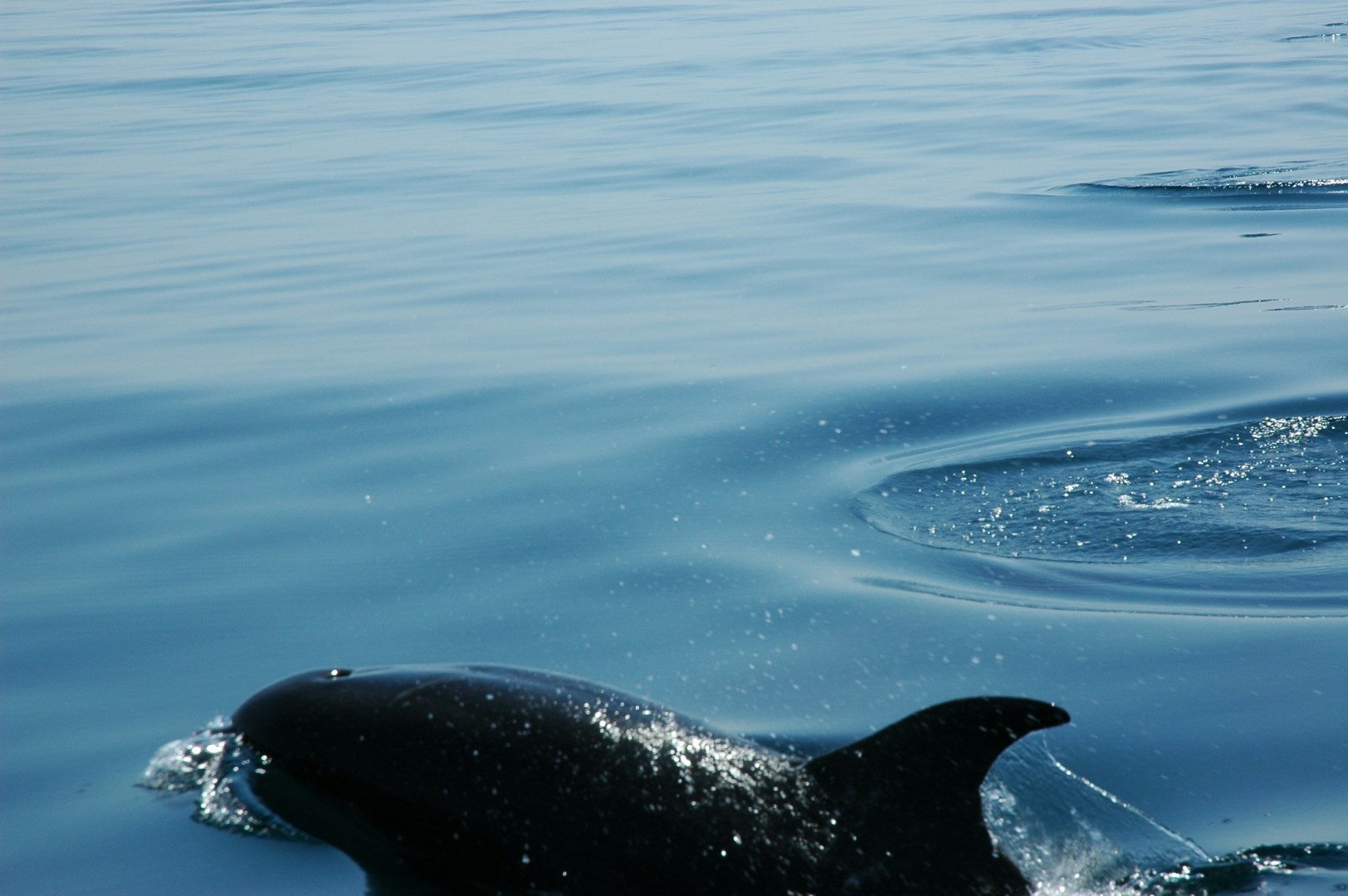
Cradle Mountain, located within the Tasmanian Wilderness World Heritage Area, is one of Australia's most distinctive landscapes. Towering over Dove Lake, the craggy peak rises to 1,545 meters and is often dusted with snow, even in spring. The mountain and surrounding area are part of Cradle Mountain–Lake St Clair National Park, which was established in 1922 and has since become a cornerstone of Tasmania’s protected wildlands.
Menaggio is situated on the western shore of Lake Como. at the point where the road bordering the western side of the lake and the road leading through the Val Menaggio to Lugano meet.
Les Andelys, a picturesque town on the banks of the Seine in Normandy, France, is best known for its dramatic setting beneath the ruins of Château Gaillard. This medieval fortress, built in the 12th century by Richard the Lionheart, stands high on a chalk cliff overlooking the river, a reminder of the region’s turbulent past during the wars between England and France.
Berlin has an undeniable history. The horrors of World War II, division, reunification, revolution all profoundly impacted the city in the 20th century. Today, visitors will find a sophisticated, high-energy city with endless cultural, architectural and gastronomic attractions.
Haugesund, located on the southwestern coast of Norway, is known for its rich Viking heritage and natural landscapes. The town's maritime history is celebrated at the Nordvegen History Centre, where you can learn about the Viking kings who once ruled the area. Nature enthusiasts will appreciate the proximity to the Folgefonna Glacier, where they can enjoy guided glacier hikes and breathtaking views of the surrounding fjords.
The Gulf of California, also known as the Sea of Cortez, is a dazzling stretch of water that separates the Baja California Peninsula from mainland Mexico. This remarkable body of water offers a paradise for nature enthusiasts and adventure seekers alike. The Gulf is renowned for its crystal-clear waters, rich marine life, and striking desert landscapes. It serves as a vital breeding ground for numerous species, including the majestic blue whale, which is one of the largest animals on the planet.
The Gulf of California is home to a range of activities that cater to all kinds of travelers. Kayaking, snorkeling, and diving are popular pastimes, with the clear waters providing spectacular visibility of vibrant coral reefs and abundant marine life. The island of Espíritu Santo, a UNESCO Biosphere Reserve, is a top destination for eco-tourism. Its pristine beaches and clear waters make it an ideal spot for swimming with sea lions and exploring the diverse marine ecosystems.
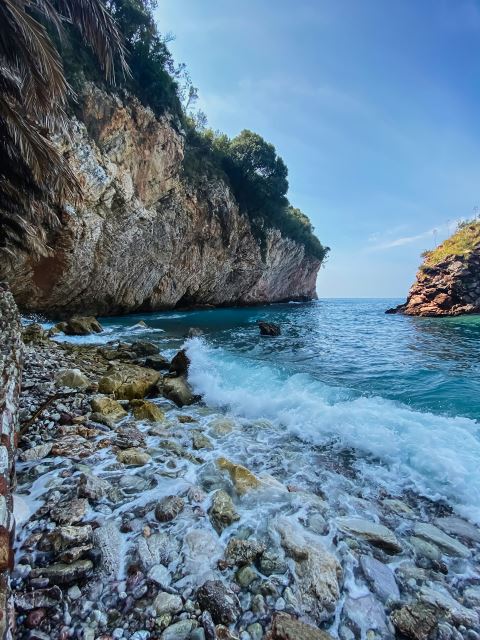
Adventure seekers will also be drawn to the rugged beauty of the Baja California Peninsula's coastline, where dramatic cliffs meet turquoise waters. The nearby town of La Paz offers charming local culture and excellent dining options, including fresh seafood caught from the Gulf. For those interested in the desert environment, the region's unique flora and fauna provide a striking contrast to the marine landscape.
Fun fact: The Gulf of California is considered one of the most biologically diverse marine regions in the world. It has more than 900 species of fish, and its isolated waters have led to the development of numerous endemic species, making it a hotspot for marine biology research and conservation National Oceanic and Atmospheric Administration (NOAA). This diversity makes it a must-visit for anyone interested in the natural world.