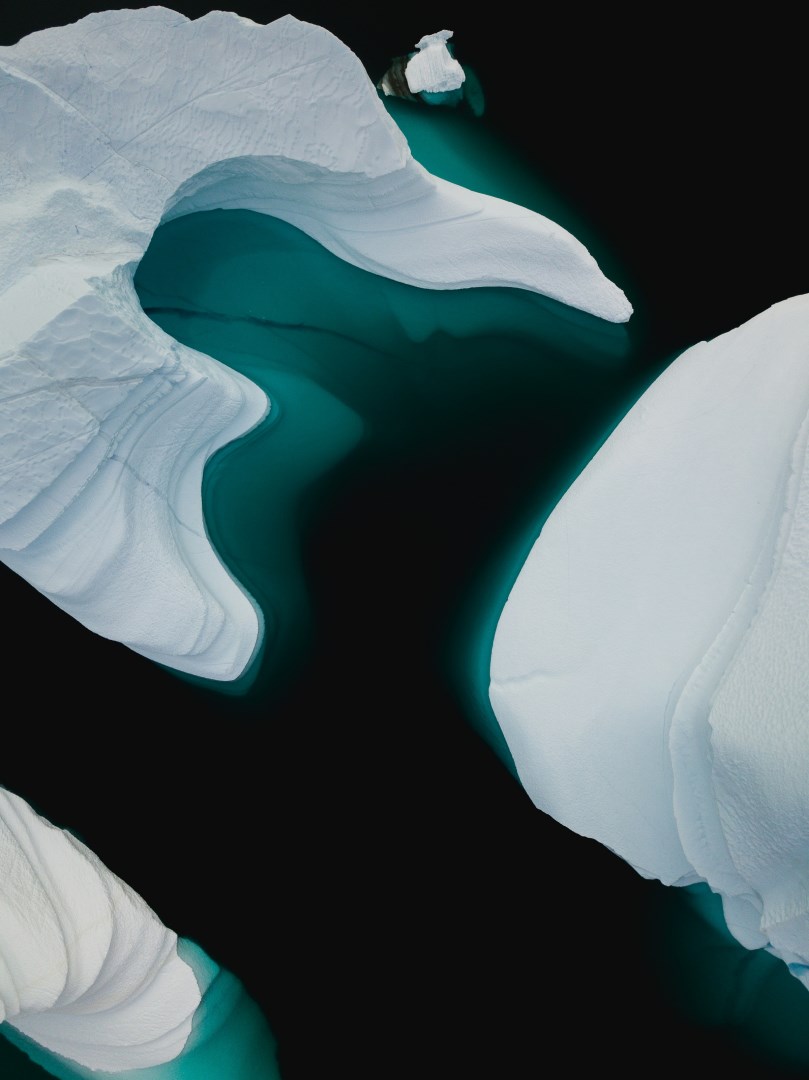
Istanbul
Istanbul is a city built on layers of empire. Spanning two continents, it was once the capital of three major empires: Roman, Byzantine, and Ottoman. Visitors walking through the Sultanahmet district can witness this timeline firsthand, from the Roman-era Hippodrome to the Byzantine mosaics of Hagia Sophia, and the towering minarets of the Blue Mosque. At nearby Topkapi Palace, rooms still display the jeweled swords, ceremonial robes, and handwritten Qurans once used by Ottoman sultans.

Greenock
Greenock, located on Scotland’s scenic west coast, is a town steeped in maritime and industrial history, with its historic waterfront and Victorian architecture offering a glimpse into its prosperous past. Once a shipbuilding powerhouse, the town’s legacy is visible in landmarks like James Watt Dock and the Old West Kirk, while the nearby Greenock Cut offers a peaceful escape for walking and cycling, framed by stunning views of rolling hills and the River Clyde.

Huế
Its legacy as the former imperial capital of Vietnam is just one of many reasons to visit Hue. For more than a century, the emperors of the Nguyen dynasty (1802-1945) ruled from the Forbidden Purple City, the innermost enclosure of the citadel. Today, this complex is designated as a UNESCO World Heritage site and draws millions of visitors each year.
Williams
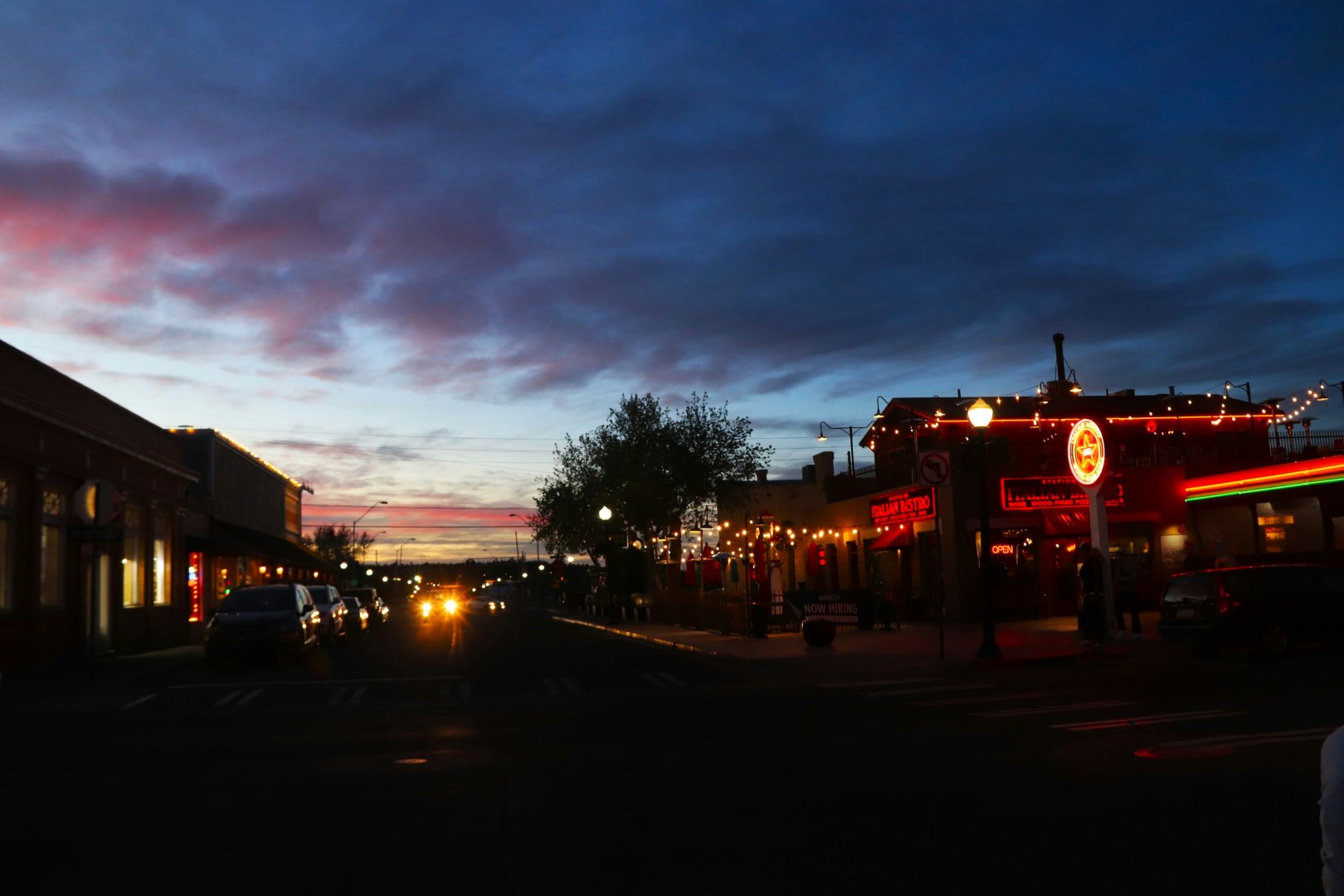
Williams is a small city in northern Arizona, located along historic Route 66 and near the edge of the Kaibab National Forest. It is often known as the “Gateway to the Grand Canyon” due to its role as a departure point for the Grand Canyon Railway.
Abu Dhabi
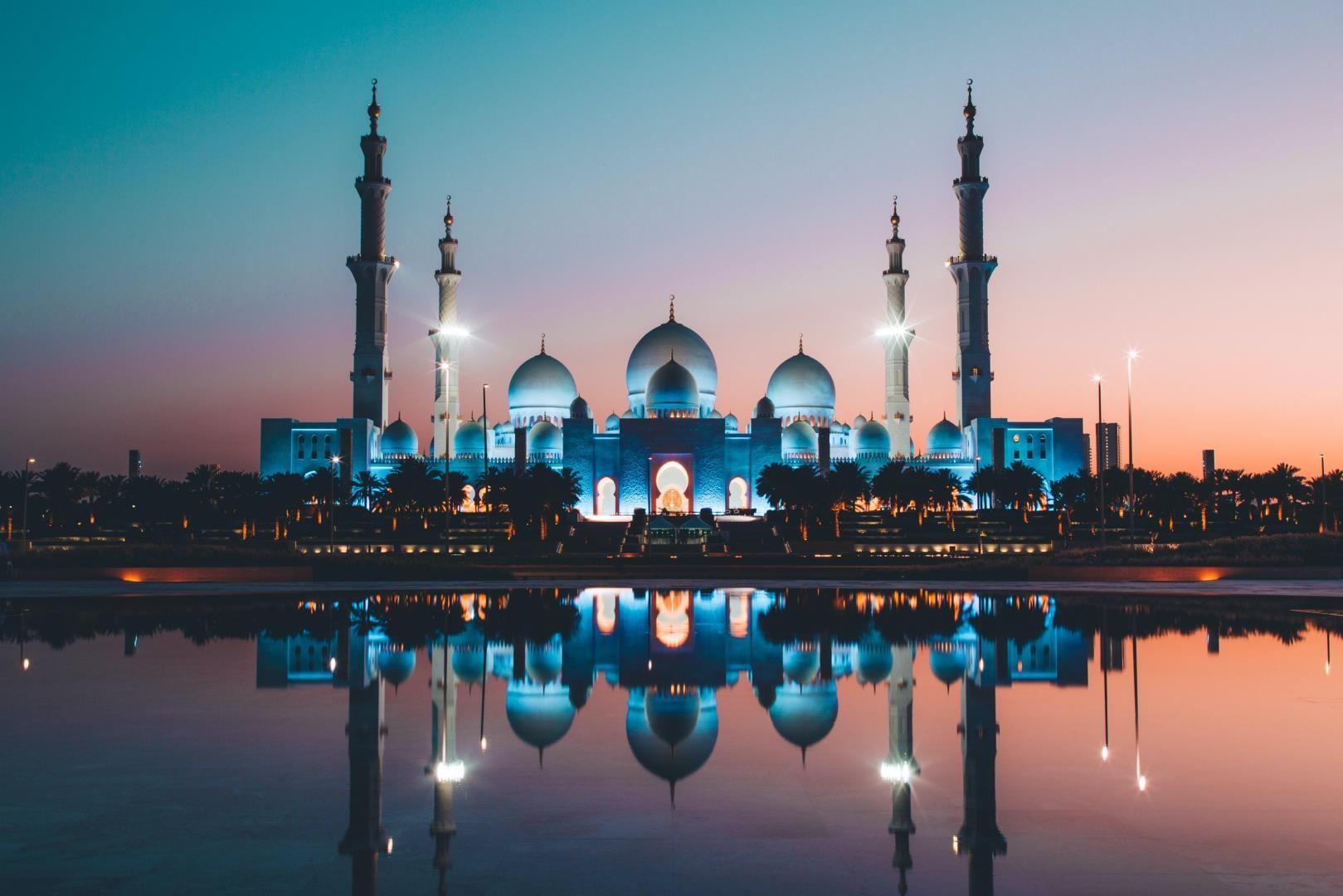
A city in perpetual forward motion, Abu Dhabi greets visitors with gleaming skyscrapers and opulent Islamic architecture. There is much to see here, from the recently opened Louvre Abu Dhabi to the gigantic Sheikh Zayed Grand Mosque, with its white marble splendor. Beach life and turquoise waters can be found on Saadiyat Island, Al Bateen and Corniche Beach.