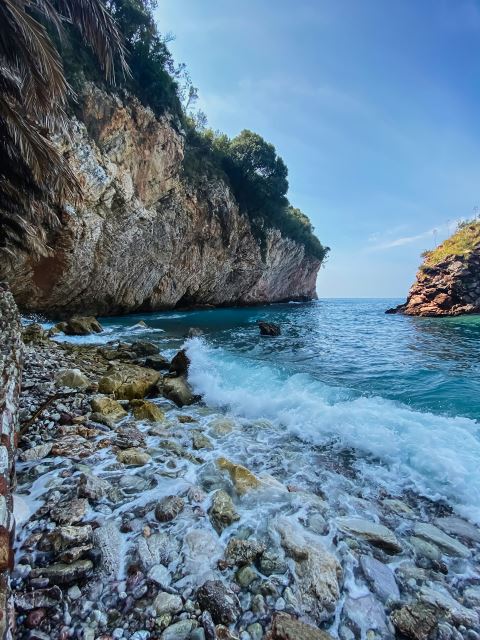
Siena
In the walled city of Siena we stand firmly planted in the Middle Ages. Siena preserved its original character more markedly than any other city in Italy.
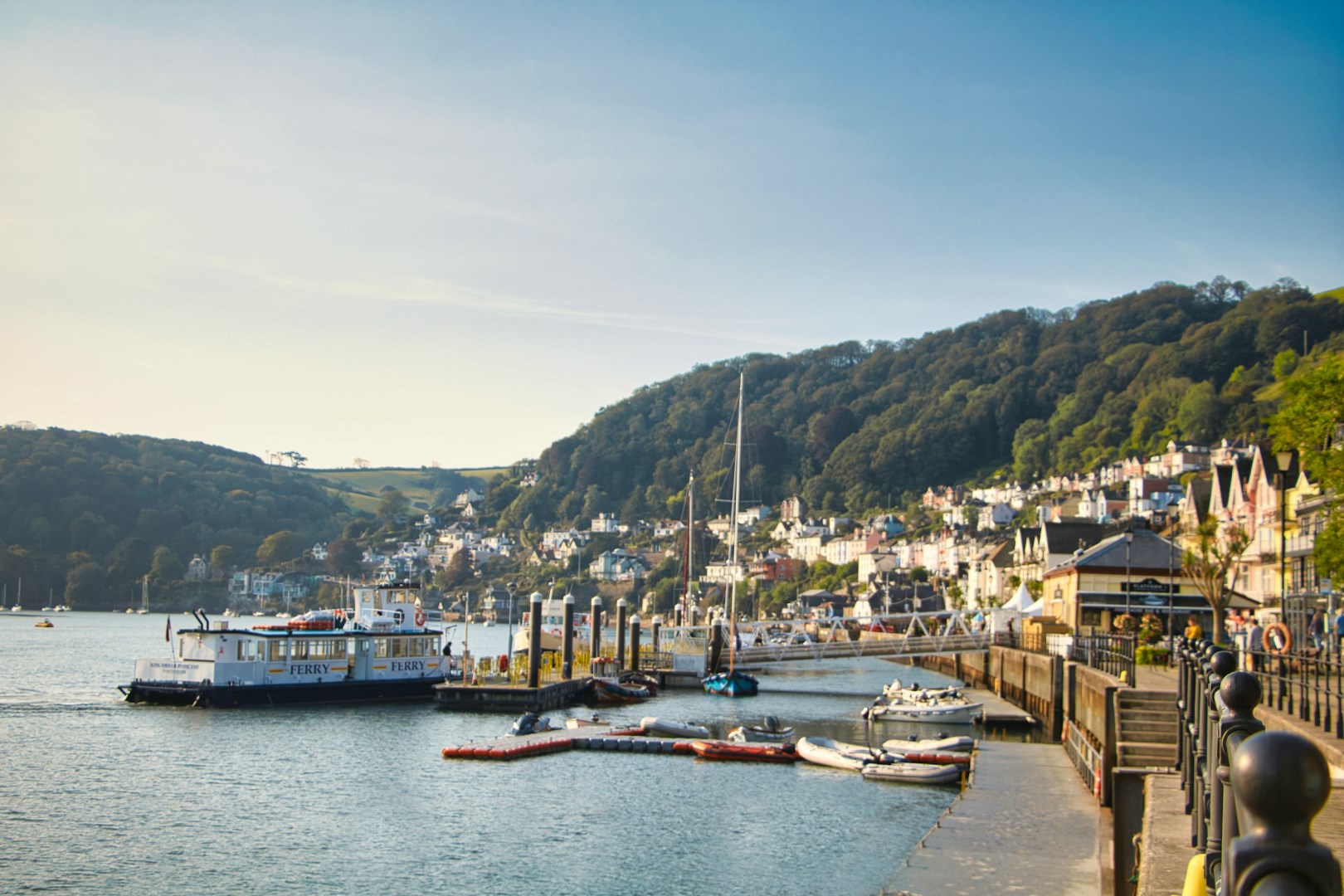
Dartmouth
Dartmouth is a coastal town in Devon, southwestern England, positioned on the steep western bank of the River Dart near its meeting with the English Channel. Its waterfront is shaped by a deep natural harbor, with boats moving between the river and the sea throughout the year. The historic center rises sharply from the quays, with narrow lanes, stone buildings, independent shops, and old merchants’ houses.
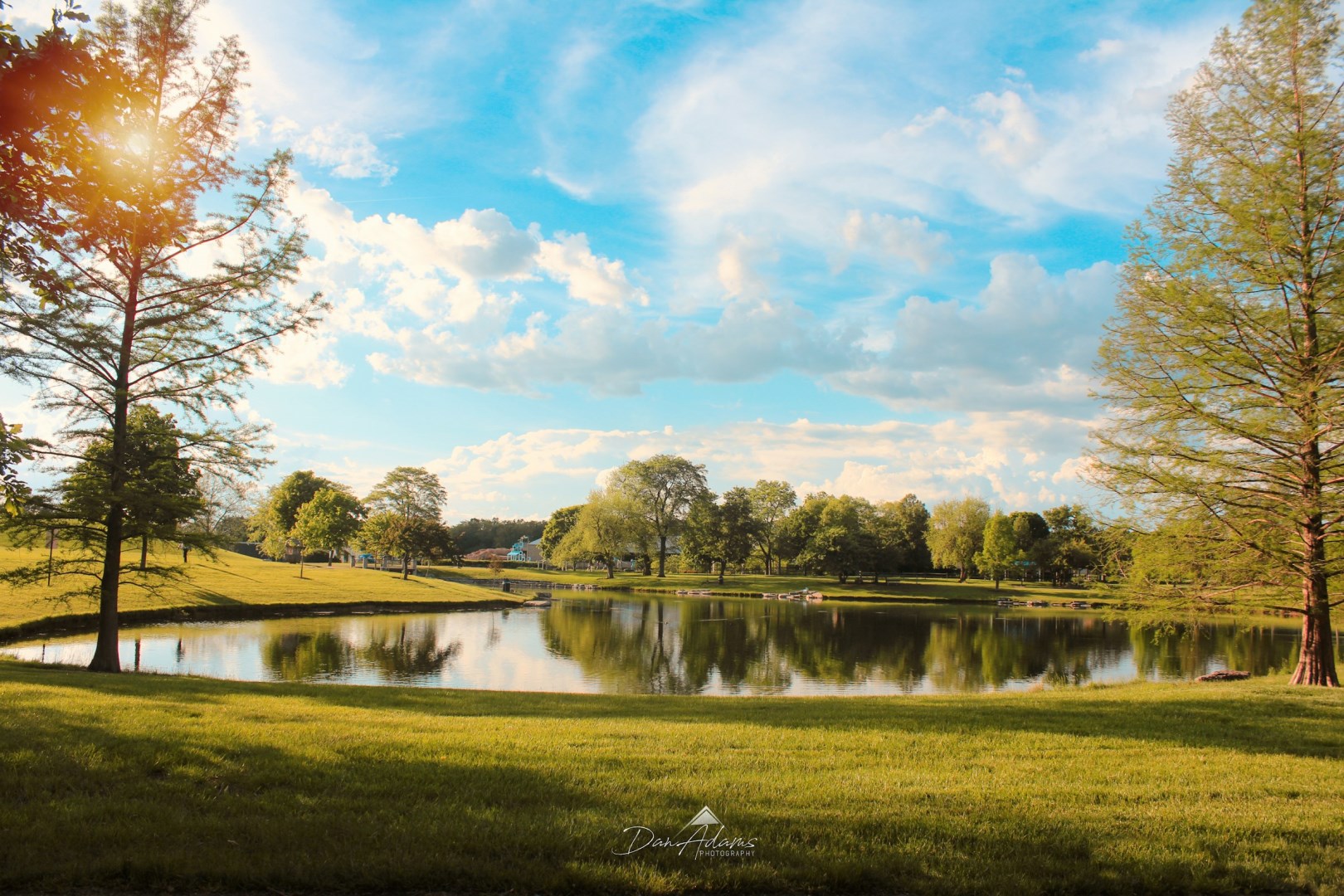
Dayton
Famous as the home of the Wright Brothers, it is an important industrial city and the fourth largest in the state of Ohio.

Gili Islands
The Gili Islands are a group of three small islands off the northwest coast of Lombok in West Nusa Tenggara: Gili Trawangan, Gili Meno, and Gili Air. Each island has a distinct character, but all are surrounded by clear tropical waters, coral reefs, and sandy beaches. Gili Trawangan is the largest and most developed, Gili Meno is quieter and less populated, while Gili Air combines tourism with a resident island community.

Kom Ombo
Kom Ombo, a hidden gem along the Nile River in southern Egypt, is a destination that seamlessly blends ancient history, captivating architecture, and scenic beauty. This charming town is renowned for the Temple of Kom Ombo, a unique double temple dedicated to two deities: Sobek, the crocodile god, and Horus, the falcon-headed god of the sky.