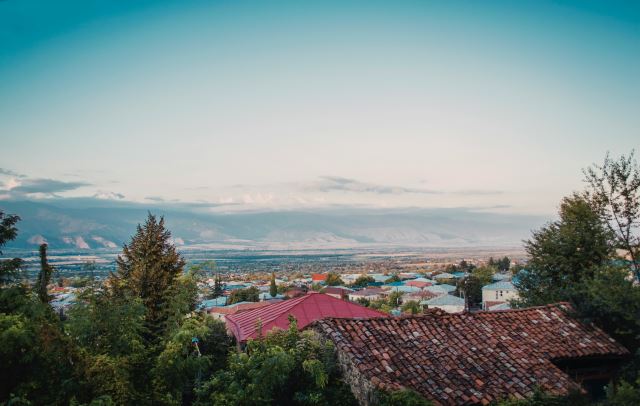
The bridge of peace
Photo Credit: Photo by Mahmoud Sayed on Unsplash
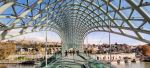
The Bridge of Peace
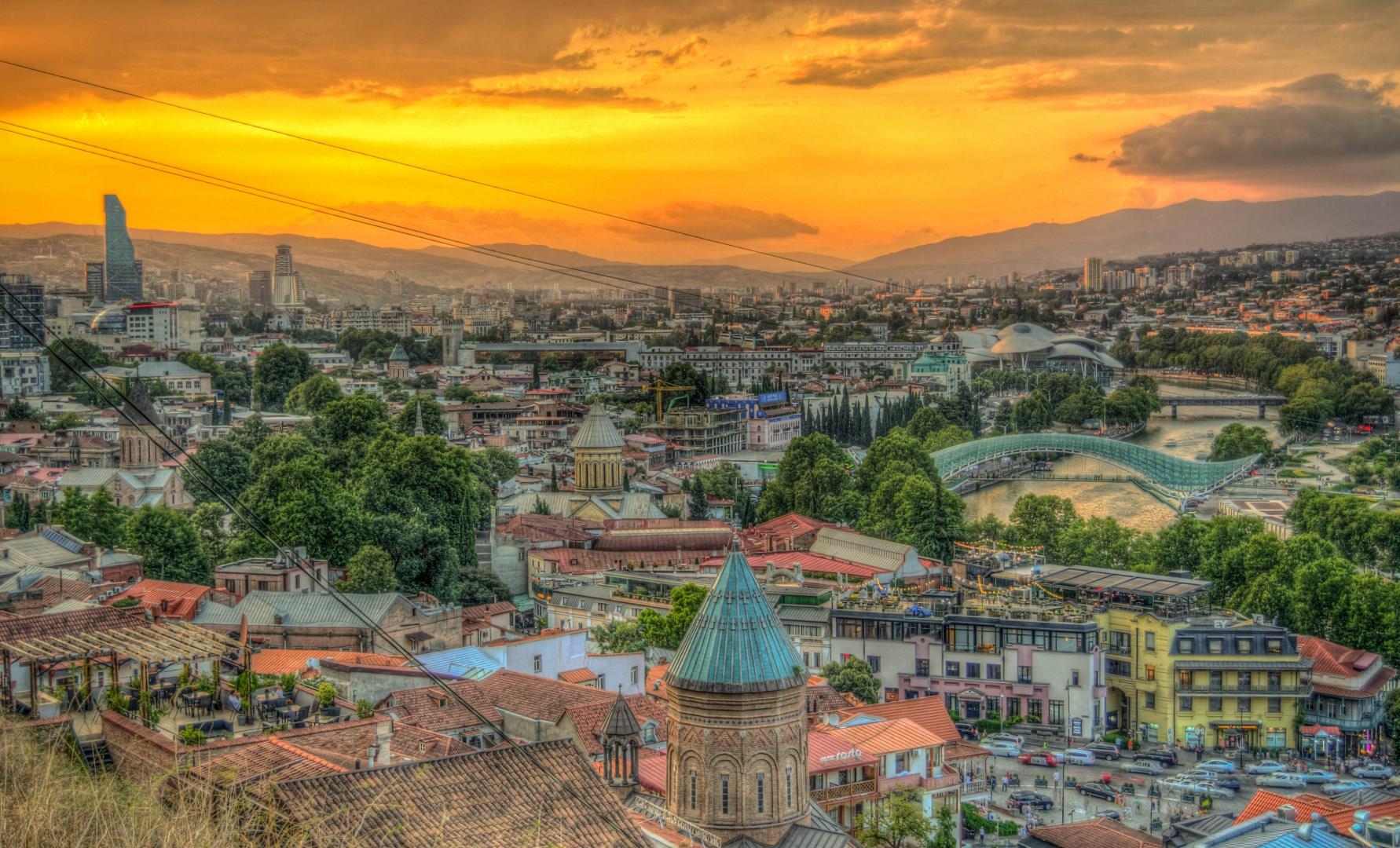
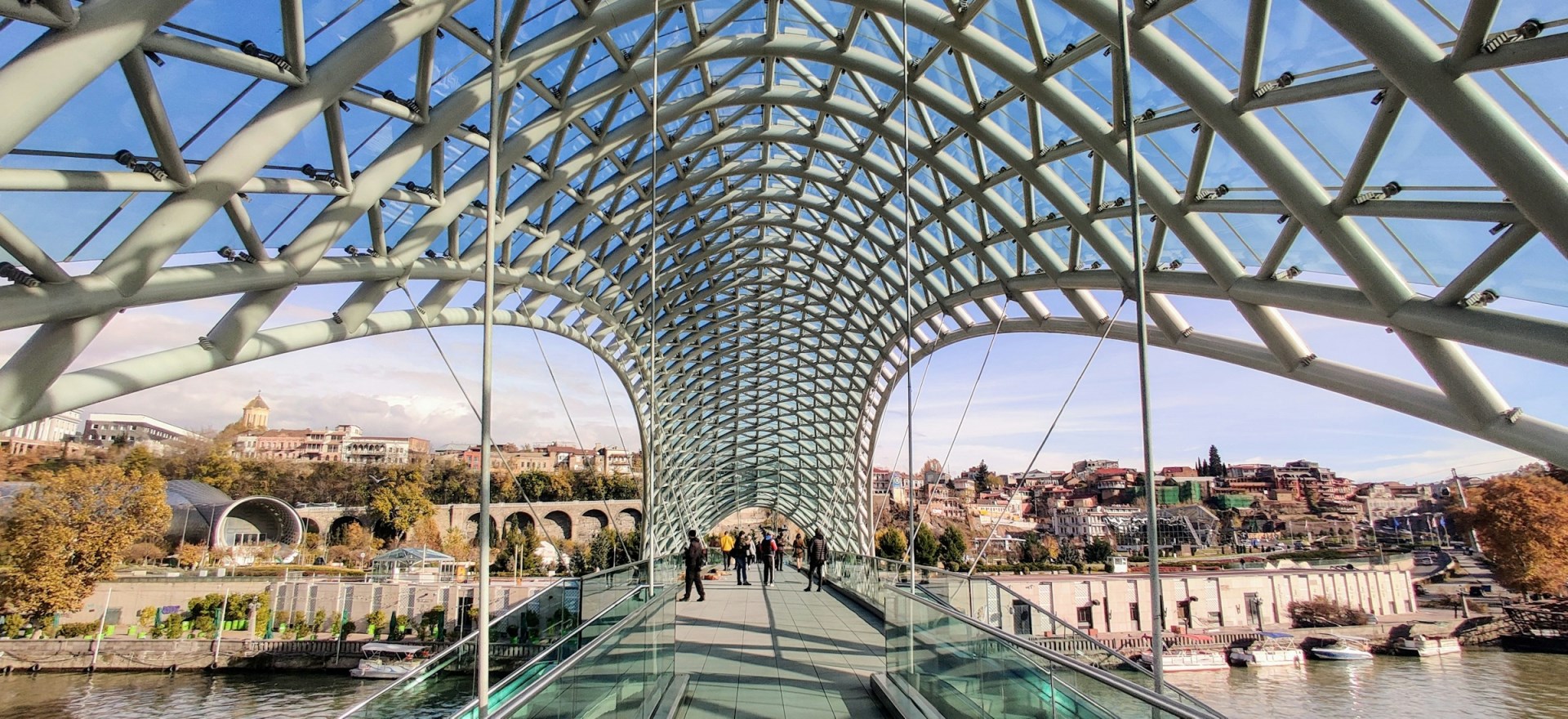
The Bridge of Peace is a modern pedestrian bridge spanning the Mtkvari River in central Tbilisi, connecting Erekle II Street with Rike Park. Designed by Italian architect Michele De Lucchi, the bridge opened as part of the city’s modern urban development and creates a strong contrast with the historic buildings of Old Tbilisi nearby. Its curved steel frame is covered with blue-tinted glass panels, giving the structure a distinctive transparent appearance. At night, an extensive lighting system illuminates the bridge, making it particularly visible along the river. From the walkway, visitors can see Old Tbilisi, the Mtkvari River, Rike Park, and the hills surrounding the city.
Rike Park
Photo Credit: Photo by K T on Unsplash
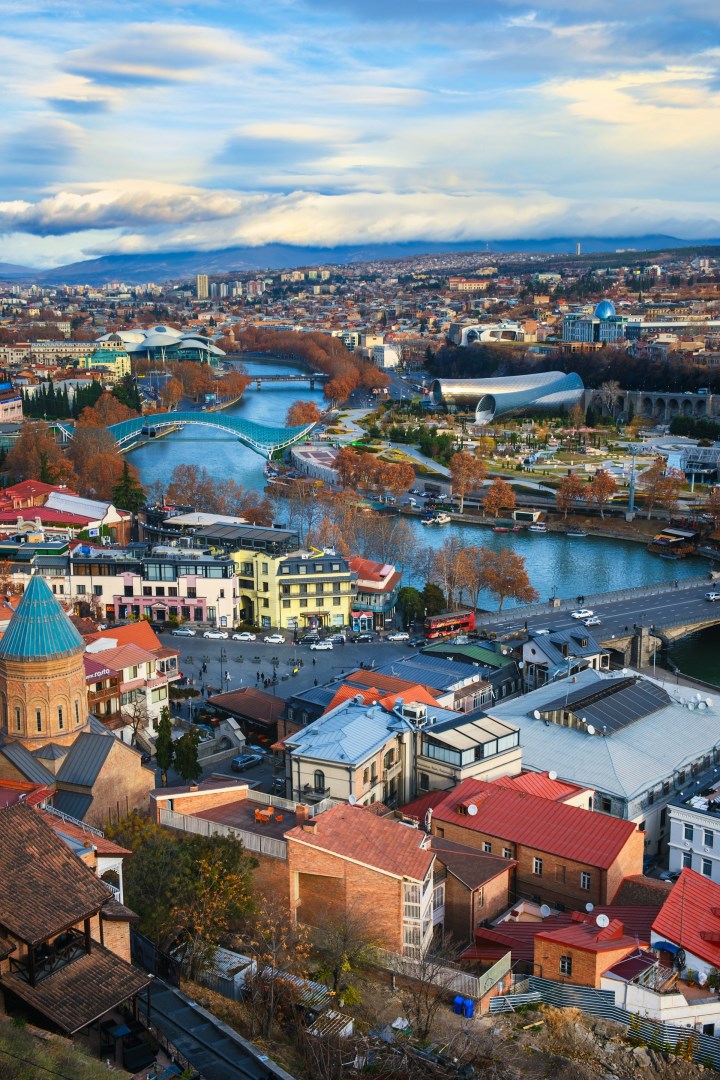
Rike Park
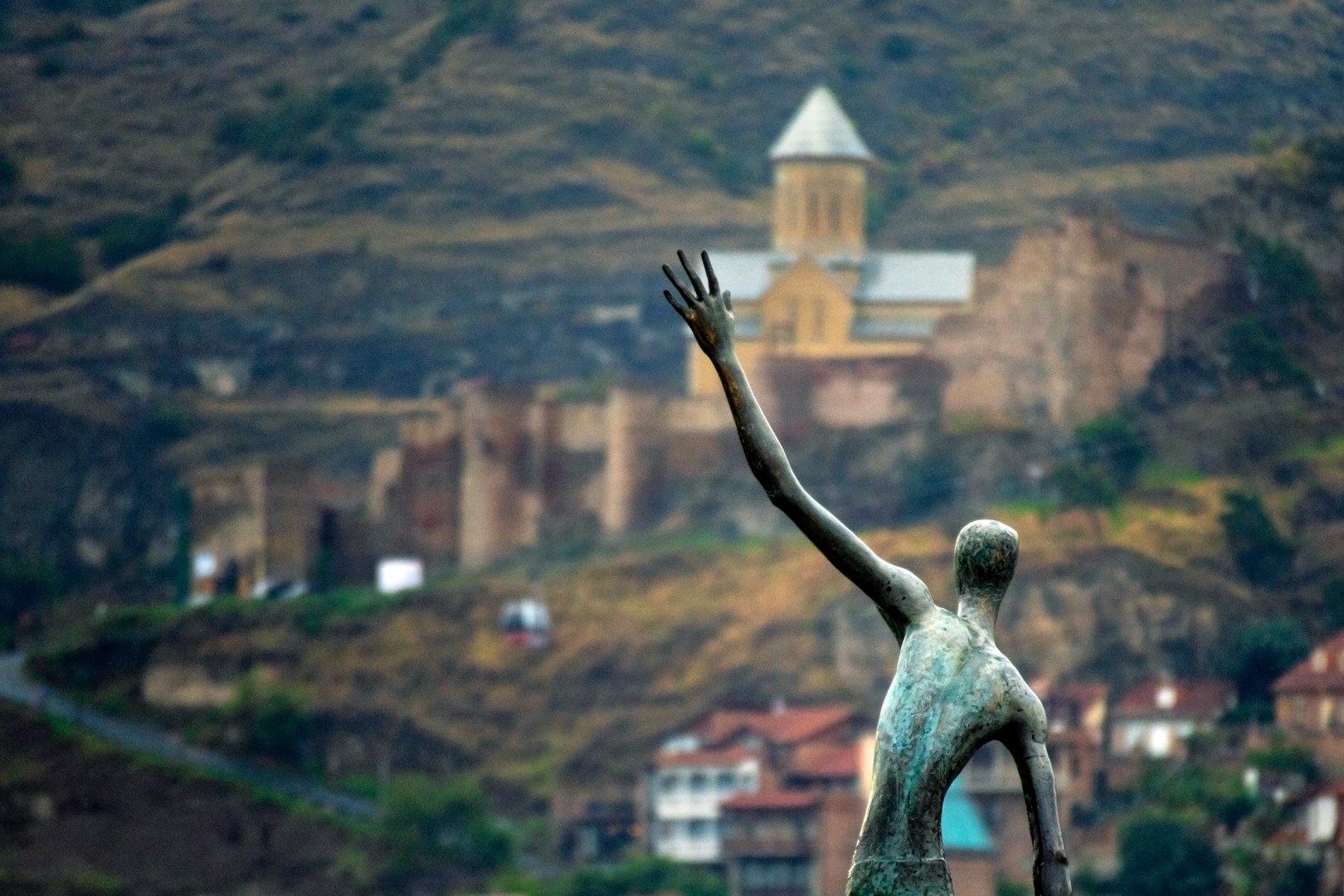
Rike Park is a modern public park on the left bank of the Mtkvari River in central Tbilisi, directly connected to the historic Old Town by the Bridge of Peace. The landscaped park contains lawns, gardens, fountains, walking paths, outdoor sculptures, and recreational spaces, with views toward the river and the hills of Old Tbilisi. Its most distinctive architectural feature is the pair of curved metal-and-glass structures known as the Rike Concert Hall and Exhibition Center, designed by Massimiliano and Doriana Fuksas. The park is also the lower station for the Tbilisi Aerial Cable Car, which crosses the river and climbs toward Narikala Fortress.
Chronicles of Georgia
Photo Credit: Photo by Mike Swigunski on Unsplash
Chronicles of Georgia
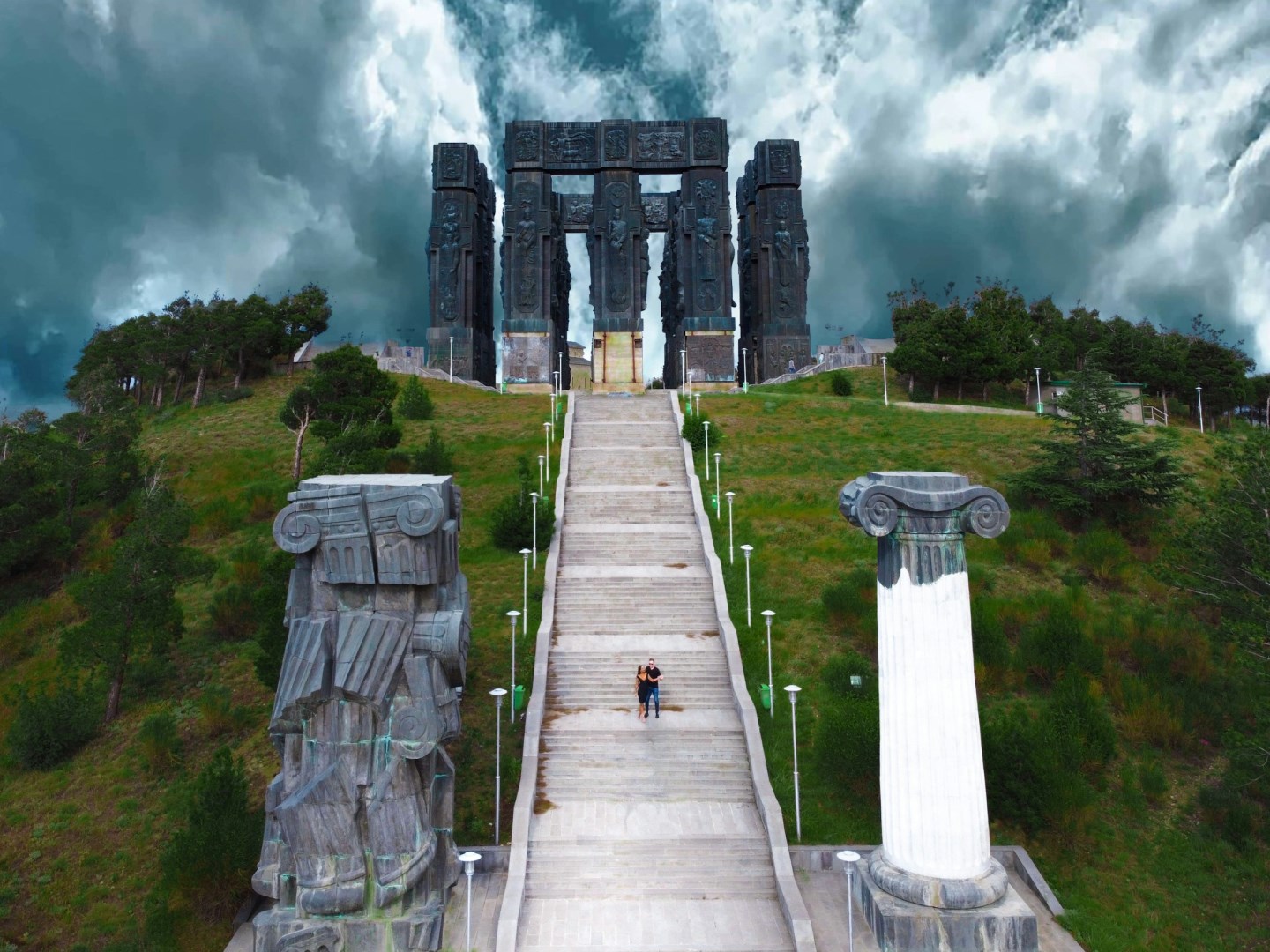
The Chronicles of Georgia is a monumental sculptural ensemble on a hill overlooking the Tbilisi Reservoir, created by Georgian sculptor and painter Zurab Tsereteli. Often called the “Stonehenge of Tbilisi,” the complex consists of 16 large stone-and-metal columns arranged on a broad terrace, with relief panels depicting figures and episodes from Georgian history and Christian tradition. The lower sections focus largely on religious subjects, while the upper panels portray Georgian kings, queens, and historical figures. The elevated site provides wide views over the reservoir and surrounding hills, while the scale and arrangement of the columns make the monument one of Tbilisi’s most distinctive modern landmarks.
Holy Trinity Cathedral of Tbilisi
Photo Credit: Photo by Viktor SOLOMONIK on Unsplash
Holy Trinity Cathedral of Tbilisi
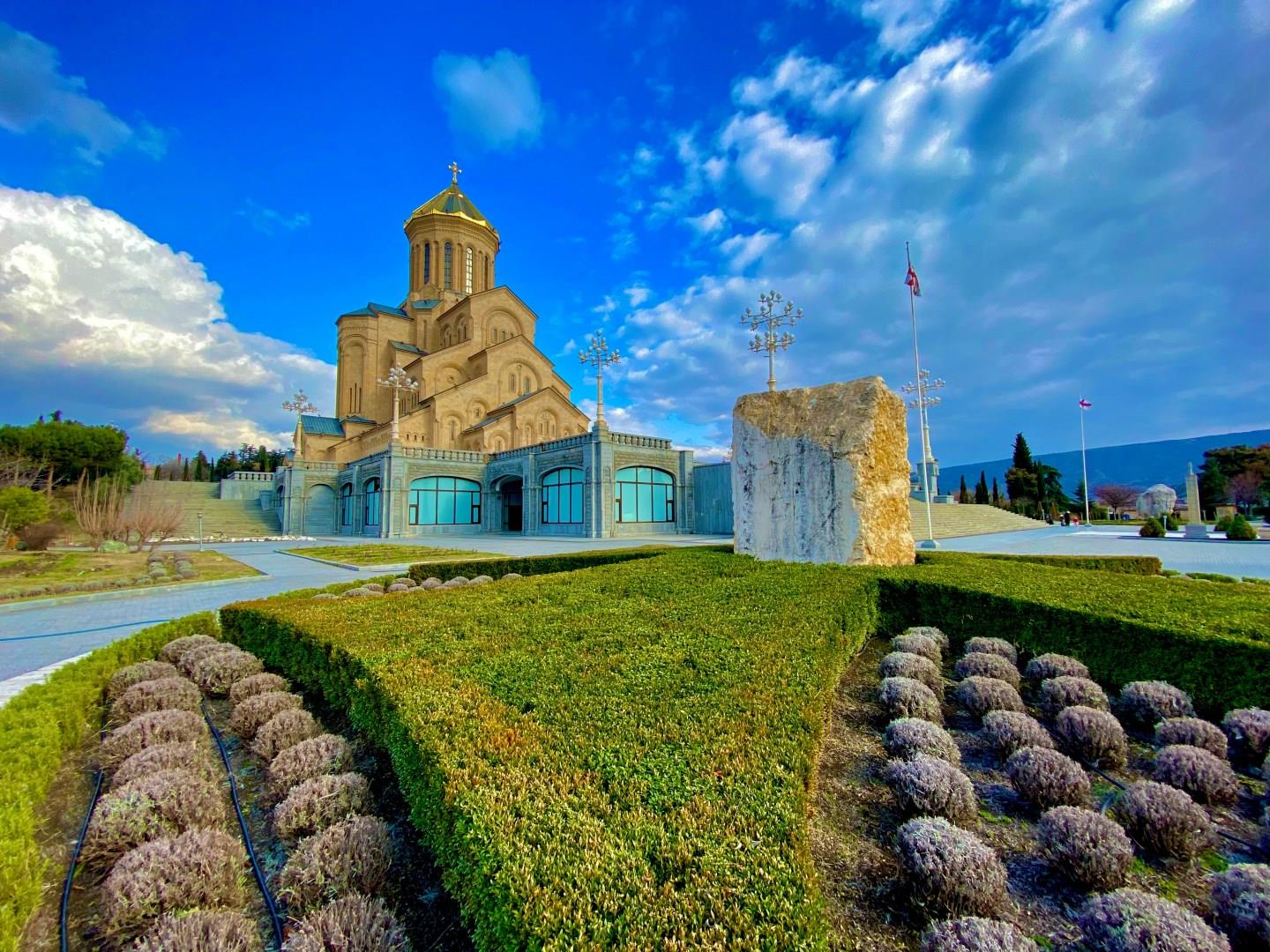
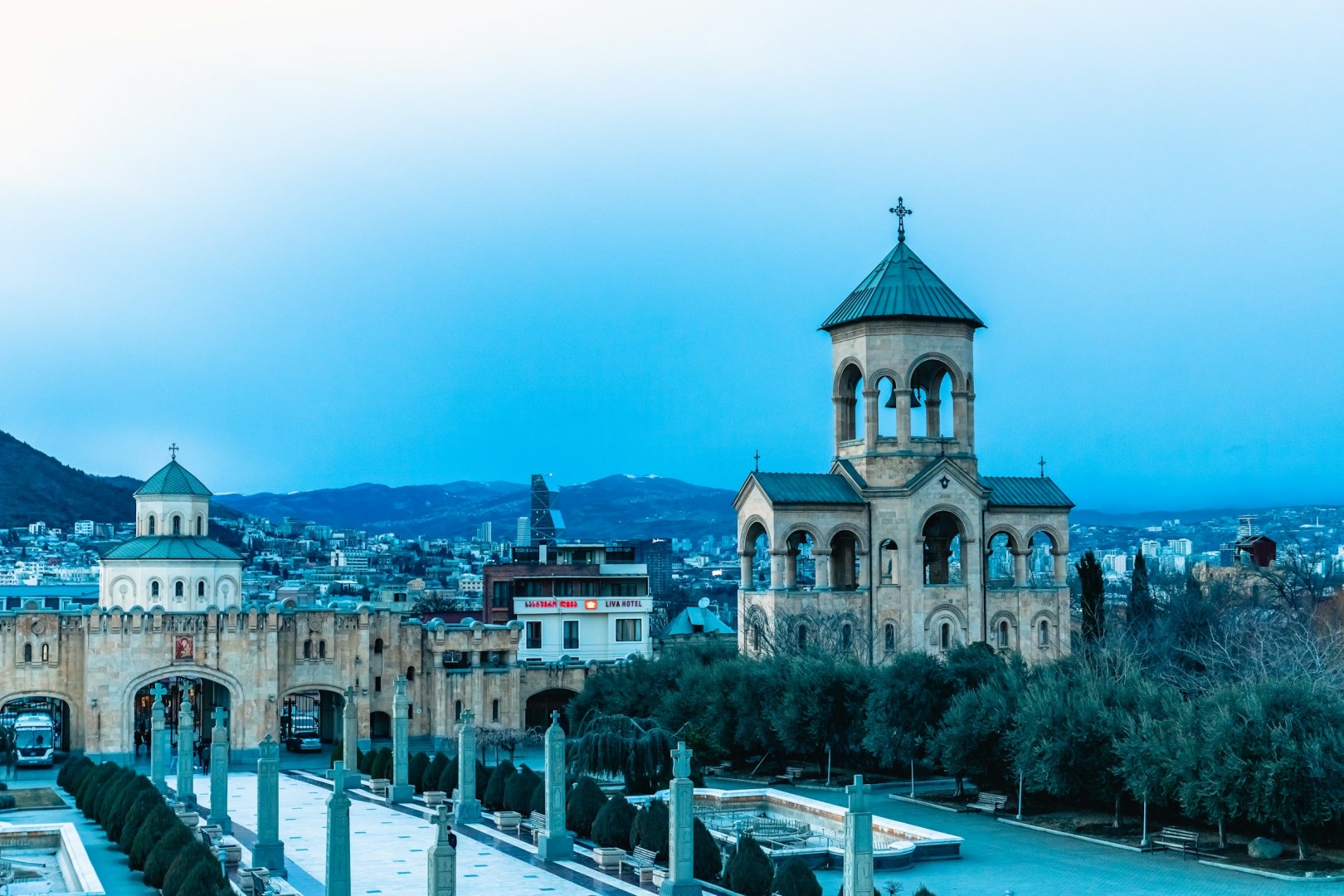
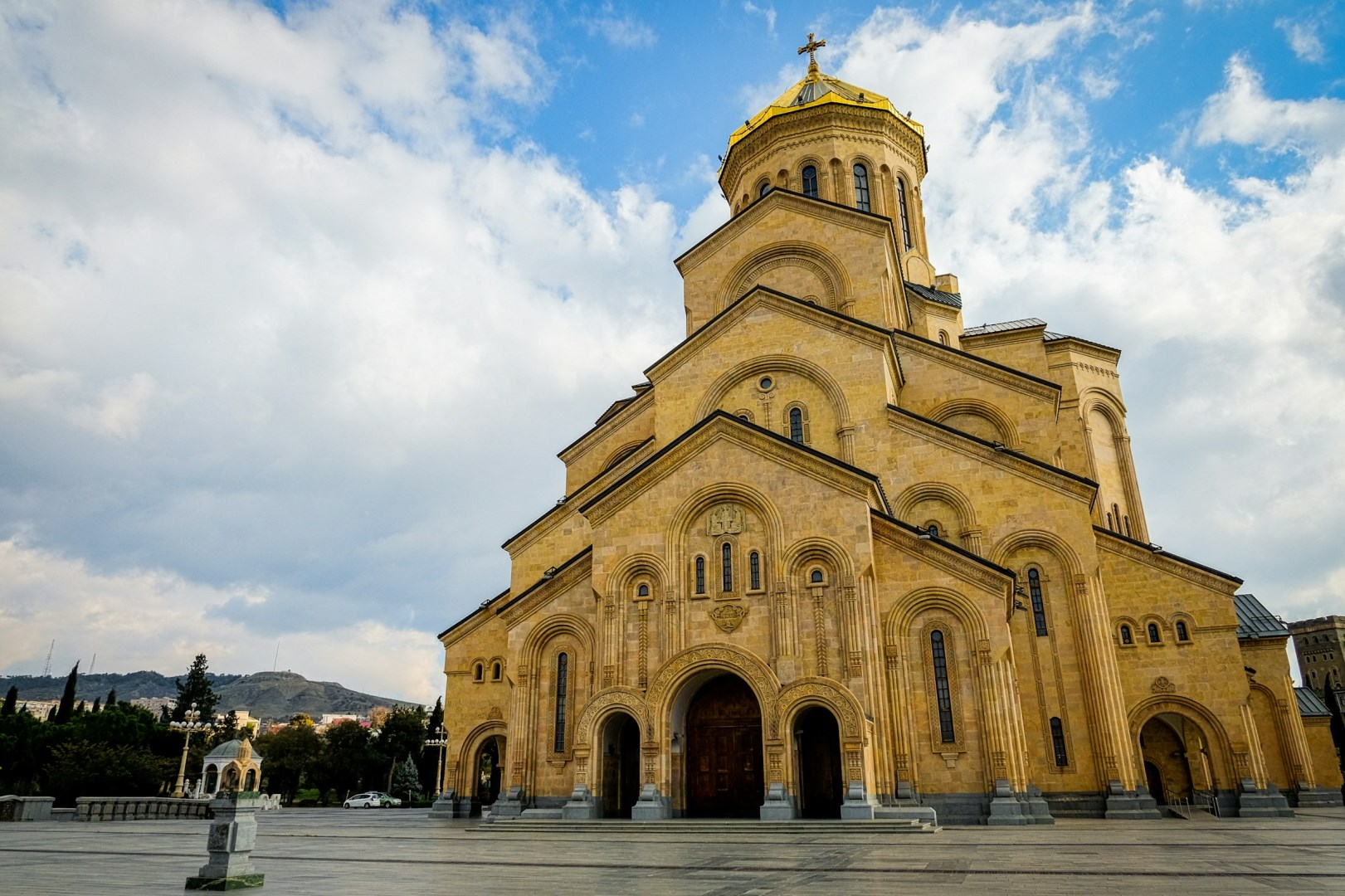
Trinity Cathedral, formally the Holy Trinity Cathedral of Tbilisi and commonly called Sameba, is the principal cathedral of the Georgian Orthodox Church and one of Tbilisi’s most prominent landmarks. It stands on Elia Hill in the Avlabari district, with its large dome and gilded cross visible from many parts of the city. Designed by Georgian architect Archil Mindiashvili, the cathedral combines traditional Georgian church forms with a monumental scale. The complex includes nine churches and twelve chapels, with interiors incorporating Georgian limestone, marble from several countries, and granite flooring. Its elevated grounds also provide views across Tbilisi and the surrounding hills.
Kartlis Deda
Photo Credit: Photo by mostafa meraji on Unsplash
Kartlis Deda (Mother of Georgia)
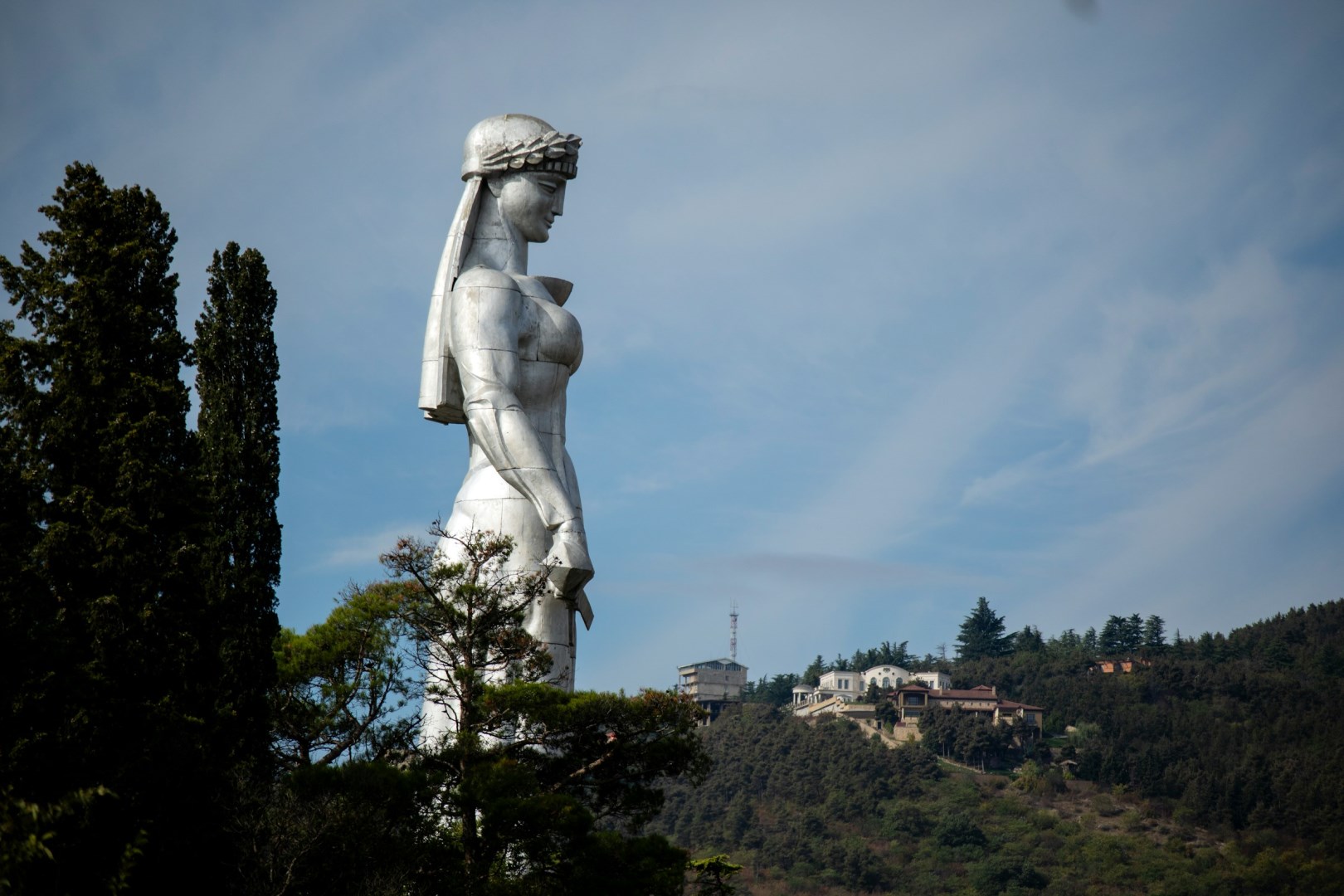
Kartlis Deda, or Mother of Georgia, is a monumental statue standing on Sololaki Hill above Tbilisi, overlooking the Old Town and the Mtkvari River. Created by Georgian sculptor Elguja Amashukeli, the aluminum figure represents Georgia as a woman holding a sword in one hand and a bowl of wine in the other. The sword symbolizes readiness to defend the country, while the wine represents hospitality toward guests. Set among the wooded slopes above the city, the statue is closely associated with Tbilisi’s identity and can be reached from the historic center by paths or the aerial cable car. Its position also provides broad views over the city, Narikala Fortress, and surrounding hills.