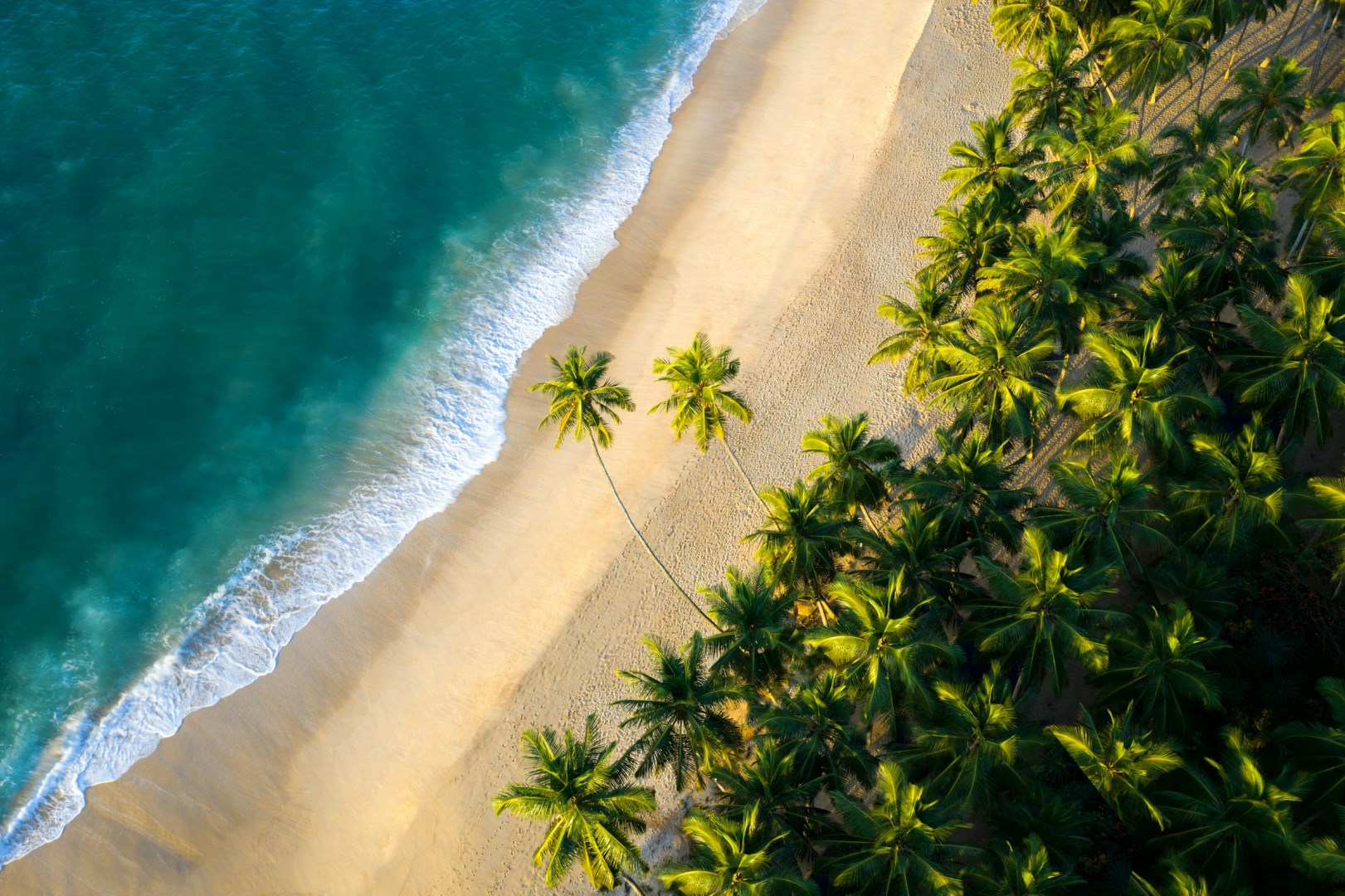
Tangalle
Tangalle is a coastal town in Sri Lanka’s Southern Province, set around one of the island’s larger natural bays. Its shoreline is divided into a series of sandy beaches and smaller coves, including Medaketiya, Goyambokka, Pallikkudawa, and Medilla. Tangalle remains an important fishing port, while tourism has developed around its beaches, seafood restaurants, and small hotels.

Dominica
Dominica, known as the “Nature Island of the Caribbean,” is a haven for eco-tourists and adventure seekers. Nestled between the French islands of Guadeloupe and Martinique, this lush island boasts a remarkable landscape of volcanic mountains, dense rainforests, and stunning waterfalls. Dominica’s most iconic natural wonder is the Boiling Lake, the second-largest hot spring in the world.
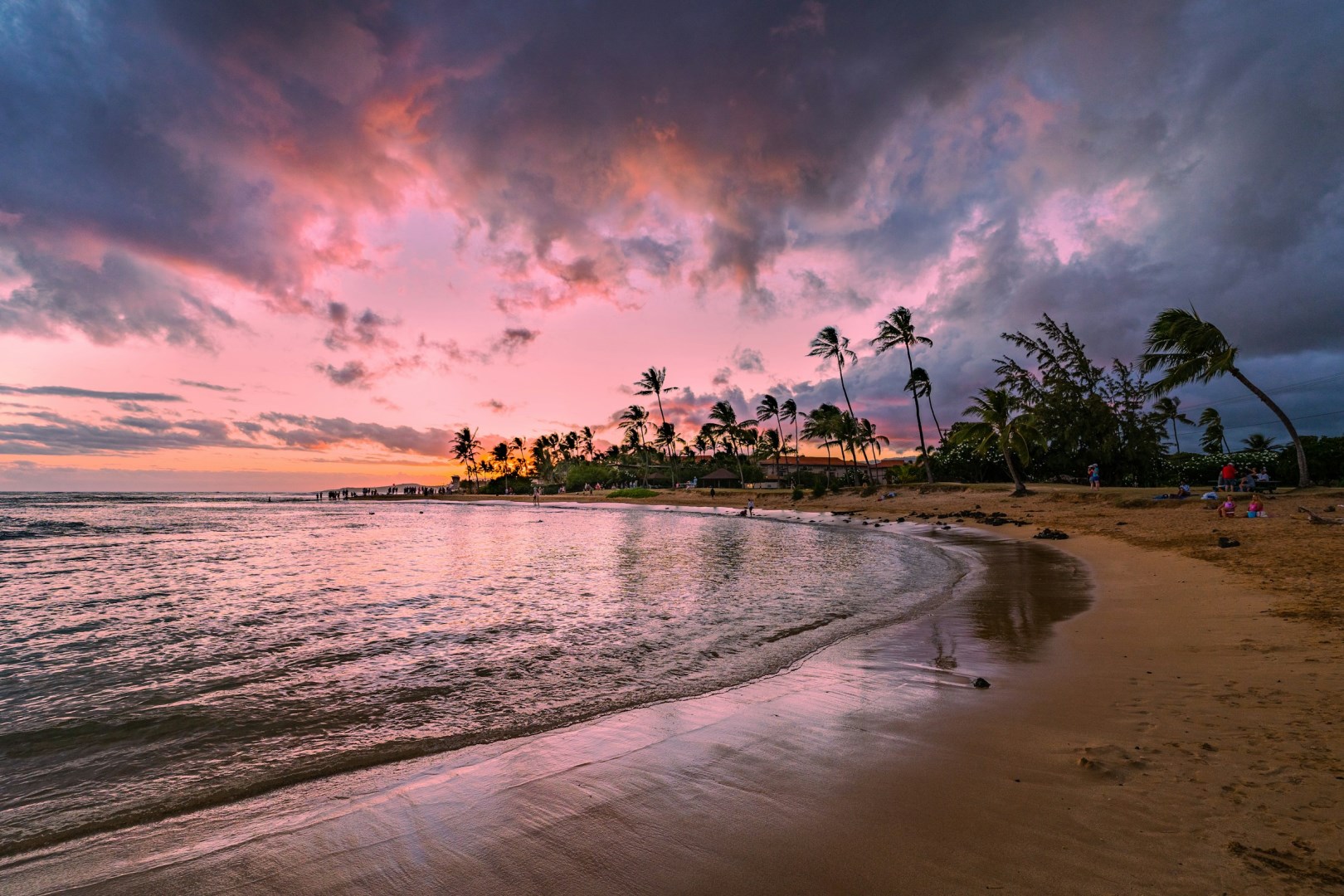
Poʻipū
Poʻipū is a coastal community on the southern shore of Kauaʻi, known for sunny weather, sandy beaches, and access to the island’s sheltered southern coastline. Its landscape includes beaches, lava-rock formations, palm-lined resorts, residential neighborhoods, and open coastal areas. Poʻipū Beach Park is the main public gathering place, with several connected sandy areas and shallow water that can be suitable for swimming when ocean conditions allow.
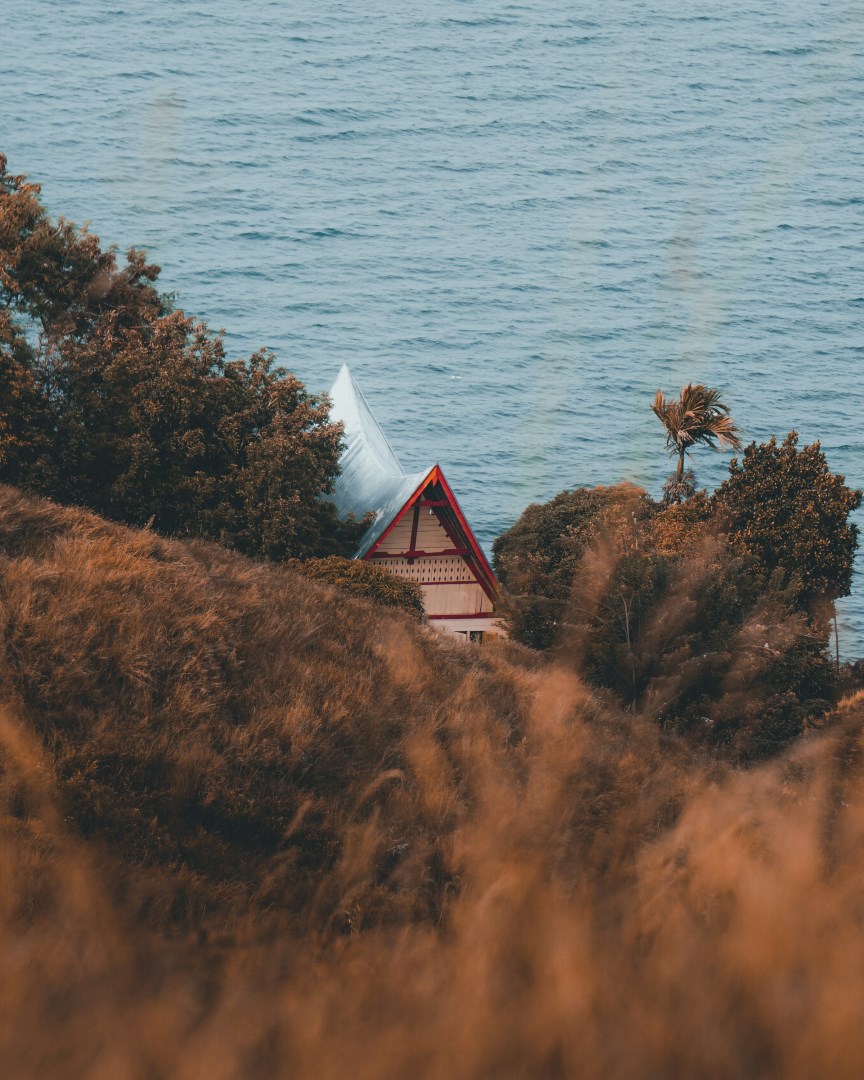
Lake Toba Sumatra
Lake Toba is another of the island's spectacular sights - a remarkable volcanic crater set in the middle of northern Sumatra, 176km from Medan. The lake is huge (the largest in South-East Asia), occupying the caldera of a giant volcano that collapsed on itself after a massive eruption some 100,000 years ago.
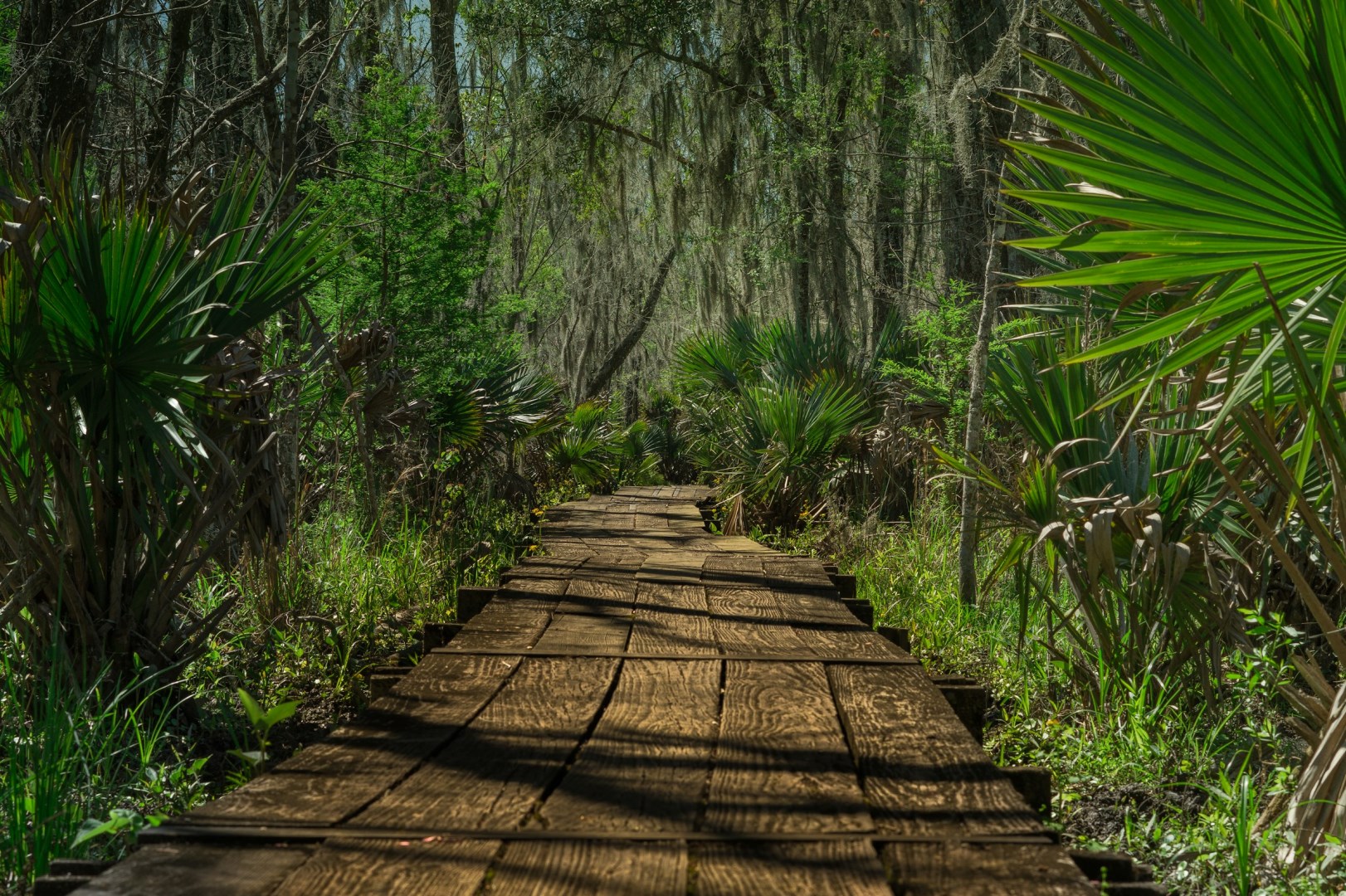
Jean Lafitte National Historical Park and Preserve
Jean Lafitte National Historical Park and Preserve spans six distinct sites across south Louisiana, linking wetlands, battlefields, cultural centers, and historic neighborhoods into one broad interpretation of the lower Mississippi River Delta. Its landscape ranges from the swamps and marshes of Barataria Preserve to the urban setting of the French Quarter Visitor Center in New Orleans.