Cagliari Sardinia
Cagliari is Sardinia's capital and largest city. Several civilizations have left their imprint here architecturally and culturally. Must-sees include the Museo Archeologico Nazionale di Cagliari, with its Roman and Byzantine treasures, as well as Castello, a medieval quarter situated on a hill above the city. The city is also known for its food and vibrant nightlife.

Mozambique
Mozambique, stretching along the southeast coast of Africa, is a country celebrated for its long Indian Ocean shoreline, colorful traditions, and layered history. The country’s coastline is among its greatest treasures.
Pamplona
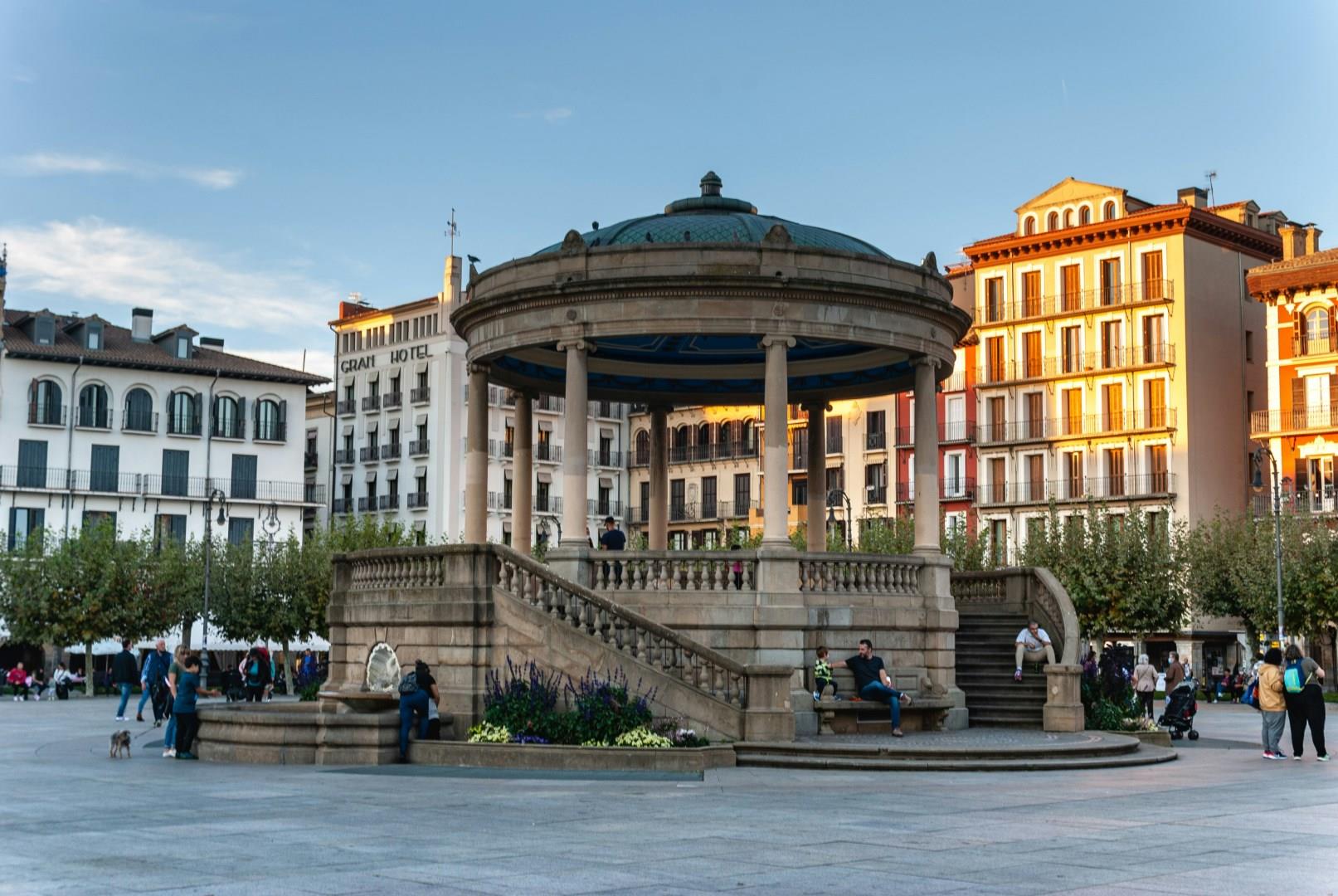
Pamplona, the capital of Spain’s Navarre region, is best known worldwide for the Running of the Bulls during the San Fermín festival each July. But beyond the brief rush of that event lies a city steeped in medieval history, Basque influence, and a slower pace that surprises many visitors. One of the most significant aspects of Pamplona is its place on the Camino de Santiago, the ancient pilgrimage route to Santiago de Compostela.

Český Krumlov
Český Krumlov, a picturesque city in the Czech Republic, is a treasure trove of medieval charm and architectural splendor. Nestled in the South Bohemian Region, this UNESCO World Heritage Site is renowned for its stunning Český Krumlov Castle, which towers over the city and offers panoramic views of the winding Vltava River and the old town's red-tiled rooftops.

Easter Island
Easter Island, or Rapa Nui, is a remote gem in the southeastern Pacific Ocean that promises an extraordinary journey into the mysteries of Polynesian culture and history. Famous for its monumental stone statues known as moai, Easter Island captivates visitors with its enigmatic past. These colossal statues, crafted between 1400 and 1650 AD, are scattered across the island and are a testament to the islanders' sophisticated artistry and social organization.